
Key Takeaways
- Keep an eye on multiple warning signs simultaneously: age, rising bills, strange noises, poor air quality, cycling problems, and visible damage combined are often a sign replacement is needed. Schedule regular maintenance to catch issues early.
- Weigh repair cost, repair frequency, and efficiency loss against replacement cost by tracking recent repairs, future repair estimates, and energy bills to make a cost informed choice.
- Be on the lookout for safety hazards like yellow pilot lights, rusted heat exchangers, carbon monoxide symptoms, burning smells, or visible overheating. Turn off the furnace and call a professional immediately.
- Consider the distinctions of gas, electric, and oil furnaces in replacement decisions and adhere to manufacturer maintenance recommendations to enhance longevity and efficiency.
- Maintain an easy tracking record of furnace age, repair dates and costs, monthly heating bills and symptoms to share with technicians during a professional diagnostic.
- Get HVAC pros to do a complete diagnostic, seek written estimates, appliance sizing advice, warranty info, and financing or replacement options before you sign off on a repair or replacement.
Know it’s time to replace your furnace when it keeps breaking down, your energy bills are increasing, it’s not heating evenly and making weird noises.
Older units can’t even hit set temperatures and end up continuously being repaired. Visible rust, pilot light issues, and yellow flames indicate safety or efficiency concerns.
Think of age greater than 15 years as a primary metric when considering replacement versus repair. The subsections below describe each sign and how to evaluate immediacy and price.
Key Warning Signs
There are obvious signs that a furnace is dying before it finally conks out. Monitor for trends, not one-off occurrences, and intervene early. Routine service assists in finding issues before they become expensive or dangerous.
1. Age
Furnaces over 15 to 20 years tend to break down and run poorly. Gas furnaces usually have a 15 to 20 year life span. Electric versions tend to last 20 to 30 years. Older units typically don’t have the safety features and higher AFUE ratings that reduce fuel consumption and lower bills.
Create a heat appliance installation date timeline for the home to identify any near end of life. When a furnace approaches or passes its life expectancy, consider replacement instead of the potential for unexpected failure and increasing repair prices.
2. Rising Bills
Monitor monthly energy bills and compare costs this season to last to identify patterns. A definite increase with no usage shift signals declining efficiency. Frequent repairs compound expense with higher utility bills. When repair bills mount, replacement may be cheaper.
A poorly functioning furnace either burns more fuel or pulls more power, increasing heating expenses. Create a quick table of old versus new heating bills to establish a trend and assist technicians in diagnosing.
3. Strange Noises
Banging, rattling, or loud humming can indicate loose, broken, or failing parts in the furnace. Tighten access panels, clean around the unit, and schedule a professional inspection if noises persist. Log when the noises begin and what they sound like to assist a technician.
4. Air Quality
Extra dust, allergy symptoms, or strange odors can emanate from clogged filters or malfunctioning components. Outdated filtration and clogged filters restrict air circulation and capture particles, compromising indoor air quality. Change filters on a schedule and look to higher-efficiency filters or enhanced filtration when you buy a new furnace.
Bad air from a failing furnace can impact health, particularly for sensitive occupants.
5. Cycling Problems
Short cycling — rapid on/off cycles — generally indicates thermostat problems or an overburdened system. Long or irregular cycles can indicate mis-sizing or failing components. Cycling problems lower comfort and increase component wear.
Record cycle length and frequency to communicate with an HVAC professional.
6. Visible Damage
Check for rust, corrosion, cracks, or water leaks on and around the unit. Consider visible damage a safety flag. Heat exchanger cracks require attention immediately. Keep an easy checklist for monthly visual inspections and change notes.
Extensive corrosion or cracks usually mean replacement is safer.
7. Pilot Light Color
A yellow or orange pilot flame indicates incomplete combustion or gas troubles. Clean, blue flames are key warning signs. If the flame changes color, switch it off and have it serviced.
Persistent pilot light problems can signify that the entire furnace needs to be replaced.
Repair or Replace
Make the call based on age, repair cost, how often it breaks down and long-term operating costs. Age systems, obvious wear such as cracked heat exchangers or motors that fail repeatedly lead to replacement. Use a simple repair versus replace framework: tally recent repair bills, estimate near-term fixes, and compare to a new unit’s price and expected savings from higher efficiency.
Cost Analysis
Estimate recent and upcoming repair costs and compare to replacement. Factor in parts, labor, diagnostic fees and the expense of operating the unit as you wait for repairs. Industry guidance states that if one repair costs more than 50 percent of a new furnace, especially when the system is older than 12 to 15 years, replacement is usually the wiser choice.
| Item | Estimated Cost (currency) |
|---|---|
| Recent repairs (last 2 years) | 1,200 |
| Anticipated short-term repairs (next 2 years) | 1,500 |
| New high-efficiency furnace (installed) | 6,000 |
| Estimated annual energy savings | 300 |
Consider the future energy costs. Newer furnaces tend to significantly reduce fuel consumption and monthly bills. Those savings accumulate over the 10 to 15 years of a unit’s lifespan.
Look into financing, such as low-interest loans, utility rebates, or manufacturer promotions, to diffuse the upfront cost and accelerate net savings.
Repair Frequency
Create a simple checklist: date of repair, issue, repair cost, technician name, and time out of service. Keep tabs on how many times you request repairs in one heating season. If you required multiple service visits in a single season, reliability is down.
Frequent repairs increase both immediate expense and chances of catastrophic breakdown. Several trips for ignition issues, blower motors or heat exchangers means it’s time to retire the unit.
Maintain a logbook (digital or paper). Keep an eye on recurring faults and total costs. This record is helpful when broaching options with a contractor and when factoring replacement payback.
If you know your technician well and see them regularly at your door, use that as a practical signal. Friendly familiarity can be a sign you’re spending more on fixes than you should.
Efficiency Loss
Track variations in heat output and fuel or electric consumption over time. Compare monthly energy bills in like weather years to detect increases. Older furnaces, particularly those over 15 years old, can lose efficiency as metal parts expand and contract, creating cracks, loose fittings and motor wear.
Efficiency loss manifests as patchy heating and increased costs with no change in household behavior. A new, high-efficiency furnace frequently brings back even temperatures and reduces bills along with a carbon footprint.
Think replacement when inefficiency and repair needs mean total cost of ownership is more than the cost of a new unit.
Overlooked Indicators
Most indicators that a furnace requires replacement are minute. Minor, consistent shifts in performance can signal aging components, bad fit, or underlying injuries. These overlooked signs often foreshadow sudden breakdown and may quietly degrade convenience and increase expense as well.
Look for patterns, not isolated incidents, and combine observations with simple home inspections to uncover underlying causes.
Uneven Heating
Map your room temperatures for a few days to identify persistent hot and cold spots. Record this information along with the time of day and thermostat setting. Uneven heating can be caused by older furnaces that no longer emit consistent output or by inadequate airflow through blocked vents, restricted returns, and leaky ducts that dissipate warm air into unconditioned areas.
Look behind furniture and curtains for vents, examine exposed duct seams for openings, and sense for chilly spots around seams. A room-by-room temperature log helps. Take a simple thermometer in each room at the same time of day and record the findings for a week.
If one zone trails by more than 2 to 3 degrees Celsius with others on target, that indicates distribution issues or mismatched system sizing. Older homes might have ducts sized for smaller units. A new furnace that’s oversized or undersized will not fix uneven heating without duct improvements.
Uneven temperature goes hand-in-hand with elevated bills and short cycling, which indicates more systemic mismatch than one bad part.
Thermostat Issues
Test your thermostat against a separate thermometer and observe lags between setpoint changes and system response. Faulty wiring, bad placement near drafts or heat sources, or a control that’s just too old to communicate with modern furnaces can cause delayed or inaccurate responses.
Reset dumbbells according to manufacturer instructions, or swap out nonresponsive units. If properly wired and placed, upgrading to a programmable or smart thermostat enhances accuracy and trims energy waste.
Bad thermostats can make a good furnace look bad, and they can hide the actual issue by triggering short cycles or long runs that stress the system.
System Sizing
Not to mention, sizing by furnace capacity versus heat loss of the home. Oversized furnaces short-cycle, increasing wear and energy consumption. Undersized units run constantly and cannot achieve setpoints. Symptoms are huge temperature fluctuations, persistently cold rooms, short-cycling furnaces, and heating bills that continue to climb despite ‘normal’ use.
See HVAC sizing guidelines or a technician for a load calculation, usually in kW or watts per square meter. Watch for signs that repairs are adding up: a single major repair above 50% of a new unit’s cost, especially on systems older than 12 to 15 years, usually tips the balance toward replacement.
Critical Safety Risks
A malfunctioning furnace can pose life-threatening risks to residents and homes. CO leaks and fire are the immediate risks that demand quick action. Here are the telltale signs, root causes, and emergency actions to take when safety problems surface, with well-defined examples and actionable advice for an international audience.
Carbon Monoxide
Headaches, dizziness, nausea, confusion, shortness of breath, chest pain, and loss of consciousness are carbon monoxide symptoms. Infants, seniors, and people with respiratory conditions exhibit symptoms more rapidly. Pets can become lethargic and drop over.
Cracked heat exchangers, incomplete combustion from clogged burners, or poor venting allow combustion gases to mingle with the warm air distributed to living spaces. Metal components grow and shrink over decades. That wear can create tiny fissures and loose seals that allow CO to escape.
Older gas furnaces near or past 15 years are a higher risk since these failures become more prevalent. Test for CO frequently with a trusted detector and even spot tests during service calls. Position detectors near bedrooms and by the furnace.
Be sure they meet local standards and test monthly. Any confirmed CO detection demands immediate action: shut off the furnace, ventilate the space, evacuate occupants if symptoms appear, and call emergency services. For most, CO detection means immediate furnace replacement, not repair.
Fire Hazards
Anything that smells like burning, scorch marks, melted wiring insulation, frequent breaker tripping, or a furnace that feels hot to the touch are red flags for fire. Look around the unit for singed drywall, dark dust, or other nearby items that show heat damage.
Maintain at least a three-foot (about one meter) clearance around the furnace and keep cardboard, clothing, fuels, and other flammables well away. Electrical faults, failing motors, dirty or misaligned burners and compromised heat exchangers can all spark or overheat components.
Multiple fixes for the same things are a warning that there may be underlying rot that is both a fire hazard and more expensive in the long run. Annual pro inspections catch worn belts, loose connections and debris cleaners miss.
Externally visible fire risks demand immediate system deactivation and a transition to replacement scheduling. Industry guidance suggests replacing a unit when one repair costs more than 50% of a new unit, especially if the system is 12 to 15 years old.
Gas furnaces typically last 15 to 20 years and electric systems 20 to 30, so as you approach those marks, upgrade to a newer, more efficient, safer model to lower your risk going forward.
Furnace Type Differences
Various furnace types have varying maintenance requirements, efficiency characteristics, and common breakdown issues. Fuel type, control stages, motor type, and an AFUE rating will determine whether you should repair or replace. Here are some fundamental differences and real-world indicators associated with each fuel and technology.
- Gas: monitor for leaks, pilot light failure, incomplete combustion. Watch burner condition and gas line integrity. Efficiency varies by AFUE. Two-stage or variable-speed motors improve comfort and lower run time.
- Electric: Watch for tripped breakers, slow heat, and worn heating elements or relays. It has a longer mechanical life but a higher cost per heat unit to operate. Consider heat pump upgrades.
- Oil: watch for soot, oil leaks, and ignition trouble. It requires regular cleanings and filter replacements. The older units tend to spew more and have shorter practical lifetimes. Consider fuel delivery cost and storage.
Gas
Gas furnaces typically use natural gas or propane and tend to exhibit obvious safety-related symptoms when breaking down. Check for gas odor, yellow or sooty flames, and a constantly blowing out pilot light. Incomplete combustion increases carbon monoxide danger.
Inspections of the gas line, burner, and venting should be performed regularly. Average life expectancy is around 15 to 20 years with regular maintenance. Single-stage units run full blast and stop, while two-stage units run lower at approximately 65% when the load is low.
Two-stage or variable-speed motors reduce cycling losses and bills. Upgrading to a high-AFUE gas model cuts gas consumption and emissions. Compare AFUE ratings before buying.
Electric
Electric furnaces use resistive heat or electric elements and sidestep combustion risks. They have their own failure signs. Frequent tripped breakers, sluggish heat, or hot and cold rooms can indicate worn elements, bad relays, or controls.
Electric units typically mechanically outlast combustion models, but the cost of electricity per kilowatt-hour makes them more expensive to operate in many locales. Check for burned connectors, strange smells, or noise from the blower motor.
Switch to a heat pump when climate and insulation levels allow; heat pumps are more seasonally efficient. Replace elements according to the manufacturer’s recommendations.
Oil
Oil-fired furnaces require more hands-on service. Soot on the flue, oil drips around the tank or burner, and ignition failures are typical warning signs. These require regular cleaning, nozzle and filter replacement, and burner tune-ups to maintain AFUE, with neglect rapidly reducing efficiency.
Old oil units can be higher emitting and have a shorter useful life, so replacement may come earlier than gas or electric. Owners should consider continued oil delivery and maintenance costs before switching to gas or electric and be sure to confirm two-stage burners or variable-speed blower compatibility when upgrading.
| Type | Typical lifespan | Efficiency (AFUE) | Common problems |
|---|---|---|---|
| Gas | 15–20 years | 80–98% | Leaks, burner, pilot, CO |
| Electric | 20+ years | up to 100% (but costlier) | Elements, relays, breakers |
| Oil | 10–18 years | 70–85% | Soot, leaks, ignition |
Professional Assessment
A professional assessment establishes whether a furnace should be repaired or replaced by measuring condition, safety, efficiency, and projected life. It collects objective data about age, service history, component wear, combustion performance, airflow, and the cost trade-offs between repair and replacement.
That data helps homeowners make a clear choice based on facts rather than impressions.

Diagnostic Methods
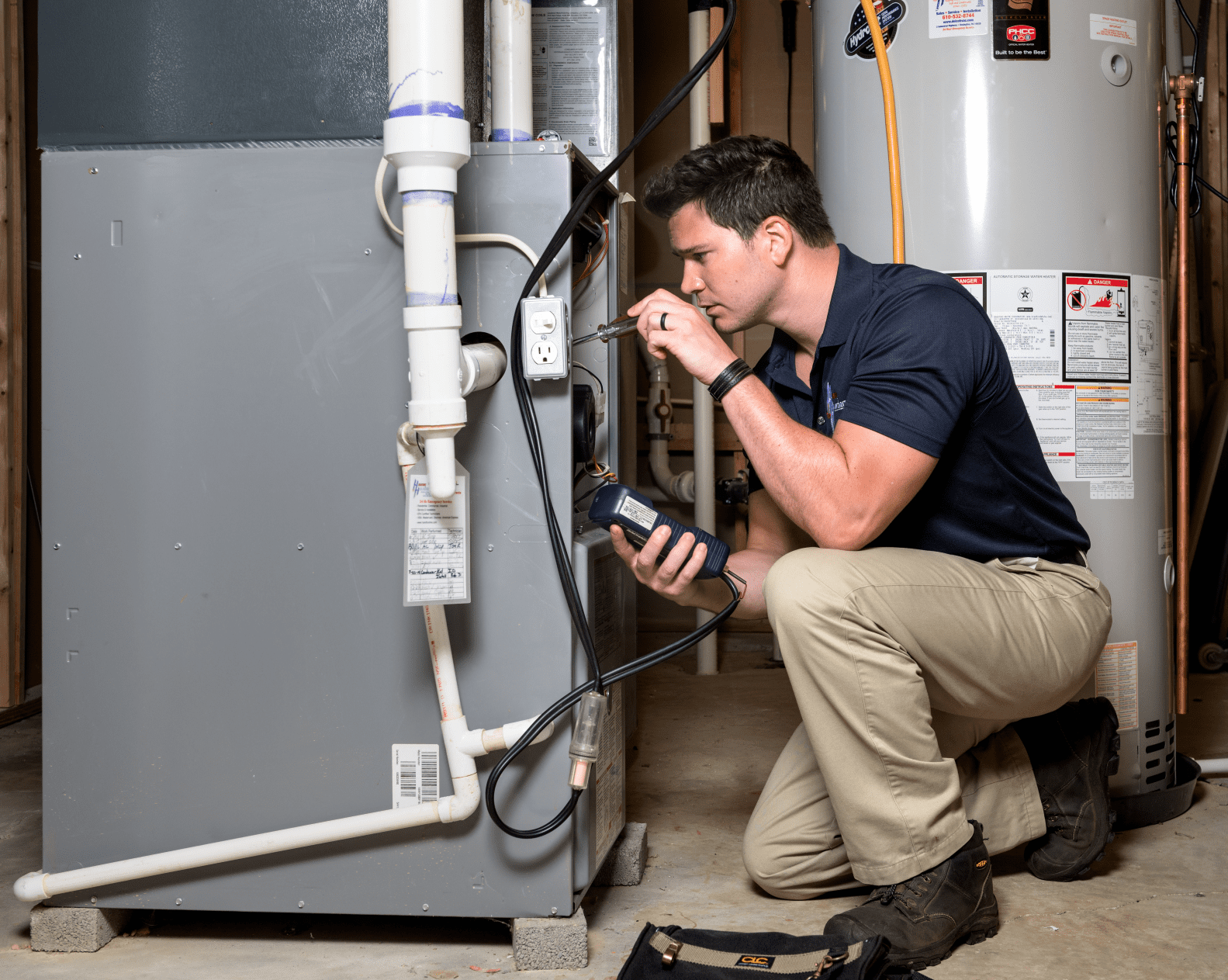
Frequently used tools are combustion analyzers to test flue gas composition, airflow meters to capture supply and return flow in litres per second, multimeters for electrical measurements, infrared cameras to identify heat loss and pressure gauges to evaluate gas line operation.
Technicians deploy them to locate sneaky issues like cracked heat exchangers, obstructed flues, misfiring burners, or diminished airflow from damaged ducts. A combustion analyzer shows carbon monoxide or incomplete combustion, which can turn a repair suggestion into an immediate replacement.
Airflow meters and static pressure tests unveil duct leaks or undersized returns that make a new high-efficiency unit sputter. Comprehensive system commissioning is to comprise start and start-up cycles, safety controls check, leak test and seasonal run.
Ask for a report that includes number readings, faults found, pictures of torn components and clear suggestions. The report should indicate whether failures are one-off or part of a pattern that predicts breakdowns. If one company says to replace and another says to repair, the reports make the difference clear.
- Steps in a professional HVAC diagnostic:
- Furnace/flue visual inspection
- Compare combustion gases with analyzer
- Inspect electrical elements and safety controls
- Calculate airflow and static pressure
- Visually inspect and pressure test heat exchanger
- Conduct temperature rise and full-cycle testing
- Inspect service records and air filter
- Write reports with price arrows
Important Questions
Ask contractors: What is the expected remaining lifespan of this specific unit? What AFUE will a replacement provide? What is the warranty on parts and labor?
Ask for repair versus replacement costs and when they recommend replacement, for example, when repair is more than half of what replacement would be. Inquire about suggested maintenance plans and their cost, and if continuous service contracts come with priority service.
Inquire about installation details: will ducts need resizing or sealing, are permits required, and what is the projected downtime? Inquire about financing and rebates associated with efficiency improvements.
Check installer credentials, insurance, and references for a trusted outcome.
Conclusion
A tired old furnace exhibits obvious, predictable symptoms. Banging and constant tripping indicate major issues. Short runs, high bills and uneven heat all signify the system lost efficiency. Hidden problems such as rust, cracked heat exchangers or carbon monoxide danger increase safety risks. Older units, over 15 years or requiring regular repairs are more expensive. Match the furnace type to home needs and local climate prior to purchase. Have a pro check output, check parts and measure CO.
Now act on the reality! If repairs are more than half the value or if safety fails, replace it. Schedule a licensed tech for a comprehensive check and receive a minimum of two estimates before purchasing.
Frequently Asked Questions
How can I tell if my furnace is beyond repair?
When repair costs more than half of a replacement, it is breaking down frequently, or it is over 15 to 20 years old and losing efficiency and performance, a furnace is probably at the end of its run.
What are the most urgent safety signs to look for?
Urgent signs are more serious, such as consistent gas smells, visible rust or holes in the heat exchanger, pilot light problems, and frequent carbon monoxide detector alerts. Cease use and call a pro as soon as possible.
Can regular repairs extend my furnace’s life?
Yes. Yearly tune ups, small repairs, and cleaning can both extend life and preserve efficiency. Savings decline if repairs are frequent or expensive relative to replacement.
How does furnace age affect my energy bills?
As your furnace ages, it becomes less efficient. An old unit can increase heating bills by 10 to 30 percent over new high-efficiency models. Replacing an old furnace tends to reduce your energy bills each month.
Are there differences in replacement signs for gas vs. electric furnaces?
Core signs—age, rising bills, breakdowns—hold true for both. Gas furnaces have extra safety concerns, such as odor and combustion. Electric units tend to fail more quietly, but they are more expensive to run when inefficient.
When should I call a professional for assessment?
When repairs become frequent, the noise is unexplained, bills continue to rise, safety warnings appear, or your unit is more than 10 years old, it’s time to call a certified HVAC technician for an inspection.
Will replacing my furnace improve indoor air quality?
Yes. Newer furnaces have better filtration and sealed combustion that reduce dust and pollutants. Pair replacement with upgraded filters or air purifiers for the best results.