
Key Takeaways
- Monitor your furnace’s age, condition, and maintenance record. If it’s an old or mistreated furnace, it’s going to quit on you.
- Listen for noise, track your energy bills, check for uneven heating or a yellow flame. Those are the signs of danger that require immediate action.
- Monitor frequent repairs and corrosion. These are usually signs replacement is more economical than continued fixes.
- Pay attention to indoor air quality and watch for exacerbating dust or allergy symptoms, which can be tied back to furnace performance or air filter issues.
- Act quick if you’re having a hard time starting your furnace or encountering safety hazards like carbon monoxide issues.
- Call in an HVAC pro for a full analysis and explore new, efficient furnace alternatives to improve comfort and save in the long run.
Weak heat, odd smells and loud noises are just some of the 9 signs your furnace is about to quit on you. High power bills, uneven warmth, and short cycling frequently indicate larger problems.
Old age or yellow burner flames indicate trouble. Some signs are obvious, others require a bit of sleuthing. Catching these clues early can assist you in scheduling repairs or shopping for a new unit.
They’re all covered in this guide.
The Telltale Signs
There are telltale signs that a furnace is on its way out. Catching these red flags early can help you avoid more serious issues and keep your home cozy throughout the cold season.
1. Advanced Age
While the average furnace lasts 15 to 20 years, some exhibit telltale signs of wear earlier. If your furnace is more than 15 years old, it might be time to say goodbye. Old units or those that have not been properly maintained in the past tend to lose efficiency and break more frequently.
Think about your furnace maintenance schedule. A system on the fritz won’t last as long as one that receives an occasional system check and filter change. Newer models are more likely to meet stricter energy standards, so your older ones might be costing you more to run.
Check for exposed rust or frayed components. These are signs of a soon-to-be-defunct unit.
2. Rising Bills
If your heating costs continue to rise month after month while your usage remains consistent, it’s a clear sign your furnace is working overtime. Compare energy bills against a few years’ worth of bills to detect potential unusual spikes.
A furnace that short cycles turns on and off more frequently and consumes more energy. Usually it’s a dirty filter, but occasionally the issue is more serious. If the furnace is overcompensating because of skipped maintenance, increased bills could be an early warning sign.
3. Unusual Noises
Banging, rattling, or hissing noises usually indicate that something is wrong inside your furnace. High-pitched squeals can indicate blower issues and clanking noises may be an indication of loose or broken components.
These noises very seldom just end on their own. They typically deteriorate and result in significant collapses. Monitor any new or evolving sounds so that you have information to provide your technician.
4. Uneven Heat
Cold spots or uneven temperatures throughout your home can indicate the furnace is struggling to distribute heat where necessary. Sometimes the thermostat was off or mis-programmed.
In others, the furnace may be oversized or undersized for the space. Uneven heat is usually an indication that either duct work or the unit itself requires servicing.
5. Yellow Flame
A normal gas furnace should burn blue. If you glance at a yellow flame, it may be indicative of a combustion issue or carbon monoxide hazard. This is no minor concern and ought to be examined by an expert.
The venting or a malfunctioning burner are typical causes for this telltale sign.
6. Frequent Repairs
If you’re calling out the repairman more than once a year, your furnace is probably toast. Consider the cost of these recurring repairs versus the cost of a new unit.
As far as older systems, if it’s breaking down frequently, replacement is usually the more practical option. Speak with an HVAC professional to assist you in deciding what is best for your situation.
7. Visible Corrosion
Rust and corrosion on your furnace or ductwork may compromise the entire system. Rusty components can fail and possibly contaminate your in-cabin air.
When corrosion is severe, repairs might not suffice. Replacement could be the more prudent choice.
8. Worsening Air
Dust, allergies, or constant sneezing could be connected to a dying furnace. A clogged filter is a typical culprit.
Every now and then, it’s the furnace itself. There are a few telltale signs that your furnace may be contributing to poor indoor air quality.
9. Startup Trouble
Difficulty igniting the furnace could indicate a dying thermostat, electrical issues, or even a decayed ignition system. Tripped breakers or blown fuses are the telltale signs to call someone.
Just like with repeated startup problems, they are a harbinger of imminent breakdown.
Interpreting The Clues
Being able to predict when a furnace is close to going out can prevent unexpected cold snaps and expensive fixes. Some signs are benign, but others signify immediate attention. Catching a few clues all at once makes it that much more urgent to ring in the experts. Deciding which clues matter most allows you to prioritize and plan better for danger.
So first, any indication of a carbon monoxide leak deserves quick response. This gas is colorless and odorless, so if you hear your CO detector or become ill when near the furnace, get out and seek assistance. A different warning indication is in the event your furnace has trouble staying on or short cycling, which means it is turning off and on repeatedly. This pattern strains the system and indicates it may soon conk out.
For a quick check, use this list to spot issues and talk about them with an HVAC contractor:
- Does your furnace require repairs more than annually? If so, it might be less expensive to buy a new one than to keep paying for repairs.
- Is your furnace more than 15 years old? Older units frequently lose power and require additional maintenance. If you find yourself calling for repairs repeatedly, think replacement.
- Are you experiencing large swings in temperature in a room? If certain rooms seem way hotter or colder than others, your furnace might not be distributing warm air properly.
- Do your heating bills spike for no apparent reason? A bang in expenses could imply that the system is compelled to labor more difficult and with much less effectiveness.
- Do you catch whiffs of strange or burnt odors when the furnace operates? A burning smell at the beginning of the season is OK, but new or weird smells can indicate a problem.
- Does your furnace shut off shortly after turning on? Short cycling indicates the furnace may soon break and could indicate a fundamental issue.
- Is the repair bill more than half the cost of a new furnace? If so, it is usually smarter to buy a new model.
Catching these clues early saves you from emergency repairs, which are usually much more expensive and can leave you without heat when you need it most. Proactive maintenance keeps your home warm and secure and can actually save money in the long term.
The Domino Effect
The domino effect appears in various domains of life, from tumbling dominoes in physics to cascading reactions in economics, societal transformation, and even mundane habits. Your furnace is a complicated machine and one single weak link can initiate a domino effect that impacts comfort, expenses, and safety. Once one component of the furnace begins to fail, it can cause a domino effect throughout the entire system.
It blows my mind how much this is like a single missed appointment ruining an entire day’s schedule or one economic crisis rippling through the global markets. Not fixing a small part in time can soon lead to bigger, more expensive trouble.
One little weak link, like a slipping belt or a dirty filter, can put added strain on other components. For instance, a clogged air filter causes the blower motor to strain. This not only consumes additional energy but prematurely wears out the motor.
If the motor burns out, it can then damage the fan or the control board. Similarly, a broken thermostat might not send the correct signals, causing the furnace to overwork or underwork. Before long, what began as a minor sensor problem can turn into an expensive repair or complete failure.
This cascade of issues is the domino effect at work and it usually translates to bigger repair bills and longer heating downtime. Overlooking early warning signs, such as strange sounds, uneven heating, or a spike in your energy bills, can result in a domino effect.
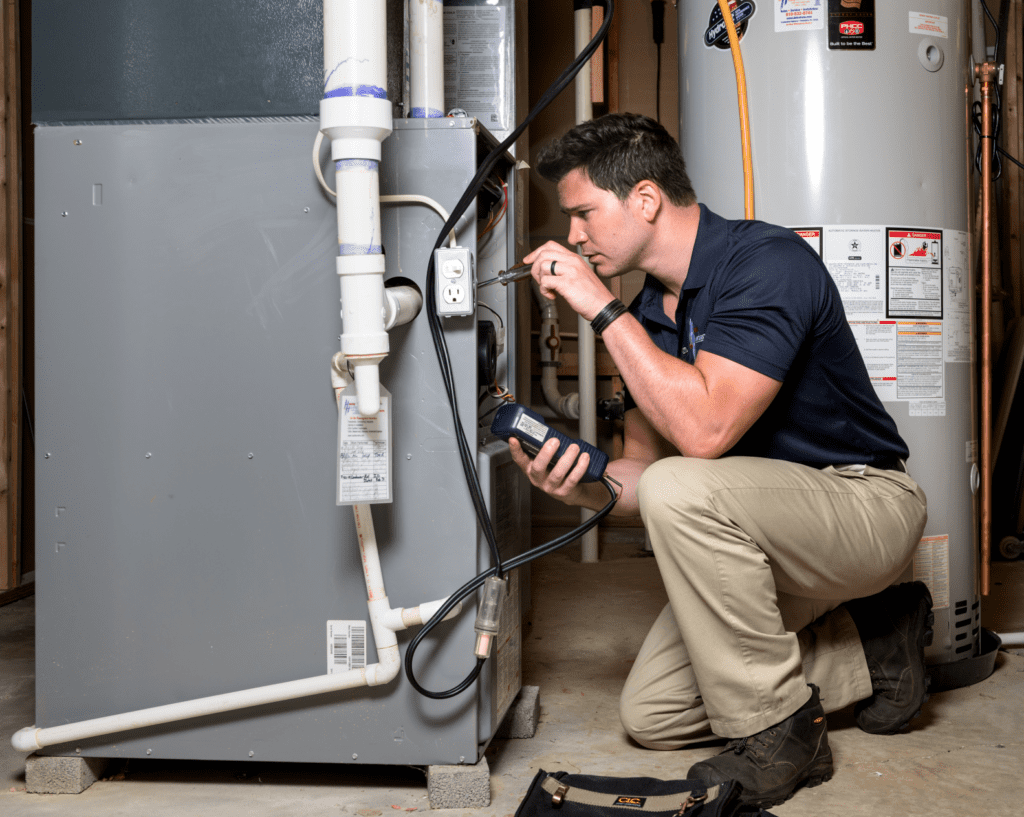
Little fixes are cheaper and simpler to do, but if you leave them alone, they tend to turn into big disasters. Putting it off can imply the furnace runs less efficiently. Just like when a furnace strains to compensate for failing components, it burns more energy.
This not only drives up utility bills, but can endanger the entire system, risking overheating or shutting down. For a lot of families, that translates to more cash out the door and less warmth, particularly in the coldest part of the year.
The domino effect. The long-term costs of waiting too long to replace a failing furnace can be high. Older systems are more likely to break down, and replacement parts can be difficult to source.
The cost of continual repairs often exceeds the price of a new, more efficient unit. An undependable furnace touches the life of every member of the household, particularly the cold-sensitive or infirm.
Your Next Steps
When your furnace is on the verge of giving up, it’s wise to think ahead. Thinking in advance saves you from emergency fees and lets you have more time to consider your alternatives. These steps can walk you through the process, so you’re able to make a well-reasoned decision for your home or workspace.
- List all current problems: noises, odd smells, uneven heat, and rising energy bills.
- Examine the age of your furnace. If it is more than 15 years old and you are experiencing more trouble, schedule a replacement soon.
- Consider your repair history. If you’ve experienced more than one big fix in the last two years, it is smart to consider a new unit.
- Consider if it is cheaper to repair or replace. If a repair costs more than half the price of a new furnace, replacement usually makes sense.
- Maintain a service log. Review it annually to identify trends and aid decision making prior to a crunch.
- Consult a certified heating professional for an inspection. A pro can identify stealth issues and provide recommendations customized for your room, climate and habits.
- Shop new furnaces. Pay particular attention to energy efficiency ratings, such as a high AFUE (Annual Fuel Utilization Efficiency). Smart thermostats, variable-speed blowers and better air filtration are examples of features that can reduce bills and increase comfort.
- Schedule install time. A standard furnace swap runs four to eight hours, so choose a date when you’ll be home and prepare for a brief heat outage.
- Establish a budget for the new system. Most new furnace installs run between $4,500 and $7,500. Costs vary by region, local regulations, and the style or size of the furnace. See if you can receive rebates for energy efficient models or if financing is available.
Deciding to repair or replace your furnace is a huge decision. If you hear new noises, catch odd smells or sudden bursts of heat, don’t wait—get it checked before it breaks down.
Early action allows you to book repairs on your terms and sidestep the hustle and hassle of a chilly house.
Replacement Realities
Furnace replacement is so much more than a swap. It requires foresight, wise decisions, and understanding what’s in store. Most furnaces last 12 to 15 years if they receive regular maintenance, with select premium units firing up to 20 years. Wear is bound to accumulate—metal components expand and contract, fractures emerge, and motors decelerate.
When a major fix runs more than half the cost of a new furnace, it’s time to consider a full replacement. Selecting the appropriate furnace is about more than merely comparing price tags. Replacement realities show that new models have much better AFUE ratings than models built ten years ago. Higher AFUE means the furnace converts more of its fuel into actual warmth in your home, reducing waste and minimizing your monthly bills.
Take, for instance, a new gas furnace — a 95% AFUE unit wastes only 5% of its fuel, compared to 20% or more in old furnace units. Over time, those savings accumulate, making the up-front cost worthwhile in the long run. You have a few main options when picking a replacement: gas, electric, and heat pump systems. Each performs optimally under varying climates and is associated with distinct expenses and installation durations.
Here is a simple breakdown:
| Furnace Type | Typical Install Time | Average Cost (USD) | AFUE Range |
|---|---|---|---|
| Gas | 1–2 days | $2,000–$6,000 | 80–98% |
| Electric | 1–2 days | $1,500–$4,500 | 95–100% |
| Heat Pump | 2–3 days | $3,000–$8,000 | 175–300% (eff.) |
Choosing a quality HVAC contractor is essential. A real pro will size your system correctly, identify any duct issues and ensure the install is up to code. A bad install can cause leaks, lousy air flow and increased bills down the road. Look up reviews, request proof of insurance and always obtain a comprehensible written bid before any work begins.
Search for rebates or perks for energy-saving improvements. A lot of local and national programs will give you cash back or tax credits for converting to high-efficiency furnaces. These deals can reduce your initial expenses and accelerate your new system’s payoff.
It’s preferable to replace a furnace prior to a breakdown, not in the dead of winter! Planning ahead allows you the opportunity to research and compare models, seek out the best deals, and secure the right installer all without the emergency-induced stress or overspending.
Beyond The Machine
A furnace does more than warm your residence. Its efficiency influences your comfort, the air you breathe and your monthly expenses. Good indoor heat lets you work, rest and live well through cold stretches, but aging and struggling units bring uneven heat, dry air and higher bills. When a furnace goes out, the house can drop quickly, jeopardizing the well-being of those vulnerable to the cold, including young children, the elderly and those with existing medical conditions.
Dependable airflow maintains steady, clean air and assists in preventing dust and other particles from circulating throughout your home. Routine maintenance is time and cost well spent. A furnace, with regular inspections and cleanings, can last as long as 20 years. The majority survive somewhere between 12 and 15 years before issues start to appear.
People who adhere to a maintenance schedule, replacing filters, having annual inspections, and addressing minor repairs immediately, experience fewer malfunctions and save on long-term expenses. When a furnace reaches 12 years or more, or if it frequently requires repair, it can often be cheaper to just purchase new. If a repair bill is more than half the cost of a new one, it’s wiser to make the switch.
Installing a new furnace is typically a 4 to 8 hour process, so you’ll want to choose a day without heat. Heating and air conditioning consume huge energy, roughly a sixth of a household’s total and close to 6% of its electricity. Outdated or clogged machines squander power, increasing costs and making your home less green.
New models are more energy efficient. Smart components and controls maintain consistent heat and save you money. Some can link to apps, allowing you to set temperatures or receive alerts if something goes amiss. These upgrades save you cash and reduce your home’s carbon footprint.
Airing concerns matter as much as warming ones. If not well maintained, old furnaces can circulate dust, mold, or fumes. Upgrades such as air purifiers, improved filters, or humidifiers with the furnace can assist in maintaining fresh and safe air. These devices trap tiny particles, reduce skin flakes, and help everyone breathe easier, not just allergy and asthmatic kids.
Conclusion
Old furnaces don’t last forever. Little noises, chilly rooms or expensive bills can hint at major issues to come. Temporary solutions could assist, but they don’t resolve the underlying issue. Too many people let ancient burners grind along and are left with freezing rooms or massive repair expenses. Newer ones use less power and heat rooms faster. Recognizing them early can help you save money and stress. To keep cozy and secure, service your furnace annually and be alert for symptoms. Pass along your own furnace tales to friends. For more information or assistance, contact a local pro. Be prepared and keep your house toasty all winter long.
Frequently Asked Questions
What are the first signs my furnace may be failing?
Odd bangs, uneven warmth and increasing energy costs are all telltale early indicators. If your furnace strains to keep your space cozy, it is time to act.
How often should I have my furnace checked?
Get it professionally inspected at least once a year. It helps to catch a problem before it becomes a big one and it can extend the life of your furnace.
Can a failing furnace affect indoor air quality?
Yes, a broken furnace can blow around dust and allergens and even carbon monoxide. This can wreak havoc in your home and on your health.
Is it better to repair or replace an old furnace?
If repairs are constant or expensive, a replacement may be more economical. Newer furnaces tend to be much more energy efficient, so you’ll save money in the long run.
What should I do if my furnace stops working suddenly?
First, check your thermostat, power supply, and filters. If these check out, call a professional technician for an expert evaluation.
How long does a typical furnace last?
The majority of furnaces last 15 to 20 years with good maintenance. Age, usage, and routine servicing all come into play.
How can I prevent sudden furnace breakdowns?
Keep maintenance up to date, replace filters regularly, and tackle minor issues before they escalate. Preventive care minimizes the chance of surprise breakdowns.