- Home
- Electrical Services
- HVAC Services
- About Us
- Membership
- Projects
- Service Area
- Contact
Need Help? Talk to an expert
- Home
- Electrical Services
- HVAC Services
- About Us
- Membership
- Projects
- Service Area
- Contact

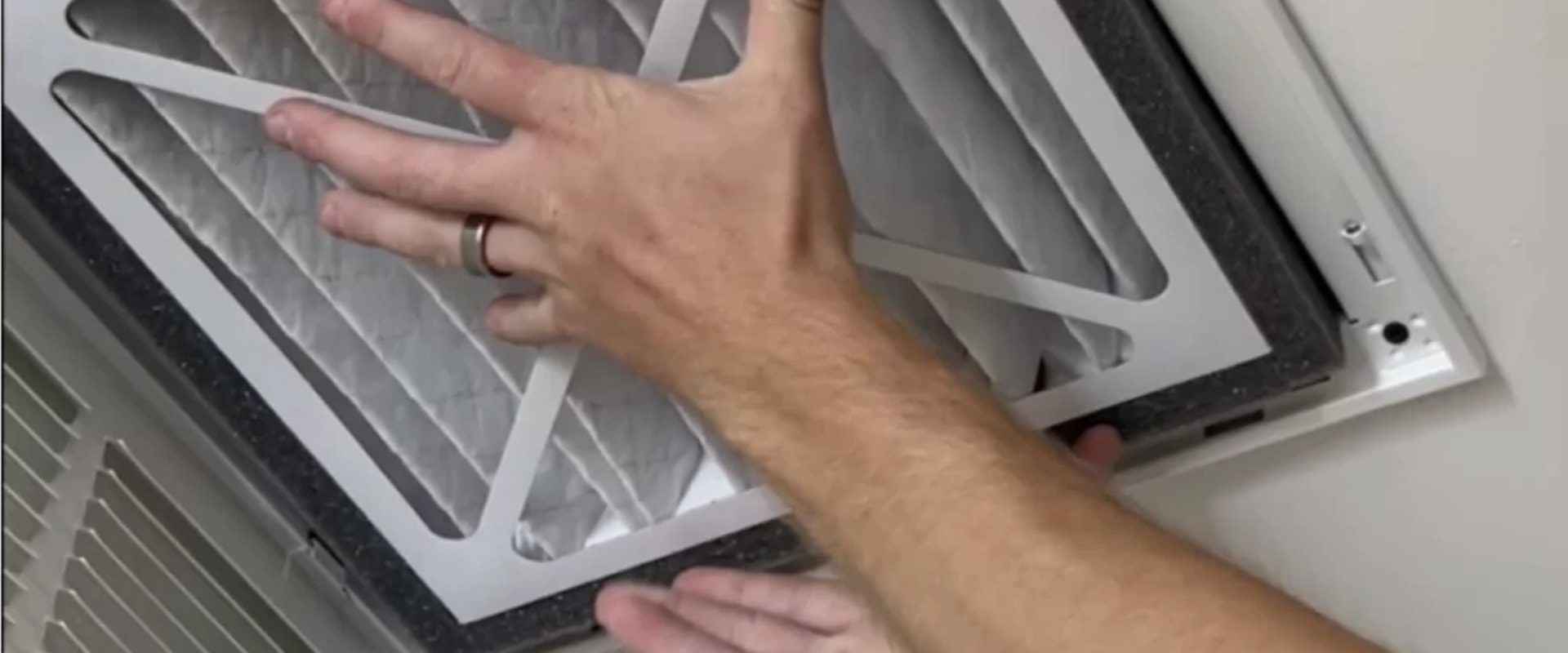
“We upgraded to a media air cleaner last year and the difference is night and day. My wife’s allergies have improved significantly, there’s noticeably less dust on our furniture, and the filter only needs changing once a year. Should have done this years ago!”
— David R., Google
MERV 1-4 (Standard Disposable Filters): Captures large particles like dust, lint, and pollen. Provides minimal protection for indoor air quality. Primarily protects HVAC equipment, not occupants. Found in most homes by default.
MERV 5-8 (Better Residential Filters): Captures smaller dust particles and some mold spores. Moderate improvement over basic filters. Suitable for homes without significant allergy issues. May need more frequent replacement.
MERV 9-12 (Superior Residential Filtration): Captures most pollen, mold, dust mites, and pet dander. Significant improvement for allergy sufferers. Requires compatible HVAC system or media cabinet installation. Excellent balance of filtration and airflow.
MERV 13-16 (Hospital-Grade Filtration): Captures bacteria, smoke particles, and fine dust. Highest level achievable with residential HVAC. Typically requires media air cleaner or bypass installation. Best choice for asthma and severe allergy sufferers.
HEPA (99.97% Efficiency): Captures 99.97% of particles 0.3 microns and larger. Used in hospitals and clean rooms. Requires bypass installation—too restrictive for standard HVAC. Ultimate protection for health-sensitive households.
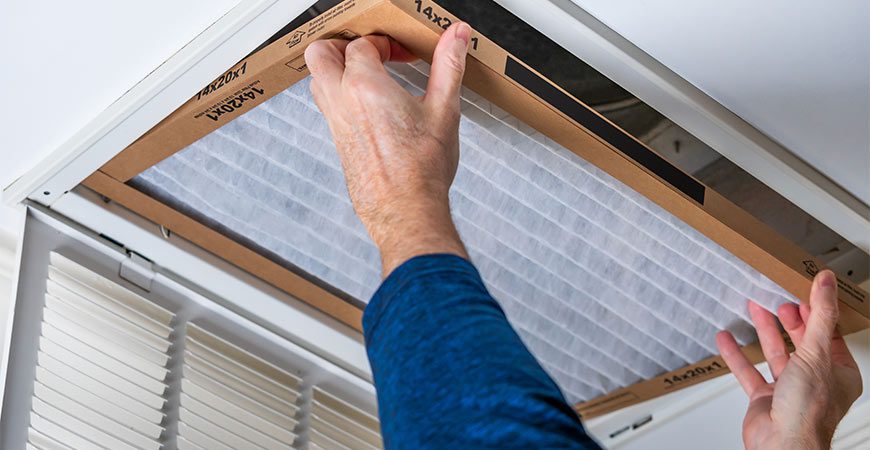
4-5 Inch Media Air Cleaners: These cabinet-style filters replace your standard 1-inch filter with a much larger, high-capacity media filter. The thick pleated media provides excellent filtration (MERV 11-16) while allowing proper airflow. Filters typically last 6-12 months before needing replacement.
High-Capacity Box Filters: Similar to media air cleaners but designed for different installation configurations. These work well in both horizontal and vertical airflow systems and provide excellent filtration with minimal airflow restriction.
Bypass HEPA Filtration Systems: For maximum filtration, bypass HEPA systems pull a portion of your conditioned air through a true HEPA filter before returning it to your ductwork. This approach provides hospital-grade filtration without the airflow restriction of putting a HEPA filter directly in the main air stream.
Electronic Air Cleaners: While technically not “filtration,” electronic air cleaners capture particles using electrical charges rather than physical media. They’re extremely effective and have washable collection cells that never need replacement—though they require periodic cleaning.
Significantly Cleaner Air: Advanced filters capture 85-99% of airborne particles compared to 20-40% for basic filters. You’ll notice less dust on surfaces and cleaner, fresher-smelling air throughout your home.
Allergy and Asthma Relief: By capturing pollen, dust mites, mold spores, and pet dander before they circulate, high-efficiency filtration provides real relief for allergy and asthma sufferers. Many customers report significant symptom improvement.
Longer Filter Life: Media air cleaners and HEPA systems use larger filters that last 6-12 months or longer, compared to monthly changes for basic filters. You’ll spend less time changing filters and save money on replacements.
HVAC Protection: Cleaner air means cleaner HVAC components. Advanced filtration keeps your evaporator coil, blower, and ductwork cleaner, which can improve efficiency and extend equipment life.
Reduced Cleaning: With more particles captured by your filter, less dust settles on furniture, floors, and surfaces. Many homeowners notice they need to dust less frequently after upgrading filtration.
Odor Reduction: Some advanced filters include activated carbon to capture odors from cooking, pets, and household chemicals, leaving your home smelling fresher.
Protection for Sensitive Family Members: Children, elderly family members, and those with respiratory conditions benefit most from cleaner air. Advanced filtration provides an extra layer of protection for vulnerable household members.
Peace of Mind: Knowing you’ve done everything possible to provide clean air for your family gives you confidence that your home is a healthy environment.
Standard 1-Inch Filters:
4-5 Inch Media Filters:
The Bottom Line: While a media filter costs more per unit than a standard filter, you need fewer of them per year—and the health benefits are incomparable. For most homes, upgrading to a media air cleaner is the best balance of cost, convenience, and effectiveness.
Step 1: System Evaluation
We inspect your current HVAC system, measure your ductwork, and assess your filter location. We’ll determine which filtration options are compatible with your setup.
Step 2: Air Quality Discussion
We discuss your specific concerns—allergies, asthma, pets, dust—to understand what you’re trying to achieve. Different problems may call for different solutions.
Step 3: Solution Recommendation
Based on our evaluation and your goals, we recommend the best filtration option. We’ll explain the pros and cons of each choice and provide a clear estimate.
Step 4: Professional Installation
Most filter upgrades can be completed in a few hours. We modify your ductwork to accommodate the new filter cabinet, install the unit, and ensure proper sealing and airflow.
Step 5: System Testing
We verify that your HVAC system operates properly with the new filtration, checking airflow, static pressure, and overall system performance.
Step 6: Maintenance Training
We show you how to check and replace your new filter, set up a replacement schedule, and explain what to expect in terms of performance and longevity.
What is HEPA?
HEPA (High-Efficiency Particulate Air) filters are certified to remove 99.97% of particles 0.3 microns and larger. This includes virtually all pollen, mold spores, dust mites, pet dander, bacteria, and even some viruses.
Why Bypass Installation?
True HEPA filters are too restrictive for direct installation in standard HVAC systems—they would dramatically reduce airflow and strain your equipment. Bypass systems pull a portion of your air through the HEPA filter separately, providing maximum filtration without airflow problems.
Who Benefits Most from HEPA?
Considerations: Higher installation cost than media filters. Filter replacement costs are higher. Requires periodic maintenance. Not necessary for all homes—may be overkill for some situations.
HEPA is the gold standard for air filtration, but it’s not always the right choice for every home. We’ll help you determine whether HEPA makes sense for your situation or if a high-quality media filter would serve you just as well at lower cost.
We’re not committed to any single brand, which means we can recommend the best filtration solution for your specific system and needs—not the product that pays us the highest commission.
Call Now: (732) 575-9245