- Home
- Electrical Services
- HVAC Services
- About Us
- Membership
- Projects
- Service Area
- Contact
Need Help? Talk to an expert
- Home
- Electrical Services
- HVAC Services
- About Us
- Membership
- Projects
- Service Area
- Contact
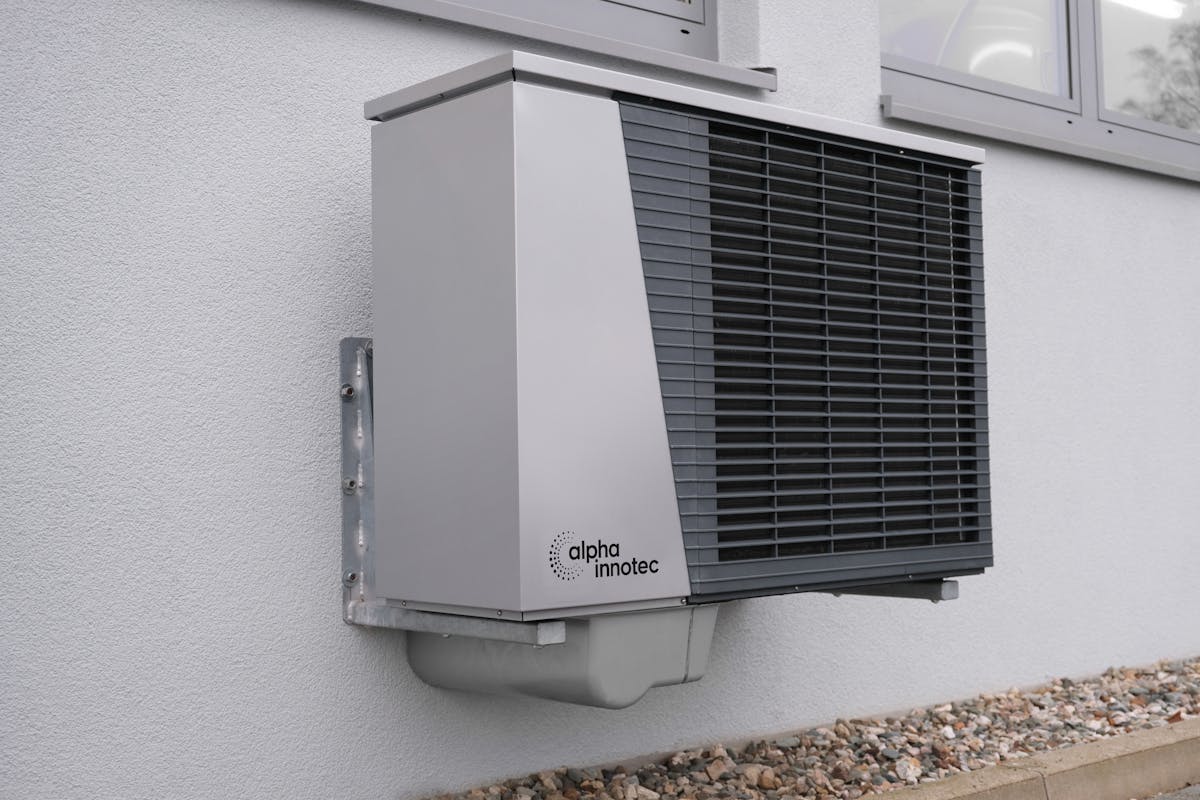
Air-Source Heat Pump Installation
The most common type of heat pump for residential use. An outdoor unit extracts heat from the air to warm your home in winter and reverses the process to cool in summer. We install ducted air-source heat pumps that connect to your existing ductwork, as well as ductless mini-split heat pump systems.
Dual-Fuel (Hybrid) Heat Pump Systems
A dual-fuel system pairs a heat pump with a gas furnace backup. The heat pump handles heating and cooling most of the year, and the furnace kicks in only during the coldest days when the heat pump’s efficiency drops. This combination delivers year-round efficiency with the peace of mind of gas backup heat.
Heat Pump Repair
We diagnose and repair all heat pump problems—reversing valve failures, defrost cycle issues, refrigerant leaks, compressor problems, and control board malfunctions. Heat pump repair requires a technician who understands both the heating and cooling sides of the system. We service all brands.
Heat Pump Maintenance
Regular maintenance keeps your heat pump running efficiently in both modes. Our service includes coil cleaning, refrigerant check, electrical inspection, defrost cycle verification, and performance testing. We recommend twice-annual maintenance—spring and fall.
Heat Pump Replacement
Upgrading an older heat pump? Modern systems are dramatically more efficient, with SEER ratings above 20 and HSPF ratings above 10. We remove your old system and install a new one that takes full advantage of current technology and available incentives.
Rebate & Incentive Assistance
We help you identify and apply for all available incentives—NJ Clean Energy rebates, utility company programs (PSEG, JCP&L), and federal tax credits under the Inflation Reduction Act. These programs can reduce your installation cost by thousands of dollars.
Step 1: Free In-Home Assessment
We evaluate your home’s heating and cooling needs, existing equipment, insulation, ductwork (if applicable), and electrical capacity. We discuss your goals and explain how a heat pump compares to your current system.
Step 2: System Design & Selection
Using heat load calculations, we determine the right heat pump size and configuration for your home. We present options—air-source, dual-fuel, or ductless—with efficiency ratings, features, and pricing. We also identify all available rebates and incentives.
Step 3: Electrical Preparation
Heat pumps require dedicated 240V circuits and adequate panel capacity. We assess your electrical system and perform any necessary upgrades—panel upgrades, dedicated circuits, disconnect switches—as part of the installation. No second contractor needed.
Step 4: Professional Installation
Our licensed technicians install the outdoor unit, connect indoor components (ductwork or air handlers), run refrigerant lines, and make all electrical connections. We follow manufacturer specifications and all local building codes.
Step 5: Commissioning & Testing
We test your heat pump in both heating and cooling modes, verify refrigerant charge, measure airflow, check defrost operation, and confirm thermostat communication. We optimize settings for your home’s specific needs.
Step 6: Rebate Application & Warranty
We help you complete rebate and tax credit applications, register your manufacturer warranty, and walk you through your new system’s operation and maintenance requirements.
Electrical + HVAC Under One Roof
Heat pump installations almost always involve electrical work—dedicated circuits, panel upgrades, disconnect switches. Other HVAC companies subcontract this out. We handle both HVAC and electrical in-house—one company, one permit, one project. This saves you time, money, and coordination headaches.
Cold-Climate Heat Pump Experience
We install and service modern cold-climate heat pumps designed for New Jersey’s winters. We know which models perform best in our climate and how to optimize systems for year-round comfort.
Rebate & Incentive Expertise
We stay current on NJ Clean Energy rebates, utility programs, and federal tax credits. We help you maximize available incentives and assist with applications—ensuring you don’t leave money on the table.
Proper System Sizing
We perform heat load calculations to size your heat pump correctly. An oversized system short-cycles and wastes energy; an undersized one can’t keep up on the coldest days. Proper sizing is critical for heat pump performance.
Comprehensive Service
Installation, repair, maintenance, electrical work—we handle every aspect of heat pump ownership. One phone number for everything.
Local Jersey Shore Experts
We serve Brick Township, including Herbertsville, Laurelton, Lake Riviera, Cherry Quay, Normandy Beach, and communities throughout Ocean and Monmouth County. Heat pumps are particularly well-suited for the Shore’s moderate coastal climate.
Heat pump installation costs vary based on system type (air-source, dual-fuel, ductless), home size, and any needed electrical or ductwork modifications. Available NJ rebates and federal tax credits can significantly reduce your net cost—potentially by thousands of dollars. We provide a free in-home estimate with clear pricing.
Yes. Modern cold-climate heat pumps are engineered to heat efficiently at temperatures as low as -13°F to -22°F, well below New Jersey’s typical winter lows. For extra assurance, we also install dual-fuel systems that pair a heat pump with a gas furnace backup for the very coldest days.
Savings depend on your current heating system and local fuel costs. Homeowners switching from oil or electric resistance heating typically see the biggest savings—30–50% or more on heating costs. Savings vs. natural gas are more modest but still significant, especially with rising gas prices. The EPA estimates heat pumps reduce energy use by 50% compared to electric furnaces and baseboard heaters.
NJ Clean Energy, PSEG, JCP&L, and other utility programs offer rebates for qualifying heat pump installations. Federal tax credits under the Inflation Reduction Act provide up to $2,000 for qualifying heat pump systems. We help you identify all available incentives and assist with applications.
An air conditioner only cools. A heat pump can both heat and cool by reversing its refrigerant cycle. In summer, a heat pump works exactly like an AC. In winter, it extracts heat from outdoor air and moves it inside. This dual function means one system replaces both your AC and furnace.
A well-maintained heat pump typically lasts 15–20 years. Because heat pumps run year-round (heating and cooling), they may have a slightly shorter lifespan than a furnace that only runs in winter. Regular maintenance—twice-annual tune-ups—maximizes your system’s life and performance.
Yes. Ducted air-source heat pumps connect to your existing ductwork, just like a traditional AC and furnace. If your ductwork is in poor condition, we may recommend repairs or replacement to ensure your new heat pump delivers its full efficiency. For homes without ductwork, ductless mini-split heat pumps are an excellent option.
A dual-fuel system combines a heat pump with a gas furnace. The heat pump handles heating and cooling during most of the year, and the gas furnace automatically takes over only during the coldest periods when the heat pump’s efficiency drops below a set point. This gives you the best of both worlds—heat pump efficiency plus gas backup for extreme cold.