
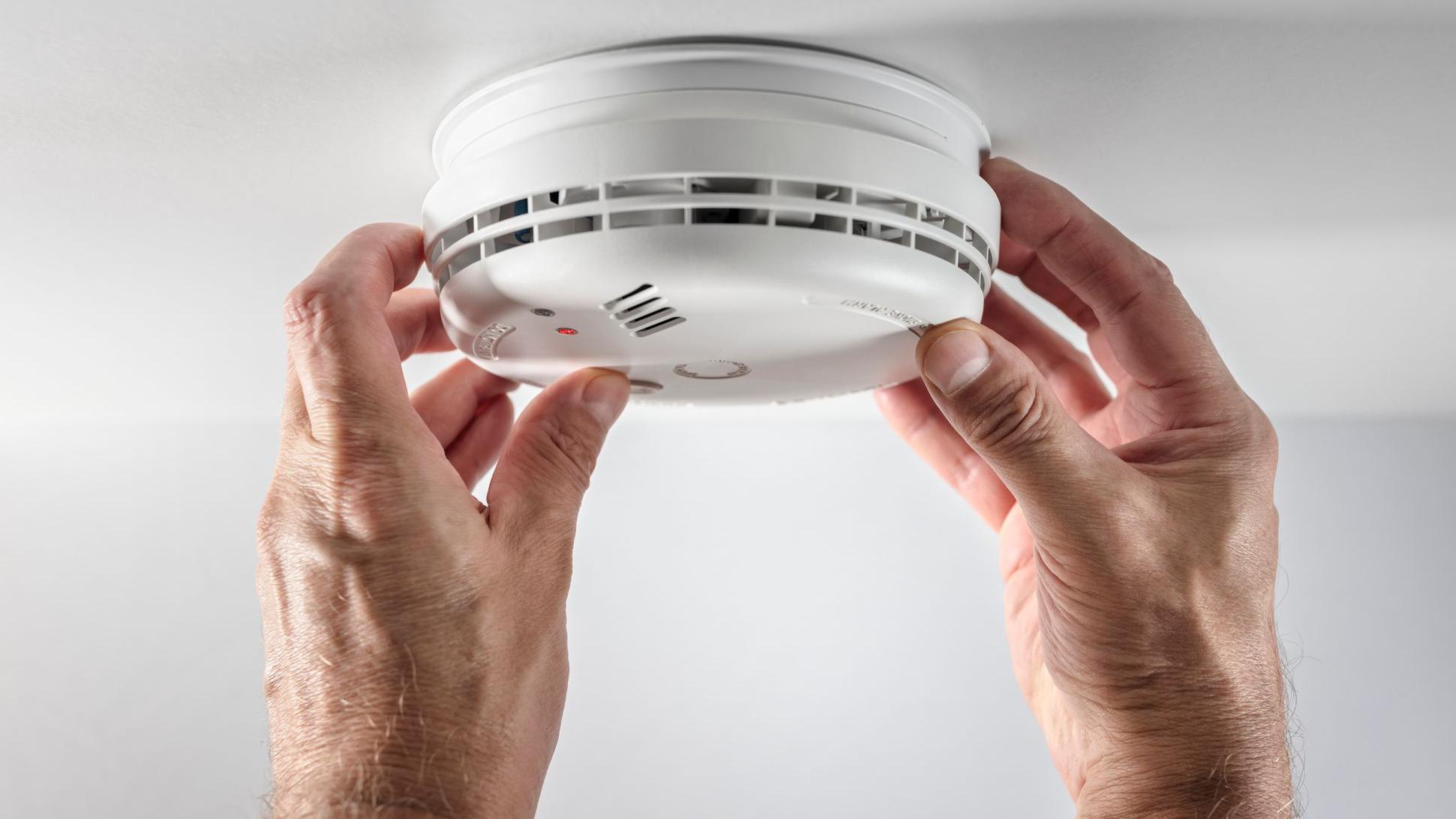

Key Takeaways
- Install smoke detectors in all bedrooms, common hallways, living rooms and a minimum of 3 meters away from cooking appliances to minimize false alarms and maximize early detection.
- Place carbon monoxide detectors near bedrooms and on every level of your home, particularly near fuel burning appliances.
- Opt for UL-listed or certified alarms. Don’t overlook combo units that cover both smoke and carbon monoxide for simplified safety.
- Test alarms monthly, change batteries when required, and adhere to manufacturer recommendations for placement and upkeep to keep them effective.
- Don’t make common mistakes like blocking alarms with furniture or positioning them near vents, windows or high-humidity areas. All of these can impede performance.
- Keep up to date on safety codes in your area, embrace interconnected or smart alarms if feasible, and engage the entire household in periodic safety checks and education.
Smoke detector and carbon monoxide detector placement refers to choosing the optimal locations in a residence for detecting smoke or gas at an early stage.
Most guides recommend installing smoke detectors on each level, near bedrooms and in hallways. Proper placement makes them more effective.
For carbon monoxide detectors, general recommendations are to place them outside of bedrooms and away from windows and vents. Discover where to place each for optimal safety.
Strategic Placement
Strategic placement of smoke and CO detectors keeps homes safe. Local building codes might establish the floor, but best practices go a long way to making sure every region is covered. Below is a list of key areas where smoke detectors should be installed for best coverage:
- Sleeping areas—both inside each bedroom and nearby hallways
- Common hallways—especially those leading to bedrooms
- Living spaces—family rooms, dens, or large gathering areas
- Kitchen perimeters—at a safe distance from cooking appliances
- Basements and attics—close to fuel-burning appliances, if present
Mount detectors on ceilings or high on walls, several feet away from vents, windows, or ceiling fans to prevent false alarms. Keep alarms a minimum of 10 to 20 feet from cooking appliances and one detector on each level for optimal coverage. For rooms with pitched ceilings, install detectors within 90 cm of the peak but not at the very top. For wall-mounted alarms, position them no more than 30 cm from the ceiling.
1. Sleeping Areas
Put smoke detectors inside every bedroom and in adjacent hallways, so that it can alert people during emergencies quickly even at night. Carbon monoxide detectors should be installed no further than 4.5 meters from sleeping areas to maximize the likelihood of early warning. Don’t place alarms directly above beds, as thermal updrafts from occupants or heaters will cause nuisance alarms.
Test alarms in bedrooms once a month and replace batteries as necessary. This helps ensure alarms function when people need them most.
2. Common Hallways
Install smoke detectors in bedroom hallways so smoke doesn’t go undetected. Place alarms up high on walls or on the ceiling as smoke rises rapidly. Hardwired interconnected alarms are effective—when one goes off, they all go off, so you can wake multiple people in different rooms simultaneously.
Strategic placement in hallways is important; keep them clear and convenient so alarms are accessible for testing or maintenance.
3. Living Spaces
In living rooms or dens, place smoke detectors away from windows and air vents to reduce false alarms. Make sure to test your alarms regularly and switch out batteries to keep them functional. Combination detectors in these rooms allow a single unit to detect both smoke and carbon monoxide.
This conserves space and creates an additional layer of protection.
4. Kitchen Perimeters
Smoke detectors located in proximity to kitchens are required to be a minimum of three meters from cook tops, ovens or grills. Having them any closer might cause frequent false alerts from steam or burnt food. Consider putting in a heat alarm instead that only responds to high heat.
Ensure alarms are not blocked by cabinets or doors so they can be easily accessed for inspection. Have everyone in the house know where kitchen alarms are and why they are there!
5. Basements and Attics
Strategic placement is important because basements and attics can hide hazards, so place smoke detectors there as well. Install carbon monoxide alarms in the vicinity of furnaces or heaters. Detectors should be high on the wall or ceiling for quicker detection.
Dust and debris accumulate in these spaces, so inspect and clean alarms regularly.
Alarm Technology
Smoke and carbon monoxide alarms are available in several different types of technology, with each type having its own advantages and applications. Selecting the proper system boils down to understanding the technology, placement, and upkeep.
The table below lists core technologies for both alarm types:
| Technology | Smoke Alarm | Carbon Monoxide Alarm | Features |
|---|---|---|---|
| Ionization | Yes | No | Fast flame detection |
| Photoelectric | Yes | No | Slow, smoldering fire detection |
| Electrochemical | No | Yes | Sensitive CO gas detection |
| Metal Oxide | No | Yes | Long-term CO monitoring |
| Combination Unit | Yes (combo) | Yes (combo) | Dual hazard detection |
| Hardwired | Yes | Yes | Linked to home power, backup battery |
| Battery-Powered | Yes | Yes | Flexible placement, replaceable battery |
| Plug-in | No | Yes | Easy to install, portable |
Make sure to choose UL-listed alarms. Combination units help simplify hazard detection. These days, we do not always need to rely on traditional hardwired systems to feel secure in our own homes.
Smoke Alarms
Smoke alarms come in various types, each with unique features.
| Type | Features |
|---|---|
| Ionization | Senses fast flames, more false positives |
| Photoelectric | Detects smoldering fires, fewer false alarms |
| Dual-Sensor | Both ionization and photoelectric |
| Interconnected | All alarms sound together |
| Hardwired | Powered by home, backup battery included |
| Battery-Operated | Flexible, needs regular battery changes |
Install smoke alarms on ceilings or walls within 30 cm of the ceiling, as per manufacturer instructions. Install them 1.5 to 4.5 m away from fuel-burning appliances to prevent nuisance alarms.
Check all units monthly. Change older alarms every 10 years. For battery models, check weekly and change batteries yearly.
Interconnected alarms provide that extra level of protection by sounding an alert to everyone in the home simultaneously, regardless of whether the threat is in the kitchen, basement, or hallway.
CO Alarms
Carbon monoxide alarms are a must for this odorless, toxic gas. Only CO alarms can detect carbon monoxide; smoke alarms can’t.
Place CO alarms on each level and in close proximity to bedrooms for optimal protection. Install them a minimum of 1.5 to 4.5 meters away from combustion appliances.
Test CO alarms weekly. Follow the manufacturer’s instructions on when to replace units, which is often every 5 to 7 years. Change batteries yearly for battery-powered models.
CO alarms operate efficiently between 4 degrees Celsius and 38 degrees Celsius. CO poisoning symptoms are headache, dizziness, and weakness. Know these symptoms so you can move quickly if your alarm sounds.
Combination Units
Combination smoke and carbon monoxide alarms provide two-in-one protection. They economize space and decrease installation locations.
Place these units in bedrooms, family rooms, and the main living area for optimal coverage. For combination units, test both sensors to be sure they work.
If you do opt for these models, select ones with distinct voice or tone warnings for each hazard. Mount at proper heights on ceilings or high on walls, not in corners.
Choose UL-listed units and consult the manual for additional functionality, such as smart home connections or mobile notifications. Combination units are available as hardwired or battery for more flexibility.
Placement Errors
LIST errors—where they put their in-house smoke and carbon monoxide detectors. These mistakes that a lot of people make can undermine the devices’ work or leave some rooms less secure. Little mistakes pile up and make the alarms less useful when there’s real peril. These errors are usually quick to repair once you know what to look for.
About: Placement mistakes are the most common, being positioning smoke detectors too close to kitchens, often less than 3 meters (10 feet) from stoves, causing numerous false alarms from steam or burnt food. Hiding detectors behind curtains, doors or furniture obstructs airflow and prevents smoke from reaching the sensor. Installing alarms just on a single floor or missing bedrooms altogether leaves certain individuals susceptible to not hearing warnings during the night. Leaving out carbon monoxide detectors in homes with gas heaters, fireplaces or garages is a huge safety omission.
Placement Mistakes Mounting them directly above air vents, windows or fans allows drafts to blow smoke or gas away from the detector before it can sense it. Ignoring modifications in the room configuration or utilization, such as new furnishings, room dividers or appliances, can transform a good placement into a bad one as time passes. Ignoring the ‘one to three meters’ rule for CO detectors places them either too close or too far from probable emitters, potentially resulting in warning delays.
Ceilings or high walls are the ideal locations for smoke detectors, as smoke rises to those points first. Devices should be placed on the ceiling or up to 30 centimeters (12 inches) down the wall, away from corners, vents, or windows. For kitchens, position the alarm a minimum of 3 meters (10 feet) from cooking appliances to reduce false alarms. For multi-level homes, install at least one smoke detector on every level and every sleeping area should have its own alarm so that everyone hears it in the event of nocturnal smoke buildup.
Carbon monoxide detectors are more effective if they are 1 to 3 meters (3 to 10 feet) from a source, like the garage entry or gas heater, but not immediately adjacent. Put them at head level so they capture CO in the air where humans breathe. For all varieties, steer clear of areas shadowed by cabinets, bookcases, or bulky curtains.
Control panels and manual pull stations require unobstructed, convenient access. Panels require 91 centimeters (36 inches) of open space in front and pull stations should be positioned 107 to 122 centimeters (42 to 48 inches) from the floor for immediate access.
These periodic inspections ensure that detectors stay in their optimal location even if you rearrange furniture or repurpose the room. A combination of smoke and CO detectors, properly located and tested, provides the optimal opportunity for advance notice.
Environmental Impact
The environment within and surrounding a structure informs the effectiveness of smoke and CO detectors. Smart streetlights require careful positioning for each to respond quickly to hazards. Several key environmental features can affect alarm accuracy and reliability:
- Drafts from windows, doors, or vents can result in false alarms or delayed detection.
- Excessive humidity, particularly in bathrooms and kitchens, can affect sensors.
- Attic, garage or basement temperatures could affect alarm operation.
- Particulates from cooking, dust or aerosols could cause false triggers or block sensors.
- Direct sunlight or steam will interfere with sensor operation and shorten its life.
Airflow
Airflow in a home can alter the direction that smoke or gas travels. Air drafts from open windows, fans, or vents can blow smoke away from an alarm or cause carbon monoxide to circulate unevenly. Installing alarms too close to these sources can result in hazards being missed or false alarms.
Preferably, mount detectors a minimum of 1 meter from air vents and windows. Fans or air purifiers may help, but they should not blow directly onto the device. Periodically test rooms for air dead zones, into which smoke or carbon monoxide may drift and remain. Relocating detectors away from drafty spots reduces nuisance alarms and guarantees greater coverage.
Humidity
High humidity is an issue for smoke detectors, particularly ionization varieties. Bathrooms and kitchens frequently generate steam, which can trigger false alarms. Don’t install detectors there unless you opt for humidity-resistant ones.
Other alarms are designed to be more moisture resistant and can work nicely in laundry rooms or near showers. Wipe the units every so often to keep dust and water buildup from the sensors. Tracking the humidity with a basic meter allows you to know if the air becomes too moist for secure alarm usage.
If you need to place an alarm near a wet area, ensure it is designed for that purpose and heed the manufacturer’s advice for maintenance and care.
Temperature
Smoke and carbon monoxide detectors require consistent, moderate temperatures to function properly. Spaces such as attics, garages, or rooms adjacent to heaters can become too hot or too cold. These extremes can damage the sensors or delay their response.
Always verify the maker’s stated temperature range before you purchase or install a unit. Do not set alarms near heat registers or air conditioners, as temperature swings may cause malfunction.
Test alarms frequently, at least weekly if they’re battery-operated, to ensure abrupt cold or heat hasn’t frozen them up. Replace smoke detectors every 10 years and replace carbon monoxide and gas leak detectors about every five years since sensors degrade over time.
Each alarm type has a specific function, so select locations and units according to their specialized functions around the house.
Interconnected Systems
Interconnected systems like smoke and carbon monoxide detectors sound all linked alarms in a building when any one of them is triggered. This arrangement creates a consolidated alert system. This is nice for multi-level homes or larger spaces, where a single alarm’s sound may not carry everywhere. If smoke begins in a far corner or carbon monoxide leaks in a basement, the warning blares on every alarm. This increases the likelihood of early detection and provides individuals more time to take action.
A crucial component of configuring connected alarms is ensuring that all devices communicate seamlessly. Not all smoke or CO detectors connect. You should check that alarms are designed to interconnect and use the same protocol to communicate with one another. Some alarms utilize wires, while others use wireless signals. Mixing types that do not match can cause false alarms or coverage gaps. Rereading the manufacturer instructions or consulting a pro prevents these issues.
Certain systems are easy to install yourself if you’re handy, but more involved configurations, such as those that bury wires in the walls, will require a professional installer. For example, jointly testing interconnected systems on a regular schedule is a must. We should check all alarms at least monthly. This is hitting the test button on one alarm and expecting every other alarm in the system to go off as well.
If one doesn’t go off, it could be that the link is severed or the batteries need changing. Periodic inspections assist in detecting and repairing these issues prior to a catastrophe. Cleaning alarms and replacing batteries annually keeps the system humming. Training is the other side of home defense. Everyone in the house should know how the interconnected alarms work.
Everything going off can be disorienting, so you need clear, immediate plans for what to do next. Remind everyone of where to go and what to do if they hear the alarms. Training makes individuals react rapidly and maintain composure. Certain interconnected systems can connect with other safety devices, such as fire extinguishers or emergency lights. This provides means of security and can fit into an overall home safety strategy.
Beyond The Basics
Smoke detector and carbon monoxide detector placement is about more than just checking the rule boxes. It’s about thinking through what makes your home special, making purposeful modifications during transitions, and leveraging technology and good habits to protect each other.
Each type of alarm has a different purpose. Smoke alarms are for fires, while carbon monoxide detectors are for a colorless, odorless gas. They both require particular attention regarding where and how they’re installed.
- Install carbon monoxide detectors on the wall roughly 1.5 meters above the floor because carbon monoxide is lighter than air and can float up with warm air.
- Install alarms in or near bedrooms and common living areas on a wall between 15 cm below the ceiling and 15 cm above the floor.
- Keep alarms a minimum of 1.5 to 4.5 meters away from fuel-burning appliances to prevent false alarms.
- If you’re only using one alarm, place it in the master bedroom or the hallway outside the bedrooms.
- For ceiling mounts, place the alarm a minimum of 15 cm from the wall.
- Keep in mind, heat alarms don’t do well in unfinished attics, where temperatures tend to rise above safe operating temperatures.
- Test battery-operated detectors weekly and replace the battery at least once a year for optimal performance.
Renovations
Renovations can alter the flow of fire and gas through a home. Every time you remodel, see if the existing alarm set-up still meets safety recommendations. If you’re adding new rooms or finishing a basement, that means more rooms to cover, so you might need additional alarms in these new areas.
Consulting with professional installers can help make sure alarms are situated where they’ll be most effective. Experts understand the current construction codes and security measures.
As your layouts shift, the type and placement of alarms may have to shift as well, especially if you add new appliances or rooms.
Smart Homes
Intelligent alarms can connect to your home network for enhanced safety. They notify your phone if something’s amiss, even if you’re away. Most smart alarms work with apps, allowing you to test or silence them from your phone.
Certain smart alarms can integrate with other elements of your smart home system, such as lighting or cameras. Just be sure that any new alarms complement your existing system.

Those are basic — you should keep your software up to date because updates fix bugs and close security gaps. Smart alarms can provide added comfort if you travel frequently or have an occupation that keeps you from home for long stretches.
Human Behavior
People contribute greatly to safety. Everyone in the house should understand the why and how of alarms. Discuss where detectors are located and when they need to be tested.
Have each one of them assist with the monthly alarm checks. Demonstrate how to react if the alarm sounds, so no one freaks out. Frequent safety discussions make fire and carbon monoxide awareness a priority.
When family members know why alarms are placed and maintained, they will take it seriously.
Conclusion
Well positioned smoke and carbon monoxide detectors protect our homes and offices. Installing alarms in every bedroom, throughout hallways and adjacent to kitchens aids in identifying danger swiftly. Mounting them on ceilings or high on walls works best. When using interconnected alarms, the warning sounds throughout the home. Easy things such as keeping alarms away from vents and windows reduce false alarms. Choosing alarms with both smoke and gas sensors provides additional protection. Testing alarms frequently and replacing batteries annually keeps them functioning properly. For additional tips or safety tech updates, see trusted sites or local fire services. Be conscious and ensure your alarms suit your area and requirements.
Frequently Asked Questions
Where should I place smoke detectors in my home?
Smoke Detectors – Make sure you have them on every level, inside bedrooms and outside sleeping areas. Install them on ceilings or high on walls, away from corners. This provides early detection and rapid alarms in the event of a fire.
What is the best location for carbon monoxide detectors?
Install carbon monoxide detectors outside of each sleeping area and on every level. Place them a minimum of 1.5 meters above the ground and away from fuel-burning appliances. This positioning assists in detecting harmful gas levels rapidly.
Can I install smoke and carbon monoxide detectors together?
Yup, they make combination detectors. Place them according to smoke and carbon monoxide detector recommendations. Be sure to read the manufacturer’s instructions for placement specifics.
What common mistakes should I avoid when placing alarms?
Don’t place alarms near windows, doors, fans, or vents. These locations may result in inadequate air flow, which can cause missed detection or false alarms. For best results, always follow manufacturer instructions.
How do environmental factors affect detector performance?
High humidity, steam, dust or chemicals can cause false alarms or reduce effectiveness. For dependable operation, position detectors in clean, dry areas, away from kitchens, bathrooms and garages.
Are interconnected alarm systems more effective?
Absolutely, interconnected alarms notify the entire home when one senses danger. This enhances response time and safety, particularly in larger or multi-storied houses.
How often should I test and maintain my detectors?
Test detectors monthly, and replace batteries at least once a year. Change the whole unit every 7 to 10 years or as per the manufacturer’s recommendations.