
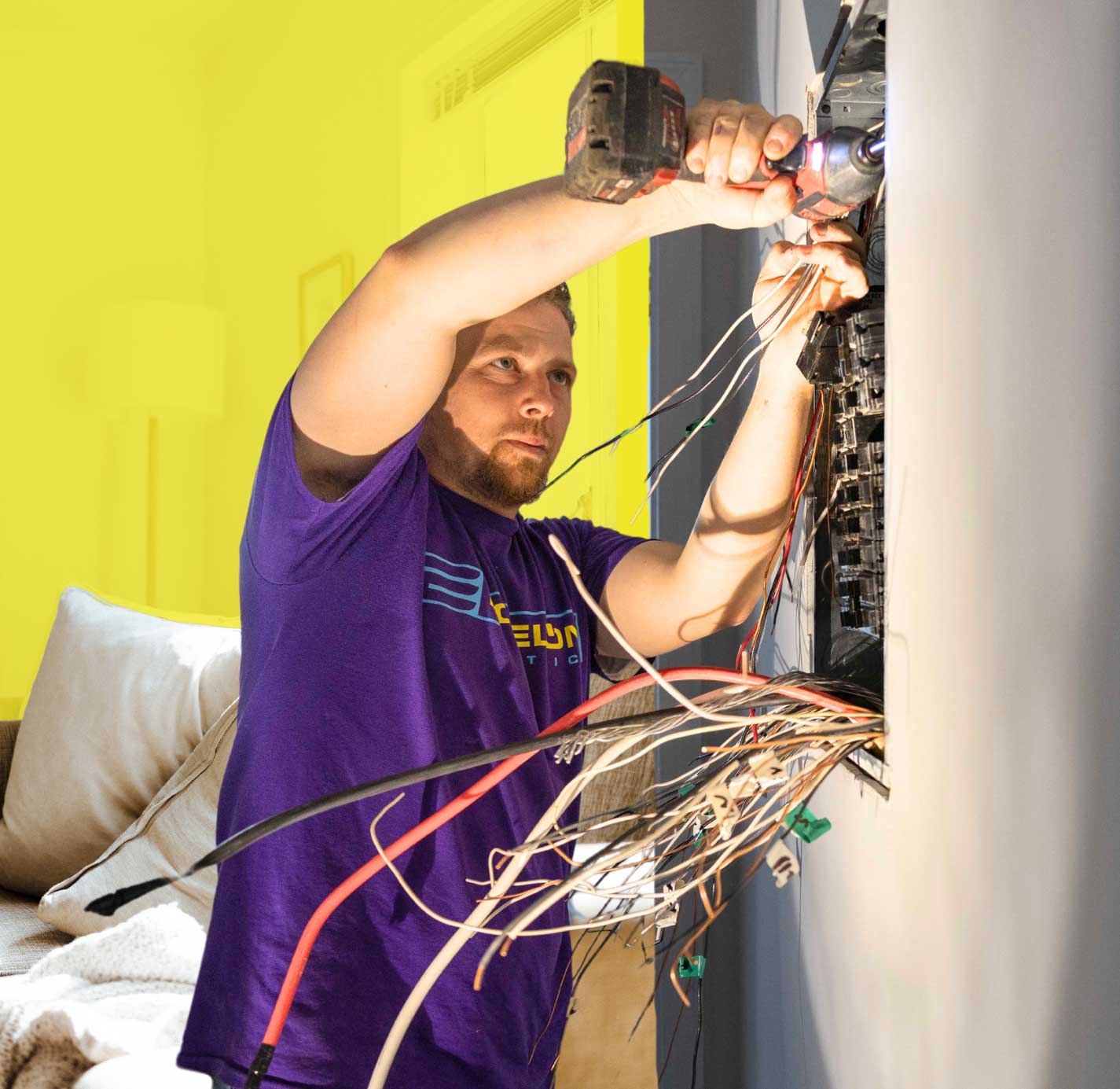

Key Takeaways
- Dedicated circuits supply appliances with a consistent, safe source of power that is less likely to overload.
- They want to keep the circuit in accordance with NEC and local code.
- Taking stock of your existing electrical situation and conducting an appliance audit can help you identify the need for dedicated circuits and prevent potential hazards.
- A little bit of planning, a lot of safety considerations, and some expert input can go a long way toward efficient circuit installation and reliability down the road.
- Whether through smart circuits or planning ahead with dedicated circuits for future appliances, such planning can help optimize home energy usage and adaptability.
- By steering clear of frequent blunders like undervaluing amperage necessities or utilizing outdated components, you assist guarantee secure and effective electrical upgrades.
Dedicated appliance circuit means to dedicate a circuit to an appliance, like a refrigerator or washer. This prevents overloads and maintains major appliances operating securely and stably.
Most houses already have dedicated circuits for heavy-duty gear to code. To be sure what you need and how to proceed, consult your local codes and use the proper wire size for each task.
Circuit Fundamentals
About circuit fundamentals A dedicated circuit is, as you might expect, an electric circuit designed to supply one device alone. It doesn’t compete for power with devices throughout your house, so the appliance receives all the power it needs. These dedicated circuits are crucial for avoiding overloads and electrical fires, particularly for high-demand appliances. NEC rules are a must since they ensure that every circuit is safe and code-compliant in any environment.
The Concept
A dedicated circuit pairs its wiring and breaker to the requirements of one appliance only. For instance, a heavy-duty oven or AC unit may require a 40 to 50 amp circuit, while smaller appliances such as refrigerators and microwaves typically utilize 15 to 20 amp circuits. Each of these circuits has its own breaker in the main electrical panel, isolating the appliance from the rest of the home’s electric system.
Common trunk lines are capable of servicing a multitude of apparatus simultaneously. This can lead to issues when too many devices run in unison, tripping the breaker. Dedicated circuits avoid this by providing a single obvious path for current, so only the specific device pulls power. This reduces nuisance tripping and maintains power levels.
Appliances today are made to burn more power, from washers to dishwashers and dryers. Specialized circuits ensure these machines operate at their peak with consistent and secure power distribution.
The Benefit
Special-purpose circuits reduce the risk of electrical fires by preventing overloads. They extend the life of appliances because the power supply remains stable. It doesn’t spike or dip as other devices are activated in the vicinity.
As new appliances consume more electricity, dedicated circuits keep pace with these increasing demands. They further reduce energy loss by maintaining a smooth load on the electrical current.
Key benefits of dedicated circuits:
- Lower risk of electrical fires
- Better appliance performance and lifespan
- Fewer nuisance breaker trips
- Safer operation for high-wattage appliances
- Energy efficiency through steady power delivery
With a stable power supply, your appliances operate with less stress. They consume energy more efficiently.
The Requirement
Homes require circuits for high-wattage appliances, like ovens, dryers, A/Cs and washing machines. The NEC mandates these configurations to maintain safety in residences. These amps are specific to the appliance and the wiring is matched to each rating for safety reasons.
| Appliance | Amperage Rating | Wire Gauge (mm²) |
|---|---|---|
| Refrigerator | 15–20 A | 2.1–3.3 |
| Microwave | 20 A | 3.3 |
| Dishwasher | 15–20 A | 2.1–3.3 |
| Oven/Stove | 40–50 A | 8.4–13.3 |
| Washing Machine | 20 A | 3.3 |
| Dryer | 30 A | 5.3 |
| Air Conditioner | 20–50 A | 3.3–13.3 |
When your appliances don’t have their own circuit, overheating and breaker trips become commonplace. This can harm the appliance itself and the wiring, which increases the fire risk.
Assessing Your Need
Adding a dedicated circuit is not only about powering more things. It’s about making sure your electrical load can keep up with your home and stay safe. Most appliances, particularly high-power ones, draw a large amount of current and can overload shared circuits.
To check if you need dedicated circuits, you’ll need to consider your home’s configuration, your appliance habits, and your electrical panel. By adhering to the NEC and manufacturer guidelines, you’ll steer clear of dangers such as tripped breakers or electrical fires.
Overload Signs
Overloading a circuit can manifest itself in multiple ways. Sometimes, you’ll experience random buzzing or humming from outlets or devices. You may feel warm wall outlets or smell a subtle burning odor.
Flickering lights, particularly when a big appliance kicks on, may be a hint. If your breaker trips frequently, that’s another important signal that the circuit is overloaded.
- Flickering or dimming lights when appliances run
- Outlets or switches that feel hot or look scorched
- Frequent circuit breaker trips, especially with high-power devices
- Unusual buzzing, crackling, or humming from outlets
- Smell of burning plastic near outlets or switches
Don’t hesitate if you see these signs. Act immediately to repair the problem because continuing electrical strain can result in damage or fire.
Appliance Audit
Begin by taking an inventory of all the appliances in your house, large and petite. Note their make, model, and wattage on the product label or user manual. Major appliances, such as ovens or dryers, usually require their own circuit.
Larger appliances, like your toaster or blender, tend to have shared circuits but can still trip breakers if used in tandem. Sort your list into two groups: major and minor appliances. Look at each one’s power requirements and match them up to your circuits’ amperage.
- List all the appliances and devices in your home and identify each one’s watt or amp requirement from the label or manual.
- Split them into two groups: major (fridge, oven, AC, washer, dryer) and minor (microwave, toaster, coffee maker, hair dryer).
- Check the circuit’s current amperage, which is usually 15, 20, or 50 amps, and whether it fits the appliances.
- Count the number of appliances in each room. More built-ins or high-power gadgets might require additional circuits.
If you have appliances operating simultaneously and pulling more current than the circuit can handle, a dedicated line is a smart solution.
Panel Inspection
A secure install begins at your electrical panel. Seek out years, rust, loose wires, or faded stickers. Ensure your panel has sufficient free spaces for a new breaker.
Every dedicated circuit requires its own breaker, so panel space is at a premium. Test with a volt tester to be sure circuits are live and working right. This step keeps you from screwing up down the line.
If your panel’s close to its limit, or if you notice evidence of damage or missing labels, have a licensed electrician inspect it before you install new circuits. The panel has to accommodate the load from all your appliances, particularly if you’re introducing an oven or AC units.
Installation Blueprint
Installing a dedicated circuit is literally providing an appliance its own road to power, with its own breaker in the panel. This prevents an oven, fridge, or dishwasher from co-sharing power and reduces chances of overloads or breaker trips. Dedicated circuits are necessary for these heavy-use appliances, particularly in homes constructed years ago that might not accommodate today’s demands.
Planning means more than wires; future needs, safety, and compliance all count.
1. Project Planning
- An explicit schedule keeps day-to-day life on track. Schedule when power is off and which rooms so you can work hassle free.
- About Installation Blueprint This means breakers sized for the appliance, wire of the correct gauge for the load, outlets that are standard or 240V for things like ovens, conduit, mounting hardware, and safety gear.
- For complicated installations, such as installing a 240V outlet for a dryer, you’re best off hiring a licensed electrician. They know local codes and can perform difficult work.
- Always check your local building codes. They vary, but disregarding them can result in everyday dangers as well as issues when you decide to sell your house.
2. Safety First
Shut the power off at your main breaker box before you touch a thing. Wear basic PPE—rubber gloves, safety glasses and sturdy shoes. These are steps that help reduce the risk of shocks or burns.
Use insulated tools and double-check wires with a voltage tester to make sure they’re dead. Have a fire extinguisher handy for sparks and shorts. Never hurry or jump steps; safety first.
3. Physical Installation
Begin with the proper wire gauge for your appliance. Use 14-gauge for 15 amps for the fridge, 12-gauge for 20 amps for the microwave, or 10-gauge for 30 amps for the dryer.
Fasten cables to studs or joists with clips, keeping them taut and away from abrasion. Wires should be hooked up nice and neat to the outlet and breaker. Tighten all those screws good and tight so you don’t develop hot spots.
Number each new circuit in the breaker box for future reference. Position outlets where they are conveniently accessible but protected from water or heat.
4. Panel Connection
Connecting to the panel is just a matter of aligning the new breaker with the bus bar and locking it in place. Make sure your panel’s total load isn’t beyond its safe range before you add more circuits.
For instance, a 40 to 50 amp oven circuit requires sufficient panel space and capacity. Get breakers of your panel brand to prevent fit issues. Thoroughly double-check all wire connections, ensuring they comply with NEC standards for safety and code compliance.
5. Final Verification
Try out your new circuit by flipping the breaker and plugging in the appliance. Test the voltage and amperage with a multimeter.
Observe the appliance for any strange activity, such as flickering lights or tripped breakers. Save all installation paperwork and diagrams for later repair, upgrades, or code inspections.
Professional Judgment
Professional judgment is more about applying your experience and expertise to make informed decisions, particularly when dealing with home wiring. This is crucial when considering installing a dedicated circuit for appliances. Sometimes, determining whether a circuit is truly dedicated or shared requires professional judgment.
Not all appliances require their own circuit, but many large ones do. Indeed, pros usually inspect the home’s electrical panel and determine if new circuits are required by considering power demands. In certain localities, codes may mandate dedicated circuits for refrigerators, dishwashers, or washing machines.
Adhering to these rules and professional judgment minimizes the risk of electrical hazards and keeps everything operating safely.
When to DIY
DIY-ers who are confident and moderately experienced can tackle fundamental jobs, like swapping outlets or changing a light fitting. These gigs allow you to develop and expand your skill set. It’s prudent to pause and see how hard the project actually is going to be before you begin.
It’s harder to add a dedicated circuit than to swap a switch. It requires design, load calculations, and safe panel work. It’s handy to know some basic electrical skills for minor repairs or improvements.
It can save bucks and hours for smallish tasks. Still, safety first, regardless of the magnitude of the task. Wield insulated tools, shut the main power, and adhere to step-by-step instructions. It’s riskier to skip steps or shortcuts.
When to Hire
Bigger jobs, such as wiring a new circuit for a large appliance or working with high-voltage equipment, belong to a licensed electrician. They bring the appropriate training and know-how for secure work. This is particularly the case for work requiring thorough knowledge of local codes and the NEC.
The NEC and other codes will vary regionally, so things that are permitted somewhere may not be elsewhere. Errors in wiring can result in shocks, fires, or damage to expensive appliances.
Having a pro means they can verify whether a circuit is actually dedicated and ensure that nothing is inadvertently shared. If you ever question your skill level or your project appears too large, bringing in a professional is the smartest way to keep your home secure.
Beyond The Basics
Upgrading a wiring system is about more than just addressing today’s requirements. Thinking ahead to tomorrow keeps homes secure, smart, and prepared for whatever equipment is next. Most homes constructed even just a few decades ago lack sufficient or appropriate circuits for today’s appliances, so future-proofing is an essential step.
Future-Proofing
Thinking ahead to tomorrow’s appliances is having extra circuits installed while the first one is in. A bunch of high-watt appliances, like electric ovens, dryers or air conditioners, require dedicated circuits, too, if they operate for a long duration. Incorporating spare circuits, or at minimum, additional panel space can eliminate hassle and expense down the road.
Flexible systems assist in adapting to new needs. For instance, installing a circuit subpanel provides space for additional circuits without taxing your main panel. This comes in handy for garages or workshops where new tools might get added.
Circuit subpanels simplify power management in sections of the house. Homes today might have electric vehicles, water heaters, or even home offices with heavy equipment. It’s good to anticipate these power demands up front, rather than in a panic upgrade down the road.
It is smart to anticipate what new technology might provide. As gadgets get hungrier or smart home systems become commonplace, the need for safe, dependable wiring increases. Neglecting these trends can cause safety issues or decrease a home’s resale value.
Smart Circuits
Smart circuits allow customers to control and monitor usage remotely. These systems use smart breakers or smart plugs that connect to mobile apps. Homeowners can remotely power appliances on or off and receive alerts if an appliance draws excessive power.
Smart tech keeps energy in check. For example, one smart circuit can monitor when a water heater runs most or if a fridge door remains open. This functions to identify waste and conserve cash. Monitoring energy consumption isn’t only for mansions. Consumers can gain even in small apartments.
Smart circuits can simplify trouble-shooting, whether it’s a tripped breaker or a defective appliance. Extra peace of mind is provided by integrated warnings for overheating or overloads. Smart home integration has lights, outlets and even circuits working together, so daily routines are easy and secure.
Energy Efficiency
| Device or Step | Benefit |
|---|---|
| Energy monitors | Track real-time use, spot big energy draws |
| Smart plugs | Shut off unused devices, cut standby waste |
| Upgraded wiring | Lower resistance, boost overall efficiency |
| Efficient appliances | Use less power, fit circuit limits better |
Selecting energy-efficient appliances maintains circuits from overburdening. Consider ratings and ensure that the power requirements align with the circuit.
Upgrading ancient wiring helps prevent energy waste and keeps your home safer from fires. Newer copper wiring, for instance, can withstand bigger loads and reduce losses more effectively than old aluminum types.
Older homes frequently require new circuits and wiring to satisfy current codes and the demands of modern appliances. Upgrading now prevents everyday dangers and future headaches in selling the house.
Common Pitfalls
Installing a dedicated circuit for your appliances is a wise decision. It’s typically accompanied by blunders that cause issues later. A lot of homeowners underestimate the demands their appliances require.
For instance, a kitchen loaded with built-in appliances such as ovens, dishwashers, and microwaves generally requires more circuits than initially anticipated. This error can cause overloaded circuits, a genuine hazard for electrical fires or breaker trips. High-wattage machines like electric stoves or water heaters almost always require their own circuit at 30 to 50 amps.

It’s simple to overlook the fact that smaller appliances, such as coffee makers and microwaves, can cause breaker trips if they share a circuit. This is why so many electricians advocate for dedicated circuits even when it seems like overkill.
Old wiring or outdated parts is another pitfall, particularly with older homes. Most houses from even a couple decades ago simply don’t have enough circuits or panel space to support what today’s appliances demand. Old wires or breakers may not comply with current safety standards, endangering both property and individuals.
Modern codes keep homes safe, so it’s not worth the risk to skip updates or try to salvage old materials. It’s an error to assume that every appliance needs to adhere to the manufacturer’s guidance regarding dedicated circuits. Sometimes the maker’s memo is a tip, not a mandate.
This tends to result in adding more circuits than necessary, which makes the panel bigger and more expensive than it has to be.
Scheduling the work is crucial. Not pausing to determine what circuits are actually needed or not considering the panel’s space can result in costly modifications down the road. For instance, if you don’t check the main panel and simply install a circuit, you may be too late when you discover the panel is full.
If you go overboard and add too many circuits, you’ll have to upgrade to a larger panel, which is more expensive. A few more circuits are better to install during a remodel or new build than it is after the walls are finished, where it becomes much harder and more expensive to add circuits.
Getting assistance from a licensed electrician is highly advised. A professional can verify the electrical requirements, inspect the panel, and confirm code compliance. That keeps your house safer and saves you from the hassle or expense down the line.
Conclusion
How to install a dedicated circuit for your appliances. Know what your appliances pull, use the correct gauge wire, and choose an appropriate breaker. Be on the lookout for regulations in your zone, and call in a pro if things start to get dicey. Most folks will skip steps or make code guesses, but that can translate into danger and additional expense. A good job equates to consistent power and less tension over time. Tip: For the second, balance your abilities and finances, and consult a local professional if you’re uneasy. Share your questions and tips with fellow home improvers to make it safe and smart.
Frequently Asked Questions
What is a dedicated circuit?
Dedicated circuits provide power to a single appliance. It has its own breaker in the panel, which can prevent overloads and electrical fires.
Why do some appliances need a dedicated circuit?
High-powered appliances, such as ovens or washing machines, require a dedicated circuit. A dedicated circuit means they receive enough power without tripping breakers or creating hazards.
Can I install a dedicated circuit myself?
Electrical work is risky. If you’re not savvy, hire a licensed electrician. This guarantees safety and local and international code compliance.
How do I know if my appliance needs a dedicated circuit?
Consult your appliance manufacturer. If it’s high wattage or mentions a dedicated circuit, you need it. Some common examples are refrigerators, air conditioners, and electric ranges.
What is the first step in adding a dedicated circuit?
Begin by evaluating the capacity of your existing electrical panel. Allow for an extra breaker. This is important for a secure and efficient install.
What are common mistakes when adding a dedicated circuit?
Typical pitfalls are overloading the panel, using incorrect wire gauges, or neglecting grounding. Such mistakes can be hazardous and can lead to electrical overload or fire.
Will a dedicated circuit increase my energy costs?
A dedicated circuit doesn’t consume more energy by default. It just makes your appliance happy. Your energy cost is based on the appliance usage, not whether it’s on a dedicated circuit.