
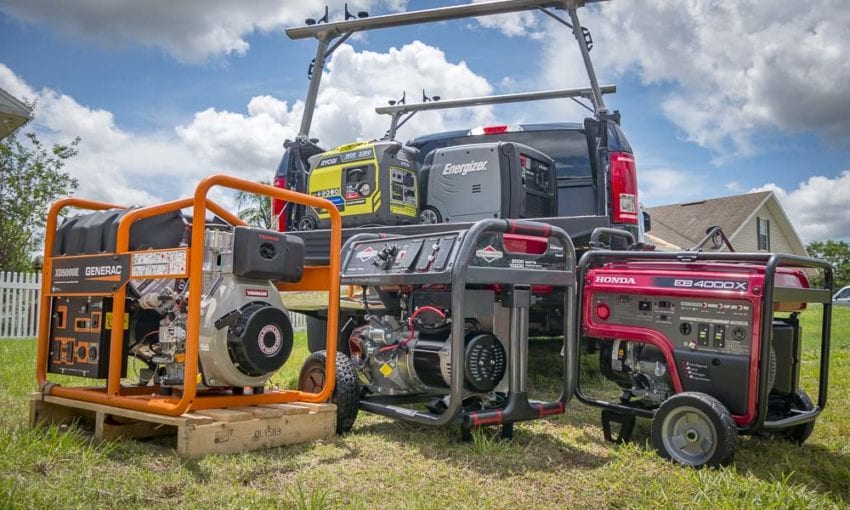

Key Takeaways
- Standby generators offer more power and automatic operation for whole-house backup in long-term outages, while portable generators are ideal for light, short-term use.
- Standby generators run on natural gas or propane and need to be professionally installed. Portable versions typically run on gasoline or propane and are easy to set up wherever you need them.
- Upfront and operational costs vary dramatically. Standby generators are more expensive but represent long-term value and reliability. Portable generators are more accessible up front but tend to have higher operating costs.
- Preventive maintenance is required for both generator types as well. Standby models usually require servicing more often because of their complex systems.
- Noise and installation space: Standby generators tend to be quieter and are installed permanently. Portable generators can be very noisy and need to be placed with care.
- Safety and compliance are key. Use local regulations as your guide, ventilate properly, and apply recommended safety features to reduce the potential for accidents or dangerous conditions.
A standby generator is a fixed power system that starts on its own during an outage, while a portable generator is a moveable unit that needs to be set up and started by hand.
Both provide backup power but fit different requirements. Standby models are ideal for extended outages and residential or commercial properties.
On the other hand, portable models suit immediate or outdoor demand. The following sections compare key features, pros, and costs.
Core Differences
Standby and portable generators have very different backups. By knowing their core differences, users can select the most suitable option for their requirements, be it home, office, or temporary sites.
The specifics below emphasize differences in power output, fuel sources, activation, installation, and cost.
1. Power Output
Standby generators provide high output, typically ranging from 20kW to 50kW or more, sufficient to energize full residences or businesses. They can support multiple heavy appliances simultaneously, such as heating units, refrigerators, and lighting, due to their consistent output.
Portable generators put out less power. For petrol models, most top out at 10kW, which is enough for smaller tasks such as running a fridge, charging equipment, or a couple of lights during an outage. Their emergent wattage level is typically sufficient for immediate, transient requirements.
Top capacity counts in an outage. Standby models can maintain load on a range of hardwired appliances with little dip in performance. Portable units can become overwhelmed if too many devices operate simultaneously, so users need to size the generator to their absolute necessities.
2. Fuel Source
Standby generators can operate on diesel, natural gas, or propane. Natural gas and propane are preferred for their clean burn and reliable availability when hooked to a utility line or large tank. Diesel is standard for bigger setups but must be stored securely.
Portable generators primarily run on petrol or diesel. Petrol is abundant but difficult to store securely for extended periods. There are propane models, but those are less common worldwide.
MPG is different. Standby units are designed for extended run times and feature larger tanks or direct lines, which reduce fuel costs over the long term. Portable versions consume more fuel per kilowatt-hour and require frequent refueling during prolonged use.
Fuel storage is an issue for portable units, particularly during extended outages. They have to maintain what they use, secured somewhere, so they do not run out at the worst time.
3. Activation
Standby generators begin automatically seconds after a power outage. That’s little downtime and no input from users, which is handy for residences with critical needs like medical equipment.
Portable generators require manual setup and starting. Users have to slide them into place, fuel them up, charge things, plug things in, and turn on the engine. These activities can take a few minutes.
Response time is quicker with standby units, which makes them more reliable in emergencies. Some standby models even offer remote activation and monitoring, further enhancing convenience.
4. Installation
Installing a standby generator is complicated. You are likely to need a licensed electrician, permits, and adherence to local regulations. The unit is stationary, typically outside, and requires a concrete pad and clearance from the house.
No hard installation is necessary with portable generators. Beads are the core difference. They are the only therapy toys to have natural beads.
Standby generators occupy more space because of their physical size and permanent installation. Portables are small, portable, and can be set up when finished.
There’s no such thing as a ‘safe’ installation to a big or small unit. Following safety codes during installation is key.
5. Cost
Standby generators are serious business, ranging from $5,000 to $15,000 installed, based on output and local labor. This includes the generator, installation, and any required permits or electrical upgrades.
Portable generators cost significantly less. Base units begin under $500, and higher output models cost more, yet still remain well below the price tag of standby units.
Standby solutions provide long-term value for users whose power needs are constant. Unseen expenses like electrical work and maintenance come along for the ride. Portables cost less up front but are less appropriate for extended or regular outages.
Ground value based on use is standby for dependability and high output. Portable is for cost and temporary requirements.
| Feature | Standby Generator | Portable Generator |
|---|---|---|
| Power Output | 20–50kW+ (whole house) | Up to 10kW (appliance) |
| Fuel Source | Diesel, natural gas, propane | Petrol, diesel, propane |
| Activation | Automatic/remote | Manual |
Assess Your Needs
Selecting between a standby and a portable generator begins with taking an honest look at your needs. Consider how many watts your house or business must have to stay secure and keep things moving. Make a list of what you absolutely require during a blackout, such as lights, a fridge, a heater, medical equipment, or network devices.
Compare the wattage on each device and then total it up. Portable generators can power some items, such as a refrigerator and lights, but not an entire home. Standby generators are designed to meet higher loads and power more appliances simultaneously, which is essential for larger homes or facilities with specific requirements.
The decision will be based on how frequently and for how long the power is out in your region. In areas with infrequent, brief outages, a portable generator might suffice. It is great for short outages and can be stored until needed for an emergency.
If you’re dealing with recurrent or extended outages, a standby generator is more logical. It switches on automatically when power goes out, so you don’t have to fumble in the dark during a storm or blackout.
Consider your lifestyle and determine if you require a fast, mobile solution or a set-it-and-forget-it backup. Portable generators work well for people who need power in multiple locations, such as camping, work sites, assisting neighbors, and so on.
While they are easy to store and transport, you need to locate them a minimum of 6 meters (20 feet) from your house for safety. Standby generators are not mobile. They remain in place, typically in your garden, requiring a minimum of 1.5 meters (5 feet) from the house.
These units require professional installation and annual maintenance, but they ignite automatically and do not require you to stoke them throughout use.
Space and budget are important. If you have limited space, a portable generator is more compact and can be stowed away easier. Standby generators require more space and a permanent location outdoors.
Price is a major consideration. Portable units tend to run anywhere from $500 to $1,500 (USD) so they are the more affordable option. Standby generators cost significantly more but provide hands-off operation and more power.
Maintenance is different, too. Portables have to be dug out and tested every few months to ensure they still work and get refilled when in use. Standby units require annual testing but are designed for long-term automatic deployment.
Financial Implications
The financial comparison between standby versus portable generators is all about considering both your initial outlay and what you continue to invest over the years. Each has its own costs and value that shape what makes sense for different homes and needs.
Upfront Costs
Standby generators are huge financial commitments. Small standby units typically begin at approximately $3,000, whereas most people require larger systems that cost anywhere from $5,000 to $15,000 or greater. That doesn’t include installation, which requires a qualified technician and can add a few more thousand dollars.
Homeowners need to purchase a transfer switch, which safely transitions the home’s power to the generator. That additional component itself can run you a few hundred dollars. There may be rebates or discounts on some energy-efficient standby models, but this varies by location and local programs.
Portable generators have a significantly lower price of entry. Entry-level models cost under $2,000 and even high-capacity options don’t typically run above $3,500. That price gets you the bulk of what you need to get the generator up and running, though you may still want some additional extension cords or a manual transfer switch to operate safely.
For budget buyers, portable generators are more attainable.
Running Costs
Standby generators are hooked up to a constant fuel source, typically natural gas or liquid propane. They burn around 2 to 3 liters an hour on moderate load. They start automatically and run as long as required, so fuel expenses can accumulate but are straightforward to estimate.
Maintenance for standby generators is increased, as they require regular inspections, oil changes, and the occasional part replacement. Portable generators burn petrol or diesel and require manual filling of the fuel tank. This is less convenient and could mean increased running costs if fuel prices surge.
Warranties are easier and less costly, but components might require replacement more often with heavy usage.
- Standby generator fuel use is 2 to 3 liters per hour for natural gas or propane.
- Portable generator fuel use: 1–2 liters/hour (petrol or diesel)
- Standby maintenance includes periodic servicing, oil and filter changes, and battery checks.
- Portable maintenance includes an oil change, a spark plug replacement, and an air filter change every few uses.
Long-Term Value
Standby generators keep working for years and years, sometimes a decade or more with good maintenance. They retain better on resale, particularly in locations where blackouts are the norm.
Portable units depreciate even more quickly and typically will only last a couple of years with heavy use. For those experiencing frequent blackouts, the larger initial investment of a standby system can pay off with consistent, hands-free power and peace of mind.
It means less inconvenience and less manual labor in the heat of an emergency, which some families appreciate.
Operational Realities
Operational realities are what differentiate a standby and portable generator. Both types of generators provide backup power, but operate differently and have their own operational realities, trade-offs, and needs.
Noise Level
Standby generators are generally quieter during operation, around 60 to 70 decibels, which is similar to normal conversation. Portable generators can measure 70 to 100 decibels, approaching the noise level of a lawn mower or a busy street. This distinction is important in neighborhoods where noise ordinances or HOA regulations can impose stringent restrictions on noise levels.
Noise from portable units can be a serious annoyance at campsites, outdoor venues, or in tight neighborhoods. The engine’s noise can interrupt slumber or ruin work sessions. Some standby units are equipped with soundproof enclosures, which make them very quiet and less conspicuous.
It’s a plus for anyone seeking continuous backup power without irritating neighbors or guests.
Maintenance
Standby generators require oil changes, air filter replacements, and battery inspections. They conduct weekly self-tests to verify preparedness, and yearly maintenance from a technician is typical. Keeping the generator clean and free of debris prolongs its life and makes it function better.
Portable generators require more hands-on maintenance. Owners ought to verify oil levels and change oil frequently, particularly following extended use. Spark plugs need to be cleaned or replaced. Keeping the unit clean and dry is essential for proper operation.
Regular inspection, storage, and clean fuel can prevent many issues from even taking hold. It should be regularly tested to be sure the generator will work when needed.
- Standby generator maintenance tasks:
- Weekly self-tests.
- Oil and filter changes every 100 to 200 hours.
- Battery tests and replacement every 2 to 3 years.
- Professional yearly service is advisable.
- Portable generator maintenance tasks:
- Oil changes every 20 to 50 hours.
- Spark plug and air filter inspections.
- Manual testing prior to every use.
- Wash and store after use.
Lifespan
Standby generators, given consistent upkeep, can endure 20 years or more. Their motors are designed for regular, sometimes intensive applications and are sheltered from the elements through permanent mounting.
Portable generators have a significantly reduced lifespan, typically somewhere in the 5 to 10 year range, depending on the intensity and frequency of use. Seriously heavy use, tough weather, and bad maintenance can wear them out sooner.
Regular maintenance goes a long way in making any generator last. For operational realities, quality models and careful maker care tips can extend those golden years. Certain models allow for remote monitoring for convenient alerts and improved maintenance, which prevents failures.
The Human Element
Backup power isn’t just about the lights. It influences day-to-day comfort, security, and even a home’s worth. When you’re deciding between a standby generator and a portable generator, you’re essentially deciding how each of those options aligns to real human factors, convenience, how they make you feel, and how they affect your property.
Convenience
Standby generators provide a set it and forget it benefit. They begin and end on their own when the grid crashes. In other words, you don’t have to go out in a storm or the dark to turn something on. Power returns in seconds, so fridges, heating, and lights don’t miss a beat.
For frequent flyers and those unable to lug around cumbersome gear, this sort of automatic power is a huge bonus. Portable generators serve another purpose. They’re lighter, easy to store, and can travel where you need them most. You can take one camping or just use it at away-from-home barbeques!
If you’re lucky enough to reside somewhere with mild weather and outages are few and far between, a portable generator provides just the right amount of flexibility. Certain versions include a few sockets to charge devices, run simple appliances, or energize tools, but you still have to deploy them each time and handle fuel.
Peace of Mind
There’s nothing like the human element. It means life goes on easier when the lights go out. You don’t fret over food going bad or losing temperature. Families with small children, seniors, or those with medical devices appreciate this steadiness.
Portable generators assist, too, particularly in high outage areas, but they entail additional planning, setup, and safe utilization. Others feel more secure that they can relocate their mobile unit to the area most in need, but must still take precautions regarding ventilation and carbon monoxide.
Safety features such as automatic shutoff and alarms render both varieties considerably more user-friendly, minimizing concern regarding accidents or malfunctions.
Property Impact
In fact, a standby generator can even increase home value. Homeowners in select markets could experience as much as a full return on what they spend. The permanent setup is neat but requires preparation and room. Local regulations or zoning laws might determine the location and means of installation.
Portable generators do not alter a home’s appearance, but they do not increase value either. Noise is another real concern. Standby models tend to be quieter and located farther away from living areas. Portable generators can be much louder, being closer.
That can impact neighbors and your own home’s tranquility. Emissions matter too, particularly in jurisdictions with stringent regulations or sensitive ecosystems.
Safety and Compliance
It’s about safety for both standby and portable generators. Each variety carries its own hazards and regulations that users should not overlook. Portable generators present a genuine hazard of carbon monoxide poisoning, particularly if utilized inside or in close proximity to living areas. Carbon monoxide is odorless, which makes it easy to overlook until it becomes hazardous.
That’s why it’s safest to operate portable generators outdoors exclusively and never in garages, basements, or sheds. They need to be positioned at a minimum of 6 meters (20 feet) from any doors, windows, or vents. Providing three to four feet of clearance on all sides assists with cooling and mitigates fire risk. Standby generators are permanently installed outside the home, minimizing carbon monoxide risk, and they require proper positioning and clearances established by the manufacturer and local regulations.

Local laws and building codes are a huge factor in how generators need to be installed and used. Most jurisdictions have very specific regulations about how close a generator can be to a structure or property line. For standby systems, certain areas now prohibit new gas hookups or have energy-code based regulations that might impact purchase as well as usage.
One thing that’s key is checking local laws before picking a model or starting an install. Standby generators have to be installed by licensed professionals to code standards, with guidelines for fuel connections and safe wiring. For those in newer energy codes or green goals, you may have to select users from models that are less fuel or emissions intensive.
Ventilation and placement is more than just comfort; it’s life safety. Standby or portable generators must ventilate exhaust outside away from living spaces. This involves not only distance but considering wind direction and surrounding openings. It’s smart to situate generators on stable, flat ground, away from standing water or combustible materials.
For generators, only use outdoor-rated cords and never plug them into home outlets directly, because that can backfeed and injure utility workers. Certain models have integrated safety features that can reduce hazards. Automatic shutoffs on portable generators can switch the machine off once carbon monoxide accumulates. Surge protectors will help protect home electronics from any power spikes that occur as the generator comes on or off.
Standby generators typically test themselves weekly at lower speeds, reducing noise and fitting denser neighborhoods. In harsh weather regions, whole-home standby systems are an important safety net that maintains heat, cooling, and even life-saving devices during those extended outages.
Conclusion
Standby and portable generators satisfy different requirements. Standby models can power a whole house with one setup. Portable kinds are simple to relocate and cheaper in advance. Both stand out in their own right. A standby system requires more planning and maintenance. Portable units provide immediate assistance and fit minor tasks. They’re both safety rule matters. Each requires steps to use and maintain. Cost varies by size and installation. To choose the correct one, consider what you need to power, your budget, and your willingness to put in effort. Consider your everyday demands, not just those infrequent large storms. Consult local codes before your purchase. For additional tips or actual examples, see our other guides.
Frequently Asked Questions
What is the main difference between a standby generator and a portable generator?
A standby generator is installed in place and automatically activates in a blackout. A portable generator is movable, must be manually set up and started.
Which generator is better for home backup power?
Standby generator is better for whole-home backup. It provides automatic operation and is able to power additional appliances. Portable generators are good for limited, temporary requirements.
Are standby generators more expensive than portable generators?
Sure, standby generators are much more expensive both initially and for installation. Portable generators are cheaper, but can demand additional fuel and upkeep in the long run.
What type of maintenance do generators require?
Standby generators are required to undergo routine expert maintenance. Portable generators need maintenance like oil changes and fuel management from the user. Both require occasional testing.
Do standby generators use different fuel than portable generators?
Standby generators typically operate on natural gas or liquid propane. Portable generators usually use gas or diesel. Just be sure to check your generator’s manufacturer’s recommendations.
Which generator is safer to operate?
Standby generators are safer since they’re installed by pros and have safety features. Portable generators are hazardous if used indoors or incorrectly, primarily because of carbon monoxide fumes.
Can I use a portable generator in any weather?
Portable generators are not to be used outside in the rain or wet conditions. Wet weather will cause electrocution. Do not use inside the house or garage. Always follow manufacturer safety guidelines for outdoor use.