
Key Takeaways
- Pay attention to warning signs, including flickering lights, frequent circuit breaker trips, and warm outlets, to detect potential wiring issues early.
- Old or damaged wiring poses fire and electrical shock hazards, so it is critical to have your home inspected and upgraded as soon as possible.
- Periodic examination of exposed wiring, sockets, and your circuit breaker might be a simple way to know if your home needs rewiring.
- Modern appliances demand updated wiring. Outdated systems might not handle modern electricity needs, leading to appliance failures and inefficiency.
- Rewiring your home is an investment that not only reduces your expenses down the line but increases energy efficiency and property value.
- That said, always check with a good licensed electrician for a comprehensive evaluation and adhere to their advice to make sure your electrical system is up to code.
To know if your home needs rewiring, check for signs like flickering lights, old or damaged wires, frequent blown fuses, or outlets that feel warm.
A lot of pre-1980s homes are equipped with ancient wiring that no longer complies with modern safety standards. Dangerous wiring can increase fire hazards or lead to blackouts.
Detecting these indicators gets you ahead of the curve on safe renovations. The next few sections address what to look out for and what to do.
Critical Warning Signs
Electrical problems can be a genuine threat to your home and your life. Knowing the crucial warning signs enables you to identify trouble before it’s beyond repair and determine if rewiring is necessary. Here are some tips that can warn you of potential electrical hazards and aging systems.
1. Sensory Clues
Popping or crackling from outlets or switches can indicate loose wiring or poor connections. This sound is abnormal and could indicate a lurking problem, particularly in aging residences.
If outlets or switches are warm or hot to the touch, this usually indicates an overloaded circuit, corroded wiring, or bad contact behind the wall. Warm floors are not safe floors and should be inspected by an expert.
Regular light shocks when you plug in are a sign that your wiring isn’t grounded or is fraying. Discoloration or scorch marks around outlets or plugs indicate overheating, a condition that, if overlooked, can result in electrical fires.
2. Power Fluctuations
Surprising power surges fry electronics and can be attributed to defective wiring or an overloaded circuit. A home’s voltage should remain between 115 and 125 volts. Significant fluctuations beyond this can reduce appliance lifespan.
Seriously, modern appliances that can’t work or turn off often could be an indicator that your home’s wiring can’t cope with today’s electrical loads. If you observe lights dim or flicker when you use more than one appliance, your circuits could be overloaded or too small for today’s usage.
Blown fuses that go off more than a few times a year indicate that your electrical system is either running at capacity or is suffering from a more serious issue.
3. Physical Damage
Exposed wires, such as cracked, frayed, or chewed wires, can lead to shocks, arcing, or fire. Wobbly outlets and switches that won’t hold plugs can indicate that the wiring is aging or defective.
Water stains or mold near outlets and switches increase the chances of shorts and fires, especially if the wiring has been stripped of insulation. Rust or green corrosion on circuit breakers can prevent them from functioning and indicates they need to be replaced.
4. Outdated Components
Very old panels, think 30+ year old panels, are not up to code or capable of dealing with power usage today. Two-prong, ungrounded outlets are prevalent in pre-1980s homes and should be replaced with safer three-prong types.
Aluminum and knob-and-tube wiring are less likely to have caught fire. Contemporary circuit breakers provide additional safeguards and are simpler to reset.
5. System Age
If your electrical system is more than 30 years old, rewiring may be necessary for safety and to address the demands of today. Older homes simply don’t have enough circuits or outlets, so extension cords are a dangerous band-aid.
Wiring and components degrade after years of use, even if they appear OK visually. Historic home systems can appear solid but conceal aging wires or cracked, brittle insulation.
Underlying Dangers
Outdated or damaged wiring can endanger your home and everyone in it. Issues might not be immediate, but the risks can be grave. These risks include electrical fires, shocks, and ruined devices. These risks are more prevalent in homes with electrical systems older than 40 years or with original wiring dating from before the 1980s. Being aware of the symptoms and understanding their importance can assist in maintaining the security of your household.
Fire Risk
Old wiring, or wiring that’s worn out or not up to today’s standards, can heat up quick. Overloaded circuits with too many devices operating on one line are a prime culprit. Wires can heat up and ignite fires inside your walls. If you notice burnt or scorched outlets or smell burning plastic, they are obvious danger signs. Loose outlets and arcing from bad connections are one of the leading causes of house fires in the world.
Many older homes still have aluminum wiring, which can loosen over time. This wiring frequently develops arcs, which are jumps of electricity that can ignite a fire with little warning. Routine checkups on your wiring help detect these issues before they get out of control. An experienced electrician will be able to identify potential hazards you might overlook and address them before they become actual hazards.
Shock Hazard
When wires come loose or covers are broken, the danger of shock increases. This is a huge concern for children and pets who could come in contact with cables unaware of this danger. Ungrounded outlets, prevalent in older homes, increase shock risk. If you get little shocks when you plug or use something, it means the wiring is unsafe. Even a single shock is an indication that there is a problem.
Shoddy or hurried work when installing outlets or switches can increase the danger. Defective workmanship may not be immediately evident, yet it can lead to chronic issues. Shock hazards need to be repaired immediately upon discovery. Just a little jolt can hurt, and in exceptional instances, it can kill.
Appliance Failure
Old wiring frequently cannot support the load from modern-day equipment. This results in things like flickering lights or appliances shutting off unexpectedly. Frayed or loose wiring can create voltage swings. These swings will kill or at least reduce the life span of expensive electronics and appliances, such as computers and TVs.
A loose outlet or poor wiring can leach energy, driving up your power bills. Making sure your wiring suits your home’s requirements can save cash and increase your devices’ lifespan.
| Appliance Type | Typical Power (W) | Minimum Wiring Needed |
|---|---|---|
| Refrigerator | 100–800 | 2.5 mm² copper wire |
| Air conditioner | 500 to 3500 | 4 mm² copper wire |
| Microwave Oven | 700 to 1500 | 2.5 mm² copper wire |
| Washing machine | 500 to 2000 | 2.5 mm² copper wire |
| Computer/TV | 50 to 300 | 1.5 mm² copper wire |
Obsolete Wiring Types
Outdated wiring types in older homes can pose genuine safety hazards. Antiquated systems such as knob-and-tube, aluminum, and cloth-sheathed wiring aren’t designed to handle modern-day electrical demands. Identifying these old types and understanding their risks is crucial if you want to keep your home safe and up to code.
Knob-and-Tube
Knob-and-tube wiring turns up in homes constructed prior to the 1940s. It utilizes singular wires pulled through ceramic knobs and tubes, separated from one another to prevent touch. It has no ground wire, a huge safety omission that increases the risk of shock and fire.
Most knob-and-tube wiring can only power two-prong outlets, meaning you won’t have the grounding protection required for modern appliances. Additionally, knob-and-tube wiring cannot support the load of modern appliances. Plugging in multiple electronics, large kitchen appliances, or HVAC units can overload circuits or trip them often.
Homeowners could experience warm or discolored outlets, warning signs that can’t be overlooked. Insurance can be a pain in the neck with knob-and-tube wiring. A lot of companies won’t insure homes with this configuration, or they’ll charge exorbitant rates.
Updating isn’t just safer; it’s frequently mandated by insurance and resale value. Swap out knob-and-tube to align with codes and ensure your system can safely handle today’s needs.
Aluminum
Aluminum wiring was used in houses constructed during the 1960s and 1970s. It was less expensive than copper and, at the time, appeared to be an excellent option. However, aluminum has a track record of aging a lot quicker.
These connections can get loose as the metal expands and contracts, which causes overheating or even fire. Aluminum is trickier to find, but seek out labels like “AL” or “Aluminum” on the cable jacket. If you spot these, have a pro check your wiring.
Since the metal doesn’t conduct electricity as well as copper, it can heat up under normal loads. A lot of insurance companies require upgrades from aluminum wiring as a safety measure. If you see warm or discolored outlets and switches, it’s a terrific indication the wiring may be failing and requires replacement.
Cloth-Sheathed
Cloth-sheathed wiring was used before plastics came around. The outer sheath is fabric, which deteriorates over time. As the cloth ages, it can flake off or get brittle, which exposes the bare wires inside. This can short and increase the fire hazard.
This wiring typically falls short of current codes, particularly in terms of grounding and insulation. Most systems were built for a day in which homes pulled much less power. Old wiring that is outdated, overloaded circuits, and constant trips are typical in homes with this wiring.
By updating cloth-sheathed wiring, you get enhanced safety, fewer outages, and a system that is ready for modern living. It is a crucial measure if you want to prevent the hazard associated with antiquated, frayed materials.
A Homeowner’s Inspection
A homeowner’s inspection is an important step for identifying potential electrical dangers, particularly in homes older than 30 years. There are plenty of pre-1973 homes out there that are wired with aluminum or even knob-and-tube, which is no longer to code. Professionals recommend having a licensed electrician inspect the system every three to five years.
A simple self-inspection can alert you to trouble in its early stages. Electrical problems are a top cause of home fires, so a yearly inspection can help keep a home safe.
- Conduct your own little homeowner’s inspection. Walk through your house, room by room, inspecting open wiring, outlets, and switches.
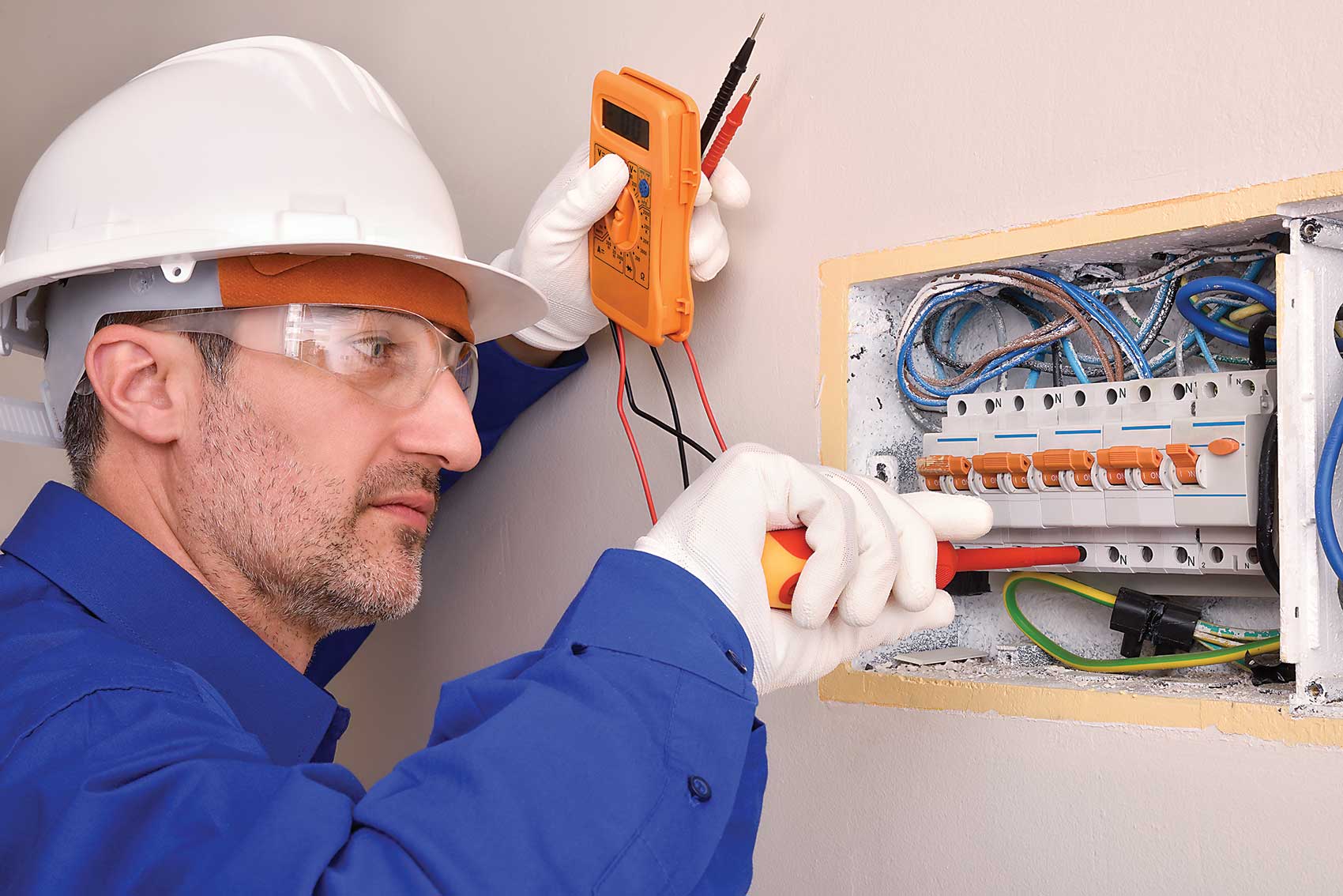
- Test outlets for voltage and grounding using a multimeter.
- Check your electrical panel for rust, corrosion, or old breakers.
- Record any strange or broken items to present to a professional electrician.
Visual Check
Examine every wire you find, particularly in basements, garages, and attics. If you notice cracked insulation, frayed edges, or bare wires, these are red flags. Burn marks and discoloration around outlets indicate potential overheating or short circuits.
Switch plates should be complete, as cracks or missing covers leave wires exposed and hazardous. Test every outlet and switch to make sure it fits snugly and functions properly. Loose outlets or switches can cause arcing and sparks.
Any plastic that smells burned or feels hot is a warning sign and requires immediate care. Flickering lights or tripped breakers point to wiring trouble.
Outlet Test
Take a multimeter and test every outlet for proper voltage and grounding. If voltage readings are out of the ordinary, this is usually in the 220-240 volt range for many regions and might indicate an issue.
With the power off, lightly pull on plugs in outlets. If they wiggle or fall out, there might be a connection problem. For GFCI outlets in the home, usually located in the kitchen and bathrooms, click the ‘test’ button.
The outlet ought to trip and kill power, then reset when you push ‘reset’. If it isn’t working, note it for an electrician. Any outlet that doesn’t work or feels hot deserves the attention of a professional.
Panel Examination
Inspect the panel for rust, melted plastic or scorch marks. They indicate overheating or potential water leaks. Be certain that every breaker is labeled and correlates to the proper area of your home.
If you ever notice any wires that appear to be burnt or damaged, or if the panel’s amperage rating is lower than your home requires, particularly if you’re a heavy modern appliance user, then it’s time to upgrade the panel.
Old panels and wiring, prevalent in homes pre-1950, cannot cope with today’s power demands.
The Hidden Costs
Faulty electrical wiring can result in more than just frustration. It can create a persistent source of financial stress, safety hazards, and decrease your home’s worth. For rewiring a home, the costs are often more than new wires. Things like inspections, permits and panel upgrades, combined with wall repairs or hazardous materials can add up fast.
Table 1 presents a few of the principal costs associated with wiring issues.
| Cost Area | Example Amounts/Range | Details |
|---|---|---|
| Inspection | $100–$150 | Required before, during, and after rewiring |
| Permit | $25–$1,000 | Varies by city or region, needed for legal compliance |
| Panel Upgrade | $1,500–$3,000 | Upgrading to 200-amp service |
| Wall Repairs | +20–30% labor increase | To restore walls after wiring access |
| Hazard Remediation | Varies | Asbestos/lead paint, can add significant cost |
| Outdoor/Detached | $3–$12/linear foot+excav. | Trenching, cable, conduit, subpanels for outbuildings |
| UF-B Cable | $0.50–$0.75/linear foot | Used for underground outdoor wiring |
Insurance Premiums
Faulty wiring can cost you in other ways: insurers might charge higher rates for homes with old or dangerous wiring. Others need evidence of electrical improvements to continue or initiate coverage. Possible claim denials or reduced payouts after electrical fires can also occur. Among the hidden costs is wiring, and comparison of insurer quotes can help reveal the cost impact of wiring.
Most insurance companies consider old or faulty wiring to be more risky. If your wiring is outdated, you could pay increased monthly premiums or be refused coverage altogether. Following a fire, insurers can deny claims if the cause traces back to hazardous or antiquated wiring. Some insurers will request evidence of upgrades before they provide a new or renewed policy.
Getting several quotes is wise; this can demonstrate how much your home’s wiring impacts what you pay.
Energy Waste
Old or frayed wiring tends to cause power outages. This junk increases your monthly power bills. An unexpected surge in your bill can signify concealed wiring problems. Even a minor inefficiency, when left unchecked, can accumulate.
An energy audit can help identify inefficiencies where wiring might be leading to unnecessary waste. Auditors employ specialized equipment to monitor energy flow and identify issues. Upgrading your wiring can reduce this waste, resulting in both smaller bills and a more efficient home.
These savings might defray a portion of your rewiring investment over time.
Property Value
Homes with old wiring can fetch less, particularly in tight markets. Purchasers typically assume the cost of rewiring in their offers. Others will walk away completely if they believe the assignment is going to be too large or dangerous.
Modern electrical systems not only make your home easier to sell, but it can broaden your buyer pool. Bringing it up to today’s standards increases safety and appeal to those seeking a turn-key property.
It’s about return on investment; the high upfront cost of rewiring can be offset by a higher sale price or quicker sale.
Professional Assessment
A professional assessment is the most reliable way to know if your home’s electrical system needs rewiring. This step matters for any property, but it’s especially critical in homes built before the 1980s. Outdated systems, like knob-and-tube or aluminum wiring, are not only inefficient but can pose safety risks.
A qualified electrician can check if your wiring meets modern safety standards, including outlet spacing and the ability to handle today’s electrical loads. The process helps plan upgrades with as little disruption to your everyday life as possible.

Finding an Electrician
Look for seasoned professionals with excellent ratings specifically in residential rewiring. Seek out tradesmen who’ve tackled vintage homes or quirky wiring systems such as aluminum and knob-and-tube. Confirm the electrician has the appropriate licenses and insurance.
This protects you and guarantees it’ll be up to local code as well. Seek referrals from friends or neighbors who have had comparable work. Seeing more than one professional will help you compare not only the price but the approach and expertise.
The Inspection Process
Getting ready for an inspection is easy and essential. Open access to your panels and outlets so the electrician can get to every section of the system. Inspections, as you can imagine, tend to be more comprehensive, covering everything from outdated materials to overloaded circuits and code compliance.
The electrician will check outlets, breakers, wear, and overheating. Make a note of any problems you’ve encountered, such as flickering lights or tripped breakers, and discuss these during the visit.
Following the inspection, the electrician provides you with a report detailing their findings and required work. This might involve rewiring portions of your house, installing additional outlets, or replacing the main panel. By tackling these suggestions promptly, you’ll stave off safety hazards and make your home safer for all.
Understanding the Quote
Examine the quote carefully, ensuring that it itemizes all materials, labor, and any additional fees. If you come across concepts that are unfamiliar, request straightforward definitions.
Yes, compare quotes from different electricians, but don’t just assume to choose the lowest price—consider the scope of work and warranties involved. Certain electricians provide warranties on their work, giving you reassurance that any problems post-job will be rectified at no additional charge.
Conclusion
Old wires can trip up a safe home. Buzzing outlets, warm switches, and ancient fuse boxes provide obvious warning signs. Flickering lights or blown fuses are indicators of something more. Frayed wires could ignite a fire hazard or shoot your electric bill through the roof. Most houses with knob-and-tube or aluminum wires require new lines. A simple review lets you catch issues before they start. A pro can test wires using appropriate tools. Early trouble spotting saves time, money, and stress. For reassurance, schedule an inspection with a licensed electrician. Have a safe home. Have questions or notice signs? Talk to a pro and get clarity. Safe and simple power.
Frequently Asked Questions
How can I tell if my home needs rewiring?
Keep an eye out for tripped circuit breakers, flickering lights, burning odors, or charred outlets.
What dangers are linked to old or faulty wiring?
A fire, shock, or blackout can be the result of old or faulty wiring. It’s a greater danger of harm to appliances and electronics.
Which wiring types are considered obsolete and unsafe?
Knob-and-tube and aluminum wiring may no longer meet current standards. These types frequently do not handle today’s electrical demands and can be dangerous.
Can I check my home’s wiring myself?
You can seek surface indicators such as compromised outlets or visible wiring. A professional electrician has to check concealed wires and connections for safety and compliance.
How much does rewiring a home typically cost?
Rewiring costs will differ depending on the size and location of the home. You’re probably looking at between €4,000 and €10,000 on average. Obtaining quotes from licensed electricians guarantees precise estimates.
What are the hidden costs of delaying rewiring?
If you put off rewiring, you could be dealing with expensive repairs from fire damage, appliance loss, or high energy bills. Outdated wiring can cause insurance claims to be refused.
Should I always hire a professional for rewiring?
Yes, rewiring is tricky and hazardous if improperly carried out. A licensed electrician ensures the job is safe, compliant, and dependable.