
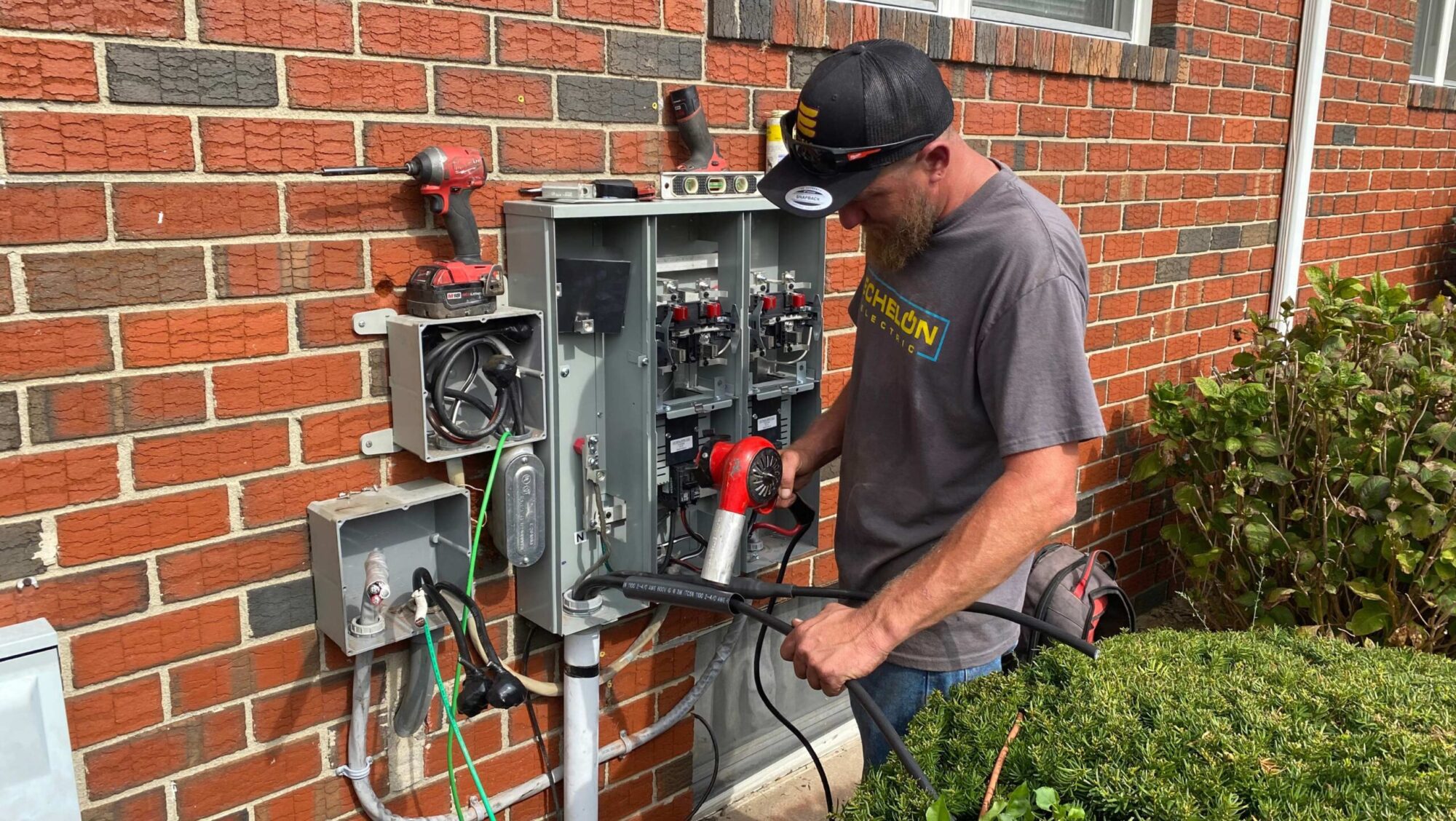

Key Takeaways
- Circuit breakers trip due to overloads, short circuits, ground faults, faulty appliances, or worn breakers. All of these are a safety hazard if left unaddressed.
- Keep track of how many and what devices are plugged into each circuit. Don’t overload and use the metric system to figure the total load.
- Utilize isolation tests and load calculations to track down problem circuits or appliances and record results to aid in future debugging.
- Install and maintain GFCI and AFCI units, particularly in high-risk areas, to improve electrical safety and minimize fire risks.
- Perform regular system audits and balance loads. Upgrade wiring and breakers to modern standards.
- When in doubt, seek professional assistance for stubborn or intricate problems to guarantee safety and proper resolution.
Circuit breaker tripping occurs when the breaker senses an issue like overheating, overcurrent, short circuit, or ground fault. Every time it trips, it attempts to prevent wiring damage and keep things safe.
A few common causes are overloaded outlets, malfunctioning appliances, or wiring problems behind the walls. To assist in locating the underlying problem, the following sections provide actionable steps and advice to investigate each potential cause and how you can proceed.
Common Culprits
A circuit breaker pops to save wiring and equipment from damage or fire. There are a few different problems that can cause it to trip repeatedly, each with its own cause and solution. By knowing these common causes, you can better troubleshoot and maintain your home safely.
1. Circuit Overload
Circuit overload occurs when the combined electrical demand from devices on a circuit exceeds the breaker’s capacity. We see this frequently in households where hair dryers, portable space heaters, and other high-watt equipment operate simultaneously. Hair dryers, for instance, can pull as much as 1800 watts, and space heaters might consume 1500 watts on full power.
When these devices run alongside others, like lamps or TVs, in a single room, the circuit can’t keep up. Look for indicators of overload such as warm outlets or a burnt odor. If you discover these, or if the breaker continues to trip after resets, reduce the number of plugged-in devices.
If you can, get big appliances off other circuits, spreading the load. They are common culprits. Always check the amperage ratings to be sure you are below it. Don’t hit the reset switch again and again without repairing the real cause.
2. Short Circuit
Short circuits are no joke and could occur if wiring is aged, frayed, or connections are loose. They buzz or spark at outlets. When a wire’s insulation breaks, it provides current a quick shortcut and a massive current surge, which throws breaker trips instantly.
Use your nose and eyes to detect trouble – blackened outlet areas or a pungent electrical scent. By testing each circuit one at a time, you can locate the problem spot. Once discovered, replace frayed wires or broken outlets immediately to prevent additional trips and reduce fire hazards.
3. Ground Fault
Ground faults occur when electricity seeks an easy path to the earth, usually through water leaks or wet areas. This is a major issue in kitchens, bathrooms, or laundry areas. Water in a switch box or outlet could cause a ground fault and trip the breaker.
Installing GFCI outlets in these wet locations promotes safety. Examine ground wires for loose or corroded areas. Repair leaks or dampness that may cause faults. Keeping these areas dry and wires in prime condition helps avoid shocks and trips.
4. Faulty Appliance
Common culprits include old or broken appliances that can draw too much current or short out, tripping breakers. Refrigerators and freezers, for example, demand a surge of power when the compressor kicks on, sometimes three to four times their running wattage. If the condenser is clogged, overheating can cause additional trips.
So it’s clever to unplug and try each suspect appliance individually. If an appliance causes trips, ditch it and get it repaired or swapped. Frequent inspections and cleanings prevent appliances from becoming fire hazards or malfunctioning.
5. Worn Breaker
Older breakers can wear down and trip more frequently, even when loads are typical. Check for wear and tear such as cracks, rust, or loose switches. If you do, or the breaker is hot to the touch, it could be due for a replacement.
Newer breakers typically have improved safety features. Upgrading protects against nuisance trips and maintains a dependable electrical system.
Diagnostic Steps
Detailed diagnostics diagnose why a circuit breaker continues to trip. It’s a process of thoughtful observation, methodical separation, accurate load estimation, and transparent documentation. The beauty of this diagnostic step is that it does more than just get your lights back on.
Initial Check
Begin with the breaker panel. Look for visible damage, overheating, water leaks or burnt marks. These hints can indicate an underlying electrical problem. Damaged or corroded connections, particularly those exposed to moisture, can weaken the circuit and result in tripping.
Always sniff for strange smells or sounds, such as buzzing or burning, as these frequently indicate electrical problems. Don’t reset a tripped breaker until you discover the source. Resetting instead of addressing the root cause can be hazardous, at times exposing you to electric shock or fire.
Pay close attention to breakers that feel loose, sticky, or show any sign of corrosion. This can be an indication the breaker itself is going bad. Look for fragments of cords, torn up plugs, and overloaded outlets. Replace or repair any exposed damage.
This diagnostic step is crucial in preventing common errors that may cause frequent circuit breaker trips. If anything appears serious, don’t attempt to fix it on your own—call a professional electrician.
Isolation Test
Turn off everything at the breaker panel. Turn on each circuit one at a time, waiting a few minutes between each. This slow method assists in detecting which circuit causes the breaker to trip. If a trip occurs immediately after a single circuit is switched on, you’ve probably located the culprit.
Plug in and test each appliance connected to the suspect circuit individually. Pause 2 to 3 minutes in between. This lets you determine whether the cause is a bad device. Take some diagnostic steps. For example, use a multimeter to check voltage or current to narrow down where the fault is.
Record which circuit or device trips. Maintaining a record of these discoveries simplifies future troubleshooting and can assist a professional electrician should you require additional assistance.
Load Calculation
- List high-power appliances, such as:
- Electric kettle (10 to 13 amps)
- Microwave (8 to 10 amps)
- AC (10 to 15 amps)
- Water heater (12 to 16 amps)
- Total the watts for everything on the circuit.
- Divide the voltage, usually 230 volts, to obtain the total amperage.
- Stick to the 80% rule: only use 80% of the breaker’s rated capacity for regular loads.
- If your total amperage is over the breaker’s rating, relocate some devices to a different circuit or upgrade your panel.
Specialized Breakers
Specialized breakers such as GFCI and AFCI are crucial in minimizing hazards in today’s homes. These breakers are designed to detect and halt faults that result in fires or shocks. With them, homes are more secure and the risk of something catastrophic decreases.
Many locations need these in kitchens, bathrooms, and bedrooms or anywhere the electric loads are high and safety is paramount. These breakers need to be upgraded when outdated wiring no longer satisfies safety requirements or when new equipment adds additional pressure to circuits.
| Breaker Type | Features | Benefits | Applications |
|---|---|---|---|
| GFCI (Ground Fault Circuit Interrupter) | Detects ground faults and shuts off power quickly. | Protects from electric shock and reduces fire risk. | Bathrooms, kitchens, laundry rooms, outdoor outlets. |
| AFCI (Arc Fault Circuit Interrupter) | Detects dangerous arcing in wiring and stops current flow. | Prevents electrical fires caused by arc faults. | Bedrooms, living rooms, hallways, areas with aging wiring. |
Older breaker panels or degraded wiring can lose their integrity over time, rendering circuits less dependable and more risky. Specialized breakers are important.
While modern breakers can last around 20 to 30 years with good care, breakers that keep tripping or feel hot are a sign to inspect for faults or replacement. Selecting the appropriate breaker and staying on top of upgrades assists in meeting today’s demands and maintaining system safety.
GFCI Behavior
GFCIs function by monitoring the current flow between hot and neutral wires. If the current varies by even a small amount, such as 5 milliamps, they trip to halt the flow, minimizing the chances of electric shock. This is particularly true in areas with water, such as kitchens and bathrooms.
Checklist for GFCI testing and maintenance:
- Hit the “Test” button every month. If it trips, switch it back on.
- Inspect for signs of wear, cracks, or discoloration.
- Confirm the “Reset” button restores power each time.
- Swap out any that do not trip on test or do not reset.
GFCIs are a no-brainer in wet locations. They protect against surges and reduce the risk of electrical fires. For example, if a GFCI outlet isn’t functioning, replace it immediately to maintain safety standards.
AFCI Behavior
AFCIs locate arc faults, which are tiny, inadvertent sparks in wiring that can ignite fires. When sensed, the breaker trips to cut power and prevent a possible ignition. This is especially important in bedrooms and living rooms, where fires are most likely to be fatal.
Use AFCI breakers in bedrooms and main living areas for improved fire protection. Test AFCIs every several months using the ‘Test’ button. If the breaker trips, it’s working properly.
Regular AFCI tripping can occur with some tools or appliances, such as vacuum cleaners or older fans. If this occurs frequently, look for loose connections, frayed cords or damaged outlets. Patch these now to keep your system secure.
Hidden Dangers
A lot of electrical problems lurk unpredictably behind walls, out of sight from the homeowner, only to make their presence known when a circuit breaker trips. Old wiring is a typical hazard, particularly in houses constructed prior to 1990. Cloth insulated wires or old breaker panels can deteriorate. This can cause them to crack, fray, or corrode.
When wires deteriorate, the potential for short circuits and overheating increases. Old panels may not keep up with today’s electronics and their built-in safety features may lag behind modern ones. Overloaded circuits are a hidden danger. Power-hungry appliances such as air conditioners and heaters, particularly if they’re all cranking away simultaneously in sweltering weather, can tax the system.
If too many appliances pull from a single circuit, the breaker will pop to prevent overheating. It’s not just a pain; it’s an alert. Overloaded circuits can stealthily warm wall wires, potentially resulting in insulation damage and even fires if neglected. Bad wiring and torn insulation pose fire hazards that are all too easy to miss.
Stripped wires or wires pinched behind furniture can spark or arc. Arc faults occur when loose or broken wires generate sparks and are a top cause of electrical fires. Scorch marks, melted outlets, or a burning smell near sockets are indicators of hidden damage. These signs should never be underestimated, as they indicate that the wiring is either already having trouble managing the load or has begun to deteriorate.
Circuit breakers are the first line of protection from these hazards. They supervise the electrical current and ‘trip’ if anything ever does, such as a surge or a short. Many modern homes are equipped with GFCIs and AFCIs. GFCIs respond quickly to interrupt power if they detect a dangerous current path to ground, minimizing the risk of shock.
AFCIs detect sparks or arcs that might start a fire and immediately shut things down. If your house doesn’t have them, it could be time to consider an upgrade. Getting regular inspections of your electrical system can help you catch these hidden dangers early. A professional electrician can scan for worn breakers, aging panels, or concealed wire damage.
Circuit breakers typically last 15 to 20 years before they become unreliable, so if yours are older, replacement might be prudent. Easy measures such as monitoring for wear or listening for buzzing from outlets can make all the difference in avoiding larger issues down the road.
Proactive Maintenance
Proactive maintenance is when you act in advance to maintain your electrical system secure and trustworthy. By inspecting and repairing minor issues before they escalate, you can prevent serious incidents such as frequent breaker trips or even electrical fires.
These proactive audits and upgrades not only prevent downtime, but ensure that your system continues to be code-safe and runs well for years. This is valuable for all homes, particularly older homes or those with significant energy demand.
System Audit
A thorough audit begins with an inspection of individual components of the electrical system. Check breaker panels, outlets, wiring, and attached devices for wear or overheating. Little indicators such as scorch marks or a humming noise may indicate that a larger issue is emerging.
Regardless, see if everything is up to local electrical code because they’re there to protect property and people. A lot of regions change their regulations frequently, so even a seemingly secure system can get out of date.
Take note of any problems you identify, like frayed wiring or loose breakers. This history is useful for repairs or if you have to prove it to a professional. If you discover significant issues like exposed wiring or persistent burning odors, contact a certified electrician.
Certain problems require professional equipment and expertise to repair them safely. Professional tune-ups once a year go a long way toward catching trouble before it becomes an emergency.
Load Balancing
- Distribute heavy-use devices such as heaters, stoves, or air conditioners across multiple circuits.
- For smaller electronics, use power strips with built-in surge protection.
- Unplug unused devices to lower background load.
- Steer clear of operating numerous high-wattage appliances simultaneously on the same circuit.
Put high demand appliances on dedicated circuits. For instance, a clothes dryer or water heater can’t be on the same line as kitchen outlets. Keep track of each breaker trip. If you trip more than others, see what’s plugged in and shuffle some devices if you can.
Instruct everyone at home to not run a bunch of big appliances simultaneously. This reduces the chance of overwhelming a single breaker and contributes to maintaining the overall system function.
Upgrade Path
A lot of older homes have wiring or breaker panels that aren’t up to today’s needs. As you add additional devices, schedule upgrades to align with your usage. Exchange old breakers or thin wires for safer, new ones.
Higher-capacity breakers allow you to enjoy new appliances without the risk. No, it’s wise to consult a licensed electrician before implementing any major modifications. They can recommend improvements tailored to your home’s design and energy consumption.
Getting your upgrade today can save you money and hassle tomorrow by mitigating fire hazard and preventing expensive repair costs.
Proactive Maintenance Checklist
- Inspect breaker panels for rust, heat, or loose connections.
- Test each outlet for proper grounding and normal temperature.
- Look for damaged or exposed wiring throughout the home.
- Schedule a yearly check-up with a licensed electrician.
- Keep a log of all repairs, upgrades, and inspections.
- Make sure your home’s wiring matches modern standards.
- Replace worn or outdated breaker switches right away.
Professional Help
When a circuit breaker continues to trip, it frequently indicates an issue that requires more professional help. If it trips more than once and simple things, like unplugging devices or resetting the breaker, don’t fix it, then it’s time for professional help. Electrical problems can be serious safety hazards, like fire or electric shock, so don’t neglect or procrastinate on making a professional phone call.
Have a licensed electrician conduct a comprehensive inspection of your residence or office’s electrical system. This includes inspecting the main panel for water leaks, testing breaker boxes, and checking for loose wires or bad parts. Electricians are taught to detect dangers that aren’t necessarily obvious, such as worn-out insulation, overheating wires, or concealed defects in aging systems.
With a step-by-step review, they can identify if your system requires new components, a breaker upgrade, or even a new panel. For instance, if a breaker trips because the circuit is overloaded or the wiring is outdated, an electrician can recommend safer ways to distribute the load or upgrade the wiring to prevent the issue from recurring.
Repeated breaker trips that persist after ruling out easy causes like overloading a single circuit or a faulty appliance shouldn’t be dismissed. If you’ve already unplugged items, inspected for damage and reset the breaker but it continues to trip, it’s a definite indicator that it’s time to contact a professional.

Attempting to resolve stubborn electrical snags without the proper expertise or equipment could escalate them to bigger issues or injury. At times, it could be inside the walls or involve multiple components, which only a certified person can safely tackle.
It is wise to call for professional help if you are not sure where the problem is or if you feel uneasy about working with electrical parts. Electricians can give a full report of your system and show you if there are any risks, like old wiring or breakers that need to be changed.
They follow safety rules to make sure all work is done right and up to code. This protects both your property and the people in it. By fixing the root cause, they help prevent future trips and reduce the chance of accidents.
Conclusion
Circuit breakers trip for a lot of reasons. Faulty wires, worn-out appliances, or outdated breaker panels frequently contribute to these problems. Basic inspections, such as unplugging or turning off one device at a time, can aid in identifying the source. Occasionally, it’s a ground fault or arc fault breaker stepping in, which adds additional safety but can trip more frequently. Concealed damage in the walls or worn outlets can contribute. Routine inspections and prudent behavior keep the majority of issues at bay. For any hint of smoke, heat, or a breaker that won’t reset, get a pro to check it out. Need a safer home? Be tuned in to little signals and intervene early.
Frequently Asked Questions
Why does my circuit breaker keep tripping?
Circuit breakers trip to prevent overloads or short circuits. Typical reasons are overloaded circuits, defective devices, or compromised wiring. Addressing and repairing the source aids in electrical safety and prevents additional trips.
Can a faulty appliance cause my breaker to trip?
Yes, a bad appliance can cause a breaker to trip. A short or ground fault, for similar reasons, damaged cords or internal faults will draw excess current and trip the breaker for safety. Unplug any suspect devices and try the circuit again.
Should I reset the breaker every time it trips?
No, resetting often can mask underlying issues. Frequent tripping is an indicator of an electrical problem. Find out why or see an electrician to prevent fire risk or harm.
What is a ground fault circuit interrupter (GFCI) breaker?
A GFCI breaker senses ground faults, where electricity leaks to ground. It rapidly disconnects to avoid an electric shock. These are often found in kitchens, bathrooms, and outdoors.
Are tripped breakers dangerous?
Tripped breakers are safety devices, but if yours keeps tripping, it’s telling you there’s danger lurking — a short circuit or overload. Ignoring them can lead to fires or electric shocks. Take care of it immediately for safety.
How can I prevent my circuit breaker from tripping?
Don’t overload one circuit. Frequently check wiring and outlets. Swap out ancient, damaged appliances. Regular upkeep minimizes the chance of overloads and malfunctions.
When should I call an electrician for a tripping breaker?
Call an electrician if breakers trip frequently, you smell burning, see sparks, or can’t identify the source. Expert assistance guarantees your electrical system is secure and dependable.