

Key Takeaways
- Look for easy fixes initially: thermostat settings, a clean air filter, or blocked vents to get your AC cooling again quickly.
- Debris can be your system’s worst enemy. Clear any debris around your outdoor unit and provide proper airflow so your system can cool.
- Watch for indicators of more serious issues, such as refrigerant leaks, frozen coils, or strange sounds that can indicate mechanical problems requiring expert care.
- Address systemic inefficiencies by sealing leaky ducts, evaluating insulation, and ensuring your AC unit is the appropriate size for your space.
- Lighten the heat load in your home with some simple steps. Limit appliance use during peak hours and use window treatments to block sunlight.
- Get routine maintenance and know when to call a licensed HVAC tech if simple cooling fixes aren’t working.
An air conditioner may run but not cool the house when there are issues like low refrigerant, dirty filters, or blocked coils. Issues with the thermostat, electrical malfunctions, or inadequate airflow can prevent the unit from cooling effectively.
Any of these causes can impact system performance and require minor adjustments within the system or professional assistance. The main sections below demystify each cause and provide steps to troubleshoot and repair common issues.
Common Culprits
Here are a few typical reasons why an AC runs but doesn’t cool. Homeowners everywhere face these challenges, and most issues stem from a short list of problems:
- Blocked airflow due to dirty filters or closed vents
- Thermostat errors or incorrect settings
- Outdoor unit blockages from debris or poor placement
- Refrigerant levels being too low
- Frozen evaporator coils trapping cold air inside the system
1. Airflow Blockage
A dirty air filter ranks as one of the most common culprits of bad AC behavior. Filters clogged with dust or pet hair limit the airflow and strain the system to push cool air around the house. Folks pay hundreds to an expert just to find out that the filter was the problem — a filter that takes minutes to swap.
Leaky or damaged ductwork is another culprit. Cracks or holes in ducts release cool air before it reaches occupied spaces. Even a minor leak can translate into higher energy bills and less comfort.
Make sure all vents are open and not covered by furniture, curtains, or rugs. Closed or blocked vents hinder airflow and give the AC extra stress.
Ceiling fans do help circulate cool air, particularly in bigger rooms or during heat extremes. They don’t reduce the temperature, but they do make rooms more comfortable.
2. Thermostat Glitches
Thermostats that are on the wrong mode or temperature will run the AC and won’t cool. Always double check that the thermostat is set to “cool” and to a temperature below the room temperature.
Battery-powered thermostats can send false readings when their batteries are low. A quick swap can clear up strange temperature swings.
If the room feels warmer or cooler than the screen indicates, it might be time to calibrate. Faulty wiring can interfere with the signals between the thermostat and AC unit.
3. Outdoor Unit Obstructions
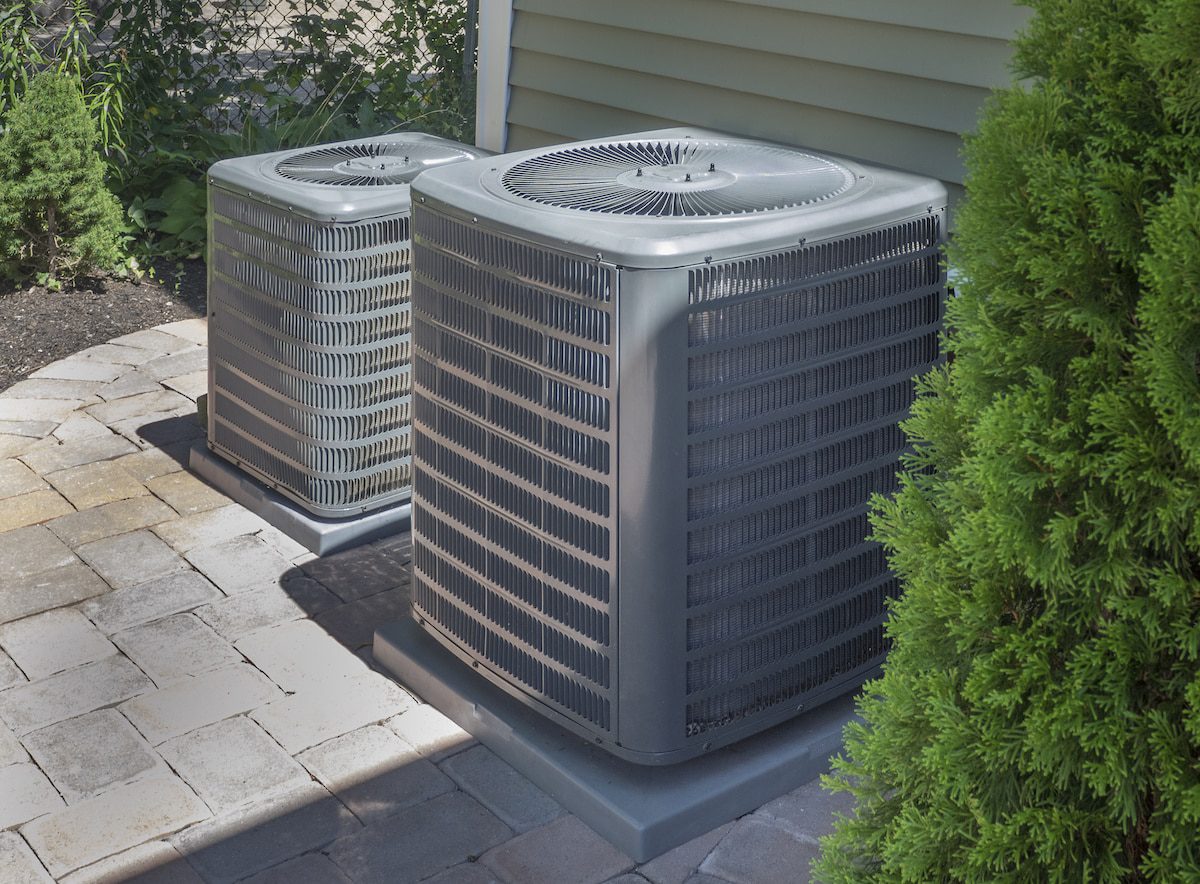
Outdoor condensers require room and clean environments to operate efficiently. Dirt, leaves and debris can coat the coils, impeding heat transfer and reducing cooling.
Washing the coils with a garden hose, not a pressure washer, helps bring back efficiency. It’s advisable to cut back any plants or shrubs and leave 60 centimeters (two feet) of space all around.
Ice build-up on the unit could indicate a more serious issue, such as low refrigerant. Nearby heat sources, like grills or direct sunlight, can decrease performance.
4. Refrigerant Deficiency
Common symptoms of low refrigerant are warm air coming from vents and hissing or oil stains around the unit. Low refrigerant means the system can’t absorb heat the way it’s supposed to, leading to high energy bills and poor comfort.
Regular inspections by a professional technician prevent leaks and maintain levels within the recommended range.
5. Frozen Evaporator Coils
Ice on the evaporator coil keeps your AC from cooling effectively. When coils freeze, cold air stays trapped and the unit can run way longer.
You should turn off the AC if you notice ice, allowing the coils to defrost before taking any other steps. Clean those coils often and it’ll help prevent that from happening in the future, keeping the system working smoothly.
Deeper Mechanical Faults
Deeper mechanical faults in AC systems are more than just filter changes or thermostat adjustments. These issues usually include important components such as the compressor, capacitor, or fan motor. Deeper mechanical faults occur when your AC runs but doesn’t cool.
These can often be the underlying issue and present as loud clicking, condenser buzzing, breaker tripping, or an outdoor fan not spinning. Maintenance and duct problems such as leaks or issues with your expansion valve or ductwork can be signs of deeper trouble.
AC units that are more than 10 to 15 years old or not sized correctly for the space can have difficulty, particularly in times of extreme heat. Most of these deeper mechanical faults need the expertise of a licensed HVAC technician.
Compressor Failure
The compressor is the heart of your AC system. If it fails, your unit may not start or turn off without cooling. Red flags for compressor failure come in the form of unusual sounds — clanking, rattling, or loud humming — and even the unit shaking or vibrating.
Overheating compressors can trip the breaker or shut the outside unit down. If the compressor goes bad, replacement is usually the only way to get it cooling again. Repairs aren’t expensive.
Compressor trouble can be caused by a malfunctioning hard-start device, which assists the compressor in kicking in under load. Bring in an HVAC tech to fully diagnose and consider repair versus replacement depending on your unit’s age and condition.
Capacitor Burnout
Capacitors store and release energy to initiate the motor and maintain operation. If you hear humming but the fan or compressor doesn’t start, a burnt-out capacitor may be the culprit. Other times, you may hear the lights flicker or momentarily dim when the AC attempts to power up.
Any burnt capacitors should be replaced immediately to avoid that sort of damage. Regular tune-ups can detect early signs of capacitor stress and preserve your electronic components. If your AC struggles to start or dies unexpectedly, this is a primary suspect.
Fan Motor Issues
If the outdoor fan doesn’t spin during operation, the fan motor is bad. Weird noises such as grinding or screeching can indicate motor issues, and these noises frequently signify that the motor is either wearing down or has become unlubricated.
Low airflow and insufficient cooling are typically experienced when the fan motor dies. You’ve got deeper mechanical faults, and replacing the fan motor is required to restore the appropriate airflow and cooling.
Lubricating the fan motor during routine service keeps it lasting and working longer. A broken fan motor or damaged contactor can cause the system to overheat or shut down.
Systemic Inefficiencies
Systemic inefficiencies, such as an air conditioner that’s blowing but not cooling, will drive costs up and make you miserable. From leaky ductwork to mismatched system sizes, these issues aren’t always obvious but can make a big difference.
Here’s a table of common systemic inefficiencies and their impact on AC performance.
| Inefficiency | Impact on AC Performance | Example Impact |
|---|---|---|
| Leaky Ductwork | Reduces airflow, wastes cooled air | Rooms cool unevenly, higher energy bills |
| Undersized System | Cannot meet cooling demand | AC runs nonstop, house never feels cool |
| Old or Inefficient Furnace | Raises energy use, frequent breakdowns | Frequent repairs, extra $400-600/year |
| Lack of Maintenance | Causes wear, reduces lifespan | Small issues become big repairs, poor airflow |
Leaky Ductwork
To address leaky ductwork, locate and cover all visible leaks with HVAC duct tapes or mastic sealant. This prevents cooled air from leaking out of your ducts.
Additionally, have a professional duct inspection. Most leaks are trapped behind walls or in the attic, so a properly trained technician with the proper equipment can track these down.
It’s also important to sweep the ducts frequently. Dust and debris clog airflow and can reduce indoor air quality, particularly for allergy sufferers.
Once sealed and cleaned, verify airflow at vents to ensure the system is working better. If not, additional evaluation may be required.
Undersized System
To check whether your AC is undersized, compare the size of your home (in square meters) to the unit’s rated cooling capacity. It’s an undersized system that runs for long stretches during peak heat but still doesn’t cool rooms. This results in more wear and higher utility bills.
Consulting with an HVAC pro gets you in the know about if that unit suits your needs. These pros use calculations that take into account square footage, window size, insulation, and your local climate.
If your AC is undersized, going right-sized can fix your persistent cooling issues and energy waste. Older systems, particularly those over 15 years old, lose efficiency quickly, about 35% versus new models.
They’re more likely to break down, and repairs can quickly add up to $400 to $900 a pop. Over a 3 year period, those repairs can total more than $1,750 and not make sense for an aging unit.
Going from a standard AC to a high-efficiency model can save $400 to $600 yearly and increase comfort, quiet, and air quality.
Beyond The Machine
ACs can run 24/7 and still leave rooms warm. More often than not, it’s not just the machine. Your home conditions, such as insulation, heat sources, or power quality, greatly affect cooling efficiency. Tackling these concerns is the surest way to get any A/C unit to perform better and last longer.
Poor Insulation
Your home will lose that cool air quickly if you have inadequate or absent insulation. Attics almost always require additional insulation as heat accumulates above inhabited rooms. Walls and floors enter into it as well. If there are leaks at windows or doors, warm air sneaks in and cool air slips out.
Seal these areas with weather stripping or caulk. Occasionally, just adding insulation in walls or crawl spaces can do a lot, especially in older homes. If you don’t know where to begin, book an energy audit.
Professionals can employ devices such as infrared cameras to locate trouble spots and then recommend solutions. This move can frequently slash cooling bills and increase indoor comfort.
Excessive Heat Load
Heat from the sun or appliances inside the house can make cooling difficult. Electronics, ovens, and even lighting contribute additional warmth. Experiment with operating heat-producing devices in the evening or morning hours.
Close thick curtains or blinds during the day to cut sun from windows, particularly on south and west exposures. Replacing all the bulbs with LEDs is a minor switch but does help reduce internal heat.
Even the placement of furniture can ensnare or obstruct airflow, causing some rooms to be toasty and others cold. Few rooms, such as kitchens, may require fans or additional shading to keep cool.
Unstable Power
ACs require consistent energy to operate properly. If lights flicker or breakers trip frequently, cooling systems can shut down or operate poorly. Watch for lethargic AC fans or unexpected shutdowns.
Use surge protectors against spikes. If you experience frequent outages, your whole-house generator can keep you running. For persistent problems, have an electrician inspect the home’s wiring.
Unsteady power may strain your AC components more quickly, resulting in increased repair bills. Occasionally, the AC just needs a few minutes to reboot after power dips or thermostat adjustments.
Your Action Plan
When your AC runs but doesn’t cool, a straightforward plan can get you to the root cause and stay comfortable. A checklist allows you to easily see what you’ve accomplished and what remains. Begin with the fundamentals such as ensuring your thermostat is truly set to “Cool” and not just “Fan.
The temperature should be cooler than room temperature. If the thermostat is battery-powered, inspect it and replace it with a new one if it is aged or dead. These little checks tend to fix the issue quickly and don’t require special equipment or expertise.
Then, air filter check. If it appears to be soiled or if it has been longer than 3 months since its last replacement, change it. A blocked filter prevents the air from circulating in the system, causing your AC to work overtime to cool less.
If you have furry family members or heavy dust, you may need to change the filters as often as every 30 to 60 days. Check the vicinity of your indoor and outdoor AC units. You want at least two feet of open space around them. Plants, boxes, or even dust can inhibit airflow and reduce your AC’s efficiency.

About Your Action Plan: It helps to keep your AC on the “Auto” fan setting instead of “ON.” When in the “ON” position, the fan continues to blow even if the system is not cooling. This can make it seem like your AC is blowing but not cooling the air.
Auto” lets the fan run only when needed for cooling, which saves energy as well. If the simple steps don’t solve it, then check the refrigerant level. Low refrigerant can prevent your AC from cooling the air. You’ll see ice on the coils or feel hot air from the vents.
For this, or if you notice leaks or blockages in ductwork, you might require a pro. Leaks or blockages in the ducts allow cooled air to escape or not reach all areas of your home. Maintain a record of all modifications, repairs, and maintenance appointments.
It provides a convenient record to identify patterns, remember what you’ve done, and communicate with any mechanic you employ down the road. It’s wise to schedule routine care—having a tech visit your system once or twice annually catches minor problems before they become major.
If you know the early warning signs of AC trouble, such as strange noises, weak airflow, or spiking energy bills, it allows you to take action before things deteriorate further. That certainly helps keep your AC running strong and your space cool, wherever you might live.
When To Call A Professional
There are some AC issues that are beyond your scope to repair at home. If you attempt simple solutions, such as replacing the filter, unclogging vents, or rebooting the system, and the unit still runs but doesn’t cool, it’s time to seek professional assistance. More complicated problems, like a refrigerant leak or a failing compressor, are not DIY friendly.
Refrigerant is both regulated and dangerous, and only certified HVAC techs should be handling it. A bad compressor is a top part that might clank or hiss or the unit may run but not cool. These are obvious indicators that the work is too large for simple troubleshooting.
Noises that sound off, such as rattling or banging, usually indicate that there are components loosening inside the unit. A hissing sound could indicate a line leak. A sudden burning or musty smell may indicate electrical issues or mold. If you ever hear or smell anything off, it’s best to discontinue use and call a pro for a complete inspection.
Ignoring these signs jeopardizes additional damage or safety risks. If you notice ice forming on condenser coils or refrigerant lines, that’s not normal. Ice can develop when a refrigerator is low on refrigerant, has blocked airflow, or a defective component. Shutting the unit down might thaw the ice, but it won’t address the underlying issue.
A professional will verify there are no leaks, clean the coils, and repair as necessary. Attempting to repair this on your own can be worse than useless. Sometimes, the AC won’t come on at all, or it keeps tripping your circuit breaker. Both are indicators of a severe defect.
A pro will check wiring, controls, and the main parts to chase the problem. When your A/C is ancient—say 12 to 15 years or older—and it can’t seem to cool that space or creeps up your electric bill, it’s tough to argue against a full inspection. Older systems tend to lose efficiency and become more expensive to run, so a technician can help you determine if it’s better to repair or replace.
If you’re iffy on the troubleshooting or are not comfortable opening your air conditioner, don’t gamble. HVAC systems can be complicated and the errors might be more expensive. Twice-a-year check-ups keep your system in shape, but if problems keep returning it’s wise to call in the reinforcements.
Experienced technicians have specialized tools, identify problems quickly, and provide safe, long-term repairs.
Conclusion
AC still blowing warm air can just plain irritate you quick. Blocked vents, dirty filters, and low coolant all take a role. Stuck fans or old wires can put a drag on things. Sometimes, the problem lurks in your house’s heat retention. Cleaning up small stuff does help, but more serious trouble requires a pro. Staying ahead of care can keep the cool air flowing. Learn the warning signs, and if an issue seems major, trust your instincts. For clear steps and peace of mind, turn to experts who work in your neck of the woods. Need to keep your place cool and safe? Inspect your AC frequently, and call in support if the cold doesn’t arrive.
Frequently Asked Questions
Why is my AC running but not cooling my house?
Check for a dirty air filter, low refrigerant, blocked vents, or thermostat issues. These issues can prevent chilled air from arriving in your rooms.
Can dirty air filters cause my AC to stop cooling?
Yes, dirty air filters impede airflow. This makes it difficult for the AC to cool your home and can cause the system to overheat.
How can low refrigerant affect my AC’s cooling?
Low refrigerant lowers your AC’s heat absorption capacity. This results in less cool air and your home remains warm.
Should I check my thermostat settings if my AC is not cooling?
Yes, thermostat. Always check your thermostat. Bad settings or a broken thermostat can prevent your AC from cooling effectively.
When should I call a professional for AC issues?
Call a professional if you hear odd noises, see leaks, or if quick fixes don’t bring back the cool. Professionals can securely identify and fix deeper issues.
Can blocked vents reduce my AC’s efficiency?
Yes, blocked or closed vents cut airflow. This causes your AC to work harder and cool less efficiently.
How often should I maintain my AC to avoid cooling issues?
Clean or replace air filters every one to three months. Have it serviced by a professional at least once a year for optimal performance.