
Key Takeaways
- From panel upgrades to generator installation and emergency repairs, trusted local electricians will help keep your home or business safe, efficient, and code-compliant.
- When you notice frequent breaker trips, have old fuse panels, or are adding modern appliances, upgrade your electrical panel and hire licensed professionals to do safe, code-compliant work.
- In coastal areas, opt for corrosion-resistant materials, surge protection, and backup generators to shield your systems against salt air, humidity, storms, and flooding. Be sure to schedule regular upkeep.
- Check licenses, insurance, experience, and customer reviews when vetting electricians. Compare detailed estimates that itemize materials, labor, and warranties, and maintain clean agreements with scope and timelines.
- Think modern upgrades like LED lighting, smart home integration, EV charger installation, and sustainable options to enhance efficiency, convenience, and long-term value with professional installation to guarantee compatibility.
- Maintain emergency contacts of electricians providing 24/7 support, verify response times and coverage areas, and record symptoms to streamline troubleshooting and ensure dependable after hours service.
An electrician in Point Pleasant, NJ provides residential and commercial electrical services, including wiring, panel upgrades, and safety inspections.
Top electricians serving Point Pleasant, NJ meet NJ codes, provide timely repairs, handle emergency calls, and offer energy-efficient upgrades.
Homeowners can look forward to licensed technicians, written estimates, and warranty options.
Businesses get scheduled maintenance and code-compliant installs.
Below we describe common services, typical local prices, and advice on selecting a trustworthy local electrician.
Available Electrical Services
Whether you need routine maintenance, emergency response, or specialized installations, Point Pleasant electricians have you covered. Qualified electrical contractors have the knowledge and experience to guide you through the entire process, from design to implementation.
Below is a concise list of typical services offered:
- Residential and commercial electrical repairs and troubleshooting
- Electrical safety inspections and code compliance checks
- Panel upgrades and electrical service capacity increases
- Generator installation, repair, and maintenance for homes and businesses
- Lighting solutions: LED retrofits, outdoor and landscape lighting, chandeliers
- Smart home system integration and automation services
- EV charger choice and setup for home and commercial
- New construction wiring, older home rewiring, and branch circuit upgrades
- Surge protection and whole‑home surge systems
- Outlet and switch replacement, GFCI and AFCI installations
- Temporary power setups and construction site power
- Free estimates, project planning, and customer service follow‑up
1. Panel Upgrades
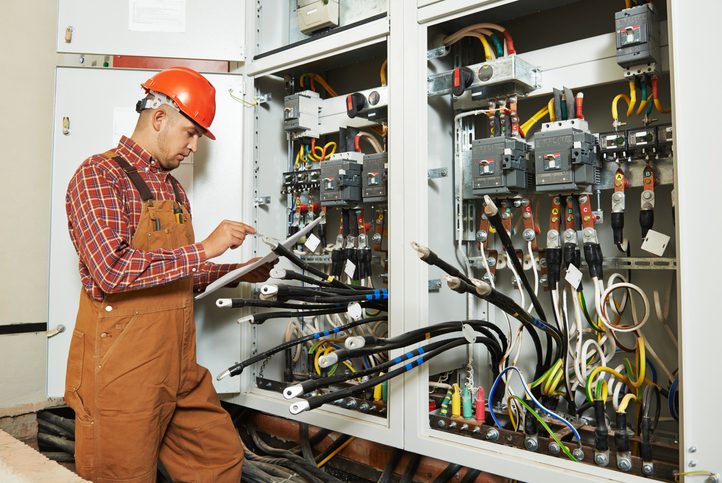
Electrical panels serve as the heart of a property’s electrical distribution. New appliances, HVAC, and EV chargers drive demand and require panel upgrades to stop tripping breakers and replace fuse panels.
Indicators to look for are breakers that trip frequently, flickering lights, and corrosion or burning smells near the panel. Certified electricians determine load, suggest capacity, such as from 60 A to 100 A or 200 A, and install new panels with accurate breakers and labeling to current codes.
Upgrades are optimal prior to major renovations or introducing high-demand equipment to avoid overloads and minimize outage potential.
2. Lighting Solutions
Lighting work spans from straightforward LED swaps to design and installation of exterior and interior systems. LED upgrades reduce energy and heat output.
Smart lighting and dimmer controls bring convenience and reduce bills. Thoughtful design enhances safety on stairs and driveways, creates atmosphere in living spaces, and can increase resale value.
Electricians will hang chandeliers and wire outdoor fixtures. They will configure automated scenes that integrate with security systems and entertainment systems.
3. Generator Installations
Backup generators provide dependable power during storms and outages. Experts size generators through load calculations, locate transfer switches, and set up fuel systems or natural gas lines in accordance with local codes.
Once installed, tune-ups keep everything running. Repairs and seasonal testing are typical service options.
4. Wiring Projects
Our wiring scope ranges from new builds to complete rewires to targeted circuit upgrades. DIY wiring hazards include shock, fire, and code violations.
I am about available electrical services. Schedule wiring work around other trades to minimize disruption and maintain a compact schedule.
5. Safety Inspections
Inspections help discover problems like old panels, wrong breakers, rust, and bad connections. Regular inspection after floods, remodeling, or prior to listings is just good sense.
Comprehensive inspections can reduce insurance premiums and enhance habitability.
Coastal Electrical Challenges
Coastal homes and businesses have unique electrical hazards that arise from being near the ocean, regional weather conditions and requirements for robust power solutions. These subsections decompose the primary threats: salt air corrosion, storm damage, and humidity. They provide actionable advice to minimize failures, increase equipment longevity, and keep homes running during peak or extreme events.
Salt Air Corrosion
Salt spray accelerates metal corrosion. Electrical panels, conduit, outdoor outlets and exposed wiring can display rust and pitting much earlier than inland counterparts. Corrosion increases resistance, results in overheating, and triggers a sneaky failure that you won’t necessarily see emerge until it’s too late.
Deploy weatherproof, NEMA-rated enclosures (NEMA 3R, 4X, etc.) and corrosion-resistant materials like stainless steel screws, marine-grade alloys, and PVC-coated conduit to minimize exposure. Regular inspections catch early signs: green or white deposits, loose screws, or discolored insulation.
Swap out corroded terminals before they become a failure. Our local electricians know the typical wear patterns around Point Pleasant and what products best suit the microclimate. On rental units, swapping to more durable service components slashes turn costs and keeps tenants safe during peak times.
Storm Preparedness
Storms usher in wind, rain, and flooding that frequently result in power outages and infrastructure damage. Addressing coastal electrical challenges includes point-of-entry surge protection for the main service and individual surge devices for sensitive loads to minimize transient damage.
A backup generator capable of supporting key circuits is a necessity, with automatic transfer switches for quick recovery following outages. Storm-rated panels and mounting key elements above anticipated flood levels are important.
Create a pre-season checklist: secure outdoor fixtures, test battery backups, check grounding and GFCI function, and clear debris from service areas. Coastal electrical issues include outdoor outlets and lighting rated for submersion or high winds, along with quick-response electricians that provide emergency fixes and understand local storm patterns.
Humidity Concerns
High humidity can allow moisture into enclosures and wiring, resulting in corrosion, short circuits and early failure. Basements and crawl spaces are exposed.
Put dehumidifiers and moisture barriers back there, keep breaker panels off the floor, and sealed fixtures where applicable. Check panels and wiring occasionally for fogging, rust or water stains.
Weatherproof outlets, sealed switches and gasketing on enclosures add protection. Routine maintenance and moisture-conscious designs enhance reliability and minimize outage-related losses for both homeowners and coastal businesses.
Local Code Compliance
All electrical work in the borough and surrounding areas shall be subject to the Point Pleasant and Ocean County electrical codes. The building department’s main job is to safeguard the health, safety, and welfare of citizens. Local regulations generally mirror safety concerns and state law.
Code compliance minimizes risk for property owners and occupants of shock, fire, and water intrusion damage. It reduces liability exposure for property owners and gets projects in line with insurance requirements, which can require documented permits and inspections. Certified electricians stay up to date on code updates, coastal exposure considerations, and local permitting rules so installations are both technically and legally sound.
Good news for homeowners and businesses: check code compliance prior to work to prevent delays, fines, or otherwise unsafe installations.
Permit Navigation
Local code compliance – get permits to upgrades, renovations and new installations by applying to your local municipal building office. Typical permit projects are panel upgrades, whole house generators, major rewiring, service changes and new circuits for major appliances. Smaller jobs like replacing a receptacle do not usually require a permit, but check with the borough to be safe.
Prepare technical paperwork: site plans, load calculations in metric where applicable, equipment specifications, contractor license, and proof of insurance. Submit applications online or in person to either Point Pleasant or Ocean County offices depending on jurisdiction. Fees and review times differ. Coastal projects might require additional documentation covering corrosion protection or elevated enclosures.
This is where experienced electricians smooth the process by making sure load sheets are correctly prepared, forms are filled out properly, and reviews are scheduled. They expect municipal inquiries, recommend code-compliant product decisions, and minimize expensive re-submissions. They know local code, which means less work stoppage when inspectors come knocking for changes.
Inspection Readiness
- Make sure all wiring is marked and grounded. Make certain panels are clearly marked and covers are in place.
- Verify that devices, breakers, and fixtures correspond to listed specifications and are installed according to manufacturer instructions.
- Check clearances around service equipment and that pathways are protected from moisture, especially in coastal zones.
- Test GFCI and AFCI devices and record test results for inspector.
- Provide required paperwork: permit, contractor license, manufacturer cut sheets, and any lead-safe certifications for rentals.
Walkthrough: Do a pre-inspection whirlwind tour with your electrician to catch issues prior to the inspector’s arrival. This saves time and money. Passing inspections is important for final sign-off, certificate of occupancy, and resale value.
New Jersey law requires smoke detector, carbon monoxide, and fire extinguisher inspection when selling or renting a one to two family home. For rental units, borough rules mandate lead-safe certification and recent turnover at cyclical inspections. Pre-1978 units require a lead-based paint inspection within two years or upon turnover.
Maintain inspection records and lead certification receipts. There is a twenty dollar filing fee per unit for lead-safe or lead-free certification. Keep these documents secure for insurance or regulatory reviews.
Choosing Your Electrician
How to pick your electrician Point Pleasant NJ. Put a premium on licensed, insured pros who reply fast and can validate their experience with your type of service. Below are targeted areas to direct an effective, comprehensive vetting process.
Vetting Credentials
Check licenses, insurance and certifications before you commit. In New Jersey, small work under 10 volts is excluded from contractor licensing rules, but the majority of household systems require a licensed electrician to be code and safety compliant.
Request their state or local license numbers, evidence of liability insurance and trade certificates. Look over years of experience and specialty areas. Seek out technicians that advertise generator installation or EV charger installs, panel upgrades, or smart home integration.
Fuse panels versus breaker panels experience matters. One can be a skill set for older homes, the other for new builds. Ask for references and recent project samples in or around Point Pleasant. Word-of-mouth counts.
Neighbors and friends often point to electricians who show up on time and fix problems right the first time. Opt for contractors who have experience in both residential and commercial work where appropriate.
Check response time under credentials. A speedy and dependable arrival is key during outages or storm damage. Learn about standard emergency response windows and if they provide on-call service.
Comparing Estimates
- Compare scope and timeline: note start date, estimated duration, and milestones. A defined schedule prevents scheduling shock, which in turn allows you to organize your life around work.
- Compare materials and brands: detail which parts will be used and why. Specifics on brands for panels, breakers or chargers help keep substitute items that reduce quality.
- Compare labor and warranty: list labor hours, hourly rates if any, and warranty terms for parts and workmanship. Question how claims under warranty are dealt with and recorded.
- Compare total cost and reputation: balance price with reviews, references, and BBB ratings. Low bids can conceal limited warranties or inferior parts.
Consider if quotes cover permits, inspection fees, disposal of old equipment, and after-installation testing. Make a comparison chart to compare timeline, materials, and services side by side. Get at least three written estimates before choosing.
Understanding Contracts
Make sure the contract specifies the scope of work, payment schedule, and completion date. A solid contract itemizes costs for parts, labor, permit fees, and contingencies.
Understand warranty coverage and post-installation support before you sign. Inquire who you contact for follow-up service and the manner in which emergency repairs are billed.
Go over change order and unforeseen issue terms, including how extra work will be authorized and billed. Review the cancellation policy and keep a signed copy. Save permits, inspection reports, and shots of finished work.
Beyond The Basics
Point Pleasant boasts both older homes and new construction, so these homeowners seeking advanced electrical options aim to provide safety, convenience, and forward value with minimal guessing. Here are actionable routes to smart add-ons, EV readiness, and eco choices, with obvious points to bring in a licensed electrician.
Smart Home Integration
Smart lighting, thermostats, and security can be added in phases. Replace bulbs with LED fixtures, add smart switches in key rooms, or swap a single thermostat for a Wi-Fi model. Most devices are compatible with standard wiring, but a few need a neutral wire or hub; verify your switch box prior to purchase.
Panels and wiring hardly ever require complete replacement for entry-level devices, but older breaker boxes might not have the capacity for hubs or whole-house automation. Pro installation minimizes wiring mistakes, provides proper grounding and integrates sensors to home networks.
An electrician will test circuits, update panel labels and avoid common gotchas like shared neutrals that break automation. Advantages are reduced consumption from scheduled lighting and thermostat setbacks, fewer trips to monitor cameras and enhanced resale value when systems are labeled and code-compliant.

EV Charger Installation
There are so many electric vehicles in New Jersey right now and the multitude of residents out here are clamoring for home chargers for everyday range and convenience. Level 1 chargers connect to existing outlets, but are slow. Level 2 units require a 240 V supply and typically a dedicated circuit.
A few houses are going to need a panel capacity check. An electrician measures load, checks breaker box ratings and suggests a service upgrade if necessary. Filter chargers by vehicle compatibility, amperage and smart features such as scheduled charging.
Installations must comply with local code and could need permits. Employ a professional to size feeders, establish correct breaker amps and avoid obvious blunders like undersized wiring or breakers. A secure, code-approved installation minimizes the risk of fire and guarantees optimal charging.
Sustainable Solutions
| Option | What it does | Notes |
|---|---|---|
| LED lighting | Cuts lighting energy use by 50–80% | Quick payback in many homes |
| Smart thermostats | Lowers heating/cooling via schedules | Best with professional setup |
| Solar-ready wiring | Prepares roof/attic for PV | Makes later PV tie‑in easier |
| Battery backup/generator | Keeps essentials on during outages | Must match panel and loads |
Energy-efficient systems reduce bills, especially during peak seasons. Think ahead and go green when planning new wiring and upgrades in remodels. Fuse panels are not necessarily unsafe; however, the wrong fuse rating is a menace.
Modern breakers are the solution. Routine inspections and audits identify aging wiring, inform generator sizing, and maintain system reliability during storms. Go with electricians who know green tech and local code. Some minor work under 10 volts is supposedly exempt from different licensing rules, so confirm permits early!
Emergency Response
Point Pleasant residents and businesses can obtain emergency electrical services for outages, storm damage, and critical repairs. Options include same-day and next-day scheduling, not necessarily 24/7 dispatch.
In storm-prone coastal areas, a backup generator is typically recommended to keep critical systems operational during extended outages and to minimize risk from power surges and multiple restarts.
After-Hours Availability
Some local electricians and small companies in Point Pleasant provide after-hours and weekend emergency support, such as dedicated crews on call on a rotating basis. A few of the bigger vendors market 24/7 lines but in reality have very limited overnight crews.
They do it through partners, so verify before there’s an emergency. Round-the-clock availability means hazards can be isolated quickly, minimizing downtime for businesses and reducing the risk of fire or equipment damage from faults when dealt with fast.
Make sure you verify response times and coverage areas in advance. Some responders guarantee same day visits within a certain distance, while others may take longer depending on their staff or storm severity.
Leave written contact information for your go-to sparky and some backup options both digitally and physically. By knowing which company will come at night and what fees apply, it makes you less stressed during an emergency and creates clearer expectations.
Peace of mind is provided through preplanned options like priority service contracts or membership plans that assure expedited triage and booking. These plans typically consist of post-storm basic checks, surge protection recommendations, and priority repair windows.
Troubleshooting Process
A clear, step-by-step approach guides emergency troubleshooting: initial safety assessment, isolation of the affected circuit, basic tests with a multimeter, inspection of panels and breakers, and targeted repairs or temporary measures to restore safe power.
Electricians will start by confirming hazards, then remove load from damaged equipment, and finally test for correct grounding and bonding. Typical issues we see during troubleshooting are breaker trips, full or partial outages, damaged service entrance equipment, and outlets or switches.
They check for potential water intrusion, rodent damage, and loose neutral connections, which are coastal property woes that can be exacerbated in a storm. Documenting symptoms helps speed diagnosis.
Note when the problem began, which appliances or lights were affected, any recent work or weather events, and any unusual sounds or smells. Photos of the panel, scorch marks, or breaker labels come in handy.
Expert troubleshooting stops the same problems from coming back and can deliver longer lasting fixes like replacing aging breakers, updating panels, or suggesting surge suppression and generators.
Some errors are easy to repair, while others require serious reconstruction. Routine upkeep minimizes the likelihood of an emergency. A current emergency plan is still critical.
Conclusion
You’ve got a roadmap for getting an electrician in Point Pleasant, NJ. Concentrate on licensed pros with local experience. Seek out technicians who do coastal work for corrosion and salt-air wiring. Verify they obey New Jersey and local codes and have adequate insurance. Choose a company that posts transparent prices, displays recent projects and provides quick emergency response. Think about one that complements maintenance plans, surge protection or EV charger installs. For emergency needs, choose services with 24/7 crews and rapid arrival times. Compare a couple of quotes, read recent reviews and request references. Set to go! Call in your local, licensed electrician and schedule an inspection.
Frequently Asked Questions
What electrical services do local electricians in Point Pleasant, NJ typically offer?
Most electricians offer residential and commercial services. That covers everything from wiring and panel upgrades to lighting, surge protection, outlet and switch repairs, and generator installations. Search licensed pros with local experience.
How do coastal conditions in Point Pleasant affect electrical systems?
Salt air and humidity accelerate corrosion and can damage outdoor fixtures, panels, and wiring. For inspections, the use of marine-grade materials and sealed enclosures minimizes risks and maximizes life.
Are Point Pleasant electricians familiar with local electrical codes?
Yes. The best electricians understand NJ and Ocean County codes. They pull permits, comply with inspection regulations, and do installations up to code, ensuring safety and legality.
How do I choose a trustworthy electrician in Point Pleasant?
Verify license, insurance, local references and online reviews. Inquire about coastal experience, warranties and written estimates. Transparent communication and upfront written pricing establish trust.
What emergency electrical services are available in Point Pleasant?
Most electricians provide 24/7 emergency response to outages, sparking, or hazardous faults. Verify response time, after-hours fees, and safety procedures prior to hiring.
When should I upgrade my electrical panel in a coastal home?
Replace if you experience frequent breaker trips, have old fuses, or add high demand appliances. A modern panel enhances safety and supports today’s power demands.
Do electricians recommend special equipment for beachfront properties?
Yes. They commonly suggest corrosion-resistant fixtures, GFCI outlets in moist locations, whole-home surge protection and raised outdoor outlets to minimize storm and salt damage.