

Key Takeaways
- Tank water heaters generally have an 8 to 12 year lifespan, whereas tankless and solar models can stretch to 15 to 20 years. Keep tabs on the manufacture date and schedule replacement before the unit fries.
- Annual flushing, descaling in hard water regions, and timely professional inspections keep the lifespan long and avoid financially painful breakdowns.
- Look for warning signs such as age over 10 to 15 years, persistent rumbling noises, discolored water, leaks, or declining performance and nip issues early to avoid water damage.
- Replace when repair expenses are more than half the cost of a new unit, when the heater can’t keep up with household demand, or when efficiency improvements and rebates make upgrading affordable.
- Pick the right model for your needs and water quality, consider installation quality, and maintain a log or service plan to extend life and efficiency.
- Plan for these hidden costs when budgeting for replacement, such as higher energy bills, potential water damage, and permits and disposal fees.
How often should water heater be replaced? Age, corrosion and constant repairs are the key indicators that replacement is on its way.
Tankless models last longer, often 15 to 20 years, while tank units wear faster. Regular flushing and anode rod checks can add a few years of life.
Selecting the appropriate size and fuel source impacts efficiency and long-term expense. The remainder of this guide provides guidance to evaluate timing and choices.
Lifespan Expectations
Varying water heater technologies have varying lifetimes and failure modes. Below, I describe each type with typical lifespans, common causes of premature failure, and pragmatic maintenance or monitoring steps that can help you predict replacement timing.
1. Tank Heaters
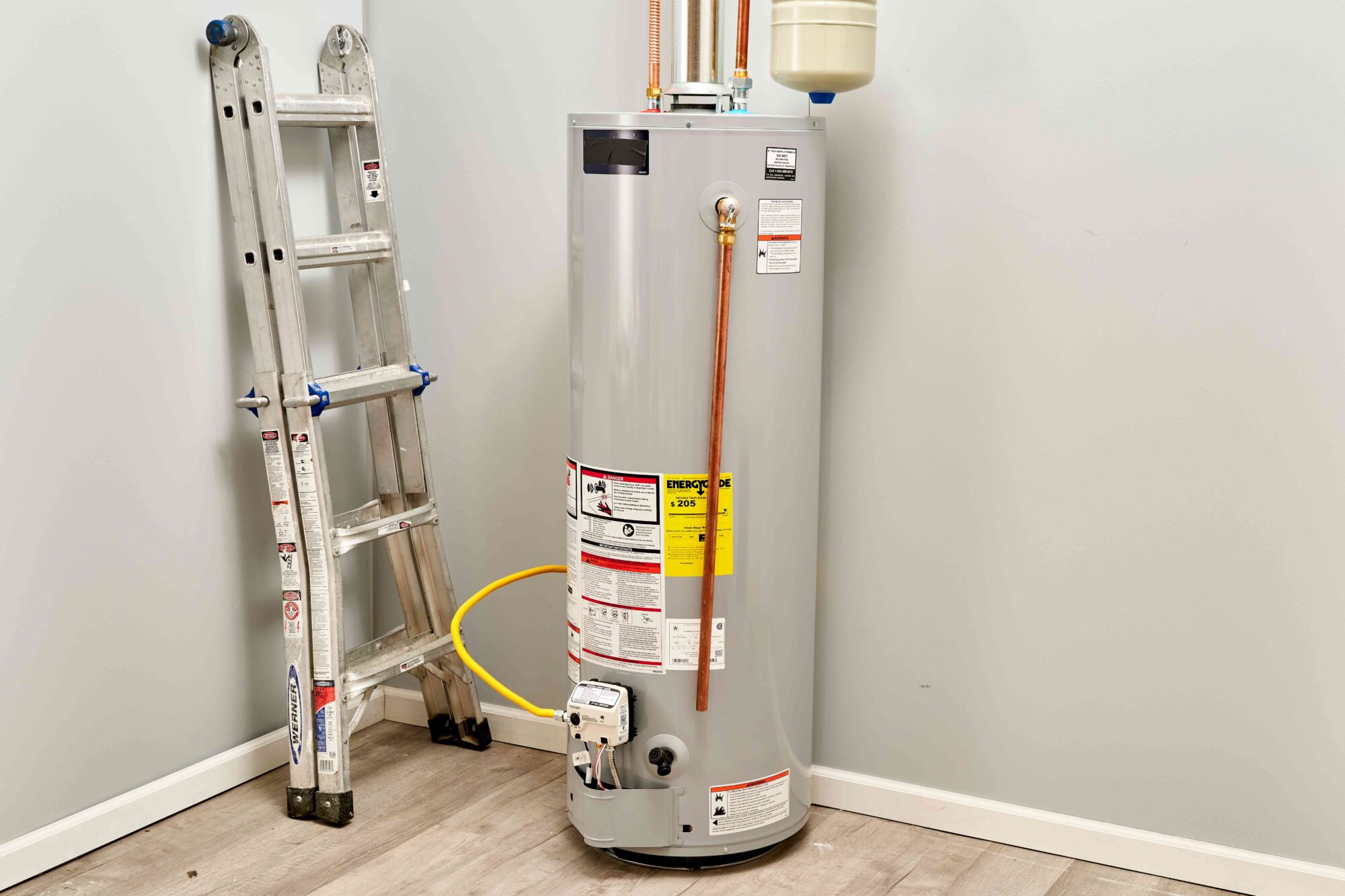
Standard tank water heaters have a lifespan of about 8 to 12 years with regular upkeep. Corrosion of the tank shell and sediment buildup on the tank bottom mainly abridge life. Sediment retains heat against the steel and accelerates rusting.
Look at the warranty sticker for the manufacturer’s advice about service years and when to replace. Some offer a 15-year limited warranty for certain failures, though that’s not typical for entry-level models. Yearly duties include flushing the tank to remove sediment, testing the sacrificial anode rod, and checking the temperature-pressure valve.
Flushing is easy and it works. Skip it and the unit can burn out years sooner. Monitor age and maintenance so you can schedule replacements before an unpredictable leak damages floors or walls.
2. Tankless Heaters
Tankless water heaters typically last 15 to 20 years, almost twice as long as conventional tanks. In hard-water areas, scale and mineral deposits can clog heat exchangers, so regular descaling is essential.
Descaling can run over $200 for some machines, but that cost can be spread out over both a longer lifespan and energy savings. Several tankless systems provide extended warranties of as much as 15 years that can cover scale-related failure when maintenance is current.
Follow how it is performing, observe diminished flow or temperature dips, and book an annual service to optimize reliability and long-term savings.
3. Heat Pump Heaters
Heat pump water heaters generally have a lifespan of 10 to 15 years when regularly maintained. They depend on refrigeration parts and a compressor, so yearly inspections of the heating system and refrigerant circuit prevent breakdowns.
Keep an ear out for strange sounds, extended heat cycles or reduced output as these indicate wear or a decline in efficiency. Leave space around for ventilation and service access.
With good maintenance, such systems can live on operationally for quite some time. Care and upgrades in some systems can extend life up to three times beyond the junked units.
4. Solar Heaters
Lifespan expectations: Solar water heaters can last 15 to 20 years when maintained. Check panels, plumbing, and mounts for leaks, shading, or damage.
Inspect expansion tanks and pressure regulators to prevent wear on the system. Track energy production and water temperature over time to identify patterns indicating a malfunctioning collector or controller and arrange early repairs.
5. Condensing Heaters
Condensing water heaters have a lifespan of 10 to 15 years. They require routine burner servicing and vent inspections.
Scan the heat exchanger and condensate drain for corrosion or blockages. These high-efficiency units conserve fuel only if they’re maintained to prevent condensate-caused corrosion.
Warning Signs
There are warning signs that almost always precede a broken water heater. Check performance, sounds, scars, and water quality. Keep a straightforward checklist to track these warning signs and intervene early to prevent larger and more expensive repair bills or water damage.
- Common warning signs:
- Age greater than 10 to 15 years.
- Rusty, discolored or foul-smelling hot water.
- Decreased hot water capacity, we’re running out faster now.
- Rumbling, banging or popping noises from the tank.
- Moisture or active leaks at the base, fittings or connections.
- A lot of repairs in the last year or two.
- Unexpected, unexplained increase in energy bills.
- Corrosion or rust that can be seen on the tank.
Make a checklist of manufacture date, last servicing, frequency of odd noises, recent repairs, and any water-quality tests. Refresh it every few months. Use it to determine whether to call the plumber, flush the tank, or schedule a replacement.
Catch small problems early. Flushing sediment, tightening fittings, or replacing anode rods can extend service life and reduce the risk of leaks. Left unchecked, small problems often become costly. A pinhole leak can lead to floor damage and mold, and heavy sediment can warp heating elements or cause a burst.
Promote consistent monitoring. Check for dampness at the base and warmth at the tank. Warning signs include paying attention to water discoloration and odor after letting the hot tap run for a minute. Keep warning flags on how fast it takes the heater to reach the set temperature and if hot water runs out earlier than it did a year ago.
Age
Most water heaters need to be replaced after 10 to 15 years, although it depends on the model and upkeep. Find the manufacture date on the unit label, usually a stamped code or printed tag, for an accurate age check.
Older units tend to break down, leak, and consume more energy. Schedule replacement before the unit goes out to circumvent emergency expenses and potential property damage.
Noise
Rumbling, banging or popping noises typically indicate sediment buildup or failing components. Flush the tank; it can flush out sediment and reduce noise in tank heaters.
Do this once a year if water is hard. Rattling noises that continue after a flush could indicate internal damage or imminent failure. Get a pro to check it out, do not just keep tuning out the noises.
Water Quality
Discolored, rusty or foul smelling water can indicate tank corrosion or liner failure. If hardness leads to sediment buildup, install a water softener that benefits both tank and tankless units.
Test water quality regularly to catch issues early. Poor water quality reduces heater longevity and increases repair requirements.
Leaks
Leaks: Any leak from the tank or connections requires immediate attention. Inspect the base, fittings, and water lines frequently for dampness.
Waiting on leaks can lead to costly water damage and mold. If it continues to leak once you’ve made repairs, replacement is the wise option.
Performance
| Indicator | Normal | Warning |
|---|---|---|
| Time to heat (liters/min) | Manufacturer spec | Noticeable slowdown over weeks |
| Hot water duration | Matches past use | Runs out faster than before |
| Energy use | Stable | Unexplained increase |
| Pressure | Stable | Drop when hot water used |
Track heating time and pressure over weeks. Benchmark present performance against previous utilization to detect gradual erosion.
Replace if the unit cannot keep up with household demand or exhibits multiple warning signs.
Longevity Factors
Water heater longevity is a function of many interrelated factors. The numbered list identifies the key drivers, followed by a section that breaks into targeted subheads that describe how to control each factor.
- Water chemistry and hardness — Minerals in water leave sediment and accelerate corrosion, reducing tank life and fouling heating elements. Hard water encourages scale that impedes heat transfer and causes the unit to work harder. Untreated hard water may void the warranty and send repair bills soaring. A whole-house softener or point of entry conditioner cuts scale as well. Tankless units located in hard-water zones will require periodic descaling to maintain efficiency.
- Upkeep and servicing frequency — Simple tasks have a direct impact on lifespan. Yearly maintenance — flushing tanks, inspecting anode rods and exercising pressure-relief valves — keeps minor issues from turning into breakdowns. Most homeowners sign up for annual maintenance plans to secure service and maintain warranty coverage.
- Usage intensity and size — Intense daily demand generates on/off cycles and thermal stress that reduce lifespan. Units that are too large or too small contribute to inefficiency and premature wear. Right-sizing for household demand and reasonable temperature settings takes the strain off.
- Installation quality and environment impact life. Proper installation, venting, and placement away from corrosive environments such as saline air and chemical fumes are essential. Bad venting or improper gas pressure results in incomplete combustion and premature failure.
- Unit type and technology — Tankless systems tend to last 15 to 20 years. Traditional tanks average 8 to 12 years. Certain newer systems and protective attachments can extend life dramatically. There are reports of up to a 300 percent increase in lifespan with certain attachments and designs. Limited warranties associated with scale protection, such as 15 years of limited coverage, are offered on specific models.
- Maintenance costs for upkeep, such as descaling for tankless units, can cost more than 200 USD per visit in certain markets. Planning for these expenses influences total cost of ownership and replacement decisions.
Water Hardness
Hard water promotes scale build-up, which reduces efficiency and overheats elements. Tank models accumulate sediment that insulates the heating surface, while tankless units develop scale on heat exchangers. Install a whole-house softener or an inline conditioner to reduce mineral-related wear.
For tankless units, schedule annual descaling if you live in a hard-water area. Frequent descaling not only prevents damage but keeps your warranty intact. Untreated hard water might void some warranties and hike up repair costs, so read those manufacturer terms.
Maintenance Routine
- Annual flush and sediment removal for tanks.
- Replace anode rods every 3–5 years, or as inspected.
- Pressure-relief valve test and drain pan check yearly.
- For tankless: annual descaling and filter cleaning. Anticipate prices above $200 for each service occasionally.
Maintain a record of maintenance including dates, services, and the service provider. Sign up for an annual plan with a reputable plumber or HVAC firm to get prompt attention. Good maintenance reduces the risk of breakdown and increases lifespan.
Usage Demands
Elevated hot-water usage increases wear, and a busy household can knock a decade or more off the lifespan. Size the unit to peak flow and daily volume to avoid working it too hard.
Maintain temperatures in the moderate range of 50 to 60 degrees Celsius to balance comfort and scalding risk. If your habits evolve with additional residents or new appliances, think about replacing it with a bigger or more effective version.
Others have reported that tankless units have lifespans approaching double that of tanks when usage and maintenance are similar.
Repair or Replace?
Make that determination by considering present condition, repair price and projected future issues. Age, repair history, and type of heater laid the groundwork. A clear rule helps: if repair costs exceed half the price of a new unit, replacement is usually the better investment. Units older than 10 years are at higher risk of leaking and sudden failure, so replacement frequently makes more sense even when a single repair looks economical.
- Pros and cons: repair versus replacement.
Repair — Pros:
- Cheaper in the short run when problems are minor.
- Extends a still-healthy tank or tankless unit if years are low.
Repair — Cons:
- May conceal underlying wear, causing more repairs in the near future.
- Parts can be obsolete or difficult to obtain for older units.
- If repairs approach 50% of new unit cost, not much future worth.
Replace — Pros:
- Warranty is new and there is less chance of near-term failure.
- Better mileage, newer safety features, longer life.
- Now have the opportunity to choose a better-sized or tankless model for your needs.
Replace — Cons:
- More to install and pay for initially.
- Could require updating of venting, gas, or electrical connections.
- Disposal of old unit introduces a small cost and logistics.
Consider age and track record. Traditional tank heaters typically survive for 8 to 12 years. Tankless models can endure 15 to 20 or more years when properly maintained. If the unit is less than 6 to 8 years old and you don’t have any tank corrosion or leaks, repairs are generally reasonable since heaters, thermostats, anode rods, and other components are all designed to be swapped and tend to be inexpensive.
If the heater is 10 to 15 or more years old and issues come back, that age alone strongly recommends replacement, as units older than 10 years are more prone to have another failure shortly after one is repaired.
Consider the repair economics. Ask for a detailed parts and labor quote. Now contrast that against what a new one costs with installation and necessary upgrades. Use the 50% rule: when repair exceeds half of replacement, choose replacement.

Consider non-cost factors too: frequency of past repairs, severity of leaks, and the consequences of sudden failure, such as flood risk and absence of hot water for occupants.
Reduce future risk by following maintenance steps: annual flushing to cut sediment buildup and regular anode rod checks and replacement to prevent corrosion. Those steps add longevity and make repairs that do happen more worthwhile.
Upgrade Justifications
Upgrading a water heater is one of those cases where there’s usually a good reason to do so other than a feeling. It dissects when replacement outruns repair, the quantifiable advantages of newer models, and the more general considerations—price, size, warranties, environmental impact—that ought to inform the decision.
Efficiency Gains
New water heaters have better insulation, more efficient burners or heat exchangers, and intelligent controls that conserve energy. Upgrade justifications include swapping out a 10+ year old tank for a high-efficiency tank or even better, a heat-pump model, which can reduce energy bills significantly.
Look for ENERGY STAR® rated units to guarantee savings. Run a simple payback estimate: compare the annual energy cost of the old unit to the new model’s estimated cost and divide the price premium by annual savings to get years to payback.
For instance, a new efficient tank might be 20–30% cheaper to run annually, while a heat-pump water heater could be potentially more efficient but requires the right sort of space. Tankless models have longer lifetimes of 15–20 years compared to 8–12 for many tanks and lower standby losses, but they come with higher upfront costs ranging from $2,500 to $4,500 compared to $1,200 to $2,500 for tank systems.
Swap out your older gear to enjoy these advances when the long-term savings and anticipated lifespan warrant the buy.
Smart Technology
New water heaters increasingly come equipped with smart thermostats, remote monitoring, and programmable settings. These capabilities allow you to reduce temperatures during low occupancy, be notified in the event of leaks or faults, and make schedule adjustments from a mobile device.
I can see how a water heater on a home automation system could intelligently coordinate its energy use by running the washer during off-peak times, thus lowering bills. Smart diagnostics can flag failing components before a breakdown, avoiding those sudden cold bursts that ruin your morning.
For households with busy, on-demand lives or second homes, remote control and fault notifications increase uptime and prevent unnecessary service trips.
Environmental Impact
Upgrading cuts energy consumption and emissions, particularly when heat pumps or solar-assisted systems are selected. Newer ones are designed to reduce water waste and more efficiently reclaim heat.
Consider lifecycle effects: longer-lasting systems lower resource use per year. Think about end-of-life disposal as well. A lot of scrap yards do recycle steel tanks and recapture refrigerants on heat-pump units.
If your unit is leaky, rusty or has required multiple repairs within 2 years, replacement avoids additional breakdowns and possible water damage. Consider rebates and warranties. Manufacturer warranties and government incentives frequently push the needle toward replacement, and the 50% rule states that if the repair cost is greater than 50% of the new unit, it is a handy financial cutoff.
The Hidden Costs
Replacing a water heater may appear as a one line item, but the total cost story is wider and can shift when and what you decide. Let’s start by observing that waiting to replace puts you at risk of emergency leaks or bursts that result in water damage. Aside from the hidden costs, a tank failure can flood floors, destroy finishes and appliances, and initiate emergency plumbing and restoration work that typically costs far beyond scheduled replacement.
Emergency service calls cost more late at night or on weekends and come with immediate mitigation costs for drying and mold prevention. Older units operate less efficiently. That lost efficiency pushes energy bills up, month after month, year after year. Then add in the increased fuel or electricity consumption and the routine minor maintenance, such as new thermostats, sediment flushing, or burner repairs, that pile on.
For instance, an inefficient tank operating 10 to 20 percent less efficiently than a contemporary unit may cost you hundreds in additional energy expenditure annually. Toss in repeated service calls and replacement parts, and the “cheap to keep” becomes expensive. Budget the entire installation route, not just the heater. Permits and inspections typically add significant costs as well.
Permit fees tend to be in the neighborhood of $50 to $150 in many jurisdictions, and failed inspections can translate to costly rework and additional inspection fees. Local building codes now often require expansion tanks, permit fees, and in some places seismic strapping, which adds around $150 to $350 to many installs. Where there are historic district rules, those approval steps can add 2 to 4 weeks to the timeline and increased labor or compliance costs.
Things specific to your site generate additional invoices. Homes without gas lines could face costs between 500 and 1,500 to run a new connection. Peripheral parts matter: expansion tanks range from 40 to 350, water and gas connectors cost between 25 and 60, and pressure relief valves are priced between 20 and 200. Oversizing the tank increases the purchase price and operating costs, while undersizing results in running out of hot water during peaks.
This situation can nudge owners toward premature replacement or adding a second unit. Mineral-heavy water can speed up corrosion and reduce lifespan. Hard water areas experience accelerated failure and might require water softening to safeguard a new unit. Installation decisions influence ongoing hazards.
Self-install voids manufacturer warranties, exposing homeowners to replacement costs should premature failure occur, which can easily run to thousands. Think about potential plumbing upgrades, ventilation alterations, and the expense and time of juggling permits and inspectors to decide on an intelligent, economical decision.
Conclusion
The majority of tanks will survive between 8 to 12 years. Tankless units can last 15 to 20 years. Inspect for rust, insufficient heat, excessive noise, or leaks. Locate the manufacture date on the tank or label. Keep service records and flush the tank annually to reduce scale. Repair small components such as valves and thermostats if the remainder appears robust. Replace the unit if leaks begin, rust spreads, repairs exceed 50 percent of a new water heater, or hot water runs out regularly.
For an easy example, a 10-year-old heavy scale-laden tank with a leaking seam has to be replaced. A 7-year-old tank with a worn valve can wait while you replace the valve. Make a decision based on age, condition and repair cost.
If you like, e-mail me your model and symptoms. I can assist with repair or replace.
Frequently Asked Questions
How long does a typical water heater last?
A traditional tank water heater typically has a lifespan of 8 to 12 years. Tankless models, if maintained, can last 15 to 20 or more years.
What are the top signs I should replace my water heater?
Check for rust on the tank, constant leaks, inconsistent hot water, odd noises, and frequent repairs. Any of these frequently imply replacement is smarter than repair.
Can I repair an old water heater instead of replacing it?
If the unit is under 8 years and the problem is minor (such as a thermostat or heating element), repair can be economical. After 8 to 10 years, replacement generally provides more value and peace of mind.
How does water quality affect water heater lifespan?
Hard or acidic water accelerates corrosion and scale accumulation, reducing service life. A water softener or routine flushing does increase service life and efficiency.
When should I upgrade to a more efficient model?
Replace when your unit is aged, inefficient, or requires significant repairs. Newer units conserve energy, reduce bills, and potentially qualify for rebates, usually paying themselves back over time.
Is a leaking tank always a reason to replace the water heater?
Yes. A tank leak is internal corrosion and failure just around the corner. Replace the unit. Leaking patches are only a temporary fix.
How often should I have my water heater serviced?
Have your heater serviced every year. An annual inspection keeps issues at bay, supports efficient operation, and can add years to the unit’s longevity.