
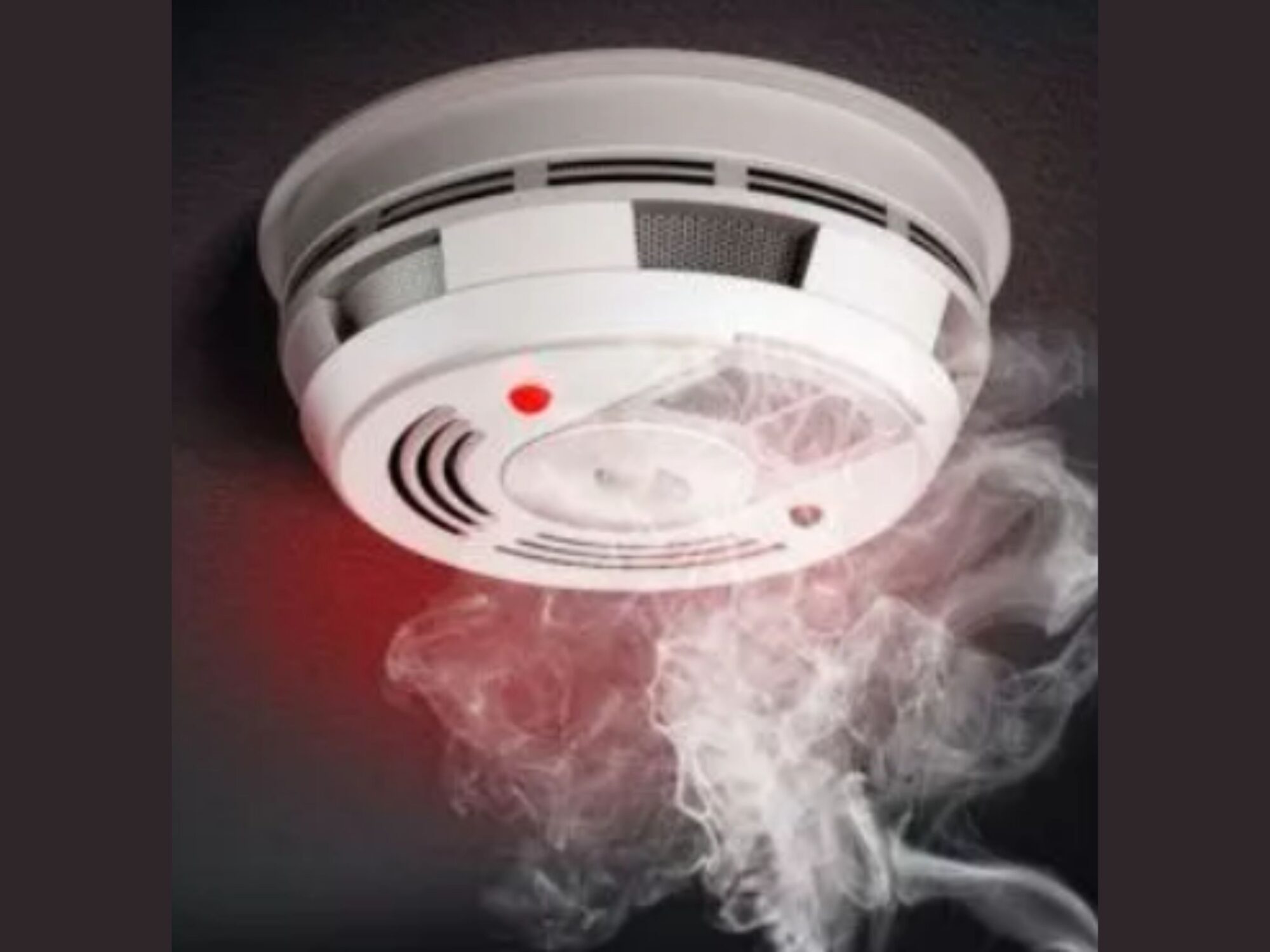

Key Takeaways
- Smoke detectors and carbon monoxide detectors should be placed throughout the home, ideally on each level, including basements and attics, to provide early warning for fire and CO hazards, as well as guidance from manufacturers and local codes.
- Install smoke alarms on ceilings 4 inches from walls or on walls 4 to 12 inches below the ceiling. Install CO alarms at breathing-zone height for the best chance of accurate detection.
- Install alarms close to and outside sleeping rooms, within 10 feet of bedroom doors, and in bedrooms when there are fuel-burning appliances or attached garages present to guard those who are sleeping.
- Avoid places near vents, windows, bathrooms, and kitchens, with a minimum of 10 feet from cooking, and drafty areas to minimize false alarms and guarantee accurate sensor readings.
- Make sure alarms can be heard and reached by all members of your household with interconnected systems, visual or vibrational alerts for the hearing impaired, and mounting units that can be easily tested and maintained.
- Smoke detector and carbon monoxide detector placement. Use UL-listed or equivalent units, adhere to installation instructions, and test regularly. For open-plan homes, consider additional units or smart/interconnected units for remote monitoring.
Smoke detector and carbon monoxide detector placement refers to positioning alarms in locations where they will sense fires and gas leaks quickly. This means adhering to building codes and manufacturers’ rules for placement, which call for ceiling mounting for smoke and bedroom coverage for carbon monoxide.
Place detectors out of drafty areas and away from kitchen spaces that often trigger false alarms. Regular testing and battery changes keep them ready.
The sections that follow provide room-by-room placement, installation tips, and maintenance steps.
Understanding The Threats
Smoke and CO are largely invisible killers that can strike before a resident is aware of danger. Early detection is the only practical defense in a lot of homes. In the next sections we’ll discuss how each threat acts, why placement is important, and what to do in practice to minimize risk.
Smoke Behavior
Smoke rises rapidly and spreads across ceilings, so ceiling smoke detectors are the most efficient method of detecting a fire in the making. Ceiling placement allows sensors to sample the hot gases and particles that accumulate at the top of a room. Place detectors a minimum of 4 centimeters from the wall-ceiling line to prevent dead air where smoke might not arrive at a sensor quickly.
Smoke can drift on air currents, through vents, door cracks and other crevices. A fire in one room can cause alarms to sound in rooms far away. Install alarms in hallways and living rooms in addition to bedrooms to detect smoke that travels along corridors. When a smoke alarm goes off, you might have fewer than two minutes to get out, so coverage counts.
Hot smoke wants to rise and spread quickly, while chemical and particle sizes are dissimilar. This is why some types of smoke cause ionization alarms to sound first and others cause photoelectric alarms to sound first. There are two basic types of smoke alarms: ionization and photoelectric. Install combination alarms or a combination of both types to cover different fire types.
Remember, your smoke alarms have to be tested every month and replaced every 10 years! Smoke alarms belong in every room where fires could start. Kitchens need a nearby alarm but not so close that cooking fumes cause nuisance trips. Install alarms in living rooms, bedrooms, and both the base and top of stairways.
Combination alarms protect against two silent killers—fire and carbon monoxide—in one device, which makes placement easier for many families.
Carbon Monoxide Behavior
Carbon monoxide mixes evenly with air and neither rises nor falls. It does not accumulate in the upper areas of a room the way smoke does. That makes low-wall placement a myth. Putting CO alarms low because CO is “heavier than air” is wrong. CO alarms should be placed at breathing-zone height—eye or chest level—where we typically breathe.
CO can seep into a home from attached garages, chimneys, defective furnaces, water heaters, and other fuel-burning appliances, then circulate via HVAC systems or open paths. Carbon monoxide is the number one cause of accidental poisoning deaths in America. Trace amounts can accumulate gradually over hours, so persistent observation is key.
CO detectors do not measure exposure levels but should not be installed directly above or beside fuel-burning appliances. In Maryland, for example, carbon monoxide alarms are mandated on each level of rental properties, even basements.
CO poisoning symptoms can be headache, nausea, dizziness, confusion, and unconsciousness. Early detection saves lives.
Optimal Placement Strategy
Optimal placement of smoke detectors and CO detectors gives you time to warn and minimizes risk throughout the home. Install them on each level, in sleeping areas first and in combination units where there are multiple hazards. Observe manufacturer and code recommendations for spacing, height, and minimum distances from fuel-burning appliances.
1. Every Level
Need at least one smoke alarm and one CO detector on every level, finished and unfinished, including attics and basements. Basements commonly accommodate furnaces and water heaters, so put alarms near these appliances but not within 15 meters; local codes usually specify distances.
Above attached garages, place CO detectors to detect any vehicle exhaust wafting in. Check building codes for the precise number of alarms required per level and manufacturer height advice. CO detectors are often positioned around 1.5 meters above floor level to prevent tampering and to follow warm air currents.
2. Inside Bedrooms
Install smoke alarms in each bedroom so residents are warned even while sleeping. Place CO detectors in bedrooms adjacent to garages or housing fuel-burning appliances.
Mount wall units about 1.5 meters high and a minimum of 15 meters away from stoves or fireplaces. Avoid placing alarms near windows, doors, and heating or cooling vents to minimize false alarms and enhance detection precision.
For master bedrooms, a combination smoke and CO alarm offers wide coverage without multiple units.
3. Outside Sleeping Areas
Place smoke and CO detectors in hallways outside sleeping areas, so you can protect several bedrooms with one alarm. Alarms have to sit within 3 metres of each bedroom door so that everyone hears the alert.
If you can’t put units on every level, target the hallway within 3 metres of bedroom doors. Don’t install detectors immediately over doors or in dead-air corners where airflow is limited. Mark units and test them often for battery life and volume strength.
4. Kitchen Perimeters
Do not install normal smoke alarms in kitchens to reduce annoying alarms from cooking. Position smoke alarms at least 3 meters away from cooktops and stoves.
Install heat alarms above or near cooking appliances, which sense rapid temperature rise and won’t activate due to steam. Position CO detectors adjacent to fuel-burning kitchen appliances but not directly overhead.
Keep a 15-meter distance from burners where feasible. Adhere to manufacturer minimum-distance recommendations for consistent performance.
5. Basements and Garages
Place smoke and CO detectors in basements with particular attention near furnaces, boilers, and water heaters. For attached garages, install CO alarms approximately 1.5 meters above the floor and a minimum of 3 meters from the garage door to prevent flows that bypass the sensor.
Don’t locate detectors adjacent to flues or chimneys where soot can foul sensors and make sure there’s proper ventilation so alarms sound in time to warn of danger.
Installation Specifics
Refer to manufacturer instructions and the care booklet for the proper installation height and precise location for each alarm. These will specify model-dependent requirements and wiring or battery information. Employ UL-listed smoke/CO alarms.
Mount alarms to walls or ceilings with supplied brackets or screws and guaranteed power, which can be replaceable, sealed long-life, or hardwired with battery backup. We test each unit post-installation to validate sensor response and audible alerts.
Wall vs. Ceiling
Install smoke detectors on the ceiling at least 4 inches (approximately 10 cm) from the nearest wall to capture smoke most effectively. If you have to mount a detector on a wall, install it 4 to 12 inches (10 to 30 cm) below the ceiling so ascending smoke encounters the sensor as rapidly as possible.
Carbon monoxide detectors should be on walls at roughly 1.5 meters (5 feet) above the floor to monitor CO that rises with warm air. This height targets the breathing zone for occupants. Place detectors a minimum of 4 meters (15 feet) away from any gas appliance such as a stove or fireplace and at least 3 meters (10 feet) away from a garage door into the house to prevent false CO readings from passing fumes.
If using only one CO alarm, install it in the vicinity of bedrooms and check that it is loud enough to rouse even deep sleepers.
Airflow Considerations
Avoid installing alarms near air vents, ceiling fans, HVAC ducts and strong drafts. These can blow smoke or carbon monoxide away from the sensor and cause delayed activation. Do not install detectors near windows or doors where fresh air can dilute concentrations and forestall detection.
Instead, place alarms where normal thermal currents will waft smoke or carbon monoxide towards the unit. Hallways outside bedrooms are typical. Ensure the detector has unobstructed airflow on all sides so it can respond within required timeframes.
Many UL-approved carbon monoxide alarms will alert within 30 to 60 minutes, while 70-ppm UL 2034 models may take 1 to 4 hours.
Obstruction Avoidance
Installing alarms behind furniture, curtains or shelving that obstruct air flow to the sensor is not advisable. Keep decorations and storage at least a few inches from the unit because even minor obstructions can delay detection.
Avoid tight corners where the air stands. Check locations from time to time to ensure that nothing has been moved in front of the detector. For battery-powered models, test them once a week and change the batteries once a year unless you’re using long-life batteries.
Normal CO detector batteries last around five to seven years depending on the manufacturer and usage. Position alarms to warn occupants within 15 minutes of a dangerous CO level.
Common Placement Errors
Placement decisions determine how effective smoke and CO detectors are. Mounting them in the incorrect location leads to nuisance alerts, event omissions, accelerated sensor degradation and blind zones. Detectors work best when they’re high, away from drafts and direct heaters, and positioned to protect sleeping areas and each floor.
Avoid installing smoke alarms or CO detectors in close proximity to bathrooms, kitchens, or heating vents. Steamy showers and cooking fumes can trigger smoke sensors. Other common placement mistakes include positioning detectors a minimum of 10 to 20 feet from cooking appliances to minimize nuisance trips.
Never place a detector above a stove or oven because steam and small cooking particles rise and activate alarms quickly. If a kitchen requires coverage, either deploy a photoelectric kitchen-rated alarm or position a detector just outside the kitchen door, far enough away to cover but less likely to be triggered by false alarms.

Don’t install detectors near windows or doors or in very drafty areas. Air flow from open windows, exterior doors, or poorly sealed joints can sweep smoke or carbon monoxide out from the sensor or dilute concentrations so they don’t hit alarm levels. Keep detectors at least a few feet away from ceiling fans and vents. Drafts trigger sporadic readings that drain battery life and strain upkeep.
Never install alarms directly above or beside fuel-burning appliances. Positioning a CO detector directly over a gas furnace, water heater, or fireplace can subject the sensor to low-level, regular exhaust that triggers false readings and sensor deterioration.
Instead, install CO detectors on the ceiling or high on a wall, 4 to 12 inches (10 to 30 cm) below the ceiling when wall-mounted, and not immediately next to the appliance. Try to keep it at least a little bit to the side so the alarm detects build-up in the room, not regular appliance fumes.
Placement mistakes are common. Mounting height and coverage do matter! We prefer ceiling mounting because smoke and CO rise. Wall mounts belong 4 to 12 inches below the ceiling.
Mount at least one detector on each floor of a residence, basements included, and one in every bedroom or sleeping area. Watch out for common placement errors. Loft beams, high cabinets, and decorative molding can all block flow to the sensor.
Common placement errors:
- Too close to kitchens, bathrooms, and steam sources
- Directly above stoves, ovens, or fuel-burning appliances
- Near windows, exterior doors, or frequent draft paths
- Not under ceiling fans or air vents that blow air away.
- Mounted too low on walls or inside obstructed spaces
- Insufficient detectors per floor or per sleeping area
The Human Factor
Placement of alarms has to work for the people that inhabit the space. Think about who sleeps where, who has impaired hearing or vision, and how daily schedules flow through the home. Alarms need to be sited with consideration so that each occupant can hear, test, and maintain them.
A lot of failures are due to the human factor, such as forgetting to test, procrastinating on battery replacement, or losing a unit. Make choices that reduce the chance of those errors: reachable mounts, clear labels, and routines tied to yearly tasks such as battery changes and daylight saving checks.
Audibility
Checklist to ensure audibility in sleeping areas:
- Install a minimum of one alarm in every bedroom and one outside of sleeping rooms in the hallway. Add extra alarms for bigger homes.
- Verify sound level: alarms should emit at least 85 dB at 3 m when new. Test when prone to verify awaken ability.
- Avoid closed doors and sound-absorbing spaces. Install detectors on ceilings or high on walls in the room instead of behind doors or in closets.
- Use linked alarms so one sets off the whole house. Hardwired or wireless interconnectivity operates.
- Include visual alarms such as strobe lights for the hearing impaired. Install more powerful models where necessary.
Don’t hide alarms in soundproofed rooms or behind tone-muffling curtains. Wireless alarms make it less likely that a slumbering soul will fail to hear an alert. Install visual alert devices when anyone has a mild or greater hearing impairment.
Accessibility
Install detectors at adult heights so you can test and change the battery without a ladder. This is usually 2 to 2.5 meters above the floor when ceiling access is not feasible. Avoid super high vaulted ceilings and above stairwells where regular testing becomes dangerous or skipped.
Put controls and status LEDs at eye level or in easy view so low vision or mobility-limited occupants can read them. Tag each with installation date and next battery change due. A prominent label diminishes user error and assists in replacement tracking.
Folks tend to neglect to switch out batteries once every year or so. Maintain a household diary or electronic reminder linked to a calendar. Make sure indicators and test buttons are reachable from a seated position for wheelchair users. If they cannot maintain this, leave a caretaker or neighbor with specific instructions.
Special Needs
Use strobe light alarms and vibrating pillow pads for deaf individuals. Place these devices where they sleep and where they sit for extended periods of time. Choose alarms with voice alerts for kids or dementia. Voice messages can be clearer than beeps and lessen panic during an event.
Designate locations so wheelchair users can try alarms from the ground level and ensure escape routes are unobstructed. Think low wall mounting and accessible test buttons. Write down easy emergency steps and hang them where everyone can see. Practice them.
Modern Home Considerations
Open-plan living resets where and how alarms should rest. In spacious, more open plan rooms, smoke and carbon monoxide can disperse differently than in more segmented houses, so locations need to mirror air flow, heat sources and sight lines.
Carbon monoxide is odourless, tasteless and invisible, so detectors require intentional placement to intercept pockets of warm air rising. Position carbon monoxide alarms on a wall approximately 1.5 metres above the floor where feasible. Combination smoke and carbon monoxide alarms can reduce device clutter while covering both hazards because carbon monoxide is a component of all fires and both hazards can accompany one another.
Open-Concept Layouts
Space alarms at intervals throughout living, dining, and kitchen areas spread out coverage in open types of rooms. Never depend on a single unit. Use several detectors if you’re covering more than a single room’s floor space.
Place units close to probable danger locations like stoves, fireplaces, and attached garages, but not directly above cooking appliances where nuisance alarms are frequent. Make sure detectors sit clear of large furniture, hanging partitions, or thick drapes that may block rising smoke or warm, carbon monoxide-laden air.
Create a simple placement map for the home. Sketch the floor, mark heat sources and airflow from vents, then place alarms so no point is more than a few meters from a detector.
For expansive, open-plan areas, add more alarms instead of spacing them at the minimum permitted distance. This radiates more units, minimizes blind spots, and enhances response time. In two-storey open plans, have alarms on both floors and by stairwells where smoke or carbon monoxide travels between levels.
Smart Home Integration
Link alarms to a smart home setup to check in from afar and get immediate notices to your phone or tablet. Smart detectors have the ability to test themselves and automatically report low-battery or fault notices, so you don’t have to keep checking them.
Sync alarms to emergency lighting or sprinkler triggers where systems permit, orchestrating coordinated responses that direct both evacuation and rescue. Be sure the device is compatible with your home’s automation platform prior to purchase to prevent the mixed-brand woes that can strand units.
Go wireless or interconnected for modern homes, so you can cover wide areas without running heavy wires to every room. When one detects trouble, it can set off all the others, which is a must-have for open plans.
Test battery-operated CO detectors weekly and replace the batteries at least once per year. Routine testing and maintenance are vital to their proper function. Carbon monoxide poisoning is the foremost cause of accidental poisoning fatalities in the country, so regular maintenance and proper placement are critical.
Conclusion
Well positioned smoke and CO alarms reduce risk and gain you time. Install smoke alarms high on ceilings or on walls 10 to 30 centimeters below the ceiling. Install CO alarms outside of every sleeping area and near main living spaces, either at knee or eye level as indicated by the device guide. Keep alarms away from drafts, garage doors and cooking areas to reduce false alarms. Test alarms monthly and change batteries at least annually, or use sealed 10-year batteries. Replace alarms every 10 years for smoke and per maker’s date for CO. Install a combination of wired and battery units for coverage and backup. Check local code and install interlinked alarms in larger homes. Review your plan with family and run escape drills. Act now and put placement on its way to becoming a habit.
Frequently Asked Questions
Where should I place smoke detectors in my home?
Install smoke detectors on every floor, every bedroom, and outside sleeping areas. Install on ceilings or high on walls as smoke rises. Keep them at least 10 centimeters (4 inches) from walls if on the ceiling and follow manufacturer spacing for full coverage.
Where should I place carbon monoxide (CO) detectors?
Install carbon monoxide detectors in proximity to where you sleep and on every level of your home. Install them at knee level or above if on the wall, or as directed by the manufacturer. Do not install them directly over fuel-burning appliances to minimize false alarms.
Can I use a single combination smoke and CO detector?
Yes. Combo units save space and simplify upkeep. Make sure the unit is approved by the same testing labs that certify smoke detectors and abide by placement rules for both smoke and carbon monoxide detection to remain effective.
How high should smoke detectors be mounted on walls?
Install smoke detectors high on walls within 10 to 30 centimeters (4 to 12 inches) of the ceiling. Mounting on the ceiling is preferred. Keep them away from corners and dead-air spaces where smoke may not reach in a timely fashion.
Why shouldn’t I place detectors in kitchens or bathrooms?
Kitchen heat and steam trigger false alarms in detectors. Bathrooms generate steam which sets off nuisance alarms. Instead, situate detectors immediately outside such rooms and install heat or other specialized detectors in kitchens as required.
How often should I test and replace detectors?
Test detectors monthly and change batteries annually unless they’re sealed 10-year units. Swap out smoke and CO detectors every 10 years and carbon monoxide detectors every 5 to 7 years, according to manufacturers, for best reliability.
What common placement mistakes reduce detector effectiveness?
Common errors include not having enough units, placing detectors too far from sleeping areas, mounting in dead-air corners, and installing near vents or windows. Adhere to room-by-room placement and manufacturer guidelines to prevent these problems.