
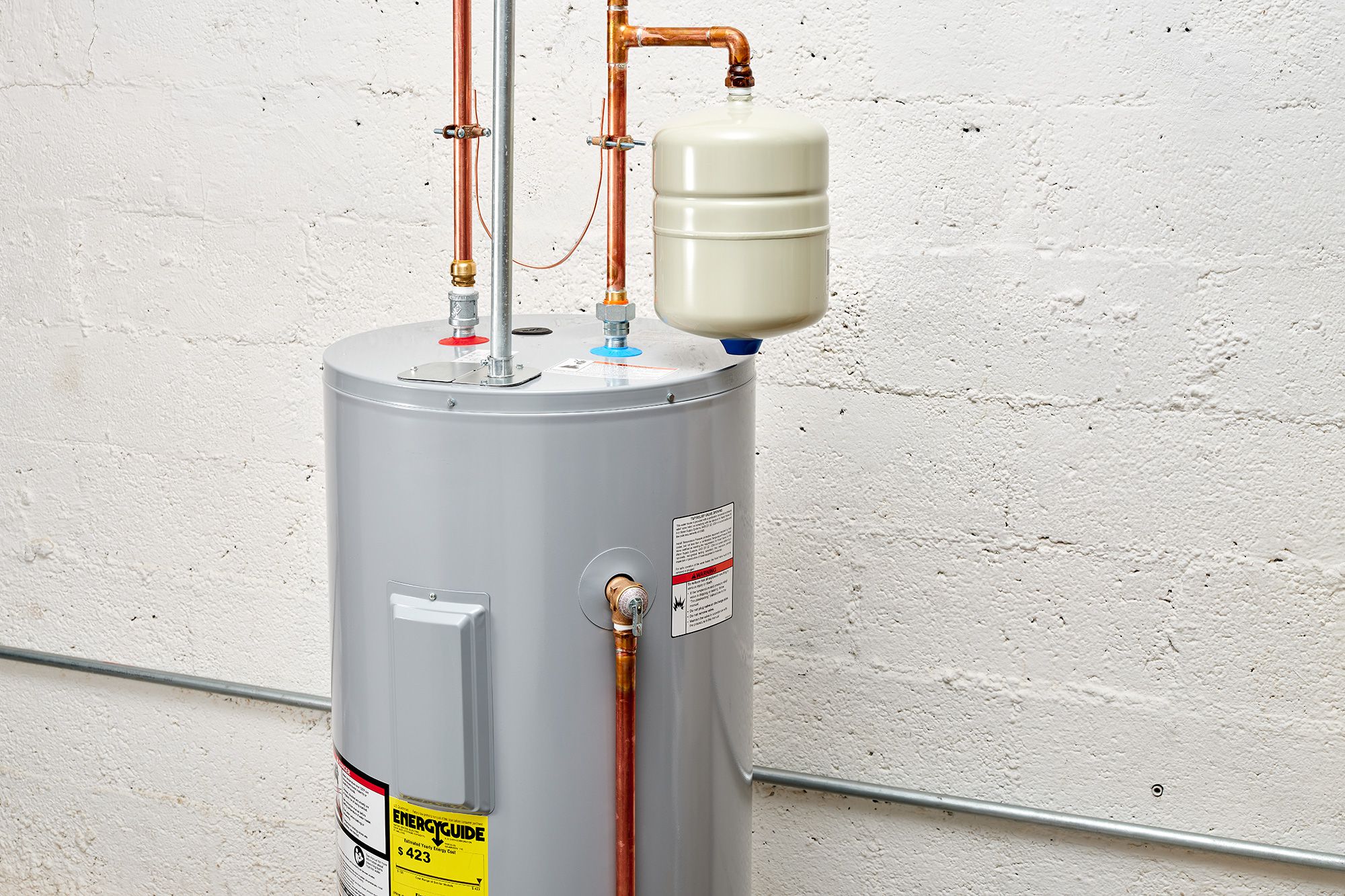

Key Takeaways
- The anode rod sacrifices itself to rust instead of the steel tank, and it needs to be inspected regularly to prevent expensive tank leaks or water heater replacement.
- Select the appropriate rod for your water with magnesium for general protection, aluminum for hard water longevity, and zinc-aluminum to battle sulfur odors.
- Check for warning signs such as discolored or foul-smelling hot water, strange popping or rumbling noises, and visible thinning or heavy corrosion on the rod.
- Replace anode rod water heater Safe anode rod replacement steps: Turn off power and water. Drain the tank. Use the right tools. Seal threads when installing the new rod.
- Tackle the usual suspects with penetrating lubricant, breaker bars or impact wrenches for stuck rods. Use flexible rods for low clearance, and check threads for damage.
- Have your water heater inspected annually, and replace the anode rod every 2 to 5 years as needed to save money, efficiency, and the planet.
Anode rod replacement water heater is the swapping of the sacrificial metal rod that slows corrosion in a tank. The rod usually survives three to five years based on water quality and use.
A replacement anode rod can save your tank’s life literally for several more years and save you a bunch on repair bills. Homeowners can test rods themselves by sight or hire a plumber for testing and replacement.
Here’s what the guide says to check, how rods wear and replacement options.
The Unsung Hero
The anode rod is a metal rod that attracts corrosives in the water, sacrificing itself to keep a water heater tank from rusting. It sits inside the tank and sacrifices its metal to corrosive compounds so that the steel shell does not. This brief role has an outsized impact. A working anode rod can extend a water heater’s life by several years, whereas a failed or missing rod can leave a tank to corrode and fail within five to eight years.
Sacrificial Purpose
The anode rod rusts away, not the steel tank walls, which keeps the tank safe. Usually made of magnesium, aluminum, or zinc alloys, the rod is more reactive than the steel and therefore attracts the electrochemical assault. As corrosive ions and dissolved oxygen in the water migrate, they go for the anode’s metal first.
Over time, the rod’s diameter diminishes. Pitting and flaking are indicators that it’s been performing. Switch out the rod once it’s chewed up. A severely thinned rod won’t protect the steel anymore and can permit pin holes to develop, which cause leaks.
For example, a homeowner in a hard-water area who swapped a corroded magnesium rod for a new one avoided a tank leak. An RV owner who neglected the rod saw rust-colored water and finally needed a full heater replacement.
The anode’s metal choice is important. Magnesium offers high defense in soft water. Aluminum is more effective in high sulfate water. Zinc aids in odor reduction from bacteria. Original diameter loss is a convenient measuring stick. If you’ve lost a third or more, schedule replacement.
Corrosion Prevention
It’s the unsung hero, the anode rod — the front line against rust inside the water heater. Without it, the steel tank is exposed to water and air and will rust much sooner. Hard water accelerates anode wear because minerals facilitate electrochemical reactions.
In these locations, a rod might have to be changed every 1 to 3 years as opposed to the usual 3 to 5. Monitor the anode during routine maintenance: drain a few liters, open the access, and inspect visually or by feel.
Popping or crackling sounds and rust-colored water are sure signs of a bad rod. Anode rod replacement is something most homeowners and RV-ers can tackle as a simple DIY project and it can prevent costly tank failure, flooded basements, and emergency replacement expenses.
Anode Rod Types
Anode rods are the little known heroes of the water heater industry. They are available in a few different basic material types and form factors, and which one is right for you depends on water chemistry, heater model, and installation access. Here are the most common types, with additional notes beneath for magnesium, aluminum, and zinc-aluminum.
- Magnesium
- Aluminum
- Zinc‑aluminum
Verify your water heater model number prior to purchasing a replacement rod. Verify length and the port type (dedicated anode port or hot water outlet) for appropriate fit. Anode rods are available in both traditional solid bar form and in flexible designs consisting of three short rods connected by flexible wires, which can come in handy when space is tight. Replaceable rods must be of the same length as the original or longer to reach the tank interior.
Magnesium
Magnesium anode rods are the standard for water heaters as they offer complete sacrificial protection and corrode preferentially. They tend to be suggested for new tanks and suburban homes with softer or lightly treated water. In hard water, magnesium corrodes quicker, which translates to shorter service life and more regular inspections.
Magnesium can interact with some sulfur-rich waters and generate hydrogen sulfide fumes, leading to a ‘rotten-egg’ odor. Switching to a zinc-aluminum rod usually remedies that. Most manufacturers provide magnesium replacements in both straight and flexible styles to accommodate different heater designs.
Aluminum
Aluminum anodes fit well in high-mineral or hard water regions as they stand up to faster corrosion better than magnesium and tend to last longer. They offer a little less protection than magnesium in galvanic activity. Their longer life comes in handy where service access is difficult.
Older heaters frequently have aluminum rods, and they’re a decent retrofit when magnesium gives out too soon. There’s debate about aluminum exposure and health, with some studies suggesting it could be linked to neurological concerns. Homeowners concerned about this should evaluate the tradeoffs or check local recommendations.
Aluminum rods come in both solid and flexible varieties and can be installed through either an anode port or the hot water outlet, depending on the model.
Zinc-Aluminum
Zinc-aluminum rods mix aluminum’s long life with zinc’s ability to neutralize hydrogen sulfide, so they’re the go-to for water heaters with stubborn sulfur smells. They eliminate the rotten-egg odor found in many well water supplies and are typically advised for use in RV units and direct-vent heaters which tend to smell faster.
These rods fit the identical ports as other varieties and are available in flexible forms for skinny tanks. If odor is a primary concern, zinc-aluminum is a convenient option, but consult manufacturer guidance as some tanks designate specific materials. Anode rods need to be checked once a year during maintenance.
Replacement Indicators
Knowing the replacement indicators for an anode rod can save your water heater. The anode rod is the sacrificial lamb, if you will, of corrosion. When it’s used up, the tank itself starts to corrode. Here are the warning indicators, a symptom checklist, and action steps to help you identify trouble and get ahead of expensive repair.
Water Quality
Brown, smelly hot water can indicate anode rod erosion. Rusty-brown water or a metallic bite indicates corrosion in the tank and the dissolving of the rod’s cathodic protection. A powerful rotten-egg smell signals bacteria fostered by a rusty rod. It is particularly prevalent in tanks with warm, oxygen-free environments.
More sediment in hot water and cloudiness can succeed a failing anode. When the rod ceases to inhibit corrosion, sediment settles, which traps heat and hastens wear. Hard water accelerates anode corrosion, so homes with high mineral content should inspect rods more frequently.
Replacement Indicators, check water lines and hot faucet output regularly. Run hot water for a few moments and observe the color, smell, and taste. If changes show up in the hot line but not the cold, suspect the heater or anode. Units that are 8 to 10 years old or older should have a replaced or inspected rod if not already.
Unusual Noises
Popping, banging, or rumbling from the tank may be an anode issue. Once a rod is used up, rust and sediment on the tank bottom trap heat under the sediment. Steam pockets pop in and out of existence, making banging noises. These are often preceded by sporadic pops that increase in frequency.
Hear for working signs during regular use. Include sound checks in routine maintenance: run hot water, stand near the heater, and note new noises. Deal with odd noises quickly. Persistent sediment and heat stress can warp the tank, causing leaks or failure.
Visual Inspection
Turn off power and water before checking the anode rod. Safety matters: electric or gas power and pressurized water must be isolated. Take the rod out with the proper tools and inspect it for thinning, pitting, or heavy rust. A rod that is shaved down considerably in diameter or fractured in sections must be replaced.

Just compare the rod to the original size or a new rod to know how much life is left. Record condition with pictures and notes, then arrange replacement if the rod appears heavily corroded or segmented. Rod materials are magnesium, aluminum, and zinc.
Powered anode rods that use electricity last even longer but are more expensive. New rods run somewhere around $30 to $60 at typical hardware stores. Handy homeowners and do-it-yourself plumbers can do checks, but be careful. Avoid costly repairs and breakdowns with routine inspection and timely replacement.
The Replacement Process
A defined, linear style of work preserves the task secure and effective. Here’s a numbered outline of the entire process, with subsequent sections on safety, tools, searching for the rod, removal and installation.
Proceed with each step and the associated safeguards to minimize potential for harm.
- Shut off power or gas and close the cold water supply valve.
- Let tank water cool. Open a hot faucet to vent.
- Connect a garden hose to the tank drain and drain a few liters (gallons) into a bucket or floor drain until pressure subsides and the water level is below the anode opening.
- Free up the space above the tank and remove any insulation or top pan to reveal the anode rod head.
- Have at least two people. One steadies or straps the tank. The other uses a 1 1/16-inch deep socket on a ratchet or impact wrench to loosen the rod.
- Lube up the nut and get after it with consistent pressure. If frozen, use a breaker bar, a steel pipe for leverage, or a Milwaukee M18 Fuel impact wrench while a strap secures the tank. Be careful and don’t cause any collateral damage.
- Pull out the old rod, examine it, carefully discard it, and clean the opening.
- Wrap the threads of the new, model-matched anode rod with Teflon tape and insert it. Secure it with the 1 1/16-inch socket.
- Tank replacement, water restoration, leak detection, power relight and hot water purge.
1. Safety First
Turn off power at the breaker for electric heaters or turn off the gas control and pilot for gas models. Close the cold-water inlet.
Allow the tank to cool because scalding water causes terrible burns. Use gloves and eye protection when cleaning corroded metal. Ventilate well.
For gas units, don’t stuff it in a closet because carbon monoxide is not a myth. Keep a second person around to help steady the tank or tools.
2. Tool Checklist
Collect a 1 1/16 deep socket and ratchet, along with a breaker bar or impact driver for obstinate rods. Remember to bring a garden hose or drain bucket, Teflon tape, lubricant, gloves, eye protection, and a screwdriver to pop off covers.
Think steel pipe for added leverage and a strap to secure the tank. Have a Milwaukee M18 Fuel impact wrench handy if that nut will not budge.
3. Locate Rod
Most anode rods nestle at the upper middle below a plastic cap or metal head. Consult your water heater manual or model number online for precise location.
Free overhead space so the rod can be lifted directly out. Strip away any insulation or top pan to expose the nut.
4. Removal
Affix the deep socket and rotate counterclockwise as a ratchet or impact wrench operates. Hold the tank or strap it, and you crank on the other side.
If the rod breaks loose, tug gently. The entire task, once the rod has been freed, generally requires five minutes. Record rod status for subsequent inspections and discard appropriately.
5. Installation
Wrap new rod threads with Teflon tape, thread in by hand, then tighten with the 1 1/16-inch socket. Fill the tank, open the cold supply and check the nut for leaks.
Turn power back on or relight gas, then run hot water to bleed air.
Overcoming Challenges
Anode rod replacement can be simple. The usual suspects can easily transform a one hour task into a maddening afternoon. Below are practical responses to the three most frequent problems: stuck rods, low clearance, and thread damage. Every sub-section outlines clear steps, tool decisions, and when to put down the drill and call a pro. Record any problems and results for future service or warranty claims.
Stuck Rods
Drip penetrating oil on the nut and let it settle for a minimum of 30 to 60 minutes. Repeat if rust is intense. Use a long breaker bar or, better yet, a 1/2-inch drive socket with a breaker bar for steady, controlled leverage. This can give you the torque needed in bursts, but not sustained high torque that deforms fittings.
If the rod continues to resist, do not pull with sheer force. That can torq or rupture the steel tank. Instead, warm the nut with a heat gun for a second or two to expand the metal, then attempt the breaker bar again.
In confined areas, saw off the exposed end of the rod with a reciprocating saw or angle grinder and dismantle the shaft, piece by piece. Carving into smaller chunks decreases torque on the tank and typically lets you get it out without yanking the entire shaft out in one go.
If removal threatens tank damage, such as visible cracking, extreme rust, or welded-on deposits, halt. A plumber can pull out the rod with professional extractors or dig it all out and replace the whole fitting if necessary. Take a picture and record the state for warranty or future maintenance.
A periodic inspection and timely anode replacement can add approximately 5 to 10 years to a heater’s life and prevent the expensive costs of deferred maintenance.
Low Clearance
Hang on to that measuring tape and measure overhead space before purchasing a replacement rod. This saves returns and extra trips. Flexible, segmented, or telescoping anode rods for low-clearance installations can be fed through smaller access holes.
Taking off the top pan and insulation provides a few extra centimeters and better access to the anode nut. A socket extension, wobble socket, or universal joint can reach tricky angles. A right-angle socket adapter comes in handy in tight spaces.
Go for shorter, modular rods if you’re working with space under the rod length. Opt for one that suits your tank and water conditions. Smart planning minimizes time on the ladder and keeps the work secure.
Thread Damage
Once the rod is out, examine the inner threads visually and with a thread gauge if you have one. Clean the threads with a wire brush and solvent. This clears corrosion and assists the new rod to seat properly.
Use PTFE tape or non-hardening pipe thread sealant on the new rod to prevent leaks and facilitate future removal. Sometimes there are cross-threaded or badly stripped replaceable fittings, like a drain-plug-style anode port.
Always check with the manufacturer’s specs before you drill, tap, or weld. Document the damage and repair process to assist with warranty claims or future service choices.
The Long-Term View
Scheduled anode rod replacements is the single best value to prolong a water heater tank’s lifespan. A short context: anodes slow corrosion inside the tank, and without functioning anodes the steel liner corrodes faster, leading to leaks and tank replacement.
Routine checkups and on-time replacement keep corrosion local to the anode, not the tank shell, and extend the life of the vessel for years.
Efficiency Impact
A healthy anode rod not only alleviates internal corrosion, it minimizes the quantity of mineral and rust granules that settle as sediment. Less sediment means element or burner heat transfers into the water more efficiently.
Corrosion reduction keeps heat transfer surfaces cleaner, reducing the energy required to get to set temperatures. Monitor efficiency by recording fluctuations in hot-water supply and recovery time between demand.
If showers run shorter or your heater is taking longer to recover after heavy use, check the anode and sediment levels. Temperature consistency at the tap and steady recovery times are easy, quantifiable indicators that the system is performing optimally.
Energy-efficient water heaters provide more dependable hot water and typically reflect reduced energy consumption on monthly bills.
Financial Sense
It costs WAY less to replace a sacrificial anode rod than an entire tank! Conventional anodes generally require replacement every 3 to 5 years depending on water quality.
Powered anodes that don’t degrade can protect for more than 10 years when connected to power and appropriate to the water condition, meaning less maintenance and lower long-term cost. Proactive replacement further sidesteps emergency service fees and water damage from catastrophic tank failures.
Typical intervals and costs:
| Item | Typical Cost (USD) | Typical Life |
|---|---|---|
| Sacrificial anode rod replacement | 40–150 | 3–5 years |
| Powered (non-consumable) anode installation | 200–400 | 10+ years (varies) |
| Full water heater replacement | 800–2,500+ | 8–15 years |
Planning for anode replacement every few years or upgrading to a powered anode often pays off compared to the big one-time cost of a new heater.
Environmental Cost
A tank life extension means less metal waste and less energy to manufacture and transport new ones. Less need for replacements reduces raw material demand and associated manufacturing carbon footprints.
Powered anodes’ non-consumable design means less waste and fewer replacement parts, but their advantage remains reliant on water quality and proper installation.
Recycle last sacrificial anodes and metals where facilities provide. Embrace maintenance, including annual inspection, flushing sediment, and timely anode replacement, that reduce environmental damage while keeping hot-water systems dependable and efficient.
Conclusion
A good anode rod keeps a water heater robust and provides extra years of service. Inspect the rod every 1 to 3 years. Watch for severe corrosion, low thickness, or coating from mineral build-up. Select the appropriate rod style for your water and budget. Replace a rod with basic tools or call a professional for cramped spaces or safety concerns. Flush the tank and test the water to reduce future corrosion. Little repairs today prevent a total tank replacement tomorrow. For instance, changing to an aluminum/zinc rod can eliminate smell in high-sulfur systems. Take those signs seriously and act before it’s too late. Establish a check schedule and stick to it. Get your inspection or replacement this season to safeguard your heater and save money.
Frequently Asked Questions
What is an anode rod and why does it matter?
An anode rod is a sacrificial metal rod inside your water heater. It rusts instead of the tank. Replacing it keeps your tank from rusting and extends the life of your heater, saving you potential repair and replacement costs.
How often should I replace the anode rod?
Check each 1 to 2 years. Replace when over 50 percent consumed, heavily corroded, or coated in mineral buildup. Routine inspections increase tank longevity and prevent leaks.
Can I replace the anode rod myself?
Yes, if you’re DIY. Anode Rod Replacement Water Heater. Turn off power and water, drain a few liters, loosen the rod, and install the right kind. Get a plumber if you’re not sure or if the rod is stuck.
Which anode rod type is best for my water heater?
Choose by water chemistry: magnesium for soft water, aluminum for hard water, and zinc-alloy if you have sulfur or rotten-egg smells. Match length and thread type to your tank.
What are signs the anode rod has failed?
Be on the lookout for rusty or discolored water, visible tank rust, foul odors or quick rod burnout. These warn that the tank is more vulnerable to rust and requires care.
How much does an anode rod replacement usually cost?
Parts run about 20 to 100 dollars, depending on material. Professional replacement adds labor. Early replacement is inexpensive compared to tank failure.
Can replacing the anode rod stop a leaking tank?
No. Anode rod replacement saves you from future leaks, but will not repair an existing leak through corroded tank walls. Leaks generally imply the tank requires repair or replacement.