
Key Takeaways
- Be sure to match system capacity to room size, otherwise you’ll run into higher energy bills and premature wear. Leverage a sizing guide to plan accurate per-zone costs and equipment.
- Anticipate each zone to contribute about 500 to 2,000 USD more to installation costs because of additional indoor units, refrigerant lines, and labor. Weigh quotes that charge per zone against those based on the entire project for the greatest value.
- Focus on energy efficiency and trusted brands to reduce operating costs and receive potential rebates. Keep in mind that high efficiency units are typically more expensive.
- Account for installation complexities and regional variables such as labor rates, permitting, electrical upgrades, and aesthetics. These hidden costs can significantly boost the final price.
- Receive comprehensive, itemized estimates from several licensed professionals that divide equipment, labor, permitting, and add-ons to match apples to apples and prevent surprise charges.
- Save big by shopping off-season, hunting down rebates or phased installations and keeping regular maintenance to preserve efficiency and resale value.
Mini split installation cost per zone is the typical cost to install one indoor unit and its outdoor hookup. Costs depend on brands, capacity, and labor, with typical ranges from 700 to 2,500 USD per zone.
Factors such as electrical upgrades, mounting type, and refrigerant line length can affect costs. Multi-zone systems usually reduce costs per zone.
The sections below detail itemized expenses, typical add-ons, and advice to compare installer estimates.
Cost Factors
Mini split installation cost is a function of various linked factors. System size, zone count, home square footage, brand, efficiency, labor, and regional codes all influence the ultimate price. Here are the main things to keep in mind when budgeting and comparing estimates.
1. System Capacity
Something else to consider: match efficiency (BTU) to room square footage. A right-sized system prevents short cycling and maintains operating costs lower. Under-sizing causes units to run nonstop, and over-sizing increases initial cost and diminishes dehumidification.
Larger rooms or open-plan spaces require higher BTU units, which bumps both unit price and labor time for larger refrigerant lines up. Use a sizing guide: for example, 9 to 12 m² rooms might need 2,500 to 5,000 BTU, 20 to 30 m² 9,000 to 12,000 BTU. Scale for ceiling height, sun exposure, and occupancy.
Sizing correctly helps us estimate that a single-zone system typically costs $2,500 to $4,500, and larger systems edge toward $4,500 to $15,000.
2. Energy Efficiency
Contrast SEER2 and HSPF ratings between models to view long-term cost implications. Better-rated units cost more initially but conserve energy long-term. Any high-efficiency heat pump could be eligible for rebates, reducing net cost.
Factor in both indoor and outdoor unit efficiency. An efficient outdoor compressor combined with efficient indoor controllers produces the greatest savings. When budgeting, include potential rebates and calculate payback time.
Seldom is your purchase price that high to begin with. Maybe after a few years, your higher purchase price is offset by lower monthly bills.
3. Brand Quality
Top brands — Mitsubishi, Daikin, MrCool — vary in price for equivalent capacities. Premium brands tend to pack in longer warranties and more advanced controls which can justify the extra upfront spend.
Cheaper brands might save you money now but introduce more repair risk later. Cost Factors compare average installed costs per brand and per zone to see trade-offs between reliability and price.
4. Zone Count
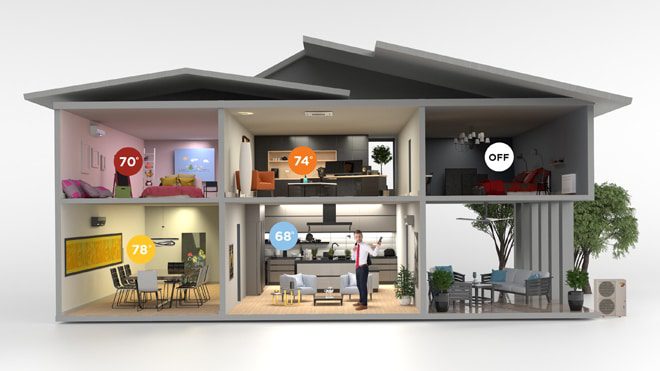
Each additional zone generally increases the total cost by around $500 to $2,000 because of extra indoor units and line sets. Multi-zone systems allow rooms to operate independently but require more complicated refrigerant plumbing and additional labor.
Expect costs to rise incrementally: one-zone setups are near the lower range and three- to five-zone projects are toward the higher end.
5. Installation Complexity
Long line runs, multi-floor installs, or tight access increase labor and materials expenses. Refrigerant line sets cost between $100 and $300 each depending on length.
Hiring professionals to install adds between $500 and $2,000 but protects warranties and ensures code compliance. Major electrical upgrades, insulation, or condensate pumps add between $200 and $1,500 and may not be included in early quotes.
6. Regional Factors
Local labor rates, climate needs and permit rules influence regional price differences. Cold-climate heat pumps are more expensive yet necessary in several regions.
Look into local incentives that can mitigate upfront costs and always verify permit and code fees when estimating costs.
Beyond Per-Zone Pricing
Per-zone pricing offers a clean headline number per indoor head, but it doesn’t tell the full story. Project-based quotes view the home as a system and can be less expensive when multiple zones share an outdoor unit or when the installer achieves time efficiencies. Compare both models, request a per-zone cost for an itemized breakdown, and a bundled project price for the same scope.
Then use those figures to determine where savings happen and which trade-offs matter for your budget. Per-zone pricing is transparent: you see a clear cost per head, labor, and parts tied to each room. It comes in handy when you’re adding a bedroom or a garage in phases.
However, it tends to overlook shared efficiencies. For instance, expanding an existing outdoor unit with a second zone typically costs around 1,500 to 3,000 additionally. That is not the price of a new outdoor unit, and a project quote may show that saving where per-zone line items do not.
Project-based quotes can still have bundled discounts for multi-zone or whole-house installs. Installers can eliminate per-zone labor when they install multiple heads at once because setup tasks, such as outdoor pad, refrigerant charge, commissioning, and permits, are done once.
Of course, premium brands and higher SEER2 systems cost more up front, usually 20 to 40 percent above mid-tier units. However, higher SEER2 ratings can reduce monthly bills significantly in areas with extended cooling seasons. Consider the upfront premium versus anticipated energy savings for your climate and occupancy patterns.
More than per-zone pricing, a number of things change cost a lot. Mounts on second floors or high ceilings tack on an extra 1 to 3 hours per zone due to ladder work and longer line runs. Each additional 10 meters (or 10 feet) of line set usually adds 50 to 150 currency units.

Long runs can necessitate larger refrigerant charges or an extra junction. Older homes may need electrical work. Many systems need a 240V dedicated circuit and sometimes a panel upgrade. Permits and electrical upgrades can add 300 to 1,500 dollars depending on local regulations and complexity.
Labor rates differ by region. Anticipate Northeast and Pacific Coast charges to be approximately 25 to 40 percent higher than national averages.
Pros and cons: Per-zone pricing offers clarity and easier incremental budgeting but can omit shared savings and extra siting costs. Project pricing can provide a lower total cost for multi-zone installs and integrate bundled services.
It can seem less transparent without a line-item breakdown. Request itemized and bundled quotes, clear assumptions about line lengths, mounting height, electrical work, brand and SEER2 level, and permit responsibilities.
Quote Structures
Transparent quotes assist you in bidding comparisons and surprise avoidance. A detailed mini split quote separates equipment, labor, and add-ons. It should itemize the outdoor condenser and each indoor air-handler, include labor to mount indoor units and install the outdoor unit, and highlight what is not included, such as permits or long line runs.
Per-Zone
Per-zone quotes list costs per indoor unit or zone, allowing you to view the cost to add a room down the road. This makes phased installs practical. You can start with one or two zones and add more when the budget allows.
Per-zone pricing clearly makes the incremental cost of an extra indoor unit obvious, including extra refrigerant line length, mounting hardware, and any necessary wiring. Per-zone bids tend to have higher per-unit prices than bundled offers since contractors maintain margins on smaller increments.
Use a cost calculator to model totals. Multiply the per-zone price by zones, then add likely extras such as permits ranging from $100 to $300, a condensate pump costing between $200 and $1,500 if needed, or electrical upgrades.
Example: a per-zone quote of 1,200 currency units per indoor unit for three zones gives 3,600, plus 800 for labor and 200 for the permit, which equals 4,600.
Project-Based
Project-based quotes span the entire job and can scale unit costs down when fitting multiple zones simultaneously. These quotes generally package equipment, materials, and labor for the entire installation, which can provide savings for three to four indoor units or systems sized between 36,000 and 48,000 BTU.
Project bids simplify billing and reduce admin work: one invoice, one schedule, one warranty set. Verify the quote specifically includes electrical work, panel upgrades if necessary, and permitting and inspection fees.
Failure to include permits can add an additional $100 to $300 later. Project pricing should itemize contingencies for challenging line set runs or structural work. A project quote of 10,000 currency units might include three indoor units, one condenser, 1,200 for labor, and materials, with a line item for optional panel upgrade at 1,000.
Quote Comparison and Transparency
Have the contractors provide line-item quotes so you can spot outliers and hidden fees. Do it with at least 3 HVAC contractors. For example, always specify within each quote if you are pricing per zone or project-based to avoid confusion.
Verify that labor is indicated. Labor typically runs between 500 and 2,000 bucks and that additional charges such as electrical upgrades, condensate pumps, and insulation work are itemized. Check who takes care of permits and inspections and if those costs are included in the base price.
I utilize a basic structure such as this to compare services, inclusions, and additional fees before making my decision.
| Quote | Equipment Included | Labor | Permits | Extras Listed |
|---|---|---|---|---|
| A | Condenser + 3 indoor | 1,200 | Yes | Panel upgrade listed |
| B | Condenser + per-zone | 800 per zone | No | Condensate pump optional |
| C | Full project bundle | 1,800 | Yes | Long line run fee shown |
Unseen Expenses
Unseen expenses are the overhead costs that, while they don’t usually appear in a base quote for mini split installation, can significantly influence the per-zone price. Here’s a numbered list that explains common unseen costs, why they happen and example ranges and scenarios to plan a realistic budget.
- Electrical upgrades and wiring — New dedicated circuits, breakers or a panel upgrade. Anticipate costs ranging from $300 to $1,500 based on your home’s age and panel work required. Trickier panel swaps or meter-base replacements trend toward the high end. New wiring to an outdoor condenser or to second floor indoor units adds both labor and materials, especially if walls or attics need to be opened.
- Labor complexity involves tight spaces, long refrigerant line sets, second-floor mounts, and existing infrastructure which can add time. Unseen labor can add an additional $500 to $2,000 per zone. Examples include a long line set through a tall townhouse or routing lines around structural beams that often require extra hands and specialty tools.
- Permits, inspections and testing — Permit fees and inspection costs differ by location. Add permit application fees, mandatory load calculations, and subsequent inspections, which frequently aren’t included in the installer’s initial estimate. In certain areas, these costs and required tests add a few hundred euros or dollars to the gig.
- Aesthetic finish — Hiding refrigerant lines, patching drywall, painting and adding trim or custom covers all add expense. Plan for materials and finish carpentry — simple cover kits are modest, but custom concealment through walls or soffits will be more expensive.
- Regional labor – Labor costs differ. Anticipate rates in high-cost locales (Northeast, Pacific Coast) to be 25 to 40 percent over national averages. That shifts the per-zone unseen labor component dramatically.
- Maintenance and small ongoing costs — Routine maintenance is not usually called out in installation quotes but matters. Filter changes, coil cleaning, and annual tune-ups typically range from $75 to $200 per visit. Factor this into lifecycle cost planning.
- Compliance and documentation — Certain regions require plans or electrical load calculations prior to permitting. If an engineer or HVAC designer is required, add their fees and additional time for signoff.
- Contingencies — Unanticipated water damage, bug infestations in the walls or asbestos and lead abatement can generate big, unexpected expenses. Reserve a contingency, often 10 to 20 percent of the project, for such risks.
Electrical Work
Plan for dedicated breakers or panel upgrades. Three hundred to one thousand five hundred dollars is typical. New wiring to outdoor condensers and inside heads incorporates materials and labor. Complex work extends the schedule and increases labor price. Employ licensed electricians for safety and code requirements.
Permitting
Check local permit rules beforehand. Permit fees and inspections may add a few hundred to the project. Certain locations need load calculations or plans, which can hold up starting if paperwork is missing. Get permits in advance to avoid fines and delays.
Aesthetics
Budget for hiding wires, surface repair, and painting post-installation. Select unit location and designs to coordinate with decor. Personalized covers increase prices. Obvious gear impacts resale value, so consider easy covers versus integrated concealment.
Long-Term Value
Mini splits provide measurable long-term value with lower operating costs, less service, and buyer-friendly features. The remainder of this section delineates those advantages into energy savings, upkeep, and resale value so you can weigh trade-offs and make educated decisions.
Energy Savings
High-efficiency mini splits can trim energy by conditioning only occupied zones, typically lowering bills by approximately 30 to 40 percent compared with whole-house systems that run ducts and condition unoccupied rooms. Less duct losses equal less wasted cooled or heated air.
In homes with long runs or leaky ducts, erasing duct loss alone can close a significant consumption gap. Smart controls and zoning add another layer of savings. Programmable schedules and room-by-room setpoints avoid overheating or overcooling.
In certain regions, there are energy rebates or efficiency incentives for heat-pump systems that enhance payback, so investigate local programs and stackable incentives to lower upfront expense. Real examples: a two-zone installation replacing a single central system in a small apartment can show monthly bill drops that pay back a portion of the install within a few years, especially where electricity rates are high.
Maintenance
Mini splits have fewer moving parts and no ductwork, reducing routine service requirements and the potential for repairs. Usual yearly upkeep is around 150 to 250 dollars, including a professional inspection, coil cleaning, and freon pressure test.
Basic owner maintenance—filter cleaning every 1 to 3 months, depending on usage—keeps airflow and efficiency high. Neglect can induce about a 10 to 20 percent performance degradation over time. Early care with small concerns, like weird sounds or weak airflow, helps keep your compressor from struggling and avoids expensive replacements down the road.
Checklist: clean or replace filters monthly to quarterly; wipe indoor coils seasonally; inspect outdoor unit and clear debris twice a year; schedule a professional inspection annually; check refrigerant and electrical connections every 3 to 5 years or when performance drops.
Resale Value
Hearty comfort systems appeal to modern buyers. When listing a home, ductless mini splits make it easy to emphasize lower operating costs, room-level control, and a multi-zone layout, all of which can accelerate a sale and increase appraisal comparables.
Energy-efficient enhancements often increase perceived home value. Owners say it generates heightened buyer interest, and appraisers are including value where there’s documented savings and warranties.
Be specific in listings: state system age, model efficiency rating, number of zones, recent maintenance records, and any transferable warranties. Long-term value will depend on how it’s used, maintained, and the local market tastes. A good mini split in great condition can be an obvious selling point for comfort and lower bills in the future.
Saving Strategically
Saving strategically starts with a lucid perspective of cost sources and what decisions reduce both one-time and recurring costs. Mini split equipment and installation vary by season, incentives, phasing, and installer rates. With a little bit of timing, incentives, staged installs, and careful operation, you can reduce the total cost per zone while maintaining comfort and efficiency.
Shop off-peak for lower equipment and labor rates
Purchasing and securing installation in the shoulder seasons tend to be less expensive. Retailers and contractors have less demand in spring and fall so they will provide discounts or quicker schedules. A midsize 3.5 kW indoor head might cost 10 to 15 percent less in spring than mid-summer, and labor rates for installs may drop because crews are less booked.
For international readers, take the same concept to your local mild months. Strategically save by planning purchases and installations a few months before your peak use, when there are no rush premiums and no stock shortages.
Seek rebates, promotions, and tax credits
Local utility rebates, manufacturer promos, and tax credits all reduced the upfront cost materially. Dozens of utilities rebate high-efficiency mini splits. Manufacturers have seasonal promotions that bundle outdoor and indoor units at a discount.
The tax credits or deductions for energy-efficient appliances vary from country to country but are worth looking up before you buy. For example, a rebate of 15% on equipment cost reduces the per-zone price directly. So always double-check eligibility and paperwork before you claim funds.
Consider phased installation by priority zones
Phased installs allow you to amortize expense while still enhancing comfort and savings. Begin with primary living spaces—living room, kitchen and master bedroom—and supplement with secondary rooms down the road.
This minimizes your upfront expense and allows you to evaluate actual energy savings prior to investing in complete coverage. For example, installing two zones first may cover 60 to 70 percent of daily use and cut bills noticeably, enabling reinvestment of saved cash into additional zones.
Compare quotes and negotiate with contractors
Obtain a minimum of three written quotes and compare component brands, line lengths, labor hours, warranty terms and fees for electrical upgrades. Have contractors separate parts from labor so you can negotiate by line item.
Bundling work, flexible schedules in off-peak months, or paying on time can earn you discounts. Use quotes to check for reasonable markups on compressors, copper lines and controls.
Operational habits that extend savings
Save strategically. Optimize setpoints. Cooling at 26°C (78°F) instead of 22°C (72°F) can reduce energy consumption by 18 percent. Heating at 20°C (68°F) instead of 22°C (72°F) can save 12 percent.
Pre-cool in off-peak hours and use ECO during peak windows to shift load, saving 20 to 30 percent under time of use pricing. Clean filters once a month and turn it completely off when you are gone for weeks.
Anticipate system-level cuts of 40 to 60 percent relative to older HVACs, average household savings of approximately $35 per month, and differences in annual savings by climate.
Conclusion
Mini split price per zone depends on system size, brand, and job difficulty. Such basic units start low and premium setups cost more. One zone typically is less expensive initially. Tack on zones and the prices go up by parts and labor. Hard access, long runs and electrical work drive price higher. Warranties, efficiency, and smart controls contribute consistent value over time. Little fixes such as a superior filter or a programmable thermostat reduce operating costs and increase comfort. Obtain three written bids that itemize parts, labor hours, permits and warranty conditions. Compare line items, not only totals. Ready to take the next step or need assistance deciphering quotes? Submit your figures and I’ll assist in breaking them down.
Frequently Asked Questions
How much does a mini split installation cost per zone?
Mini split installation cost per zone – Costs vary by region and system, but anticipate around $600 to $2,000 per zone including equipment and labor. More efficient units, complicated installs, or multi-zone outdoor units drive the price up.
What factors most affect per-zone pricing?
Unit capacity, energy efficiency, installation complexity, refrigerant line length, and local labor rates. Upgrades such as smart controls or electrical work add to the price.
Are multi-zone systems cheaper per zone than single-zone setups?
Yes. Multi-zone outdoor units typically reduce the per zone equipment and installation cost compared to separate single zone compressors for each room.
What hidden or unseen expenses should I expect?
That might be the cost of electrical panel upgrades, long refrigerant runs, permits, wall penetrations and removing old equipment. Always leave a 10 to 20 percent contingency.
How do quoted prices usually differ between contractors?
Quotes vary by included items such as warranty, controls, and refrigerant charge, labor expertise, and diagnostic testing. Compare line-item quotes, not just totals.
Will a higher upfront cost deliver long-term savings?
More efficient units cost more up front, but reduce energy bills and may qualify for rebates. Think lifecycle cost and payback period, not just purchase price.
How can I save on mini split installation without sacrificing quality?
Obtain several in-depth estimates, opt for ENERGY STAR or high-SEER units, package zones in a single outdoor unit, and find rebates. Go with licensed installers for proper performance and warranty.