
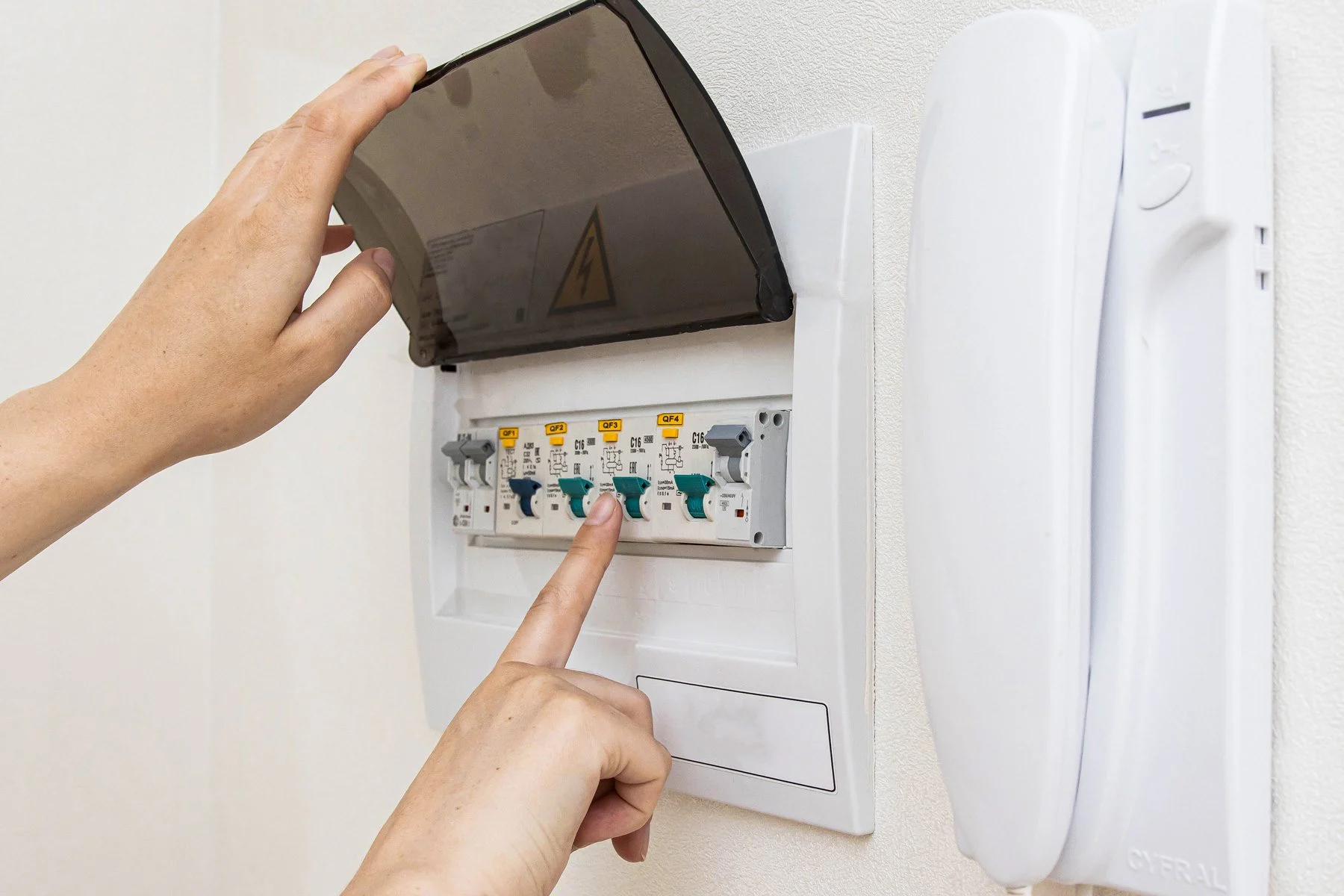

Key Takeaways
- Here are some warning signs of a failing circuit breaker, not just a tripping one.
- Check breakers periodically for physical wear, such as signs of cracking, discoloration, loose connections, or overheated or worn internal components.
- Keep an eye on humidity, dust, and temperature, as these can cause your circuit breaker to malfunction and reduce its lifespan.
- Conduct diagnostic tests, reset, swap, and load, to help determine if a breaker is faulty or the problem lies elsewhere.
- Know that failing breakers can be silent killers when they fail to trip during faults, thereby escalating fire and safety hazards.
- Call in experts for ongoing problems or if you see a spike in danger signs. Have regular checkups and be safe always.
To find out if your circuit breaker is failing and not just tripping, indicators such as a breaker that is warm or hot to the touch, emits a burning odor, won’t reset, or trips without an obvious reason are symptomatic of a genuine issue.
Normal tripping occurs with overloads or short circuits, but failing breakers exhibit these additional symptoms. Identifying these distinctions can help avoid greater hazards.
The next sections provide more ways to test and what to do next.
Failing Breaker Signs
A dying breaker doesn’t typically cease functioning immediately. There are a lot of warning signs that appear prior to complete failure. These signs help catch dangerous conditions early and reduce the chance of fire or expensive damage.
Here are the main indicators:
- Burning smell near the breaker or panel
- Excessive heat from the breaker box
- Frequent tripping that’s not linked to overloads
- Visible physical damage, like cracks or scorch marks
- Loose wires or connections
- Breaker immediately retrips after reset
- Old age, especially in homes with outdated panels
1. Physical Damage
Inspect the breaker for cracks, dark marks, or melted areas. Either one could lead to it overheating or already has heat damage. Look closely at the breaker box for components that appear scorched or warped because breakers can fail after being exposed to excessive heat.
Wires coming loose from the breaker or corrosion on metal parts can lead to failures. Everything on the panel should appear sturdy, clean, and well-cared for. Any exposed wear can be a warning sign of worse issues.
2. Burning Smell
A burning smell near the panel is a sign of melting insulation or overheated wires. This usually indicates the breaker is failing and may soon be a fire hazard. You need to do everything you can to identify the source of the smell immediately.
If the smell lingers, have a licensed electrician come out. No matter what, you’re increasing fire danger by ignoring it. Lurking odors are not to be ignored!
3. Excessive Heat
If the panel or breaker is much warmer than room temperature, this could spell disaster. Use your hand for a quick check, but a thermal camera can provide a clearer image if you’re lucky enough to have one. Hot spots are the breaker signs.
While you’re checking for heavy power use, allow the panel to cool between checks. If it remains hot, that’s unsafe and damaging to the unit and adjacent wires.
4. Frequent Tripping
Keep track of how frequently the breaker trips. If it occurs frequently and not only when you use a lot of devices, the breaker may be failing. Compare when it trips with what’s plugged in to determine whether a certain device is responsible.
If tripping continues, that can damage plugs, lights, and equipment. It means that your home’s safety is compromised.
5. Loose Connection
Loose wires can keep power from flowing correctly. Tighten them if you notice any slack or movement, but only if you’re comfortable and feel safe doing so. Loose wires are a huge problem as they can cause the breaker to overheat.
Routine inspections catch these problems early and keep things secure.
6. Immediate Retripping
If it trips again immediately after you reset it, don’t keep flipping it. This nearly always indicates a serious issue that requires a pro to inspect. Resetting overload can exacerbate the situation or ignite a blaze.
Take note of what you were doing and which appliances were on for the electrician.
7. Old Age
Breakers generally last 30 to 40 years. Some older panels simply can’t keep pace. If your panel is 20 years or older or from an old house, then it is time for a complete examination.
Aging breakers have a higher failure rate and can fail to trip, which is a serious fire hazard.
Internal Component Wear
Internal component wear in circuit breakers manifests as subtle internal changes that can gradually reduce their efficiency and safety. Most circuit breakers have a lifespan of approximately 30 to 40 years, but many ON/OFF cycles or heavy loads can accelerate deterioration. Typical instances are pitting on contacts, spring fatigue, and bimetallic strip warping.
Routine inspections and documenting a breaker’s age and usage can identify problems before they cause failures or fires.
| Type of Wear | Description | Impact on Breaker |
|---|---|---|
| Contact Pitting | Small pits or marks on the electrical contacts | Reduced connection, unreliable trips |
| Spring Fatigue | Loss of tension or breakage in the spring mechanism | Trips unexpectedly or won’t stay ON |
| Bimetallic Strip Warp | Bending or warping of the thermal strip | Fails to trip or trips too soon |
Contact Pitting
Contact pitting is among the most frequent internal wear types in circuit breakers. That’s when electrical arcing leaves micro-pits on the contact faces. These marks interrupt the electrical current and cause the tripping to occur prematurely or not at all.
Arcing can occur whenever the breaker opens or closes under load. Over time, the pits become more severe. The more cycles the breaker makes, the more likely it is that contacts will have heavy pitting.
In ancient breakers or well-used ones, the contacts might even appear scorched or abrasively textured. Regular pitting will reduce the breaker’s lifespan and compromise its safety. If you notice arcing, like scorched marks or weird smells, it’s time to consider a replacement.
Breakers with deep pitted contacts need to be replaced to prevent escalated problems.
Spring Fatigue
It’s the internal spring that helps the breaker snap open or closed. As this spring weakens, the breaker may not trip when it should. Other times, a fatigued spring causes the breaker to not stay in the ‘on’ position, so it trips for no apparent reason.
Over decades, springs can lose their contour, particularly if the breaker is flipped frequently. A spring that is too soft or stretched can cause a dangerous situation because the breaker might not operate as intended.
Quick tests, such as turning the breaker on and off, can demonstrate if the spring seems loose or spongy. If you hear this or if the breaker trips frequently on light loads, it might be time to replace it.
Bimetallic Strip Warp
Older breakers use a bimetallic strip to sense heat generated by high current. If this strip warps from age or heat, it can cease functioning correctly. If that happens, the breaker may not trip in an overload, creating a fire hazard.
Stripped internal components aren’t as easy to diagnose without disassembling the breaker. You might notice symptoms such as breaker tripping late or not at all.
You may even see heat marks on the casing or smell burnt plastic. Warped strips in breakers should be replaced immediately. Regular inspections and familiarity with the breaker’s history help detect these issues before they do any damage.
Diagnostic Steps
Diagnosing a circuit breaker requires a logical, methodical process to separate normal tripping from true malfunction. Good note taking, a multimeter, and some safety standards make your work more accurate and safer. Always wear PPE—insulated gloves, goggles, arc-rated clothing—and adhere to NFPA 70B inspection standards that call for annual infrared scans of hot spots.
- First, ensure the breaker is fed full voltage on the supply side, looking at both the manufacturer and local electric codes.
- Try taking its voltage and current flow readings with a multimeter. Measure resistance across the breaker with the power off. A good breaker displays close to zero ohms or the continuity beeper buzzes.
- Test under load by measuring voltage between the breaker’s input and output with the circuit on. Compare readings to the breaker’s rated capacity.
- Record results for each test, paying attention to any patterns or shifts over time. O&Ms document breaker performance and inform maintenance decisions.
- Step #2- Swap in a known good breaker to see if problems persist and isolate the fault.
- Check out all results and maintenance check schedules.
The Reset Test
Resetting the breaker is a simple yet crucial test. Begin by flipping the suspect breaker off and then, after a few seconds, back on. Keep an eye out for stalling, clicking, or any struggle remaining in the “on” position.
A breaker that pops back to “off” or won’t reset can have worn internal components, weakened springs, or damaged contacts. These problems tend to manifest prior to complete breakdown. Record the behavior right away, such as any strange noises or resistance when turning and if the breaker stays in place.
This log proves invaluable if performance shifts or the breaker blows down the road.
The Swap Test
The swap test eliminates the breaker as the source. Take out the suspected breaker and replace it with a new or known good breaker of the same rating. If the circuit works with the replacement, the original breaker probably has internal faults.
If this new breaker trips or exhibits the same behavior, suspect a wiring issue or defective load. Document test results, noting variances in breaker reaction and trip count. This analogy diagnoses the malfunctioning piece and guides future servicing or enhancements.
The Load Test
Load testing is placing a standard device or appliance on it and watching the breaker’s response. Take diagnostic steps: use a clamp meter or multimeter to measure current draw while the circuit runs.
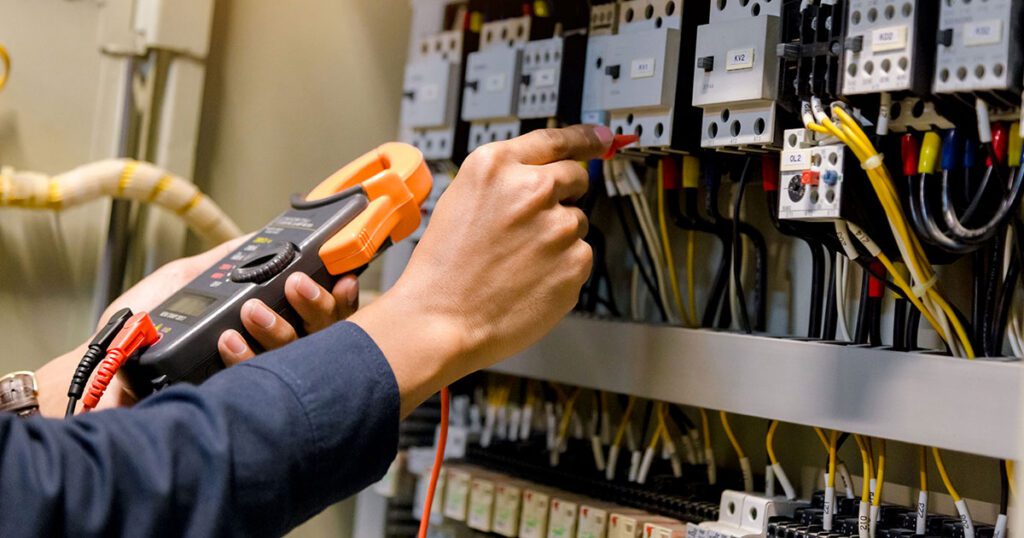
Readings above the breaker’s rated limit indicate an overloaded circuit, not a bad breaker. If they trip at less than their rated load or don’t trip when overloaded, that’s an internal failure. Explore voltage drop across the breaker’s terminals; they will demonstrate increased resistance or worn contacts.
Routinely repeat this test, specifically following any changes to connected equipment or breaker age. Most have a life span of 30 to 40 years, although heavy usage tends to reduce this.
Environmental Factors
Environmental factors frequently contribute to whether a circuit breaker is malfunctioning or just tripping as designed. Things like humidity, dust, and rapid temperature fluctuations can accelerate the aging process of circuit breakers, which tend to have a lifespan of 30 to 40 years under stable conditions.
When installed in rough locations such as humid basements, grimy tool sheds, or external panels, circuit breakers encounter additional hazards that can reduce their durability, result in hazardous performance, or precipitate total breakdown. Knowing and controlling these hazards is essential to ensure your electrical network operates safely and efficiently regardless of location.
Humidity
High humidity can cause metal parts inside a circuit breaker to corrode and rust, which could result in electrical resistance, bad connections, or even completely break down over time. This is a bigger problem in regions with frequent rain, humid climates, or where water occasionally drips into structures.
If you’ve got circuit breakers in laundry rooms, basements, or near bathrooms, these areas are much more prone to moisture issues. Corrosion doesn’t simply reduce the breaker’s service life — it can cause it to trip unnecessarily, or even worse, not trip at all, increasing the potential for electrical fires.
Reducing humidity does a lot of good. If your breaker box is in a wet area, like a basement or crawlspace, try a dehumidifier. Ensure it is well vented. If you live in a very humid area, inspect your breakers more frequently for indications of rust or corrosion.
Do not overlook early warning signs, such as a subtle mildew odor or pinhole rust. These inspections are even more crucial for older systems, where corrosion can accumulate inside the box, unseen.
Dust
Dust may appear innocent enough, but it can wreck havoc when accumulated in or around a breaker box. Dust can clog airflow, causing the breaker to overheat. Over time, this can result in melted insulation or even fires.
Electrical failures are the leading cause of building fires globally, numbering in the tens of thousands annually. Cleaning keeps things safe. Clean dust from the breaker box and surrounding area with a vacuum or soft brush.
Never use water or wet rags since moisture is equally dangerous. Try to set a cleaning schedule. Cleaning every few months is good for most homes and offices, but if you’re in a dusty place like a workshop or a construction site, check more often.
Even a little goes to help stop the slow accumulation that later becomes big problems. In industrial or outdoor environments, more frequent cleaning and inspections are required considering the increased hazards.
Temperature
Extreme heat is hard on circuit breakers. If a breaker box is adjacent to a heat source, located in direct sunlight, or placed in a room with little air flow, the inside of the box can get significantly hotter than the rest of the building.
Excess heat degrades the internal components of a circuit breaker, making them deteriorate more quickly and perform less dependably. This accelerates breakdown, particularly in aging systems.
Make sure your breaker box has good ventilation. If the box is warm or hot to the touch or you find that the breaker trips more during heat waves, this can be a warning. Simple things like pushing boxes away from heaters or using fans or vents to circulate air reduce the risk.
In scorching hot climates, it could be wise to reposition the breaker box to a cooler, shaded location if feasible. Testing the breaker with tools such as infrared thermography scans can catch issues before they escalate.
The Silent Danger
A failure circuit breaker is the silent danger. We’ve all been taught to trust that if our breaker hasn’t tripped, all is fine. This faith can shroud lurking perils. Aged or overworked breakers can fail while appearing normal.
If a breaker doesn’t trip during a fault, it could allow hazardous current to flow unabated, increasing the chances of overheating, sparks, or fire. Electrical fires can begin with no warning and spread rapidly, so it’s important to identify issues early. Flickering lights, a burning smell near the panel, or warm breaker switches are all warning signs that your breaker requires inspection or replacement.
Regular electrical check-ups are crucial to identify loose connections and overheated components early, before they turn into bigger issues.
False Security
A breaker can appear to be functioning and yet be defective inside. If it doesn’t trip on a genuine overload, it’s not protecting anything. This can contribute to a false sense of security. Folks believe their wiring is secure while hazards accumulate in the background.
For instance, plugging too many devices into one outlet can overload a circuit, and if the breaker doesn’t trip, wires may overheat. Over time, this can deteriorate insulation or ignite a blaze. Testing breakers and inspecting the panel for signs of damage or age are much more important than simply waiting for a trip to occur.
Breakers typically have a lifespan of 15 to 20 years, but in older homes or in locations with heavy power consumption, they may need to be replaced earlier. Don’t brush off strange odors or a blinking light; these are indicators that something is going on.
Preventative care involves education of what signs to watch for and when to make the call. Updating the panel can help avoid overloads and reduce fire hazards.
Failure to Trip
Not tripping is dangerous. When a breaker doesn’t trip during a fault, wires can overheat quickly. This can fly under the radar until it’s too late, harm is incurred or a blaze begins.
If you discover a breaker is not tripping under stress, like when many appliances run together, document it with dates and details! If you identify this issue, don’t delay. Call a licensed electrician immediately to test or replace the breaker.
At times, the most secure option is complete replacement to halt risks before they begin.
Professional Intervention
Electrical systems are complicated, and understanding when to seek professional assistance can keep you safe and help detect issues early. When a circuit breaker is faulty, it’s not just tripping anymore. You need to get professional help. By relying on licensed electricians, you’ll have expert eyes on the task, minimizing the chances of electrical fires, shocks, or damage to your home or business.
A checklist can help you know when to call in a professional:
- If your breaker is older than 10 to 15 years and hasn’t been tested in a while.
- If your panel is decades old or has old-fashioned breakers.
- If voltages are low or there is no voltage.
- If you’re seeing scorch marks, smelling burning, or making unnecessary trips over and over again.
- If you’re not confident in the state of any breaker or panel, seek professional intervention.
- If you have no maintenance records or the last professional inspection was more than ten years ago.
Scheduling periodic electrical inspections is another savvy move. Experts recommend auditing the system at least every few years, even if all appears well. This is due to the fact that breaker boxes are designed to last 15 to 30 years, but excessive use, humidity, or poor installation may reduce their longevity.
Proper servicing will detect weak spots, rusty contacts, or loose wires before they become expensive repairs or a safety issue. Maintaining manufacturer recommendations for regular inspections ensures that your warranty remains intact while keeping your residence or property protected.
Professional diagnosis matters for more than just peace of mind. Electricians have tools of their own to test voltage and to hunt for covert faults. For example, if a circuit regularly registers low or no voltage, an expert can evaluate the wiring, connections, and breaker itself to identify the issue.
This is more than most people can achieve with a plug-in tester or visual inspection. By putting the professionals in charge of complicated problems, you skip the guessing, save time, and make certain the right components are repaired or swapped out.
Better safe than sorry. The urge to DIY can be strong, but dealing with electricity is dangerous if you’re not properly trained. Professionals know how to shut off power, use insulated tools and follow safe work steps.
They can identify risks you may overlook, such as concealed impairment or indications of overheating. If in doubt, or if you haven’t had your breaker checked in the last ten years, ring up a reputable electrician for an inspection.
Conclusion
It really makes a difference to know the signs of a bad breaker. Burn marks, odd smells, or hot spots are indicative of trouble. Buzzing or flickering lights indicate that the issue can extend to other areas in your home. Notice any damage or heat on the panel? Call in a pro. Little checks keep it safe and cost down over time. We miss the silent hints, so be aware of subtle transformations. Stay on top of quick checks and seek support when things seem amiss. Safe wiring makes life better for all of us in the house. For peace of mind, consult a licensed electrician if you notice anything odd. Catch the little repairs and keep your home secure well into the future.
Frequently Asked Questions
How can you tell if a circuit breaker is failing and not just tripping?
If your circuit breaker is failing, not just tripping. If it’s tripping on a regular basis, even with minor loads, this is a clue it could be faulty.
What are the common signs of internal component wear in a breaker?
Signs that your circuit breaker is going bad and just tripping. Discoloration or a burning smell around the breaker suggests internal wear.
What diagnostic steps can help confirm a failing breaker?
Turn off all appliances and then reset the breaker. If it still trips or does not stay in, this indicates failure. Always be careful and err on the side of hiring a pro.
Do environmental factors affect breaker performance?
Yes. High humidity, dust, corrosion, and temperature extremes can all damage breakers and shorten their lifespan, resulting in failure.
Why is a silently failing breaker dangerous?
A breaker that fails silently might not trip when an overload occurs, which could lead to electrical fires and damage to equipment. Routine inspections are critical for security.
When should you call a professional for breaker issues?
If you see burning, hear buzzing, or if the breaker keeps tripping for no reason, have a licensed electrician contact. This allows for the repairs to be safe and precise.
Can a breaker be repaired, or does it need replacement?
Most breakers are not repairable. If a breaker is bad, replacing it is the safest and most effective way to prevent electrical hazards.