

Key Takeaways
- A little warmth in outlets is generally fine, particularly with the use of modern-day appliances, but they shouldn’t be hot or unpleasant to touch.
- Pay attention to other warning signs like buzzing sounds, discoloration, burning smells, or melted plastic. These are all signs of serious electrical issues.
- When you do, use a thermometer to verify that outlet temperatures aren’t reaching unsafe levels. Always unplug devices if you detect excessive heat.
- Overloaded circuits, old wiring, and loose connections are the most common causes of overheating and should be fixed immediately.
- If you notice consistent heat, visible damage, or flashing power, cease using the outlet and call a licensed electrician without delay.
- Routine electrical inspections and professional assistance are crucial for keeping homes safe and avoiding unseen dangers.
Outlets feel warm to the touch because electricity runs through them and heat accumulates from standard use or loose wiring. A little heat is common from consistent use, but a hot outlet is a sign of trouble, including aged wiring, faulty plugs or overloaded circuits.
Not all warmth is benign, so understanding the symptoms lets you catch danger early. Then the bulk is on causes, signs to worry, and how to keep outlets safe at home.
Normal Warmth
A little warmth in electrical outlets is normal and often anticipated. Some resistance in the wiring, combined with the power drawn by household appliances, makes outlets just a tad warm to the touch. This is particularly the case when newer electronics such as chargers, modems, or even a power strip are plugged in for extended periods.
These machines inherently emit a little warmth as they operate, and some of that warmth will radiate to the outlet itself. Slight increase in outlet temperature may not be trouble. If you touch an outlet and it’s a little warm—only a few degrees above the ambient temperature, typically 21–25°C (70–77°F)—that’s generally fine.
For example, plugging in a phone charger or a Wi-Fi router occasionally generates some warmth at the socket, but it’s seldom a danger as long as the outlet operates as designed. A warm outlet is not the same as one that is “hand hot.” If it’s getting closer to the 38–49°C (100–120°F) range, it could almost begin to burn and indicate a more serious issue.
The table below shows common temperature ranges for electrical outlets and what they mean:
| Temperature (°C) | Temperature (°F) | What It Means |
|---|---|---|
| 21–25 | 70–77 | Normal, safe warmth |
| 26–37 | 78–98 | Slightly warm, monitor |
| 38–49 | 100–120 | Too hot, check for faults |
Today’s appliances are engineered to suck more juice, and when bunched on the same circuit, such as with a power strip, that additional load can cause outlets to feel warmer than normal. For instance, if you have a laptop charger and a desk lamp plugged into the same outlet, a little warmth is par for the course.
It’s wise to make sure that the outlet doesn’t get too warm as you’re using it. Ambient conditions contribute as well. If the outlet rests on an exterior wall or in a steamy bathroom, or if the air is really warm, the outlet’s temperature can rise, even if the appliance draw remains constant.
Older homes or spots with old wiring can be more susceptible to warm outlets, so it’s smart to occasionally check outlet temperatures. If you’re unsure, unplug anything and everything and wait 30 to 60 minutes. If the outlet is just warm at room temperature, it’s probably normal warmth.
If it remains hot or even gets hotter with nothing plugged in, that could be a wiring problem.
Warning Signs
Outlets that are warm to the touch can be a definite warning sign. Being aware of these warning signs can save you from electrical fires and injury. Look for these warning signs:
- Outlet faceplate feels warm or hot to the touch
- Buzzing, crackling, or popping sounds from the outlet
- Discoloration, burn marks, or melted areas around the outlet
- Persistent burning smell near the outlet
- Power flickers or cuts out when using plugged-in devices
- Devices or plugs feel unusually warm after use
1. Excessive Heat
If you measure the temperature of an outlet, you get a good indication if it’s safe. Normal detergent should be close to room temperature, around 21ºC (70ºF). If it’s ‘hand hot’ at 38°C–49°C (100°F–120°F), that’s a really big problem. This heat level can indicate the circuit is over its rating and is a fire hazard.
Unplug everything immediately if you observe this. An overload of high-wattage devices, such as heaters or kitchen appliances, can make the outlet heat up quickly. Overloaded circuits are prevalent in houses and offices where countless gadgets plug in at one location. If the outlet is on a circuit not designed for heavy loads, the heat accumulates in the wiring and outlet.
2. Discoloration
Be on the lookout for any brown, yellow, or black marks on the outlet faceplate. Even a tiny speck of discoloration can warn of overheating within the receptacle. Occasionally, the stains radiate, indicating that the injury is expanding.
Prolonged heat from excessive or overly powerful appliances can cause these marks. Spots that have darkened are indications that the wiring or components within are becoming overheated, sometimes due to loose wires or aged, worn-out outlets. Any outward sign like this indicates the outlet may be hazardous and should be replaced immediately.
3. Burning Odor
Warning signs, like a burning smell close to an outlet, are a big warning. They can indicate overheating, a bad outlet, or even melting components behind the wall. If it smells like this, discontinue use of the outlet and unplug everything.
The odor could indicate a fire hazard developing within the wall. You should really have a professional check that outlet soon. Never disregard even a faint burning smell.
4. Melting Plastic
Melted or warped plastic around the outlet indicates extreme heat has been there. This degrades the outlet and can result in bare wires. If you see or sense any portion of the outlet is soft or misshapen, unplug all devices and discontinue use.
Melting indicates the outlet is unsafe to use for any purpose. Get an electrician out immediately to repair or replace the outlet.
5. Flickering Power
Lights or appliances that flicker or go out when plugged in can indicate loose wiring or an incapable circuit. These power swings can cause the breaker to trip. If so, check the breaker box for any tripped switches.
Flickering power is no joke at all because it can get worse and cause serious electrical problems if left untreated.
Underlying Causes
Warm outlets can indicate any number of underlying problems in a residence or office. Many of these causes lie in how outlets are used along with the quality of the wiring and equipment plugged in. Mastering these causes is critical to knowing when a warm outlet is no big deal and when it’s a harbinger of a larger issue.
- Old or outdated wiring
- Damaged outlets or loose connections
- Overloaded circuits
- High-demand appliances
- Environmental factors
Outdated wiring can’t keep up. Numerous older homes utilized wire and outlets designed for lesser amperage. If these systems have frayed insulation, corroded connections or wires that are undersized, heat can accumulate. For instance, a 15 amp breaker and 16 gauge wire can allow an excessive amount of current to flow and cause outlets to become hotter than they need to be.
In older homes, outlets often won’t align with the power requirements of modern appliances, which causes them to overheat frequently. Worn out plugs or loose connections are another leading reason. If the innards of an outlet are worn or broken or not making a tight connection, electricity can arc or fight to flow.
This generates friction that forms heat. You may observe this if an outlet becomes hotter on a particular side or if plugs tend to fit loosely. Even a minor break in the wiring or some corrosion on a terminal can cause an outlet to become hot to the touch.
Plugging too many devices into one outlet or circuit can also be problematic. Power strips and outlet multipliers tempt individuals to operate multiple appliances from one source. If these devices pull a heavy load, such as air conditioners, microwaves, or portable heaters, this can easily overwhelm the circuit.
Devices with multiple high amps on one circuit not only make the outlet heat up but can trip breakers or cause a fire. Even basic chargers or “brick” adapters, such as laptop or phone ones, can generate heat and make the outlet warm to the touch when used for extended periods.
Climate has less influence, but it is not insignificant. Outlets on exterior walls in hot or humid climates may have a higher temperature than those located inside. Extreme heat or humidity may increase outlet surface temperatures a bit, but they should not generate substantial heat on their own.
Diagnostic Steps
Warm outlets can indicate easy overuse or indicate a deeper electrical issue. Identifying the source aids in mitigating hazards and securing your environment. Take these diagnostic steps to determine why your outlet or plug is warm and whether you need to seek additional assistance.
- Look for overload. Step 1: Peek into the outlet and count the number of plug-ins. A power strip or outlet multiplier can draw more power than the outlet is designed to accommodate. High-amperage appliances such as space heaters, hair dryers, vacuum cleaners, or toasters demand a lot of current. If you spot a few of these jammed into one socket, that may be why it is hot. Cords or plugs that feel hot demonstrate the current draw is excessive.
- Unplug everything. Unplug all devices and keep the outlet empty for a minimum of two hours. This break allows the outlet to vent and cool. After 30 to 60 minutes, touch the outlet once more. If it cools down to around room temperature, just a bit over 21 degrees Celsius (70 degrees Fahrenheit), the heat is probably due to overloading and not defective wiring.
If the outlet remains “hand hot,” between 38 degrees Celsius and 49 degrees Celsius (100 degrees Fahrenheit and 120 degrees Fahrenheit), then you may have a wiring problem that requires professional attention.
- Employ a voltage tester. A contact voltage tester is a basic device that tests for live current and assists in locating defects. Try the outlet for power prior to and after unplugging equipment. If the tester is giving strange readings, like no voltage when it should or flickers between live and dead, this indicates a concealed wiring issue.
- Document symptoms. Record everything you observe, like when the outlet becomes warm, which devices were operating, lights flickering, or a burning smell. This log assists an electrician in locating the problem more quickly and more safely.
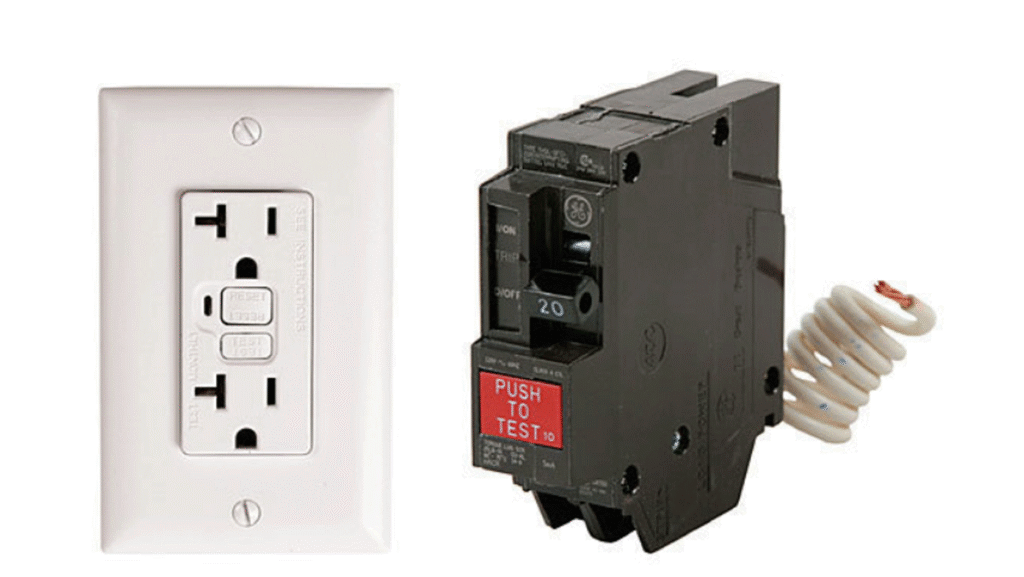
- Think extra defense. For additional safety, consider installing AFCI/GFCI outlets near water or heavy use areas. These outlets shut off when they detect issues, which prevents outlets from overheating.
- Schedule periodic diagnostic steps. A professional electrical inspection should be scheduled annually, particularly if your building is more than 20 years old. A diagnostic step identifies loose wires, bad connections, or old outlets before they escalate.
The Silent Factor
Certain electrical issues can lie silent until they become actual hazards. Lots of houses, particularly pre-1980s construction, conceal antiquated wiring within their walls. These wires might not suit today’s load from gadgets, heaters, or kitchen appliances.
When an outlet feels warm, it’s easy to shrug it off. Heat could accumulate from within the outlet, typically because of wiring that’s frayed, loose, or simply too undersized for the task. This heat won’t necessarily throw breakers or blow fuses, so you may not notice any outward sign until the danger is imminent.
Consider older homes—most were wired prior to today’s codes. Outlets from the 50s through the 70s can have a hard time handling products like air fryers or hair dryers. The wires may have aged insulation or be of a gauge thinner than is used today.
When these wires absorb too much energy, they heat up. Occasionally, you’ll find the outlet cover is “hand hot,” 100F to 120F (37C-49C). This isn’t right. A safe outlet should only be mildly warm, a few degrees warmer than room temperature, which is approximately 21°C (70°F). If it’s significantly hotter, you know something is amiss.
It’s not only the wiring. Overloaded circuits are yet another source of hidden menace. When numerous devices pull power from a single outlet, with plug strips or adapters, the load may exceed that for which the wiring is rated. High-amperage devices like irons, microwaves, or portable heaters can get your circuits to their max quickly.
Even adapters or charging devices can make outlets warm, especially if left in for days. Below is a table listing common hidden electrical issues and what might happen if they aren’t fixed:
| Hidden Issue | Possible Consequence |
|---|---|
| Outdated or undersized wiring | Overheating, increased fire risk |
| Worn insulation on wires | Short circuits, arcing, outlet heat |
| Corroded or loose connections | Intermittent power, sparks, fire hazard |
| Overloaded circuits | Breaker trips, hot outlets, damaged devices |
| Faulty or old outlets | Loss of power, shock risk, melting plastic |
Knowing what your home electrical system needs can help keep things safe. Establish a routine check reminder, particularly if your house is 20 years old or older.
A pro can detect frayed wires, loose screws, or outdated outlets that could give out. In this manner, you repair small problems before they become actual dangers.
Professional Help
When outlets get warm, professional help from a licensed electrician counts. Warm outlets can indicate lurking issues such as loose wiring, dated components or overloaded circuits that the average person can’t spot or repair themselves. Professionals like electricians have the proper tools, skills and training to inspect these hazards and address the underlying cause, not just mask the symptoms.
Often what appears like a minor issue can sometimes indicate a bigger issue with your home’s wiring or the main panel. For instance, one warm outlet could indicate the entire circuit is overloaded or that old aluminum wiring should be changed for safety.
Regular electrical inspections protect your home from danger and keep it up to code. Many homes, particularly those constructed over 30 years ago, aren’t designed to keep up with modern electrical demands. Newer appliances, gadgets and smart systems might require more power than old wiring can safely provide.
If you’ve got an older home, a pro can test whether your system is adequate for your use. They can identify frayed outlets, hazardous connections, or other hazards before they cause damage. For example, an electrician may catch a frayed wire behind a wall, which can start a fire before it begins.
Periodic checks prevent more costly repairs and provide peace of mind, knowing your home is more secure. Trusting a pro means the work is backed by a warranty or guarantee. This is a huge benefit, as repairing electrical problems the proper way isn’t just safe, it’s valuable and comforting.
If something comes back, they’ll come back and fix it for free. You don’t get this kind of support if you fix it yourself or hire a guy off the street with no qualifications. A lot of insurance policies or local ordinances require documentation that work was performed by a certified professional. This can be crucial if you ever have to file a claim or intend to sell your house.
Sure, you can save some cash doing repairs, but electrical work is dangerous if you are not trained. Even a minor slip can cause shocks, burns, or fires. For safety’s sake, you’re better off leaving this work to the pros who know how to perform it correctly.
Search for electricians with transparent credentials, positive reviews, and demonstrated experience. They should describe the assignment, address your concerns, and assist you in comprehending what’s required and why.
Conclusion
Outlets that feel warm can indicate several things. A little heat frequently just indicates normal usage, but actual heat or a hot smell can signal larger concerns. Loose wires, old outlets, or overuse can heat up and threaten fire. A few quick checks can help you catch these signs early. Not every issue arrives in a puff of smoke or with a shower of sparks. Trust your gut if something seems wrong. Safe homes begin with simple solutions and action steps. If you see burnt marks, hear crackles, or feel strong heat, contact a professional immediately. Be vigilant, inspect your outlets every once in a while, and consult a professional electrician if you’re concerned. Your peace of mind is the most important.
Frequently Asked Questions
Why do electrical outlets feel warm sometimes?
Outlets can feel warm to the touch after being used for an extended period of time, particularly for high-powered devices. This is generally normal; electricity produces heat. Too much warmth could indicate an issue.
When should I worry about a warm outlet?
Worry if an outlet is hot, smells burnt, or is discolored. These warning signs can signify an electrical hazard and need to be inspected by a professional.
What causes outlets to overheat?
Typical culprits are overloaded circuits, bad wiring, loose connections, or appliances that consume excessive amounts of energy. Overheating is hazardous and can cause electrical fires.
Can I check a warm outlet myself?
Unplug everything and check the outlet after a couple of minutes. If it remains warm, turn it off, avoid use, and call a qualified electrician for inspection.
Are warm outlets always dangerous?
Not necessarily. A little warmth is generally okay, particularly with heavy usage. Sustained or high heat is not normal and needs professional attention.
What should I do if I notice a burning smell from my outlet?
Cut off the outlet at the breaker immediately. Never use it again until a licensed electrician checks it out and fixes it for fire prevention!
Should I call a professional for all outlet issues?
Certainly, if you’re experiencing excess heat, burning smells, or discoloration, electrical problems can be dangerous. A professional electrician can identify and fix it safely.