

Key Takeaways
- Check that the electrician is licensed by New Jersey and insured before hiring. Confirm license information with the New Jersey Division of Consumer Affairs.
- Need written estimates, itemized costs, and a signed contract that states the scope, timeline, payment schedule, permits, and dispute resolution to avoid surprises.
- Verify local expertise – request a minimum of three recent New Jersey references and work from coastal, historic, or flood-prone locations to confirm he is knowledgeable about regional codes.
- Demand the electrician get necessary local permits, clear municipal inspections, and provide written assurance that all work will be properly permitted and inspected.
- Look out for red flags like demands for substantial cash-only deposits, hesitance to provide credentials, hard selling, or unreliable communication.
- Prefer electricians from trade groups such as NJECA or NECA who provide written warranties for parts and labor and exhibit continuing education.
How to pick the right electrician in New Jersey means finding a licensed, insured pro who meets local code and safety rules. Local permits, new customer reviews and license evidence from the New Jersey Board of Examiners of Electrical Contractors are what count. Compare pricing and warranty policies and verify experience with New Jersey’s coastal homes or typical older wiring. The comprehensive guide that follows translates these steps into actionable, practical checks for confident hiring.
Verify State Credentials
Before hiring an electrician, ensure they hold a legitimate New Jersey state license and the necessary credentials. This includes having undergone proper training and experience, passing the three-part state exam, and meeting the requirements set by the New Jersey Board of Examiners of Electrical Contractors. This crucial step not only safeguards your property but also minimizes the risk of faulty electrical work.
License Verification
Ask for the electrician’s license number and verify it with the New Jersey Division of Consumer Affairs and the Board of Examiners of Electrical Contractors. The state insists on a minimum of 576 hours of RTI and approximately 8,000 hours of work under a licensed contractor prior to licensure. Ask for proof if necessary. While some applicants will provide transcripts or training records, anticipate the process to get bureaucratic sometimes, as the board might want official documentation.
Confirm the license is for the type of work you require—residential, commercial, or specialty systems such as fire alarms or low-voltage. If it’s a service panel upgrade or new home wiring, confirm the license type is consistent with that work. Stay away from electricians who balk or won’t supply evidence. That hesitation frequently indicates lapses in training, expired credentials or unfinished paperwork.
Checklist:
- Confirmed with the Division of Consumer Affairs that the NJ license number is valid.
- Proof of 576 hours RTI or equivalent schooling transcripts.
- Record of 8,000 hours supervised field experience.
- Evidence of passing the three-part state exam.
- License classification that covers residential, commercial, or specialty scope.
- Recent renewal date and no disciplinary actions or revocations.
Liability Coverage
Request up-to-date evidence of liability insurance and worker’s comp. Request certificates that list you as a concerned party for the employment term. Ensure coverage limits are at least New Jersey minimums and adequate for your size of project. Minor claims can be paid by low limits, but significant property damage or bodily injury requires stronger coverage.
Understand what the policy covers: property damage, bodily injury, and legal costs. Some policies exclude certain high-risk activities, so obtain written clarification. Don’t hire any electrician that won’t produce current insurance documents. Even a licensed but uninsured electrician leaves you exposed to potential claims.
Permit Management
Ensure the electrician will pull necessary local permits for the electrical work and clarify who will cover permit fees. Additionally, determine who arranges city inspections for final approval to guarantee compliance with electrical codes.
| Responsibility | Typical Who Pays | Notes |
|---|---|---|
| Permit application | Contractor or Homeowner | Contractor often handles paperwork; homeowner may reimburse fees |
| Permit fees | Homeowner | Varies by town and project scope |
| Inspection scheduling | Contractor | Contractor usually schedules final inspection |
| Re-inspection fees | Whoever caused failure | May be charged to contractor or homeowner depending on terms |
Assess Essential Standards
Assessing essential standards means checking whether an expert electrician meets state and job-specific requirements before you hire them in New Jersey. Confirm they have the training hours, formal classroom education, and hands-on experience required for the electrical work you need. Verify licensing, safety habits, problem-solving ability, warranty clarity, and how they communicate. Each item reduces risk and protects your property.
1. Technical Experience
Query how many hours of internship they took and where. New Jersey is around 8,000 hours for several electrician paths. Just make sure they’ve finished or have an equivalent journeyman or master license. Inquire on structured courses and professional development with state-run exams and certifications related to up-to-date systems such as smart panels, EV chargers, and solar inverters.
Request examples of similar projects and outcomes: whole-house service upgrades, commercial tenant improvements, or EV charger installs. Probe for troubleshooting skills, examples where they discovered those pesky hidden fires, diagnosed their causes, and extinguished them without cost spiking. List specialized skills they have: AFCI/GFCI installs, NFPA 70E compliance, thermal imaging, and conduit bending. Practical proof beats claims; look for photos, job logs, or permits.
2. Transparent Estimates
Ask for a detailed, written estimate with labor hours, material line items, permit fees and projected timeline. No heading, a neat estimate that separates parts from labor and states markup policies. When determining essential standards, compare a minimum of three local estimates to identify outliers. Very low bids can indicate missed costs, while very high bids can contain unnecessary fluff.
Verify if the estimate includes inspections, permit pulls with your municipality (Jersey City vs. Bergen County rules) and final cleanup. Inquire if change orders will arise and how they will be billed. Demand there are no hazy entries—’miscellaneous’ or ‘site conditions’ must be specified or eliminated.
3. Local References
Ask for three recent New Jersey references and call them yourself. Inquire about being on time, cleanup, sticking to quoted timeliness, and properly handling permits and inspections. Note consistency. Multiple mentions of missed deadlines or sloppy work are red flags. Record reactions and create a simple matrix noting date, coverage, contentment, and any concerns.
Look for references from projects similar to yours. Older Jersey City rowhome wiring differs from a new Somerville commercial fit-out. Direct local customers can validate familiarity with county inspection idiosyncrasies and permit schedules.
4. Clear Warranties
Demand a parts and labor warranty in writing and specify the length in your contract. Verify exclusions, such as cosmetic or third party or code changes/parts, should be itemized. Make sure terms are enforceable in NJ and linked to the company, not one tech.
Hang onto every last warranty and receipt. Inquire about warranty claims processing and the turnaround period.
Recognize Warning Signs
By acting as a warning, it helps stop electrical hazards such as thermal runaway and fires associated with aging or damaged wiring and equipment. Before hiring an electrician, scan the home for visible cues: flickering lights, burning odors, sparking outlets, and ungrounded two-prong sockets. These indicate shock or electrocution risk and an electrical system that won’t handle modern loads. Homes built before 1970 typically have aging wiring and components, so mention the house age and bring it up with any electrical contractor you’re considering.
Watch for electricians who demand large upfront payments or cash only.
Demanding big deposits or cash-only payments is a red flag when hiring an electrician for electrical repairs. A trusted New Jersey electrician will provide a transparent written estimate, fair deposit terms if any, and payments that are easy to track. Request an itemized quote indicating labor, parts, permit costs, and contingency for unexpected electrical work. If the contractor pushes you to pay more than 25 to 30 percent up front or refuses to provide receipts, bail. For example, a roofer-like approach of “cash today, discount now” is common in scam setups, especially in electrical services.
Be wary of those unwilling to provide credentials or references.
Certified electricians in NJ hold state or local licenses and can provide insurance certificates and referrals for electrical services. When hiring an electrician, ask for a license number and verify it through the New Jersey Board of Examiners of Electrical Contractors or local building authorities. Additionally, request up-to-date references from similar work, such as panel upgrades, whole-house rewires, or GFCI installs, and check up on them. If they pause or give fuzzy contact information, consider that a red flag. Legitimate contractors will share these details without fuss.
Avoid contractors who pressure you into quick decisions or extra services.
High-pressure tactics like ‘must replace now or you’ll have a fire’ are manipulative. A qualified electrician will explain risks, show the failure point, and offer options such as immediate repairs, temporary fixes, or scheduled upgrades for your electrical system. Be wary if the electrician insists on costly panel upgrades without diagnostic proof. For significant projects, like a whole-house rewire, always verify the diagnosis, especially if they identify a faulty outlet without further testing.
Notice signs of unprofessional behavior, such as missed appointments or poor communication.
No-shows, unannounced lateness, fuzzy quotes, and bad follow-up — that’s how they treat their electrical work, so that’s how they’ll treat yours. Regular updates, written scopes, permits, and scheduled inspections show professionalism in electrical services. Frequent inspections and timely maintenance minimize risks and costly repairs, making it essential to select an expert electrician who regards these as normal components of service.
Evaluate Jersey Infrastructure
Consider New Jersey’s electrical scene prior to hiring an electrician for your electrical repairs or installations. The trade underpins the state economy and local infrastructure, so you want a professional who understands state rules, local conditions, and logistical practicalities. Seek out electricians who can tell you specifically how New Jersey codes affect your project and who apprenticed through local VoTechs or accredited programs. Training here combines classroom and practical shop work, frequently in accelerated schedules. The State Board, however, still demands a minimum of 576 hours of Related Technical Instruction and 8,000 hours, which is four years, with a licensed contractor before you can apply for your license. That history counts when projects generate unforeseen problems that require fast, secure fixes.
Shore Environments
Coastal work carries with it salt, wind, and humidity that accelerate corrosion. Request shore experience and examples of projects they’ve worked on in towns such as Long Branch, Cape May, or Atlantic City from applicants. Real examples prove they know how to treat metal boxes, conduit, and fittings for salt air. Verify that they offer coastal-rated materials, such as marine-grade stainless or coated enclosures, and employ weatherproof sealing and sacrificial anodes as needed.
Make sure they adhere to FEMA and NJ floodplain rules when applicable. Flood zones vary block to block. A nice electrician will have code sections and elevation practices and will have pictures or references from previous shore jobs. If they can recommend regular service intervals to control corrosion, that’s a bonus.
Historic Properties
Older Jersey homes deserve sensitive upgrades. Verify electrician’s knob-and-tube removal, knob replacement, and period-sensitive fixture wiring with plaster and trim intact. Request that they provide project lists in registered historic districts or towns such as Princeton or Cape May. This demonstrates they can strike a balance between code upgrades and preservation.
Make sure they understand how to file modifications for local historic boards and can liaise with preservation officers. They should talk about running new circuits concealed in existing cavities, using trim-matched surface-mounted raceways, or specifying period-appropriate fixtures that comply with modern standards.
Flood Resilience
Flood resilience is pragmatic and technical. Ask about raised outlets, waterproof panels and GFCI protection. A great electrician will discuss location, material selection and NFPA/NJ code ramifications. Request a checklist they utilize on flood-prone projects that includes elevation heights, panel seals, circuit labeling, backflow prevention and drainable conduit runs.
They have to recommend improvements such as installing panels above base flood elevation, requiring sealed breakers and raised receptacles, and installing smart monitors for alerts. Ask for written samples of previous flood mitigation installations and customer referrals. It’s comforting to develop a long-term relationship with an electrician who can plan and can flex.
Review Industry Affiliations
Industry affiliations provide a fast glimpse into an electrician’s connection to the trade and probable quality of work. In New Jersey, see if a candidate mentions being part of trade groups like the NJECA or NECA. These groups provide local chapters, events, and papers that inform electricians about state codes, utility practices, and regional safety concerns such as coastal surge protection or typical older home rewiring in Jersey suburbs. This knowledge is crucial for ensuring compliance with electrical codes during installations and repairs.
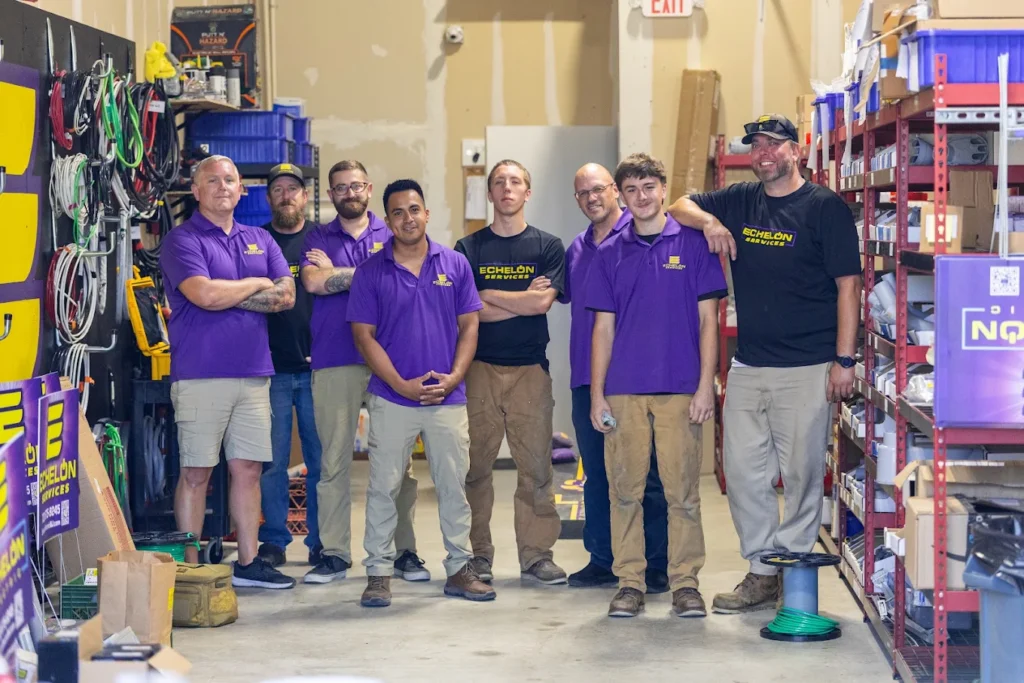
Membership counts when it connects to continuing education. I prefer an electrician who participates in continuing education through associations or the local community college. Look for specifics: hours logged in code update classes, certification renewals, or courses on AFCI/GFCI updates and EV charger installations. An electrician who can present recent class certificates or a training log likely keeps skills fresh and understands the latest developments in the electrical system, including important updates on backup generator installation.
Industry affiliations that mandate ethics and safety standards are more valuable than ornamental badges. Certain organizations need background checks, insurance verification, and signed conduct codes. Inquire if the affiliation has a written complaint procedure or disciplinary processes that demonstrate a group maintains standards, not just markets members. Examples include an NJECA member who must carry workers’ comp and liability insurance and follow a local safety program, which gives more reassurance than an unaffiliated individual.
Review industry affiliations. Associations offer networking, shared best practices, knowledge share forums, newsletters, and co-op training. These practical benefits include quicker answers on unusual panel upgrades, shared supplier discounts that lower material costs without sacrificing quality, or peer-reviewed methods for complex electrical repairs. Industry affiliations frequently provide professionals a way to stay ahead on regulatory shifts, which is critical in New Jersey where municipal codes and utility requirements vary.
Know your boundaries. For others, the affiliations are more like career boosters or marketing tools than evidence of expertise. Nominees or endorsements may be affected by personal ties and local politics. Balance an affiliation badge with other checks: references, visual work samples, and a license check with the NJ Board. If an affiliation sounds strictly promotional, discount it more.
Ask direct, specific questions: Which classes did you take in the last 12 months? Does your organization mandate insurance and CE? How does the group address member complaints? Responses reveal if the affiliation is substantive or merely a logo.
Secure Contractor Agreements
A good contractor agreement for electrical services establishes expectations and reduces risk prior to work commencing. It needs to specify what the electrician will do, what you will pay, who is responsible for permits or clean-up, and when the electrical work must be completed. For NJ jobs, be sure to note local code references, who takes care of permits, and any utility company coordination to avoid problems down the road.
Obtain a detailed, signed contract outlining scope, cost, and timeline.
When outlining the scope of work, it’s essential to clearly list the circuits, panels, fixtures, and installation steps involved in the electrical work. Additionally, include any necessary testing or inspection that will be conducted. Specify materials and brands where applicable, or indicate ‘to be agreed’ if the installer will make selections. Establish clear start and finish dates with reasonable buffers for weather or permit delays, especially for repairs and installations. Provide a detailed breakdown of total costs, including labor, materials, permit fees, and estimated taxes. For instance, ‘Replace main panel, install GFCI in kitchen, test grounding for a total of $3,200, with materials costing $900.’ Ensure both parties sign and date each page to avoid disputes over missing documents.
Ensure payment schedules are clearly defined and tied to project milestones.
Agree on a payment plan that links each draw to a clear milestone: a deposit at contract signing, a mid-project payment after the electrical panel installation, and final payment after city inspection and certificate of occupancy or final sign-off. No significant upfront payment is required. New Jersey contractors typically require a small deposit, around 10 to 30 percent based on project size. It’s essential to identify acceptable payment types and outline the consequences of overdue payments, including whether the contractor waives lien rights once paid or how final acceptance is determined.
Include clauses for dispute resolution and change orders in writing.
Include a written change order process that must be approved before additional electrical work or costs are incurred. Detail the impact on price and schedule of change orders, including potential repairs and installations for the electrical system, with a sample form or email template for approvals. Build in dispute resolution steps: start with informal negotiation, then mediation in New Jersey, and only then binding arbitration or court as a last step. For both sides, there should be termination rights and how refunds or final settlements are dealt with. Specify who owns any designs, plans, or photos for IP clarity.
Keep a copy of the signed agreement for your records and future reference.
Maintain originals and digital scans of the signed contract, change orders, invoices, permits, and inspection reports all in one folder. This shields you from warranty conflicts and validates insurance claims. The contract should specify warranty details, commencement, duration, and coverage. A good agreement provides both parties with certainty and allows you to focus on the electrical work, not the potential problems.
Conclusion
Choose the appropriate New Jersey electrician who stays clean when you use reason and a strategy. Verify the license and insurance first. Match your work to a tradesperson who advertises similar jobs and who understands local codes in Newark, Jersey City, or the Shore towns. Seek written bids detailing cost, timeline, and parts. Be on the lookout for fast low-ball bids, aggressive sales tactics, or questionable references. Find tried and true pros with local reviews and trade group listings. Request permits and final inspection reports. Select someone who is punctual, describes the steps in layman’s terms, and provides a fair warranty.
Ready to whittle down your list? Obtain three bids and book with the electrician in New Jersey who best meets those checks.
Frequently Asked Questions
How can I confirm an electrician is licensed in New Jersey?
Verify a current license on the New Jersey Division of Consumer Affairs site. Request the electrician’s license number and check it online, ensuring they meet the standards for electrical work and repairs.
What minimum insurance should a Jersey electrician carry?
When hiring an electrician, be sure to look for general liability and worker’s comp insurance coverage. This includes protection against property damage and covers injuries during electrical work on your job.
Should I hire a master electrician or a journeyman?
That’s the master electrician you want to hire for the tricky electrical work, permits, and inspections. Journeymen are great for routine repairs and supervised installations of electrical systems.
How many references or reviews should I request?
Request a minimum of three new local references and verify online ratings on platforms like Google, Yelp, and Angi to ensure the reliability of their electrical services and quality of repairs and installations.
What warning signs indicate a poor electrician choice?
Red flags include no license, no written estimate, high upfront cash requests, poor communication, or bad online reviews. If something feels off or they pressure you, walk away from hiring an electrician.
Do electricians in New Jersey need permits for remodeling?
Yes. The vast majority of electrical work, including installations and repairs, necessitates local permits and inspections. A licensed electrician will pull permits and schedule inspections to comply with New Jersey electrical codes.
How should I compare written estimates?
When hiring an electrician, compare scope, materials, labor hours, permit costs, and warranty for electrical services. The cheapest option is not always the best choice for reliable electrical repairs.