

Key Takeaways
- A loose neutral generates unstable, unbalanced voltage that can dim or brighten lights, wreck appliances, and increase shock and fire hazards. Here’s one of the earliest warning signs of a loose neutral in your home: flickering lights across multiple rooms.
- Test voltage and continuity with a multimeter to verify swings between hot, neutral, and ground. Map readings to identify impacted circuits.
- Watch for appliance failures, tripped breakers, or burned components as signs of ongoing neutral issues and keep track of what devices die to assist in isolating the circuit.
- Consider tingling or burning smells around outlets, switches, or the panel as immediate dangers. Unplug power and call a pro if they’re there.
- Look for loose, corroded, or discolored neutral connections behind the panel and tighten terminals only after turning off power at the main. Use thermal scanning to detect hotspots from resistance or arcing.
- Keep a list of impacted circuits, test results, and observations. Make sure to check or upgrade wiring periodically to avoid a repeat and safeguard sensitive electronics.
Odd lights, flicker, or outlets that work intermittently are signs of a loose neutral wire in your home. A loose neutral can cause voltage swings, appliance damage, and tripped breakers. Typical telltales are buzzing from fixtures, warm outlet plates, and LEDs that dim with load. Homeowners should pay attention to where and when problems arise and pass those observations along to a licensed electrician for proper diagnosis and repair.
Working Concept
A neutral wire is the return path for electricity in both 120 V and 240 V home circuits and balances voltage between the two power legs that feed a typical household panel. It connects to the neutral bar in the electrical panel and connects to the utility system ground. When that connection is firm, voltage is constant and loads distribute current reliably. When it falters, the equilibrium is disturbed.
A loose neutral wire results in unstable voltage and uneven power distribution around devices and outlets. The frayed connection increases resistance at the junction box and generates inconsistent voltage drops with the changing loads. With certain appliances operating, one leg of the supply can creep above its nominal value while the opposing leg creeps below it. That unbalance is not a fixed offset; it moves with utilization, so lights, motors, and chargers can experience wide voltage swings in seconds.
A floating or lost neutral can cause certain circuits to receive excess voltage and others to receive insufficient voltage, boosting the risk of damage. Sensitive electronics, like computers, routers, and LED drivers, are especially at risk since their internal supplies anticipate a consistent input. Overvoltage can fry components, undervoltage can stall motors or slow-turn fans and overheat. If a bunch of devices die at once, particularly on separate circuits, that smacks of something like a loose neutral killing the whole system as opposed to sporadic appliance failures.
Typical, visible symptoms arise from the same root cause. They are the most common indicators, flickering or dimming lights. The flickering difference in brightness indicates the feed is scrolling. Tingling electric shocks when touching appliances indicate stray voltages or return paths taking other routes. That is a sign of weak neutral continuity. Older homes with original wiring are even more susceptible to loose neutrals as terminals and conductors wear out after decades of heat cycles and corrosion. Age increases the likelihood of this defect as well.
One technical check using a multimeter to test outlets and the panel. Major and recurring voltage sags between hot and neutral or between the two hot legs indicate a damaged neutral. The neutral would measure near zero volts to ground and each hot would read the normal expected nominal voltage. Big departures spell danger.
Avoid trouble by inspection and maintenance. Getting an electrical inspection every three to five years and having a licensed electrician inspect all connections when doing any electrical work are the best defenses against catching a loosening neutral before it becomes dangerous.
Warning Signs
A loose neutral wire can cause everything from a harmless nuisance flicker to hazardous arcing. Here are the best warning signs, what they indicate, where to search, and basic steps to act. Periodic checks every three to five years catch these signs early.
1. Flickering Lights
Lights that flicker or pulse for no obvious reason typically indicate a floating neutral. If lamps or ceiling fixtures flicker when another device kicks in, the neutral may be shifting voltage between legs of the service. A persistent or random flicker, especially if it is across multiple rooms, indicates the problem is upstream, maybe at a shared neutral in the panel or at the service entrance. Compare fixtures on different circuits and phases. If lights on both phases behave the same way when one device cycles, the neutral at the panel is suspect. Keep in mind that flicker can be caused by loose bulbs or switches, so always eliminate simple causes first.
2. Voltage Swings
Test outlet voltage with a multimeter. Examples of readings creeping well above or below the standard 120 V are signs of instability. Heavy appliances cycling, like HVAC compressors or ovens, can unmask an imbalanced circuit and induce sudden surges or drops. Certain devices can run hot or fry due to getting too much voltage when the neutral floats. Test a few outlets and different phases with a voltage tester to verify if spikes are isolated or systemic. Make load readings to see true behavior.
3. Appliance Failures
Repeated breaker trips or blown fuses, or devices that quit after a short time are warning signs of neutral issues. Motors can run slow, hum, or overheat, and electronics may reset or develop burnt components. Monitor which devices blow and if they blow at the same time on different circuits. A coincident fault on both circuits indicates a neutral problem. Test for warm outlets or plugs. Heat frequently indicates a bad connection at the neutral that increases resistance and heat.
4. Tingling Sensations
If you experience a feeble shock or tingle on the appliance chassis or switches, it indicates a stray current caused by neutral or grounding faults. Recurring tingles are a death threat and require emergency intervention. Test the affected outlets for proper grounding and neutral continuity. Don’t dismiss even a small intermittent tingle.
5. Burning Odors
A smell of burning plastic, insulation or overheated electrical which may be close to outlets, switches or the panel indicates overheating or arcing. Check for discoloration, melted covers or scorch marks. Treat any burning smell as urgent. Shut off power to the area and call a qualified electrician.
Underlying Triggers
A loose neutral wire throws off the equilibrium of a home electrical system by disrupting the return route for current. The neutral should bear the same current that departs upon the hot legs, so any inadequate connection can allow voltages to fluctuate. That swing can zap one leg over normal, which is overvoltage, and the other under, which is undervoltage. This is when sensitive electronics typically fail first. Older homes with original wiring are more susceptible because connections, screws, and insulation degrade over time and can loosen or corrode.
Loose connections at the neutral bar or wire terminals are the most common cause of a floating neutral. Terminals in the main service panel, subpanels, or meter base can back out over time from thermal cycling and vibration. A screw that appears to be tight can still have a bad bite on a conductor if the wire is frayed, double-wrapped, or not seated properly. For example, a dryer neutral tied under an old screw can heat and loosen, causing large voltage swings when the dryer runs.
Corroded, damaged or broken neutral wires within junction boxes or panels are another common trigger. Water, mice or strain can wear down insulation and snap conductors within hidden spaces. A break can be partial, resulting in intermittent contact that manifests as flicker, faint crackling sounds near the service entrance or slight shocks from appliance chassis. For example, a basement junction box with rusted wire nuts may leave a neutral that conducts poorly under load but appears fine at rest.
Overloaded circuits and bad wiring habits put stress on the neutral as well. Shared neutrals or multi-wire branch circuits that aren’t properly tied to the breaker can conduct unbalanced current. If someone piggybacks circuits or uses undersized neutrals, the neutral can overheat and loosen at connections. Multiple devices frying simultaneously, particularly on different circuits, indicates a main neutral problem, not multiple faulty appliances. For example, lights dimming while the refrigerator and microwave trip together could point to a service neutral problem.
Utility-side issues deserve attention. A lost service neutral from the transformer or a damaged service drop will affect all downstream circuits. Symptoms are large voltage swings as measured by a multimeter at multiple outlets and sustained undervoltage or overvoltage on one leg. Routine electrical inspections every 3 to 5 years catch loose neutrals before they cause damage. If you hear crackling at the service entrance, experience mild shocks from appliances, or notice large meter or outlet voltage fluctuations, call in a licensed electrician.
Hidden Hazards
A loose neutral wire hides hazards until the damage is already underway. It can increase the danger of lethal electrical shock or spark a fire when connectors heat, arc, or break. In older homes with original wiring, thermal cycling and material degradation make neutral connections more prone to loosen. A loose neutral is often a symptom of a larger problem: aging panels, outdated wiring, or systems not sized for modern electrical loads.
A loose neutral can cause unbalanced voltage between the two hot legs of a split-phase. Unbalanced voltage feeds appliances either higher or lower voltage than desired. Sensitive electronics, such as computers, TVs, routers, and power supplies, are especially vulnerable to those swings. Over or under voltage, when repeated, reduces the life of components and can lead to immediate failures. For instance, a fridge compressor might overheat and burn out, or a premium audio amp could burst capacitors during strain. Testing outlets with a multimeter for voltage swings outside of normal tolerances is a technical method to detect this problem.
Arc faults and overheating generally take place where a neutral is loose at a connection, such as panel lugs, terminal blocks, or device screws. When a conductor makes intermittent contact, small arcs form and increase local temperature. In time, this burns insulation, eats away at metal, and raises resistance, which makes heating more severe. Those decayed points can flare or smolder without apparent sparks and ultimately result in fire if neglected. Regular inspection every three to five years helps find early signs: darkened contacts, brittle insulation, or loose terminals.
A loose neutral can impact several circuits simultaneously, complicating diagnosis. If multiple units or appliances fail at once, particularly in separate rooms or on separate circuits, that can indicate a common neutral or panel neutral issue versus individual unit failure. Slight shocks on contact with devices or case metal mean that return paths are not functioning as designed and metal components can become energized. That symptom should trigger instant professional attention.
Practical steps: Stop using suspect circuits, unplug sensitive gear, and don’t attempt high-voltage work without training. Record flicker patterns, mark which appliances break simultaneously, and test outlet voltages if you can safely manage it. Have a licensed electrician check panel connections, neutral bus bars, and shared neutrals and upgrade in older homes with wiring not up to modern loads.
Diagnostic Steps
Start by killing power at the main panel before even touching any wiring or terminals. That minimizes danger as you organize the examination and experiments. Develop a checklist of affected circuits, outlets, switches, lights, appliances, and symptoms such as flicker, dimming, warm outlets, tripped breakers, or mild shocks. The checklist will assist you in identifying trends between zones and over time and serves as a resource for a licensed electrician should you consult one. Periodic inspections every three to five years and inspection by a professional any time electrical work occurs reduce the likelihood that a neutral loosens unknown.
Multimeter Test
Turn the dial to AC voltage on the multimeter. Test between hot and neutral, hot and ground, and neutral and ground at each outlet and switch. Major voltage differences between hot and neutral or low voltage between neutral and ground are technical symptoms of a loose neutral. If lights flicker or dim as you take readings, record those times and conditions.
Test continuity on the neutral conductor from outlet to panel with circuit power off. If there is a break, high resistance, or intermittent continuity, it signifies a bad connection or broken conductor. Employ a clamp on the ground wire in the panel to measure current where possible since any variance between neutral and ground currents will indicate a neutral fault. Capture results in the table below for side-by-side comparison.
| Location | Hot–Neutral (V) | Neutral–Ground (V) | Continuity (Ω) |
|---|---|---|---|
| Kitchen outlet A | 122 / fluctuating | 3 | 0.5 |
| Living room light | 118 flicker | 1 | 0.2 |
| Panel neutral lug | 120 stable | 0.2 | 0.05 |
Thermal Scan
Scan outlets, switches, junction boxes and the panel with an infrared thermometer or thermal camera. Seek out hotspots, warmer-than-surrounding metal or insulation. Warm terminals frequently indicate high resistance or arcing at a neutral connection. Examine both sides of the panel and concentrate on the neutral bar and terminals for each wire.
- Move slowly and compare similar terminals for temperature differences.
- Record any terminal that is hotter than normal by a few degrees Celsius.
- Re-scan after running heavy loads to stimulate faults that manifest only under load.
- If you encounter a hotspot, check the device off the checklist and leave power off until it is examined.
Panel Check
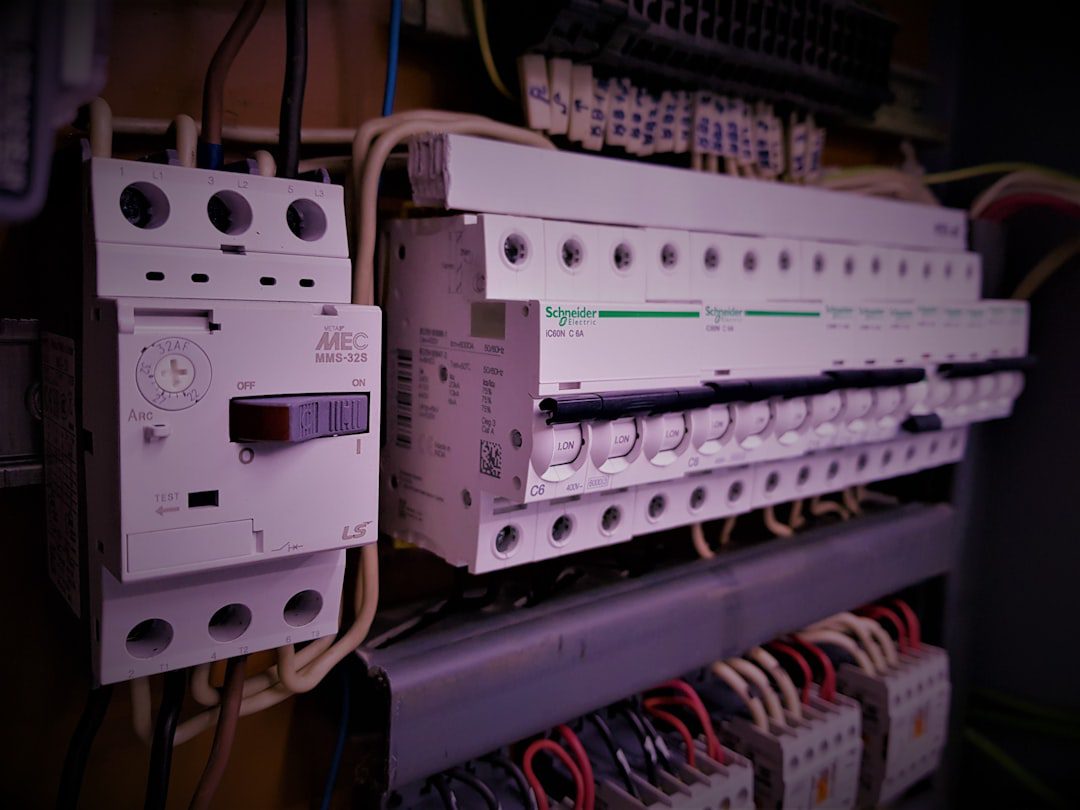
Open the panel with power off and check your neutral bar for loose screws, discolored wiring or burnt insulation. Tighten neutrals firmly with an insulated screwdriver. If any terminal is corroded, pitted, or charred, replace or repair it. Verify that each circuit neutral is actually landed on the neutral bar and not floating. Mislabeled or floated neutrals can take down multiple devices simultaneously. If you check tripped breakers, flickering lights, warm outlets or feel shocks, have a pro look at you right away.

Expert Insights
For a safe, balanced home electrical system, you need a reliable neutral connection. The neutral must return current from both 120-Volt legs of a split 240-Volt supply and transport that return reliably. If that neutral is loose, currents can migrate unevenly between legs. Appliances experience higher or lower voltages than desired, and hazards such as flickering lights, breakers tripping without overloads, and overheating components increase.
Routine panel and outlet wiring inspection minimizes these risks. Visual inspections can identify hot or discolored outlets, loose faceplates, or misaligned wiring. Pay attention to buzzing around panels or outlets and any burning smells. Many of these symptoms are indications of a loose connection or a dying part. Homes older than roughly 20 years or those that have been recently renovated see the most benefit from regular inspections since older panels and retrofitted circuits are frequent culprits for neutral issues.
Replacing outdated or compromised wiring with modern, safe alternatives cures a lot of neutral problems. Swap out two-prong outlets, worn receptacles, and aluminum branch circuits where necessary. Consider panel upgrades if breakers are outdated, fused panels exist, or grounding and bonding are not up to code. Contemporary breakers and adequately torqued neutral bus bars minimize the risk that a loose neutral might cause imbalanced voltages or arcing that can cause electrical fires.
- Perform scheduled inspections: Have a licensed electrician check the main panel, subpanels, and key outlets every 3 to 5 years, sooner for older homes. They will tighten terminals, check bus bar integrity, and test for voltage balance between legs.
- Watch for warning signs: Flickering lights, breakers tripping without clear overloads, warm outlets, buzzing sounds, or unusual smells. These could be signs of a loose neutral or a related problem and warrant swift professional inspection.
- Test voltage balance: Periodic voltage readings between each hot leg and neutral can reveal imbalances. Any variation of more than a couple of volts indicates a neutral issue that requires fixing.
- Prioritize upgrades where needed: Replace outdated panels, worn wiring, and incompatible devices. Install new breakers and safe neutral terminations to reduce fire risk and enhance reliability.
- After renovations, verify connections. Any work that touches wiring can disturb neutrals. Demand after-work testing and a report of neutral continuity and bonding.
A pre-season electrical inspection can identify loose connections, aging panels and faulty appliances before they start causing damage. Take care of issues immediately to mitigate the risk of fires and equipment destruction.
Conclusion
A loose neutral wire can begin innocuously and escalate quickly into a serious danger. The signs here add up: flickering lights that follow a pattern, outlets that heat up, breakers that trip at odd times, and appliances that hum or die off. Every sign connects to a specific root cause and an easy test you can conduct or discuss with an electrician. Repairing a loose neutral reduces shock and fire hazards and protects equipment.
For expedited response, de-energize the circuit, investigate connections in reachable outlets and the panel, and employ the voltage tester or clamp meter for unambiguous measurements. If you observe recurring flicker, burning odors, or wild voltage fluctuations, it is time to call a pro. Be safe, fix it now!
Frequently Asked Questions
What is a loose neutral wire and why should I care?
A loose neutral is a bad or intermittent connection on the neutral conductor. It makes lights flicker and voltage swing, and electronics get fried. It’s a major safety and appliance hazard that requires immediate identification and repair by a licensed electrician.
What are the most common signs of a loose neutral at home?
Check for dimming or brightening lights, buzzing outlets, appliances running funny, and circuit breakers tripping with no overload. These are the sure, consistent indicators that you have a loose neutral in your house, not a sleepy or defective device.
Can a loose neutral cause electrical shock or fire?
Yes. A loose neutral can cause unstable voltages and connection overheating. That increases shock and fire danger. Don’t take any chances. Consider it a danger and don’t use impacted circuits until an electrician examines them.
How can I safely check for a loose neutral myself?
Do not open service panels or contact wiring unless trained. You can note symptoms such as fluctuating lights or multiple devices failing. Record when and where it occurs and have a licensed electrician check voltages and connections.
Will replacing a device fix the problem?
Swapping in lamps or appliances typically won’t correct a loose neutral. It’s the wiring or connections, not the device. Get an electrician to locate the loose neutral and fix it so it doesn’t happen again.
How quickly should I call an electrician if I suspect a loose neutral?
Ring a bell. Since hazards encompass both appliance damage and fire, schedule service that day if you observe intense indications such as voltage fluctuations, burning odors or persistent breaker trips.
What will an electrician do to diagnose and fix a loose neutral?
An electrician will measure voltages, check panel and junction connections, and tighten or replace defective terminals or wiring. They might test service connections with the utility if the neutral problem is upstream.