

Key Takeaways
- Opt for marine-grade, corrosion-resistant fixtures such as solid brass, composite, or marine-grade steel for durable outdoor beach house lighting in salt air and humid coastal environments. Opt for wet-location rated products and professional installation.
- Layer your lighting with wall sconces, pendants, post lights, landscape lights, and deck lights to balance ambient, task, and accent needs while accentuating architecture and landscaping.
- Warm LEDs, frosted glass, and shielded downward-facing fixtures create an inviting ambiance, reduce glare, and limit light pollution that can harm wildlife and our stars.
- Add smart controls, motion sensors, and automated schedules to maximize energy efficiency, security, and remote management of multiple exterior zones.
- Keep fixtures in tip-top shape with occasional cleanings, post-storm inspections, and replacement of corroded parts or bulbs as needed to safeguard performance and curb appeal.
- Schedule installations with licensed electricians, confirm warranties and certifications, and track maintenance schedules to maintain safety and code compliance.
Outdoor lighting for beach house refers to fixtures and plans designed for coastal environments and low-glare night functionality. Coastal-grade materials withstand salt, moisture, and wind.
LED choices reduce energy consumption and heat. Warm color temperatures and shielded fixtures minimize light spill and preserve nightscapes.
Functional positioning accents paths, decks, and stairs to provide safety and coziness. If you’re looking for outdoor lighting for your beach house, the guide below covers fixture types, placement tips, and maintenance.
Coastal Lighting Fixtures
Coastal lighting fixtures are designed to withstand salt air, high humidity and storm exposure while complementing a beach house’s laid back vibe. Select marine-grade ratings and corrosion-resistant materials to guarantee durability. Natural materials and light color palettes allow fixtures to meld with sand, sky and plantings. Many coastal designs have moved toward modern, streamlined shapes as well as traditional nautical silhouettes.
1. Wall Sconces
It’s a smart idea to mount wall sconces onto porches, entryways, and backyard walls in order to direct illumination where humans tread and increase security. Go for coastal wall sconces with frosted glass, weathered zinc, or muted paints to keep glare low and mimic dunes and driftwood tones. Rounded domes and soft profiles temper edges and complement adjacent plantings or clapboard siding.
Place sconces at eye level to accent columns or trim and establish an even welcoming glow.
2. Pendant Lights
Hang pendant lights over outdoor dining areas, patios or gazebos for some task light and style. Opt for glass or drum shades in coastal hues, soft blues, seafoam or weathered metal, for visual intrigue that still feels serene and sophisticated. Make sure your fixtures have exterior ratings and UV-stable finishes so they can withstand sunlight and salty breezes without fading or corroding.
Mix pendant heights and shapes to construct a layered tableau that reads deliberate. Diversify scale to accommodate high ceilings or cozy corners.
3. Post Lights
Post lights set along walkways, driveways and pool perimeters can increase visibility and safety at night. Above all, choose solid brass, solid bronze or high-grade composite posts to fight rust and scrapes from hands and garden tools. Lantern-style or globe tops suit many beach-home styles — select a design that relates to other outside fixtures.
Space posts evenly so you don’t get dark patches and to make a nice path that ‘reads’ well from the street and the house.
4. Landscape Lights
Uplight trees, water features and garden beds with landscape lights for evening allure. Choose LED fixtures for low energy consumption and long life in wet, salty environments. Narrow beams, adjustable heads and shielded lenses keep light where you want it and reduce glare toward the ocean or neighbors.
Incorporate lighting into planted areas and hardscape borders so fixtures seem integrated rather than bolted on.
5. Deck Lights
Use deck lights on stairs, rails, and seats to avoid trips and create mood. Opt for low-profile, weather-resistant fixtures that withstand sand, shoes, and wet gear. Warm LED tones help create a cozy gathering spot while complementing the rest of our exterior lights for a cohesive coastal aesthetic.
Match materials and finishes so deck lighting coordinates with wall sconces, pendants, and post lights throughout the property.
Resilient Materials
Picking materials for beach house lighting is always a trade between corrosion resistance, UV stability, strength, and cost. The right materials resist salt air, moisture, high winds, and extended sun exposure while keeping maintenance low and looking great.
Here are three popular options with characteristics, trade-offs, and typical applications.
Solid Brass
Solid brass is rust resistant and ages beautifully, frequently acquiring a natural patina that homeowners love on coastal homes. This patina offers a second protective layer and can conceal superficial scratches, so the fixtures maintain their appearance even after years by the shore.
Brass costs more initially, but its longevity and reduced need for replacements can be very cost-efficient over ten years or longer. Use solid brass for focal fixtures: outdoor chandeliers, lanterns by the entry, and statement wall sconces where appearance matters as much as durability.
Brass isn’t the only metal that stands strong. Solid bronze gives you comparable corrosion resistance and is a great choice for coastal areas where salt spray is common.
Composite Materials
Composite fixtures, such as engineered plastics and polycarbonate, provide a corrosion-proof and lightweight alternative. Polycarbonate resists corrosion, UV, moisture, and gusts of wind while being inexpensive relative to metals like aluminum or brass.
Composites are available in a dizzying array of colors and styles, so coordinating with that perfectly coastal look is easy without additional finishes that are prone to peeling in the sun and salt. Composites require less regular maintenance than a lot of metals.
They’re particularly well suited for high salt-exposure areas like pool decks, oceanfront patios, and under-deck soffits. Anticipate dependable life and reduced replacement expenses that deliver obvious long-term savings.
Composites are rated for solids and moisture protection. Search for IP ratings, which indicate solid object ratings from 0 to 6 and moisture ratings from 0 to 8, to suit fixture location.
Marine-Grade Steel
Marine-grade steel (like 316 stainless) provides excellent structural strength and resistance to salt, sand, and storms. Choose it for fixtures that must endure extreme weather, such as exposed posts, large floodlights, and structural-mounted pier lights.
Modern finishes enable modern styles without losing durability. Marine-grade steel marries low maintenance and long life and plays well with heavy-duty gaskets and sealed optics for watertight performance.
Tables underneath detail materials, features and anticipated lifespans for easy comparison.
| Material | Key features | Expected lifespan |
|---|---|---|
| Solid brass/bronze | Rust resistance, patina formation, classic look | 15–30+ years |
| Polycarbonate/composite | Corrosion-proof, UV-resistant, lightweight | 10–20 years |
| Marine-grade steel (316) | High strength, salt resistance, modern finish | 15–25 years |
| Material | Maintenance needs | Best use |
|---|---|---|
| Brass | Low, occasional polishing | Focal fixtures |
| Composite | Minimal | Pool areas, soffits |
| 316 steel | Low, check seals | Exposed fixtures |
Design Philosophy
Outdoor lights for a beach house need to strike a delicate balance of function, durability, and coastal style. Think wind, salt, and sun when selecting fixtures and finishes. Corrosion-resistant materials like marine-grade stainless steel, powder-coated aluminum, or solid brass with protective coatings should be your first choice.
Choose fixtures that feel breezy and lightweight in shape. Sleek profiles, open designs, and subtle textures help maintain the style while enduring the elements.
Layering Light
Mix ambient, task, and accent lighting to create depth and usability of the exterior throughout the day. Ambient light sets base visibility. Recessed soffit LEDs or concealed cove lighting provide an even wash without glare.
Task fixtures, such as step lights, pendant lamps over dining tables, and poolside bollards, provide brighter, directed illumination where people act or walk. Accent lights, including low-voltage spotlights or strategically placed uplights, bring drama and direct your gaze.
Employ ceiling fixtures, wall sconces, and freestanding lamps in concert so no one source reigns supreme. A pendant over the dining table complements wall sconces on the porch and recessed deck lights to disperse light.
Adjust levels for activity: brighter for meal prep or games, softer for conversation. Dimmers and smart controls make that shift seamless, and presets tied to sunset or activity scenes reduce fuss. Layering allows you to sidestep the classic ‘more is more’ mistake of thinking brighter is better. The perfect blend keeps rooms purposeful and inviting.

Highlighting Features
Aim light on focal points like textured walls, mature trees, stairs, fountains, and sculpture. Spotlights and adjustable uplights focus attention without washing out the scene. For a driftwood sculpture, a skinny beam close to the ground will expose grain and shadow.
For a palm or native shrub, install an uplight behind the trunk and silhouette the fronds against the sky. Select fixtures with adjustable heads so you can fine-tune angles as plants grow or furniture shifts.
Keep lights out of direct sight lines to avoid glare. Don’t over-light. Choose a few key features and don’t try to light everything. Attentive highlighting mellows architecture yet still enables it to be bold.
Creating Ambiance
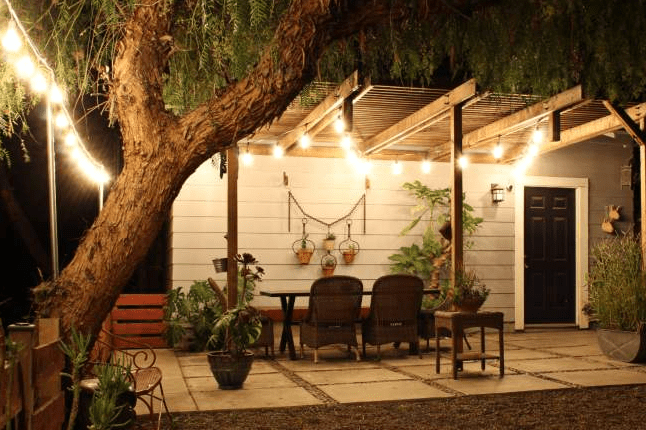
Warm-toned LEDs and frosted glass create a subtle, warm haze that resonates as natural in the aftermath of sunset. To delineate gathering spots — patios, decks, fire-pit circles — cluster lanterns or string lights. A hanging outdoor chandelier can ground a porch without being fussy.
Match intensity and style to mood, with higher foot-candle counts for games and lower for quiet evenings. The right combination can render the outdoors cinematic, soothing, or energetic and communal.
Good outdoor lighting design takes into account the time of day and season so that spaces remain usable all year round. Thoughtfully designed light defines the way a home feels well after sundown.
Smart Technology
Smart tech allows beach house owners to take outdoor lighting off autopilot and conserve energy. It connects fixtures to apps, voice assistants, and home platforms. Select weather-proof fixtures intended for exterior use and confirm support with your smart hub in advance.
Automation
Schedule outdoor lights to come on and turn off by time or motion. Use sunrise/sunset-based scheduling so lights mimic natural daylight. This reduces waste and keeps pathways illuminated when necessary. Motion sensors on doors and decks activate lights only when someone approaches, conserving energy and initiating awake lights for security.
Create schedules for zones—walkways, patios, poolsides—so every area exhibits its own personality. They can be dim path lights at night and brighter when they sense motion. Pool lighting could glow warm for nighttime laps and transition to color gradients for a soiree. Routines allow you to adjust color temperature and brightness automatically for different times or actions.
Generate occupancy simulation routines for when the house is empty. Randomized lights in different zones simulate people moving about the house and discourage intruders. Remote overrides through your smartphone allow you to toggle modes from wherever you are if plans adjust or an unexpected visitor arrives.
Change schedules remotely via apps. If daylight saving or seasonal changes require manual adjustments, make them in seconds from your phone. Note that a few users say they have difficulty hooking up outdoor lights to Wi-Fi if their router is far away. Think about a mesh network or dedicated bridge for reliability.
Control
Install centralized controls or smart switches to operate all exterior lighting from a central location. One panel or app view minimizes touching multiple devices and keeps scenes consistent across the property. Group lights based on location or use for easy adjustments.
Group patio lamps to create a warm glow over the dinner table. Group pathway lights for safety. Group landscape washes for accents. Allow for voice control via smart assistants for hands-free use while carrying groceries or gear.
Voice controls are great for basic tasks like changing zones, colors, or setting scenes. Track energy consumption in the app and receive notifications for problems such as a dying bulb or abnormal power draw. This assists with scheduling repairs and reducing power bills.
Smart provides color customization and features such as color-changing gradients to set the mood or celebrate an occasion. Add the lighting to your larger smart home platforms for schedules, sensors, and scenes that encompass irrigation, security cameras, and shades.
Make sure all outdoor pieces are salt air and rain rated for years of operation.
The Unseen Impact
Beach house outdoor lighting is about more than just lighting and curb appeal. It affects animal behavior, shifts habitats, and contributes to star-erasing sky glow. The decisions regarding fixture type, color temperature, mounting height, and timing make lighting an ally of safety while minimizing harm to the local ecology.
The subsequent subheadings parse out actionable ways to minimize damage without losing utility.
Wildlife Protection
Opt for lower lumen bulbs with warm color temperatures, as close to 2700 K or lower as possible, to reduce the blue light that adversely affects these nocturnal species. A 300 to 600 lumen porch light may be okay, but stay away from those 1600 to 3000 lumen flood lamps pointed across dunes.
Mount fixtures on posts or the house side, not on facing dune crests or plants where shorebirds and turtles feed. Maintain lights at a minimum distance of a few meters from identified nesting and/or foraging sites. If nests are detected, move temporary lighting away or employ low-mounted shielded lamps that illuminate only paths.
Motion-activated fixtures are useful because they stay off during most nights and turn on briefly when needed, reducing continuous illumination that can disorient hatchlings and insects. Use amber or red-tinted LEDs and filters whenever you can. These draw fewer bugs and affect sea turtle hatchlings less.
Adhere to community wildlife-lighting policies. Several coastal communities broadcast specific restrictions on intensity and timing. Record light locations and timing for caregivers so patterns stay the same from year to year.
Sky Preservation
Opt for full cut-off fixtures that direct no light upward. These fixtures maintain light on the targeted surface and minimize sky glow that bleaches out stars. For decks and walkways, install downward-facing wall sconces or step lights with narrow beams instead of broad floods.
Target lighting to task areas: Illuminate steps, handrails, and entryways precisely with low-angle, shielded fixtures. Beam widths below 60 degrees are great for focused light and you can always add shields or barn doors on fixtures to shape output even more.
Dimmers and programmable controls allow you to reduce output after midnight, maintaining darkness while retaining safety. Participate in area dark-sky or coastal-lighting programs by purchasing approved appliances and passing along tips to neighbors.
Educate family members by encouraging them not to leave decorative string lights on all night and close their curtains when lights are on indoors. Good habits aid stargazing and benefit local ecosystems.
Installation and Care
Installation and care keep outdoor lighting safe in coastal locations. The subsections below discuss what to anticipate from professional installation and how to build a smart maintenance schedule that tackles salt air, storms, and even everyday wear.
Professional Setup
Hire electricians or lighting pros that have worked on other coastal projects and know the local codes. Request verifications of coast installations and references. All fixtures must be wet location rated with a suitable IP rating.
IP65 and above is typical for exposed locations. IP44 may be enough under covered porches. Ensure all fixtures are grounded and that wiring methods comply with local codes to minimize shock and corrosion hazards.
Ask for a detailed lighting plan with fixture locations, mounting heights, salt spray exposure, and circuit layouts. It should mention finishes—stainless steel, marine-grade bronze, and powder-coated aluminum react differently in salt air—and include product certifications and warranties.
Check warranty coverage for coastal use and inquire if seals and gaskets are covered. Verify that the installer employs corrosion-resistant fasteners and mounting points that are intended to prevent water pooling and crevice corrosion.
Routine Maintenance
Put together a to-do list of quarterly, semi-annual and annual things to do.
Quarterly: wipe lenses, remove visible salt and sand, and test operation.
Semi-annual: rinse fixtures with fresh water to remove salt buildup, inspect seals and gaskets, and tighten fastenings. Coastal properties often benefit from checks after hurricane season or high-wind days.
Annual: thorough inspection for gasket wear, corrosion at mounting points, lens clarity, and wiring integrity.
Check wiring both visually and by testing circuits for continuity and grounding. Check for gnawed wires. Squirrels and other critters do a serious number on unprotected cables, so secure conduits and vermin-proof covers where necessary.
Inspect finishes for flaking paint, pitting, or greenish corrosion and replace sun-bleached mounting hardware. Change bulbs and upgrade to LED fixtures, which are long-lived, energy-efficient, and maintain consistent output in extreme temperatures.
Save parts and maintain a log. Document rinse dates, seal changes, and fixture replacements along with product lot numbers and warranty information to expedite claims. Keep spare gaskets and screws and a limited number of bulbs on site for quick post-storm fixes.
Switch out broken or tired fixtures to keep your home safe and great looking. Poor or rusty fixtures can leak moisture into connections, deteriorating wiring and diminishing protection ratings.
If you’re selecting replacements, focus on housing material, IP rating and conformance to local regulations.
Conclusion
Outdoor lighting for beach house needs to combine form and function. Good fixtures will resist salt, sand, and wind. Easy designs direct light where folks hang out and where stairs or trails require it. Try warm, low-glare bulbs for porch nights and brighter, directed lights around stair safety. Choose materials such as marine-grade stainless steel or UV-stable polymers. Include smart controls for timers and dimming to conserve energy and reduce maintenance. Routine rinses and short inspections prolong system functionality.
Example: A low path light, a porch pendant, and a motion flood at the garage give layered light with little fuss. Go for IP65 or higher. Test basic smart hub to tie lights together.
Browse and design a configuration that matches your house.
Frequently Asked Questions
What lighting fixtures work best for a beach house exterior?
Opt for coastal-rated fixtures constructed with marine-grade stainless steel, powder-coated aluminum, or solid brass. Seek out sealed fittings and corrosion-resistant finishes that can stand up to salt, wind, and moisture and keep maintenance minimal.
How do I protect outdoor lights from salt corrosion?
Choose materials that are marine-grade and add clear protective coatings if necessary. Position fixtures out of direct salt spray and periodically rinse with fresh water to maximize their life and performance.
Should outdoor beach house lights be bright or soft?
Use layered lighting: brighter task lights for steps and entries, and softer ambient lights for decks and patios. This adds safety and keeps the casual beach vibe.
Can smart lighting systems handle coastal conditions?
Yes. Opt for smart devices that are designed for outdoor use with IP65 or higher ratings and corrosion-resistant housings. Make sure of reliable Wi-Fi or hub placement and have local control options for redundancy.
How do I balance aesthetics and durability in coastal design?
Focus on hardwearing materials first, then choose finishes and styles that fit your design. Classic, plain coastal fixtures tend to remain appealing and durable longer than fancy, fragile choices.
What maintenance does outdoor coastal lighting need?
Check fixtures two times a year. Tighten fasteners, clean salt residue with fresh water, replace damaged seals, and check bulbs and connections to avoid failures and safety hazards.
How does outdoor lighting affect beach house safety and value?
Quality lighting increases security and discourages burglary while making a great impression and boosting your curb appeal. Deliberate, ruggedly installed lighting adds value to your property by providing both usefulness and low care to potential purchasers.