

Key Takeaways
- Cold climate heat pumps capture heat from outside air with sophisticated refrigerant and inverter-driven compressors and deliver heating and cooling for all-season comfort. When selecting a system, consider ratings such as HSPF2, SEER2, and COP to fit your climate and requirements.
- Top varieties are air-source, geothermal, ductless mini-splits, central ducted, and hybrid fuel systems that have diverse requirements, pricing, and benefits for installation based on home configuration and local climate.
- Make sure they are properly sized, installed by professionals, and that the outdoor unit is placed above the snow line with unobstructed airflow to maintain efficiency and prevent defrost cycle and ice buildup.
- Specifically, plan for backup heating and automatic switchover to maintain heat during the most extreme cold. Check manufacturer minimum temperatures and cold warranty coverage.
- Consider total cost of ownership. Compare upfront costs and expected operating savings given your local electricity rates, as well as any incentives or rebates to reduce net cost.
- See past marketing hype by consulting independent performance studies and consumer reports, monitor actual energy consumption post-installation, and perform ongoing maintenance for long-term confidence and comfort.
Cold climate heat pump options are heat pumps that work to keep your home warm and efficient even when the temperature outside falls below freezing.
These systems utilize biturbo compressors, optimized defrost controls, and low-temp refrigerants to provide reliable heating down to -25 °C.
Models include air-source, ground-source, and hybrid, with varying installation costs and efficiency ratings.
The sections below compare efficiency, upfront cost, and appropriateness for typical home sizes and climates.
Defining The Technology
Cold climate heat pumps are specialized heating systems designed to provide dependable heat in freezing temperatures. They transfer heat instead of generating it, employing refrigerant cycles and compressors to extract energy from outside air and deposit it inside a home. The fundamental idea is from the mid to late 1800s, but contemporary systems have evolved radically, using new refrigerants and designs that enable certain units to heat even at around −25°F (−32°C).
Core Function
Heat pumps operate by moving heat outside to inside using a refrigerant that collects heat from outdoors and is then compressed to increase temperature. The heat is then dissipated in an indoor coil. Variable speed compressors modulate their output to meet demand. They run slower when the heat load is low and ramp up when more heat is needed. This maintains a more consistent indoor temperature and reduces energy consumption.
The refrigerant flow is controlled with thermostatic expansion valves and electronic controls that manage pressure and phase changes so the system maintains high heat output even when outdoor air is very cold. New refrigerants to minus 44 degrees Fahrenheit extend this range, enabling heat extraction from air once considered too cold for efficient operation.
Cold climate heat pumps can operate efficiently even under below freezing temperatures. Some manufacturers rate usable heating capacity and provide performance curves down to very low temperatures. Systems typically maintain a generous amount of rated capacity in the −15°C to −25°C range, depending on model and refrigerant selection.
Key Differences
When compared with standard heat pumps, cold climate models can operate at lower minimum temperatures and maintain efficiency across a wider range. Standard units may lose a good deal of their heating capacity near freezing. Cold climate units maintain a significantly higher fraction of rated output at low temperatures.
Advanced compressor technology, notably inverter-driven motors and new refrigerants, are key to that effectiveness. These modifications adjust both the power curve and operating envelope, so a cold climate unit could provide 60 to 100 percent of its stated capacity when a standard unit produces much less.
Heat pump manufacturers frequently publish the percent heating capacity at certain low temperatures as a way to differentiate their models. A certified cold-climate rating indicates proven, robust performance in colder climates and typically includes sub-zero performance metrics.
Advanced Components
Inverter-driven compressors permit precise control of speed and therefore improve part-load efficiency and comfort. Optimized refrigerant loops, advanced heat exchanger textures, and expanded surface area enhance heat transfer at low ambient temperatures.
Defrost cycles eliminate frost accumulation on external coils. Smart defrost algorithms reduce energy loss and downtime. Backup or auxiliary heat, electric resistance or gas, can be staged to cover extremes or fast recovery after defrost.
Indoor improvements are enhanced pipe insulation, reconfigured air handlers and blower types. Blower selection impacts system efficiency and comfort, as variable-speed blowers enable the best humidity control and lowest operating noise, while single-speed blowers are simple and cost less but are less efficient.
Exploring Your Options
Cold-climate heat pumps for residential, by technology, site limitations and life-cycle cost. Here’s a quick rundown of the primary system types, followed by a comparison chart to help balance performance, installation requirements and where each fits best.
Consider local weather, average low temperatures, house design, noise and indoor air quality requirements, and long-term operating expenses when selecting a system.
1. Air-Source
Air-source heat pumps are the most prevalent and often economically viable choice for frigid areas. Newer models have sophisticated compressors and inverter-driven motors that continue output at low temperatures, with some rated units continuing to provide heat to around -30C (-22F).
A standard installation involves an outdoor condenser, an indoor air handler, and refrigerant linesets between them. Most have defrost cycles to melt off frost and maintain efficiency. Air-source units are dual-purpose heating and cooling solutions and are therefore well suited to mild or transitional climates or homes replacing an aged split system.
2. Geothermal
Geothermal cycles transfer warmth to and from the earth’s consistent ground temperature, providing consistent efficiency irrespective of the air temperature. They have higher upfront costs due to trenching or boreholes for underground loops.
However, they generally provide robust long-term savings and lower operating emissions. These systems are great where land permits loop fields. Small lots can implement vertical bores, but they have higher drilling costs. Geothermal units similarly circumvent most outdoor-air restrictions and can reach extremely high efficiencies, frequently moving three times or more the energy they use.
3. Ductless Mini-Splits
Ductless mini-splits are small, duct-free units that accommodate retrofits or bump-outs. Indoor heads install on walls or ceilings and provide accurate zone control.
Many cold-climate mini-splits leverage the latest inverter technology and enhanced cold-weather cycles to continue providing heat at low outdoor temperatures. Installation is fairly fast and minimally disruptive compared with ductwork jobs. They rate high for indoor air quality since every zone can have filters and humidity control.
4. Central Ducted
Central ducted cold-climate pumps connect to your existing duct for whole-home comfort. You need proper duct sealing and insulation to achieve rated efficiencies and to prevent heat loss.
Weak ducts wipe out gains. These systems can supplement or replace a furnace and pair with smart thermostats for zone scheduling. Noise is dependent on where the air handler is located. If it is in the basement or closet, the in-room sound is diminished.
5. Hybrid Fuel
Hybrid systems combine a cold-climate heat pump with a gas furnace or other backup heat source. Controls swap automatically to the most efficient source as outdoor temperature or fuel prices fluctuate.
This minimizes fossil fuel consumption while maintaining dependable heating in brutal winters and volatile fuel markets. Hybrid systems are appropriate for areas with fluctuating electric or gas prices and where there are occasional bouts of extremely low temperatures that require high-output backup.
| Type | Typical Cost | Best Site | Cold Temp Performance | Notes |
|---|---|---|---|---|
| Air‑source | Low–Moderate | Most homes | Good to -22°F (model dep.) | Defrost cycles, SEER2/HSPF2 rated |
| Geothermal | High | Spacious lots | Excellent | Stable ground temps, high COP |
| Ductless | Moderate | Retrofits/zones | Strong | Easy install, precise control |
| Central ducted | Moderate–High | Homes with ducts | Good | Requires sealed/insulated ducts |
| Hybrid | Moderate–High | Variable climates | Reliable | Auto-switching, cost-optimized |
Performance Ratings
Performance ratings capture how a heat pump will perform across seasons and temperatures, and they’re key when evaluating cold climate heat pump options. Check these figures against your system capacity to local weather trends and heating requirements in your home prior to equipment choice.
HSPF2
- The HSPF2 measures seasonal heating efficiency and is defined as the ratio of total heating output over the season to electricity consumed.
- Cold-climate models typically have higher HSPF2 than their standard counterparts because they are designed to work well at low temperatures.
- Select units with HSPF2 ratings beyond minimum DoE requirements for colder areas. Search for numbers on the high end of the normal range.
- HSPF2 impacts operational savings and total heating costs directly. The greater the HSPF2, the less kWh are needed for the same heat delivered.
HSPF2 values for contemporary cold-climate selections commonly range from roughly 9.2 to 12.5. Certain brands document as high as 10.5 specific to SEER2/HSPF2 combinations. That spread adds up to significant variance in yearly bills, particularly in areas with extended heating seasons.
For instance, an HSPF2 12 model can reduce energy consumption relative to a 9-rated one, with all else being equal on capacity and installation.
SEER2
- Seasonal Energy Efficiency Ratio 2 (SEER2) for heat pumps is the cooling equivalent, measuring cooling output divided by energy input over a season.
- Top SEER2 scores keep your air conditioning running efficiently through hot spells and lower summer electricity bills.
- Some cold-climate heat pumps are engineered to provide excellent HSPF2 and SEER2 for optimal year-round performance.
- Look at SEER2 ratings when considering dual function HVAC equipment. Balanced performance is important if you require both heating and cooling.
SEER2 values can reach up to around 22.0 for best-in-class cold climate designs, providing excellent summer efficiency. When a unit combines SEER2 near 22 with HSPF2 over 10, you receive a system that saves throughout the year.
Local humidity, ductwork, and controls impact actual cooling performance.
COP
- COP equals heat output divided by electrical input for a given outdoor temperature. It changes with circumstances.
- The higher the COP, the more thermally efficient it is, with lower temperatures being preferred.
- Cold-climate heat pumps maintain higher COPs at low outdoor temperatures than standard models and retain capacity later into cold snaps.
- Consider COP values to evaluate practical efficiency and energy savings over the temperature range observed at your location.
Cold-climate units can achieve apparent efficiencies as high as 400% with a coefficient of performance of approximately 4 in optimal conditions. Capacity does decline as it cools, typically starting around 0°F, but a few pack units maintain 100% capacity down to 0°F and function all the way to −23°F.
Seventeen-degree Fahrenheit low-temperature ratings can be misleading, so demand coefficient of performance curves and confirmed tests at 5°F and below. Cold-climate models have to demonstrate efficient operation at 5°F and complete control testing to verify dependable performance.
Installation Best Practices
Cold climate heat pumps must be carefully installed in order to achieve their design performance and life span. Professional HVAC contractor involvement is key. Seasoned installers correctly size systems, configure controls to pass a Control Verification Procedure at 5° F and tune defrost cycles triggered when outdoor temperatures are less than 0° C (32° F).
Contractors have good tips, pointing to models rated to run at very low temperatures, some as low as −22° F, and suggesting hybrid or crossover setups when appropriate.
System Sizing
Determine heating load based on the home’s square footage, insulation levels, windows, airtightness and your regional design temperature. Heat loss calculations using ASHRAE or local standards should be used, not rule-of-thumb sizing.
Oversizing short cycles the compressor and reduces efficiency. Undersizing leaves occupants cold at design conditions. Apply manufacturer sizing tools or third-party calculators that consider cold-climate performance and part-load behavior.
When adequately sized, your heat pump can deliver 100% heating capacity during typical cold snaps down to around 5° F and minimizes the need for auxiliary heat.
Unit Placement
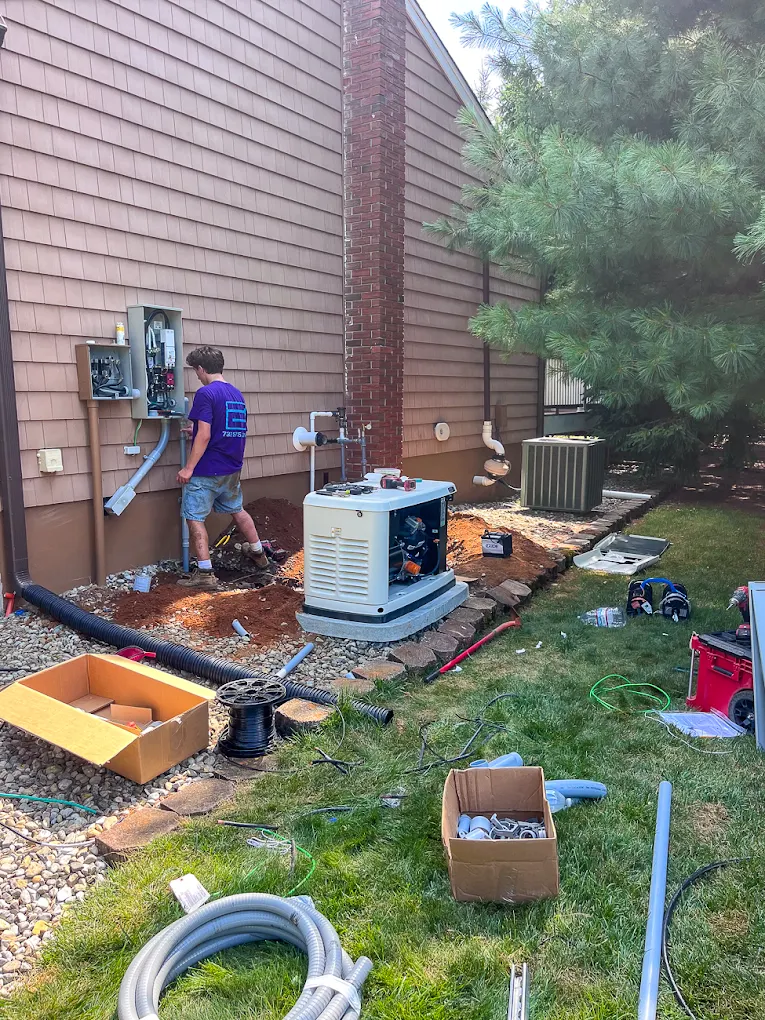
Position outside units above the local snow line and outside prevailing wind flows to minimize drifting and ice loading. Maintain a minimum of 0.6 to 1.0 m clearance on all sides for airflow and service access.
Higher clearances are safer in areas with heavy snowfall or drifting. Shield the unit from falling debris and ice with a minimal overhang or shield that does not obstruct airflow.
Mount the unit on an elevated, solid pad or brackets to allow the outdoor coil to drain freely when defrosting. Smart placement minimizes noise transference into living spaces and enables intake air to be cleaner, both of which promote indoor air quality.
Backup Integration
Install backup heat using electric resistance strips, a gas furnace, or a hybrid multi-speed heat pump/furnace combo to handle extreme cold or peak load events. Set up automatic switchover so the backup kicks in when sensors detect the heat pump hitting its minimum efficient operating temperature or when demand outpaces capacity.
List compatible backup options: electric resistive for simple installs, gas furnaces for hybrid systems, or boiler tie-ins where applicable. Hybrid configurations that allow the heat pump to function down to about 5° F and transfer to a furnace below that offer dependable warmth and can remain efficient while decreasing fuel consumption.
Best practices checklist
- Hire experienced HVAC contractor and verify references
- Perform full heat‑loss calculation and select correct capacity
- Confirm HSPF2 rating (7.8 or greater for rebates)
- Verify low‑temp operating spec and defrost control behavior
- Set controls to pass verification at 5° F
- Plan unit placement above snow line, with clear airflow
- Specify automatic switchover and compatible backup fuel
- Create written installation and commissioning checklist
The Financial Equation
Cold-climate heat pumps alter the economics of heating and cooling by moving fuel consumption to electricity and making systems more efficient. Below are the core financial elements to weigh: upfront purchase and installation, ongoing operational savings, and incentives that lower net cost. Think local unit prices and typical winter loads when comparing.
Upfront Costs
- Equipment cost (unit price ranges by type)
- Installation labor, including electrical upgrades or new ductwork
- Site work for geothermal or ground loop installation
- Controls, thermostats, and any required permits
- Backup heat integration (furnace or e-strips) and hookup
- Maintenance setup and first-year service contracts
Cold-climate models tend to be pricier than typical air-source heat pumps or standard furnaces because they have upgraded compressors and controls. Air-source units tend to come in at a lower price. Ductless mini-splits can be mid-range per zone.
Geothermal has the most significant upfront outlay because of ground loop drilling. Plan for backup heat or a hybrid system that combines a multi-speed heat pump with a gas furnace in areas that get extra cold.
Operational Savings
At the very least, you need a heat pump COP or HSPF/SEER ratings and local electricity rates to estimate savings. For a rough example, a home that used 20,000 kWh-equivalent heating energy might cut energy use by up to 50 percent after switching to a cold-climate heat pump, depending on climate and system choice.
High-efficiency air-source and geothermal models deliver the most year-over-year savings compared to oil or electric resistance heat. Geothermal systems can deliver stable, high COPs and the most reliable savings. Cold-climate air-source units still beat oil and electric strip heating in most instances.
Savings are contingent on where you set fuel cross-over points, the outdoor temperature at which you switch to backup fuel, which should be determined by the relative prices to heat with electricity versus natural gas or propane. Lower energy usage typically leads to less carbon output, which has monetary value via credits and non-monetary value for homes seeking to reduce footprint.
When properly installed and maintained, these add another 15 years or more of useful life, giving you long term value.
Available Incentives
- Federal tax credits and rebates for qualifying heat pumps
- State and local utility rebates; amounts vary by program
- Manufacturer and dealer offers listed on marketplaces like EnergySage
- Program databases like NEEP heat pump lists and residential challenges
Air-source rebates typically vary from $675 to $2,400 depending on efficiency. Incentives can reduce net cost significantly. Always verify qualification and whether they’re stackable.
Then check local utility pricing and rebate pages to model true payback and net present cost for each system option.
Beyond The Brochure
Cold climate heat pumps have transcended early limitations. Marketing continues to gloss over trade-offs. Below are practical lenses for sorting real capability from sales copy: how systems perform in winter, what fails first, how living with one feels, and which questions to ask before signing a contract. Rely on benchmarked data and homeowner feedback, not just brand advertising.
Real-World Efficiency
Lab scores and field performance aren’t the same. SEER2 and HSPF2 numbers reflect peak-season efficiency. Some hit roughly 22.0 SEER2 for cooling, indicating robust design, but winter output is impacted by tested low-temperature performance and quality of installation.
Some cold-climate units consistently produce heat to approximately -30 °C (-22 °F) or lower, and anecdotal evidence indicates usable output at -25 °F in real-world use. Wind chill and quick outdoor drops both bring down effective heat delivery. Defrost cycles temporarily halt output while using energy.
Track actual energy consumption during the initial two winters. Monitor electricity draw during peak months, compare bills to previous years and record comfort levels by room. Test heat pump coefficient of performance in winter. Well-sized units can easily outrun resistive heat by three hundred to four hundred percent, but backup supplemental heat will reduce seasonal efficiency when it runs.
Blower type counts. Variable-speed blowers keep airflow and comfort more consistent. Single-speed blowers make you feel like you’re in a draft and think your system isn’t as efficient.
Durability Concerns
Cold, of course, stresses components. Road salt and freeze-thaw attacks coils and chassis with corrosion, so seek out corrosion-resistant coatings and coated coils. Compressors that are optimized for frequent start-stop operation or low temperature operation enhance life.
Reverse-cycle defrost or adaptive defrost are advanced defrost methods that minimize thermal shock and ice buildup. Regular maintenance extends life: clean coils, clear snow buildup, inspect refrigerant charge, lubricate moving parts, and test defrost controls annually.
Browse warranty fine print for minimum operating temperatures and coverage ceilings. Some cold-climate units offer more comprehensive coverage for low-temperature operation. Others void portions of warranty if supplemental electric heat is regularly deployed.
Inquire about anticipated service cycles and common failure patterns for your local climate.
User Experience
Owners experience quieter, more consistent warmth with contemporary systems, particularly when combined with variable-speed blowers and zoning. Noise differs by model and you should compare decibel ratings and local owner reviews.
Smart thermostats and remote controls add convenience and can help optimize schedules to cut down on backup heat usage. Indoor air quality tends to be better, given that most systems filter and mix the air constantly and ensure the filtration is adequate for any allergies.
Make a pros and cons list from multiple homeowner reports: cost and complexity versus steady comfort and year-round cooling. Compile questions: expected COP at -10 °C, defrost method, warranty temperature limits, blower type, required backup heat, and real-world energy use from verified customers.
Conclusion
Cold climate heat pumps that now actually meet real home demands. They transfer heat efficiently at low temperatures, reduce energy consumption, and have the potential to reduce bills by significant amounts. Seek out units with robust low-temp specs, dependable defrost mechanisms, and demonstrated warranties. Combine a small size with appropriate siting and an experienced installer and your noise levels will stay low and performance steady. Think hybrid if your winters get severe. Leverage rebates and low-rate loans to reduce the upfront cost. Here’s something for a concrete example: a mid-size home in a northern city typically saves twenty-five to forty percent on heating after switching to a high-efficiency cold climate model. Check local incentives and take two bids before you buy!
All set to compare models or locate installers near you? Seek assistance.
Frequently Asked Questions
What is a cold climate heat pump and how does it differ from a standard heat pump?
A cold climate heat pump employs more advanced compressors and refrigerants to sustain optimal heating capacity at low temperatures. It maintains performance where conventional heat pumps fall off below approximately 0 degrees Celsius to minus 15 degrees Celsius, providing consistent winter heating.
Which types of cold climate heat pumps are available?
Typical varieties include air-to-air (air source), air-to-water (hydronic), and ductless mini-splits. Each fits different homes: ductless for retrofits, air-to-water for hydronic systems, and air-source for whole home replacement.
How do I compare performance ratings when choosing one?
Check out the HSPF, low-temp COP, and cold-climate-specific testing like EN or AHRI low-temp ratings. The higher the HSPF and COP, the more efficient and less expensive it is to run.
What installation practices improve winter performance?
Be sure you’ve got the right size, charge, and insulation, with your outdoor unit situated where air can flow. Work with a certified installer who has experience with cold-climate models.
Are cold climate heat pumps cost-effective in cold regions?
Yes. They generally reduce energy bills compared to electric resistance and can beat gas in many areas, particularly with quality insulation and rebates. Savings vary based on electric rates and system efficiency.
Can a cold climate heat pump replace a gas or oil furnace entirely?
Often yes. Many homes can go fully electric with a cold climate heat pump and backup electric or hybrid systems for extreme cold. Evaluate heat load and backup needs with a professional assessment.
What financial supports are available to reduce upfront costs?
Check for government rebates, utility incentives, and tax credits on heat pump installations. Most programs emphasize cold-climate models and low-income households. See what’s available locally and nationally.