
Key Takeaways
- Early signs of furnace trouble, such as ignition problems or thermostat errors, can save you from major breakdowns and expensive repairs.
- Proper care, such as cleaning filters and checking vents, makes your heating system work more efficiently and lasts longer.
- Adjust your furnace care to local conditions. For example, heat more in winter and deal with summer humidity to keep it working well throughout the year.
- By keeping an eye out for strange sounds, smells, or a drop in heating performance, you can get ahead of issues and minimize the chance of costly emergency repairs.
- With some smart comparisons of repair versus replacement based on age and efficiency, you can save more money and be more comfortable for the long haul.
- Whether it’s investing in energy-efficient practices or indoor air quality solutions, improving your home’s air quality enhances comfort and health and lowers overall heating costs.
Furnace repair Jackson NJ means help for home and business owners when heating stops working right. Quick repairs get to the root of these common issues like weak heat, strange noises or short cycling.
Since most services support all furnace brands and models, nearly any system gets covered. Local technicians know the area’s weather and can respond quickly, even in the middle of a cold snap.
In the following tables, discover what to anticipate and how to select a quality repair service.
Identifying Furnace Issues
Addressing furnace issues before they escalate can reduce repair expenses, protect households and ensure continued comfort. Most homeowners in Jackson, NJ, and elsewhere don’t notice furnace issues until they break down. Identifying trouble early is the secret. Your furnace can offer warning signs such as sluggish heating, strange odors or an unexpected increase in energy bills.
Even if you have an older furnace, particularly one over 15 years, it’s more prone to breakdown. These are the key points to monitor when troubleshooting furnace problems.
1. Ignition Problems
Typical ignition issues are a pilot light that won’t stay lit or electronic ignitions that don’t spark. If it does not ignite, then the furnace will not fire up, so there will be no heat. A faulty ignition system can either cause the furnace to cycle or not come on at all.
This can cause cold rooms, wasted energy, and more strain on other furnace components. Low gas pressure or blocked gas lines keep the ignition from doing its job, and that’s both inconvenient and dangerous. If your furnace has persistent ignition problems, it’s time to bring in a qualified technician.
DIY fixes can be dangerous due to gas and electrical hazards.
2. Thermostat Errors
Improperly adjusted thermostats can overheat or underheat rooms. Occasionally, it’s something as basic as the thermostat being on the wrong setting. Loose wiring or weak batteries can cause your thermostat to misread the room temperature, resulting in uneven heating.
If you’re looking to keep things toasty with minimal waste, consider a programmable thermostat. If the thermostat is unresponsive or perpetually off, professional repair or replacement could be necessary.
3. Airflow Obstructions
Blocked vents and ducts prevent warm air from circulating through the house. Dust, pet hair, or debris can accumulate and make your rooms colder, causing your furnace to work overtime. Dirty or clogged filters reduce airflow, damaging efficiency and air quality.
Furniture or curtains in front of vents make it worse. If the airflow issues persist, it might be time to book maintenance with a professional HVAC technician.
4. Mechanical Wear
Odd noises such as banging or rattling usually indicate mechanical wear. Belts, bearings, and motors can wear out, particularly in older furnaces. Worn parts put a strain on the entire system and can result in more serious failures.
Routine check-ups detect wear early. Make furnace repairs by trained workers to keep things safe.
5. Critical Failures
Critical failures render the furnace unable to start or heat. They typically manifest through excessive on-off cycling or unexpected shutdowns. Repairs on a timeline can prevent significant damage and expensive emergency calls.
Contractors can leverage their expertise and equipment to swiftly diagnose and repair the issue.
Jackson’s Climate Factor
Jackson Township, NJ, lies inland, away from moderating coastal breezes, so winters here endure longer and run colder than in the adjacent coastal areas. For heating systems, this climate factor translates to extended and more intense usage, piling additional wear and tear throughout the season. Homeowners typically encounter surges in energy bills and more frequent furnace problems.
With the region’s continental climate, the necessity for system readiness is greater on a year-round basis than in areas with milder winters or less humid summertime.
Winter Strain
Jackson’s winter is full of cold snaps, with freezing temperatures lasting for weeks on end. Furnaces in this region toil more than their coastal counterparts, humming on and off, day and night, to keep us cozy. The inland climate contributes to the load, as warmth is lost more rapidly and the cold lingers longer.
Seasonal tune-ups are a must due to frequent furnace cycling and longer run times. Ignoring regular upkeep during these colder months can result in unexpected failures, decreased performance, or even hazards. Let’s book professional checkups before winter sets in, checking for worn parts or blocked vents that can get worse with heavy use.
Energy bills, for example, can reveal how hard a furnace must work in Jackson’s winter. Unexplained spikes or persistent rises in heating bills can be a red flag for inefficiency. Homeowners should watch usage carefully, as a spike can indicate filter cloggings or malfunctioning parts that require immediate servicing.
Summer Humidity
Inland locations like Jackson are subject to high humidity in the summer, which affects indoor air comfort and system operation. Moisture in the air when not controlled can cause stuffy rooms, musty odors, or even mold. Furnace systems that serve as the air handler for cooling can have a hard time keeping humidity at bay.
One way to combat this is to use dehumidifiers in conjunction with HVAC systems. By controlling moisture, homeowners can optimize air quality and assist their systems to run more smoothly. This dual management prevents both heating and cooling equipment from overworking during humid spells.
Humidity affects maintenance. Moisture can clog filters faster and rust or corrode internal parts. Summer tune-ups are just as important as winter checkups!
Getting HVAC ready for heating and cooling is a must. Systems in Jackson should toggle easily between modes, so routine valve or thermostat issues must be inspected as seasons transition.
Recognizing Red Flags
Identifying red flags from your furnace can prevent costly repairs and surprise breakdowns — especially in the colder months. Know what to watch for so you can act before small problems snowball. Red flags are weird sounds, unusual smells, and performance drops. Being aware of these indicators can assist in maintaining your house secure and cozy in any location.
Unusual Sounds
Banging, rattling, or hissing noises from your furnace typically indicate that your furnace has a mechanical problem. Banging can indicate a loose or broken component. Rattling could imply that screws or bolts are in need of tightening. Hissing can indicate air leaks or problems with the gas line.
Not every noise is a red flag; some hums and clicks are normal. It’s helpful to know what your furnace typically sounds like so you can identify changes promptly. If you hear anything funky, record it. Note the time of occurrence and duration. This information will allow your HVAC technician to locate the issue quickly.
If the noise is harsh or abrupt, don’t hesitate. Book an inspection immediately to prevent more serious issues.
Peculiar Odors
Smelling gas near your furnace is always an emergency. Turn off the appliance, get out and call 911 or your gas company. A burnt dust smell when you initially kick on your furnace is OK. Dust burns off after months of sitting unused.
If this smell lingers or you find a musty or moldy smell, it might indicate that you have mold lurking in your ducts or a moisture problem impacting air quality. Any persistent odd odors need to be looked at by an HVAC guy. Certain problems, such as a burning plastic smell, can indicate melting power cords or other electrical issues.
Taking action early can save health risks and prevent further damage.

Performance Decline
If heating feels less efficient, or you’re experiencing warm and cool spots from room to room, your furnace might need care. Keep an eye out for a surge in gas or electric bills. This frequently indicates your system is over-exerting itself.
An increased number of cycles, with the furnace firing on and off more than usual, indicates short cycling, a telltale red flag. In some cases, the unit simply won’t turn on. Older furnaces—generally those more than 15 years old—are especially vulnerable.
If you notice a significant decrease in heating performance, schedule an inspection. Timely checks help you avoid surprise outages and extend your furnace’s lifespan.
Stay Vigilant
Here are 12 red flags that your furnace might be in need of some TLC. Always check for licensing when hiring help and ask about NATE certification, which indicates a technician’s demonstrated abilities.
By acting on these red flags, you keep repairs manageable and your home’s comfort steady.
The Repair Process
Furnace repair Jackson NJ is not a one-step process. Inland winters here send heaters into overtime. If the furnace stumbles, repair preserves warmth and shields it from wear and unexpected failure. The Repair Process – Homeowners demand straightforward steps, transparent communication and fixes that keep their homes warm during the coldest days.
Diagnosis
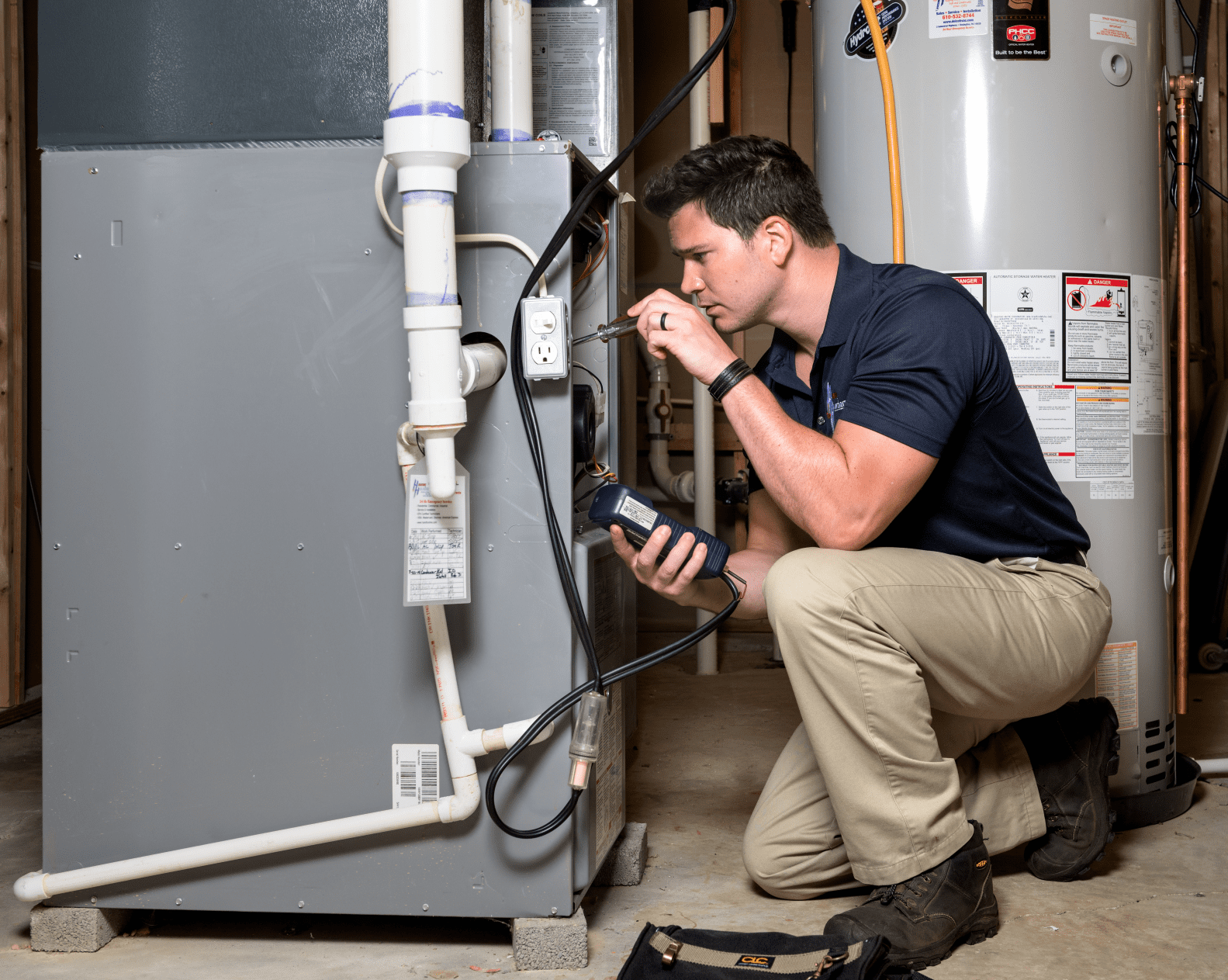
Our experienced technicians first perform a comprehensive diagnostic. They employ digital meters, thermal cameras, and airflow sensors to locate the root of the issue. This could include checking the thermostat, testing safety switches and burners for ignition.
If your system short cycles or makes funky noises, these tools assist in identifying the cause. Following the check, a quality HVAC contractor will describe what they discovered. Take, for instance, a cracked heat exchanger or a clogged filter. Each requires different repairs.
Talking specifics helps you to figure out what needs fixing and therefore what to do next. Fast and accurate diagnosis prevents further harm and gets your heating system up and running when you need it most.
Quotation
Prior to work beginning, demand a quote itemizing every cost. The top services in Jackson, NJ provide a repair process breakdown that includes labor, parts, and even emergency fees if applicable. This assists you in detecting any concealed costs immediately.
It’s clever to shop around a little bit, particularly for larger repairs or replacements of parts. Don’t simply shop by price. See if the company guarantees their work with a warranty on parts and labor.
A defined timeline in the quote means you know when the job begins and ends. This way you eschew surprises and can prepare for any upheaval.
Execution
While we’re making repairs, you can observe the work to verify that we’re using quality components and safe practices. Trusted technicians in Jackson, NJ follow tried and tested steps, whether in cleaning burners, replacing filters, or repairing wiring.
If something feels wrong, like things are being delayed or steps are not clear, request a status update. Open talk fixes issues in the moment.
Verify all repairs are complete before the team departs. Try the heat, hear any funny noises and ask them what they changed. This check ensures your home stays warm and your furnace hums right along.
Repair Versus Replacement
Repair versus replacement – whether to repair or replace the furnace is a practical decision as well. Whether to repair or replace largely depends on factors like the age of the unit, replacement cost, and what you might save on a newer, more efficient system. Beneath each mini-topic, consider these considerations.
Age
A furnace’s typical life expectancy ranges from 15 to 20 years. How often it’s used and maintained is a significant factor. If your system is still in this range and hasn’t required frequent repairs, patching up the small stuff can be a money-saving strategy.
When your furnace is 10 years or older and begins to experience major issues, such as a cracked heat exchanger or constant breakdowns, replacement might be more intelligent over time. Older units are prone to repairs and they can be expensive. You can accumulate them quickly, in particular on systems that are over two decades old.
Even if you’re diligent about tune-ups and get your car inspected annually, age still catches up. Newer furnaces feature better technology, which can translate into enhanced comfort and reduced energy costs. HVAC specialists can look at your furnace’s age, repair history, and performance, then recommend whether to keep repairing or invest in a new model.
Their advice often considers both the short-term fix and the long-term benefits of a replacement.
Cost
- Repair Versus Replacement If your furnace is very old, there’s always the option to just replace it. If a repair exceeds half the cost of a new unit, replacement usually makes more sense, particularly if your furnace is reaching the end of its lifespan.
- Upfront costs for new installations are typically more than a one-time repair bill. Multiple repairs over months or years can eventually add up to just as much, if not more.
- New furnace financing can alleviate the upfront pain by distributing payments over time and making replacement more affordable.
- While an energy-efficient furnace may feel like a big initial investment, these units consume less energy. Your energy bill is lower each month, which adds up to significant savings over time.
| Factor | Repair | Replacement |
|---|---|---|
| Upfront Cost | Lower | Higher |
| Long-term Value | Decreases over time | Increases with savings |
| Ongoing Maintenance | More frequent | Less frequent |
| Energy Savings | Limited | Substantial |
Efficiency
| Furnace Type | Typical AFUE Efficiency (%) |
|---|---|
| Older Models | 65 – 80 |
| Modern Models | 90 – 96.6 |
Choosing a new furnace with a high efficiency rating can significantly reduce heating expenses. Several older furnaces have AFUE ratings as low as 65%, which means a great deal of fuel is wasted.
Modern systems can achieve up to 96.6% efficiency, which saves energy and money in the long run. Going online and researching newer models and their efficiency ratings shows you what you could save.
Efficiency reduces your utility bills and creates a more comfortable and stable indoor climate. HVAC technicians can recommend models that suit your requirements and financial plan, helping you select a system that’s optimal for your home.
Beyond The Repair
That’s when furnace repair in Jackson, NJ is no longer an option and the discussion turns to what comes after. As a ‘beyond repair’ system, it can be a safety risk and contribute to worldwide e-waste. When to repair or replace is typically based on cost, age and long-term value.
For most, trading in the old unit for a sleek, efficient model ends up saving more over time and slashes energy bills. When it’s time for replacement, certain parts are salvageable or recyclable, reducing waste and promoting sustainability.
What comes after the failed repair extends well beyond the unit itself—it’s about home safety, it’s about the environment, and it’s about comfort.
- Caulk around doors and windows to stop heat loss.
- Use programmable thermostats to manage heating schedules efficiently.
- Dress warmly inside so you’re not as reliant on the furnace.
- Insulate attics and walls to keep warmth inside.
- Set thermostats lower at night or when away to conserve energy.
- Install heavy curtains to keep drafts out.
- Schedule annual system check-ups to catch issues early.
- Replace air filters routinely for smooth airflow.
- Consider zone heating to warm only occupied rooms.
- Shut off the unused appliances to reduce energy consumption.
System Longevity
Schedule for maintenance visits. These check-ups help identify issues before they get big. A technician can clean parts, test for leaks, and check safety controls.
This keeps the system going longer and safer. Quality parts when something goes to pieces. More affordable components break first, causing repeat repairs. A durable blower motor or heat exchanger can extend life by years.
Feel and listen to the furnace. If you hear new noises, uneven heat, or a loss of efficiency, these could be warning signs. Little repairs today could save you from a new, expensive unit tomorrow.
Learn to spot signs of wear: rust, odd smells, frequent cycling, or rising energy bills. Knowing these can get you into action before your furnace is too far gone.
Air Quality
Air filters capture dust and pollen, while purifiers take it a step further. They can assist in removing smoke, bacteria, and scents. Employ both with your furnace and maintain the freshness in the air.
Maintain vents and ducts clean. If you have dust and pet hair in the system, you are just spreading allergens throughout the house. Humidity control counts, particularly during winter.
Dry air can cause irritation to both skin and lungs. A humidifier retains moisture at healthy levels and makes it more comfortable. Consult a professional HVAC technician regarding filters and purification systems.
They can steer you toward solutions that work for your home, from HEPA filters to ultraviolet lights.
Energy Savings
Use energy-smart habits to trim heating bills. Dress warmer indoors and wear blankets. Close doors to contain heat.
These devices learn your schedule and drop heat when you’re away. Ask for an energy audit to identify any leaks or inadequate insulation. Most utility providers offer this service and can recommend small but impactful modifications.
Check for local or national rebates on high-efficiency furnaces or thermostats. They make the initial price of greener upgrades cheaper.
Conclusion
Furnace repair Jackson NJ demands quick thinking and easy steps. Cold months here mean that a furnace has to work hard. Minor symptoms such as strange noises or insufficient heat can indicate major problems. Quick checks and simple fixes help, but experienced assistance gives peace of mind. A good repair job can extend your system’s life by years. Proper maintenance is cost-effective and protects houses. If you see trouble, contact a trusted local pro. For a warm and worry-free season, get a jump on issues now. Need additional tips or want to schedule a check? Contact a Jackson furnace specialist today and maintain your home warm all season.
Frequently Asked Questions
What are common signs my furnace needs repair?
Strange sounds, feeble airflow, or inconsistent heating are typical red flags. If your furnace has difficulty keeping warm or turns itself on and off frequently, it might require repair.
How does Jackson’s climate affect furnace performance?
Jackson’s cold winters can put a strain on furnaces, resulting in repairs more often. One purge a year is a good idea to get your system running efficiently during peak demand.
Should I repair or replace an old furnace?
If your furnace is 15 years or older or requires frequent repairs, replacement may be the better financial decision. A technician can evaluate your system and suggest the most optimal choice based on efficiency and expense.
What is involved in the furnace repair process?
A tech visits your furnace, diagnoses the issue and replaces or repairs broken components. They test the system to make certain it’s operating safely and efficiently before they complete the job.
How often should I schedule furnace maintenance?
Servicing once a year is suggested. Routine checkups ward off breakdowns, optimize efficiency, and prolong your furnace’s longevity.
Can I perform furnace repairs myself?
For safety and efficiency, it’s best to leave furnace repairs to licensed professionals. Wrong repairs can create safety risks or cause additional damage.
What should I do after a furnace repair?
Keep tabs on your furnace’s performance and maintain it regularly. Take care of new problems before they can ruin your comfort and efficiency.