

Key Takeaways
- Electric baseboard heaters create heat via electric resistance and provide easy, inexpensive installation and room-by-room zone control, which is ideal for smaller spaces or supplemental heat.
- Heat pumps transfer heat from the outside air using refrigerant and compressors, providing significantly greater efficiency and the option to heat and cool for all-season comfort.
- Operating costs and lifetime savings usually tilt toward heat pumps despite their higher installation costs. Efficiency benefits are most evident in temperate climates and new cold-climate models.
- Baseboards are low maintenance and quiet, but they may cause hot and cold spots. Heat pumps require annual service, generate noise outside, and offer more even air temperature and filtering.
- Think about electrical capacity, home layout, and long-term goals when selecting a system. Weigh incentives, possible resale value, and how it plays with renewables such as solar.
- Practical next steps are to evaluate your climate and electric rates, get professional load and installation estimates, compare lifetime costs, and check available rebates prior to making a decision.
Electric baseboard heat and heat pump systems are two common home heating options with different efficiency and cost profiles.
Electric baseboards use resistive heat and are great in small zones. Heat pumps move heat and can provide much higher seasonal efficiency, often reducing energy use by 30 to 50 percent in mild climates.
The decision is based on climate, upfront cost, installation constraints, and electric rates. Below, we compare performance, costs, and practical pros and cons.
Operating Principles
Electric baseboards and heat pumps operate on very different principles. One generates heat in situ by electrical resistance. The other transports heat through the use of evaporator and condenser coils as part of refrigerant cycles. Focused descriptions of each approach are below. Then, compare system layouts and typical primary and secondary heat roles.
Resistive Heating
Electric baseboard heaters house metal heating elements, which use electrical resistance to convert electricity into heat. When electricity flows through the element, the element heats and radiates heat directly into the air and surfaces around it.
Heat rises on the wall where the unit sits, creating a convective flow that sucks in air at the floor level, warms it, and expels it upwards. This establishes a room-scale circulation that is usually strongest near the baseboard and weaker toward the room center.
There are few moving parts and no fans in many models, which keeps maintenance low. Since every unit is wired and controlled separately, residents can actually have different temperatures in different rooms. That zoned control can save energy in homes where only certain rooms are occupied at a time.
For example, in a two-bedroom apartment, occupants can heat the living room during the day and bedrooms at night without heating the entire unit. Resistive heating just requires electricity and the heater — no ducts, refrigerant or compressors.
This simplicity leads to reliable performance and high energy use per heat output, as one kilowatt of electricity makes about one kilowatt of heat.
Heat Transfer
Heat pumps move existing heat, as opposed to generating it, which makes them seem more efficient. They employ refrigerant running through indoor and outdoor coils and a compressor to transfer heat from source to sink.
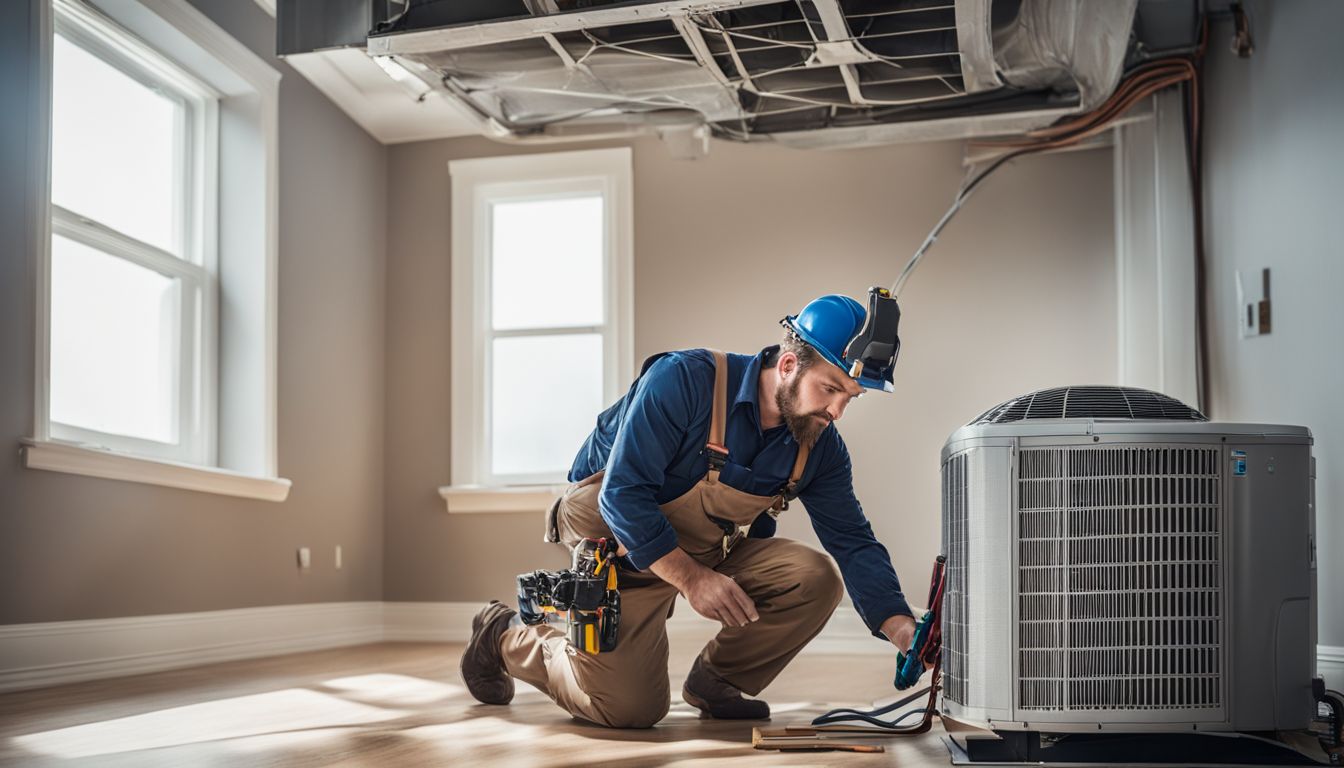
Here’s how it works: Split systems and ductless mini-splits both have an outdoor unit and one or more indoor units. The outdoor unit removes heat from outside air and the indoor units emit that heat into rooms.
Air-source heat pumps extract heat from outdoor air in winter and dump heat outside in summer. COP tells you how much heat is moved per unit of electrical input. COP varies with outdoor temperature and can range from approximately 1.1 to 3.7 at -8°C.
Seasonal measures such as HSPF are a general indication of performance over a season by relating total heat output to total energy input. Ground-source systems frequently have higher COPs in colder months, roughly 3 when ground temperatures are above 0°C due to its use as a more constant heat source.
Proper system selection and installation determine if a heat pump maintains efficiencies of 300 to 400 percent in real-world conditions.
Energy and Cost
Electric baseboard heaters and heat pumps vary significantly in their electricity consumption and operating costs. Baseboard heaters convert electricity directly to heat at close to 100% efficiency for the energy they use. Heat pumps displace heat and can provide several units of heat per unit of electricity consumed, so their energy consumption and operating cost profile is significantly lower at the same indoor comfort level. Below are the key variables that account for those discrepancies and provide actionable estimates.
1. Efficiency
Heat pumps are far more efficient than electric resistance baseboard heaters. Heat pumps with a coefficient of performance of 3 deliver three times as much heat energy as the watts of electricity they use. Modern air-source and ductless heat pumps typically reach coefficients of performance of 2.5 to 4 in mild conditions.
Baseboard heaters are inefficient in system level terms because all heating must be from electricity. There is no heat transfer advantage. They are by far the most expensive way to heat a home when compared to heat pumps. Efficient ductless and split heat pumps are still the best methods for slashing energy usage and bills.
2. Climate
Heat pumps perform most efficiently in moderate climates, though advanced cold-climate models now do well even where winters are cold. Performance declines as the outdoor temperature drops, which can reduce the COP and increase the operating cost.
Electric baseboards give you constant, consistent heat no matter the outside temperature because they don’t borrow it from the ambient air. That reliability makes them easy to schedule, particularly where electricity is inexpensive or where retrofitting a heat pump is challenging.
Climate influences which system is most economical. Mild, temperate areas benefit heat pumps almost across the board. Very cold regions could still benefit from cold-climate heat pumps, but the climate’s severity and the home’s insulation level should be verified before selection.
3. Expenses
Upfront installation: Baseboard heaters are low-cost to buy and install per room. A heat pump requires higher initial expense for equipment and installation, especially for ducted systems. Ongoing monthly energy costs differ widely.
Heat pumps can cut electricity used for heating by roughly 65 to 75 percent versus electric resistance heating. A few homeowners experience usage reduced by 43 to 53 percent and others say that ductless slashes bills in half.
Maintenance and incentives: heat pumps need periodic service. Baseboards require minimal upkeep. Heaps of places offer rebates and refunds for heat pump upgrades, like $580 checks to homeowners post-replacement.
Think about total long-term costs, including home size, insulation, number of zones, and more.
4. Impact
Both systems utilize grid electricity, so greenhouse gas emissions are contingent on the source of the electricity. Efficiency-related savings: Heat pumps reduce a home’s carbon footprint versus resistance heating because they consume less electricity to produce the same amount of heat.
Heat pumps cool as well, which means you may be swapping two systems for one upgrade. Consider both dollars and environmental consequences simultaneously. Incentives, local rates, and the grid mix will alter the result.
Lifetime Costs
A clear perspective on lifetime costs adds purchase price, installation, ongoing energy use, maintenance, repairs, and eventual replacement. Below those headings, the differences between electric baseboard heaters and heat pumps become concrete: baseboards start cheap but keep costing through high energy use, while heat pumps cost more up front and often save money over the long run.
Installation
Electric baseboard heater installation is easy and inexpensive for individual rooms. It will usually just need to mount the unit and tap into the existing circuits, so labor and part costs remain reasonable. For most houses, it’s possible to install a few baseboards at a time on a room-by-room basis with little inconvenience.
Heat pump installation is a chunkier project. Central heat pumps may require duct work changes, permits, and qualified HVAC professionals. Costs increase when current ducts aren’t sufficient. Ductless mini-split systems reduce some complexity. They sidestep ducts but still require an outdoor compressor, professional refrigerant lines, and electrical work.
In homes that already have compatible infrastructure, costs fall. In cramped or older houses, anticipate more labor and time.
Maintenance
Baseboard units need little upkeep: wipe dust, check thermostats, and inspect wiring occasionally. Minimal regular strain keeps upkeep fees around zero for several proprietors. Dust build-up can increase fire risk a little if ignored, so periodic cleaning is a safety step.
Heat pumps need more consistent maintenance. Filters need to be swapped every 1 to 3 months, coils and outdoor units require cleaning, and an annual tune-up from a technician keeps everything running smoothly. Mechanical parts wear, including fans, compressors, and reversing valves, which can accumulate repair bills.
Routine service prevents large scale failures and keeps the heat pump providing those potential savings.
Lifespan
Electric baseboard heaters last 20 years or more with minimal maintenance and few mechanical components, so they don’t need to be replaced nearly as often. That long life assists in amortizing initial costs over decades.
Heat pumps tend to last 10–15 years, occasionally longer with component replacement like compressors. While a compressor replacement or major component replacement can extend life, it is at a significant cost. For investments, consider that heat pumps will likely be swapped out sooner and frequently provide significantly reduced operating expenses.
| Item | Electric Baseboard (lifetime) | Heat Pump (lifetime) |
|---|---|---|
| Initial & installation | Low | High |
| Annual energy cost | High ($400–$900/month estimate for baseboard) | Low (immediate savings 30–40%; covers 60–70% of main-area heating) |
| Maintenance & repairs | Low | Moderate-high |
| Lifespan | 20+ years | 10–15 years |
| Lifetime operating savings | None | $15,000–$20,000 potential savings; ~75% less heating electricity |
Switching to a heat pump can result in immediate savings of 30 to 40 percent. Over its life, a heat pump can reduce heating electricity by approximately 75 percent compared to baseboards and potentially reduce your heating costs by 50 percent or 66 percent while including cooling functionality.
Home Comfort
Electric baseboard heat and heat pumps feel totally different in a home. Baseboard heaters heat by radiation and local convection, so surfaces and people close to the units warm first. Heat pumps transfer heat with a refrigerant loop and then circulate warmed or cooled air more evenly.
This discrepancy causes baseboards to create hot spots near walls and cool areas farther out, whereas heat pumps maintain more even warmth throughout a room. Heat pumps work as air conditioners, providing all-season comfort in one unit.
Air Quality
Baseboard heaters don’t blow air, so they don’t whip up dust or circulate allergens. That can be useful for allergy sufferers who like less wind. The absence of circulation means stale air can hang around unless you supplement with ventilation.
Heat pumps operate fans and have filters. They capture dust and can reduce airborne particles when filters are kept clean. They reduce dust and mold hazards associated with duct runs, as there’s no ductwork to accumulate moisture and dust.
Heat pumps manage indoor humidity better than baseboards, so it’s easier to eschew dry winter air or moisture that accrues into mold.
Noise Level
Since electric baseboard heaters contain no fans or compressors, they’re effectively silent while in use. That means they’re a breeze to situate in bedrooms or other quiet zones. Heat pumps do have some noise.
Outdoor compressors and indoor fans are audible, particularly around the outdoor unit. Today’s ductless indoor units are quiet and frequently sound less than an old furnace or central air handler.
If sound is a concern, factor in unit location, compare decibel ratings, and pick a system that’s renowned for low noise.
Temperature Control
Baseboard heaters permit per-room thermostats and provide true zone control. You can shut off the heat in unused rooms and save energy that way. A few rooms will probably still feel uneven.
Every homeowner we’ve spoken with has one room cold and one hot. Baseboards take up to 30 minutes to warm a space noticeably. Heat pumps offer advanced controls: smart thermostats, programming, and app access that let you set schedules and monitor performance.
Heat pumps keep much steadier whole-house temperatures and can heat your home faster than baseboards. You never wait the usual half-hour. If you’re heating your home with electric baseboards, a switch to a heat pump could halve your energy costs thanks to COPs of 3 and savings of up to around 75% in some cases.
Every climate is different.
Beyond the Basics
This section takes a step beyond the basics to explore practical considerations that influence the decision between electric baseboard heat and heat pumps. It offers strategies to scale your system for efficiency, comfort, and resale value.
Electrical Load
Electric baseboard heaters use resistance heat and can increase a home’s overall electrical demand rapidly. In many cases, they need multiple 20 to 30 amp circuits that add to the consumption and to monthly bills when operated for extended periods.
Heat pumps provide more heat per unit of electricity because they relocate heat rather than generate it. A properly sized air-source heat pump can deliver two to four times the heat energy as the electricity consumed, reducing grid stress and operating costs for the same heat output.
Old homes might require electrical panel upgrades when fixing systems. A heat pump requires a dedicated 240 V circuit and could possibly push the home over the limit for a service upgrade if you already have high demand loads from other appliances.
Before any installation, confirm current service amperage, circuit breaker availability, and wiring condition. Hire a licensed electrician to generate a load calculation and cost estimate for upgrades so that you aren’t surprised during installation.
Home Value
A new heat pump can be positioned as a premium feature. Buyers are increasingly seeking energy-efficient mechanicals, and a documented recent heat pump installation can command higher listing prices and faster sales in many markets.
Old electric baseboards can work against sellers. They are considered an antiquated, expensive way of heating, particularly in places where energy prices are elevated or prospective purchasers demand central HVAC.
Energy-efficient heat is an obvious competitive selling feature. Incorporate operating cost projections, warranty documentation, and utility bill comparisons with listings or disclosure packages to boost buyer confidence.
Document your upgrades thoroughly by keeping buying receipts, maintenance records, and performance metrics so potential buyers can confirm the system’s status and anticipated operating expenses.
Future Proofing
Choose systems that satisfy increasing efficiency criteria and are capable of adjusting to policy changes. Heat pumps fit nicely with tightening building codes and incentives for low-carbon heating.
Heat pumps pair cleanly with renewable power like rooftop solar, allowing for high shares of on-site, low-cost energy for both heating and cooling, which comes in handy in net-zero plans.
Electric baseboards, though basic, could appear less appealing as standards for efficiency increase and incentives advantage heat pumps. Their synergy with renewables and smart grid programs isn’t at the same level.
Think long-term comfort and savings by modeling lifetime costs, maintenance, probable fuel-price trends and possible rebates. Consider hybrid setups and staged upgrades to distribute costs while advancing sustainability.
- Innovative upgrade options:
- Combine heat pump with rooftop solar and battery storage.
- Include smart thermostats and zoning controls.
- Set up a mini backup electric furnace or pellet stove.
- Utilize demand-response capable equipment to capture utility incentives.
- Utilize whole-home ventilation and heat-recovery systems.
Which is Right?
Which is Right? Pick by efficiency, cost, comfort and environment. Heat pumps transfer heat and can reduce electricity consumption for heating by up to 75 percent compared to baseboard units. The U.S. Department of Energy states new heat pumps save around 65 percent electricity compared to electric resistance heat. Heat pumps usually output three to four times as much energy as heat as they consume in electricity, which is why they tend to reduce bills.
Baseboard heaters are straightforward resistance units. They turn electricity directly into heat, and it can take as long as 30 minutes to make a room feel warm. They are cheap to install but potentially very expensive to run, with monthly operating estimates in the vicinity of 400 to 900 (same currency).
Think about your climate, budget and home layout. For mild to moderate climates, heat pumps tend to be the superior long-term option since they stabilize indoor temperatures and can keep you cool in the summer. For very cold areas, some heat pumps tend to work fine even then, but you might have to opt for a cold-climate heat pump or a hybrid system with auxiliary heat.
If the upfront budget is tight and the home is small or used infrequently, baseboards can be appealing for low installation cost and no changes to ductwork. For open multi-room homes, ductless heat pumps provide flexible zoning and will often beat baseboards at maintaining full rooms at comfort. For homes with minimal outdoor mounting room or where outside units are prohibited, baseboards circumvent outdoor hardware.
Create a decision matrix and rate installation cost, annual operating cost, efficiency (COP or seasonal performance), indoor comfort, noise, maintenance, and emissions. Rate each system and weight items by what is most important for you. For example, if running cost and emissions are top priorities, give operating cost and greenhouse gas savings higher weight.
Heat pumps almost always score higher here, and swapping out baseboards for a ductless heat pump can sidestep over 4,500 pounds of greenhouse gases over the system’s lifetime. If upfront cost and ease are paramount, rate installation and dependability higher. Baseboards then tend to prevail.
Actionable next steps: get local climate data and utility rates, request quotes for both a direct baseboard replacement and a ductless or central heat pump, and ask installers for modeled annual energy use and payback periods. Factor in incentives or rebates with your cost checks.
The right system is the one tailored to your specific needs, preferences, and long-term objectives. Align the technical performance to how you live and what you can invest.
Conclusion
Heat pumps save energy and reduce bills in mild and cold climates with the correct model. Baseboards are cheaper initially and suit homes with easy wiring or no ducts. Heat pumps provide quick, even heating and can cool in summer. Baseboards provide silent, uncomplicated heat and have zero moving parts to break.
Choose by house size, insulation, local climate, and electricity cost. For tight homes with good insulation, a heat pump often pays back in a few years. Baseboards make sense for small or infrequently used spaces. For rental units or backup zones, baseboards remain viable.
Check local rebates, installation quotes, and anticipated run hours. Grab a couple of installer bids and easy payback calculations. Choose with cold, hard numbers and an intuition for your life.
Frequently Asked Questions
What is the main difference between electric baseboard heat and a heat pump?
Electric baseboards convert electricity to heat on a room-by-room basis. Heat pumps transfer heat from the indoors to the outdoors and vice versa, and use a fraction of electricity for the same amount of heat under moderate temperatures.
Which system is cheaper to run?
Heat pumps tend to be way less expensive to operate per unit of heat, particularly in moderate climates. Electric baseboards tend to be pricier because they consume more electricity to make heat.
Which system costs more to install?
Electric baseboards have the lowest upfront equipment and installation costs. Heat pumps bring higher upfront costs but typically offer payback over time in the form of lower energy bills and incentives.
How do they compare for home comfort?
Heat pumps offer more even and controllable heating and can cool in summer as well. Electric baseboards provide room-by-room control but can create hot spots and dry air.
Which option is better for cold climates?
Newer cold-climate heat pumps can still work well down to low temperatures. In very cold areas, homeowners should have a backup heating source or opt for baseboards if heat pumps aren’t economical.
Are there maintenance differences I should know about?
Heat pumps require maintenance, including filters, coils, and refrigerant. Electric baseboards are virtually maintenance-free and just need dusting and thermostat checks every now and then.
How do they compare for environmental impact?
Heat pumps generally have low carbon intensity per unit of heat, particularly when operating in conjunction with cleaner grids. Electric baseboards can be more carbon intensive if electricity is sourced from fossil fuels.