
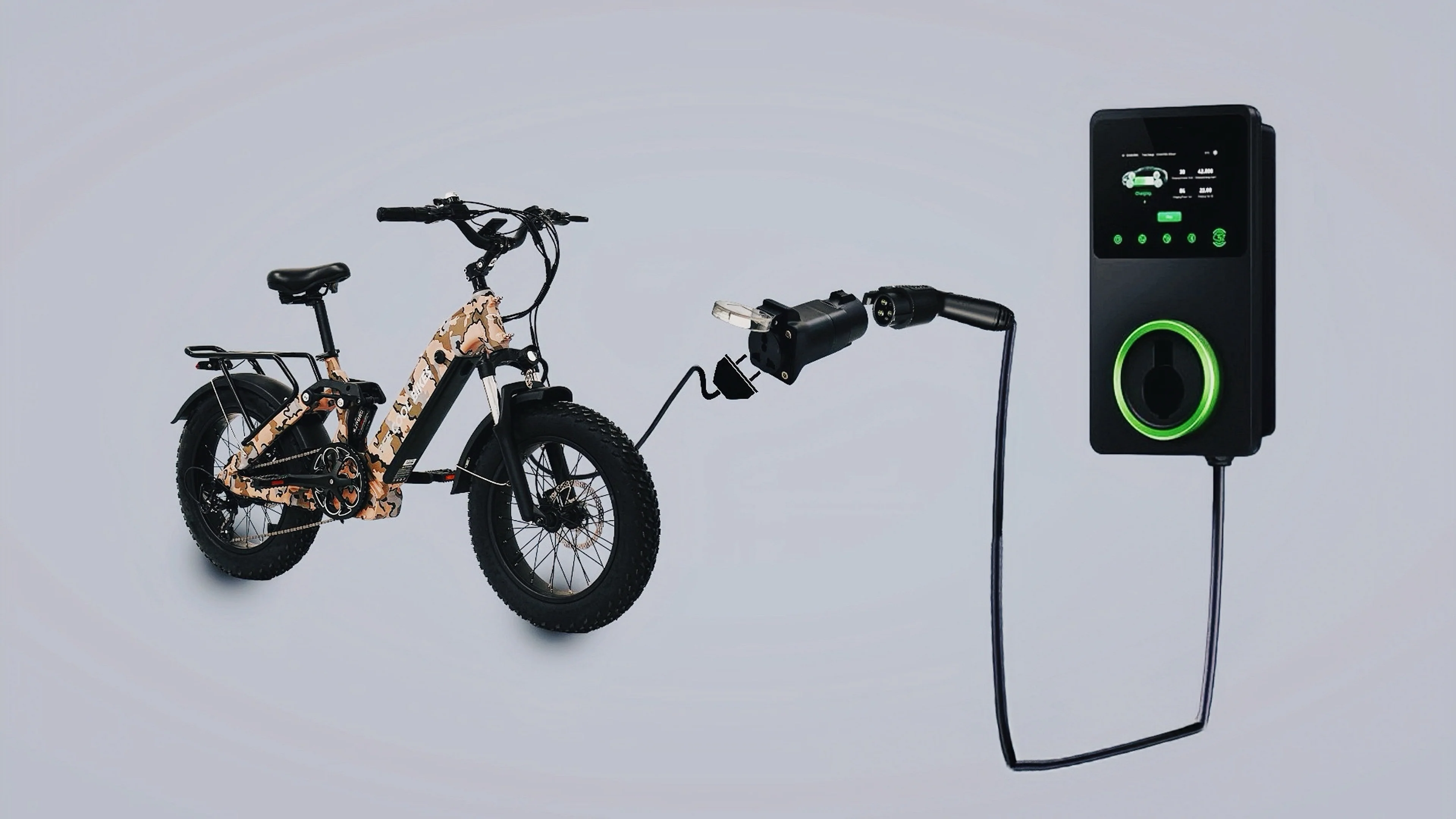

Key Takeaways
- Figure out how many bikes and total wattage to size your circuits and breakers. Add heavy-gauge wiring if required. Install a dedicated 15A or 20A circuit.
- Use GFCI or AFCI protected, grounded receptacles and not extension cords. Test them to make sure they are properly grounded before routine use.
- If you require multiple circuits or anticipate expansion, consider installing a garage subpanel and mark all charging circuits for convenient servicing.
- Next, use surge protection, cable management, and mounted racks to organize cords, reduce tripping hazards, and protect equipment from voltage spikes.
- Watch battery and garage temperature when charging. Keep charging only within manufacturer temperature ranges. Don’t fully deplete batteries to extend lifespan.
- Use fire-resistant mats or enclosures and ventilate. Add automatic cutoffs or smart timers to make charging stations safer.
How to power an electric bike charging station in a New Jersey garage — matching charger needs with safe, code-compliant wiring. Local electrical code, garage panel capacity and charger amperage determine if a dedicated circuit or subpanel is required. You can opt for hardwired Level 1 outlets, Level 2 EV chargers with 240 V circuits or smart plugs with load management. The following segment discusses the details of step-by-step planning, permits and installer selections.
Garage Electrical Setup
A clear sense of electric bike battery requirements comes first. Calculate how many e-bikes and chargers you intend to use simultaneously, considering how to charge your electric bike effectively. Multiply charger amperage by the number and add a buffer for other garage loads like lights, tools, or HVAC. Keep in mind that the majority of newer houses have a 200-amp service panel, which typically can accommodate an additional EV charger circuit, but panel space and load calculations still apply.
Dedicated Circuit
To ensure safe charging for your electric bikes, it’s crucial to install a dedicated 15 A or 20 A circuit for those small chargers, or three to four of those 120 V chargers, minimizing the risk of overloading. For Level 2 chargers, a dedicated 240 V circuit is necessary, with a 32 A charger requiring a 40 A dedicated circuit, and a 40 A charger needing a 50 A dedicated circuit. To support the charging of an electric bike’s battery, use heavy-gauge wiring that can manage a continuous charging load and prevent overheating. Eight AWG copper is a suitable option for runs up to 30 m (100 ft), while six AWG or longer is recommended. Additionally, locate the breaker near the charging space to maintain short cable runs and minimize voltage drop.
Standard Outlet
Before using your charger, ensure that any regular 120 V socket is compatible with your charger specifications and that the outlet is grounded according to local code. Avoid using extension cords or power strips, as these can introduce resistance, leading to voltage drop and potential heat buildup. To safely charge your electric bikes, test outlets with a simple outlet tester or multimeter to confirm proper grounding and polarization. If charging multiple bikes on individual 120 V outlets, refrain from running other high-draw devices on the same circuit to prevent nuisance trips.
Subpanel Addition
If you anticipate growing or operating several dedicated circuits, install a garage subpanel to support charging electric bikes. A subpanel separates charging loads from the primary household circuits and simplifies future growth. Size your subpanel to support more outlets and potentially a 240 V Level 2 charger or a solar panel connection for alternative charging methods. Add spare breakers for expansion. Install the subpanel according to local electrical codes, including appropriate overcurrent protection, and leave the final connections to a qualified electrician. Standard home installs, when the panel is close, require 2 to 4 hours. Permits typically run around $50 to $150 and labor plus materials for a Level 2 run often hit $300 to $800, not counting the charger unit itself.
Power The Station
Sizing and positioning a dependable power source is the essence of a secure electric bike charging station. Start by adding the wattage of every charger and device that will operate in the garage. This provides a clear view of maximum amperage requirements and informs you if your existing circuits, wiring, and breakers are sufficient. Include charger output specs, such as volts and amps, average electric bike battery sizes, which are 36 V or 48 V packs at 5 Ah or 10 Ah, for example, and any parasitic loads like lights, heaters, or workshop tools. Additionally, consider alternative charging methods such as portable solar solutions, which add flexibility. They can serve as temporary or backup sources both inside and outside the garage, but confirm the station’s wattage matches the e-bike charger ratings before relying on them.
1. Calculate Load Requirements
Inventory all of your charging devices and record the rated voltage and current for each. Most electric bike chargers pull 2 to 5 amps and run at 36 V or 48 V. Calculate watts by multiplying voltage by current for each to find total watts. Factor in the biggest battery you anticipate charging, such as a 48 V, 10 Ah electric bike battery pack requiring approximately 480 watt-hours for a full charge plus losses. Parasitic loads from other garage gear, simple tools, and lighting may add a few hundred watts. Create a comparison table for charging methods: single bike slow charge, two bikes simultaneous, fast charger scenario, and portable solar charging solutions. Consult the table to select an appropriate circuit size for your location and calculate the operating cost. Charging your electric bike usually costs between €0.20 and €0.30.
2. Upgrade Circuit Capacity
When dealing with breakers, it’s crucial to replace them only with higher-rated units if the existing wiring can handle the additional current. For electric bikes, thicker gauge wires with lower AWG numbers are essential for higher amps, as indicated by electrician tables or a licensed electrician. To ensure safe charging of devices like ebikes, fit individual dedicated circuits to prevent concurrent charging from flipping breakers. Labeling upgraded circuits at the panel facilitates quick identification during maintenance or emergency shutoffs, and sometimes, a 230-V outlet is necessary for higher power charging or to power a portable solar station from the mains.
3. Install Receptacle Protection
To ensure safety, provide all charging outlets with GFCI and, where applicable, AFCI protection to prevent shocks, arcs, and surges when you charge your electric bike. Employ weatherproof covers in garages with moisture or large temperature swings. Testing protection devices and replacing worn or damaged outlets promptly is essential, as they are frequent sources of fires in public charging stations and private residences.
4. Mount Management Hardware
Power the Station — Securely mount chargers, racks, or docking stations at convenient heights to reduce bending and accelerate the process of charging your electric bike. Organize cables with hooks, trays, or racks to keep cords off the floor, minimizing trip hazards and cord wear. Add charging zone and safety steps signs, ensuring your hardware is rated for the battery and charger weight.
5. Connect Surge Devices
Power The Station recommends choosing units with high joule ratings that match the total load, especially when charging your electric bikes. It’s essential to check indicator lights, change protectors at the first signs of wear, and consider whole-house surge protection for multiple EVs or bikes.
Battery Care Factors
Good battery care for your electric bike begins by monitoring conditions and aligning charging habits to the battery chemistry. Proper care minimizes heat and cycle wear, maintaining an electric bike’s battery reliability over months and even years. These subtopics of temperature management, charging methods, and discharge habits all come into play when fueling a garage charging station.
Temperature Swings
Charge batteries solely within the temperature range the manufacturer specifies. Charging too hot accelerates chemical reactions and increases internal pressure. Charging too cold can plate lithium and reduce capacity. Garages tend to swing widely in temperature. Don’t charge when the ambient air is below around 41°F or above about 104°F unless the battery or charger is rated for those extremes. Use insulated boxes or small heater pads in colder months, and passive shade, ventilation, or a small fan in warm months to keep the pack near room temperature. Place a digital thermometer in the charging area and record normal highs and lows so you can move charging to cooler times of day. Temperature stabilization during a charge keeps internal resistance low and allows the battery to maintain full capacity over hundreds of cycles.
Usage Frequency
Battery care considerations are essential for maintaining efficiency in your electric bike. Aligning charge timing with ride frequency is crucial; for daily commuters, charging your electric bike nightly helps keep the battery in the ideal 30–80% range. If you ride sporadically, avoid storing the battery at 100% for extended periods, as lithium-ion chemistry deteriorates more quickly at full charge. To enhance battery life, monitor your mileage and rotate your batteries if you have two, using one while the other rests at about 40–60%. If your bike remains unused, don’t let it float charge for months, and remember to unplug once the charger reports full to ensure optimal performance.
Depletion Levels
Replenish your electric bike battery before the pack is close to empty. Droning a battery to 0% all the time can stress cells and trim battery life. A good rule is to recharge when the state of charge is around 30 to 40%. Battery care considerations include using a charge tester or voltage readout when checking precise levels, and setting reminders after long rides. Maintain a straightforward charge and discharge log to identify patterns, such as speedy capacity loss, which could indicate a dying cell. Unplug chargers once fully charged. Even units with cutoff circuits admit slight trickle currents that warm the bike’s battery temperature and accelerate wear. Keep batteries in a cool, dry location to prevent moisture damage and slow self-discharge.
Garage Safety Standards
Garage safety standards are essential for minimizing fire and electrical hazards when charging your electric bike. By adhering to building codes and implementing listed equipment, you can ensure that thermal events and electrical faults related to charging methods are swiftly confined and addressed.
Thermal Containment
To enhance safety when charging electric bikes, use flame-retardant mats or enclosures under charging stations to contain potential fires. Placing a non-combustible mat rated for high temperatures directly beneath the dock is crucial. Examples of suitable materials include mineral wool panels or silicone-coated fiberglass pads. Additionally, store the bike’s battery in fireproof containers when not in use or during charging to ensure safety. A rated metal cabinet or an approved fire-safe battery bag will slow fire spread and provide time to react. It’s essential to position charging stations away from flammable materials and clutter, keeping at least 1 meter clear on all sides and avoiding the storage of paint, solvents, or cardboard nearby. Regular inspections of batteries for swelling, leaks, or unusual heat during charging sessions are critical. If an ebike battery shows bulging or emits a chemical smell, stop charging immediately and move it outdoors to a safe area. Implementing a fire safety relay can add an extra layer of protection by cutting power to the dock after a set period, which reduces risk from forgotten or unattended charging. Note that UL 2271 covers battery packs used in e-bikes, and preferring batteries that meet this standard can lower the likelihood of thermal faults.
Ventilation Access
If possible, installing exhaust fans or vents in the garage is essential to remove heat and maintain air quality safety. A tiny inline fan or a window exhaust can help keep things cool during those long charging cycles for electric bikes. It’s important to keep charging stations away from enclosed spaces to allow for natural airflow, avoiding corners or areas behind large shelving units. Opening garage doors or windows while charging improves ventilation, especially during heavy or multiple simultaneous charging sessions of ebike batteries. Avoid piling items around charging gear that could obstruct airflow and trap heat, as boxes and textiles can quickly escalate a thermal event. Proper ventilation is crucial for dissipating gases from failing lithium-ion cells.
Automatic Cutoffs
Ensure your chargers for electric bikes have built-in automatic shutoff features to stop charging once the battery is full. Chargers that effectively communicate with the battery’s management system yield the best results, especially when charging your electric bike battery. To avoid overcharging, consider using smart plugs or timers that stop charging after a specified time. Pairing a timer with a fire safety relay enhances protection. Regularly test cutoff devices to confirm reliable performance and safeguard your ebike battery. Utilize chargers that match your battery specifications for optimal cutoff functionality, as incorrect voltage or current ratings may disable safety circuits. Managed charging systems are essential in preventing overheating and ensuring consistent battery maintenance, thereby reducing fire risks. Regular inspections of wiring and outlets are crucial due to increased electrical hazards with the rise of e-bikes.
Solar Alternative Systems
Solar systems provide a clean, local source of power for charging your electric bike battery at a garage charging station. They reduce grid dependence, cut operating expenses, and offer backup during power outages. Here are actionable instructions and precise specs to mount solar on a garage, combine it with storage, and protect individual components.
Install solar panels on your garage roof to generate renewable energy for charging electric bikes
We mount solar panels on our garage roof where they get the most sun, generally south-facing in the northern hemisphere, to enhance the efficiency of charging electric bikes. It’s important to check the roof angle and shading, as even small shade on one panel can cut output. For city garages, consider low-profile panels or thin-film modules that integrate with roofing. Mount on the roof using rails, flashings, and certified anchors suitable for local wind and snow loads. A short conduit from the roof array to the garage electrical area should be installed, along with an inverter sized for the array and the charging load of your electric bike’s battery.
Pair solar panels with a portable power station or battery bank for off-grid charging capability
A portable power station or standalone bank stores solar output and powers the electric bike chargers when the sun goes down. To ensure efficiency, opt for LiFePO4 or other deep-cycle batteries for longer battery life. It’s essential to match the battery capacity to expected daily use. E-bike batteries typically range between 0.5 and 1.0 kWh, and multiple daily charges may require several kWh of storage. Additionally, take advantage of a sealed battery enclosure with cooling to safely charge your electric bike and prevent backfeeding the grid. Portable systems can be rolled away if you relocate or require charging elsewhere, offering versatility for events or short-term locations.
display the sizing requirements for solar systems and battery capacities in a markdown table
| Scenario | Daily energy need (kWh) | Suggested solar array (kW) | Battery capacity (kWh) |
|---|---|---|---|
| Single commuter, 1 charge/day | 0.8 | ||
| 0.5–1.0 | 1–2 |
| Two commuters, 2 charges per day | 1.6 | 1.0 to 1.5 | 2 to 4 |
| Mini fleet, 5 charges/day | 4.0 | 3.0 to 5.0 | 6 to 10 |
… of available sunlight, adjusted for local solar insolation. Multiply array size in lower-sun areas.
Integrate solar charge controllers to regulate voltage and protect batteries during solar charging
To effectively charge your electric bike battery, use an MPPT solar charge controller between the solar panels and the batteries to maintain voltage and current within safe limits. MPPT units significantly enhance the efficiency of energy harvesting compared to PWM controllers, especially when the panel voltage exceeds the battery voltage. It’s crucial to set charge stages, including bulk, absorption, and float, tailored to the selected battery chemistry. Additionally, implementing a BMS or fuses is essential to prevent overcharge and short circuits, ensuring the longevity of your ebike battery.
Expert Future Perspective
Electric bike charging in a garage will evolve as chargers, batteries, and home systems advance. Start by knowing the current charger categories: slow chargers that add about 3 to 5 miles of range per hour, standard chargers that add roughly 10 to 60 miles per hour, and fast chargers with higher power needs. For most homeowners, Level 2 chargers provide the best combination of cost, speed, and convenience, especially when considering how to charge your electric bike efficiently. Level 2 units require a 240-volt outlet and offer significantly faster charging than a standard outlet, so plan the wiring and breaker space accordingly.
I expect to see further progress in fast-charging and battery technology for electric bikes. Battery energy density will likely increase, allowing bikes to store more range in a smaller pack. Fast chargers are also becoming smarter at communicating with battery management systems, which helps minimize heat and preserve battery life. When designing the garage electrical layout, ensure that higher-current circuits can be added without major rework. For instance, include conduit runs and spare dedicated breaker space now, so that adding a 7 kW or greater charger later is seamless.
Consider scalable charging infrastructure to support additional bikes or higher-capacity batteries. Even if you only add one Level 2 charger now, it’s wise to add panel space and conduit for future chargers. If multiple chargers are installed, separate circuits are necessary to prevent overloads. Think about a subpanel in the garage and zones that allow you to install a second or third dedicated 240 V line. Utilizing load-sharing or intelligent power distribution can reduce charge rates once home demand increases, making it easier to charge your ebike batteries.
Explore regenerative braking or a kinetic energy recovery system for bonus charging. These systems are more prevalent on larger electric vehicles but are beginning to show up on premium e-bikes and trailers. They can recapture small bursts of energy while riding, extending mileage and reducing the frequency of full charges. In a garage setup, combine these systems with a charger that accepts low intermittent inputs or with a small buffer battery that smooths the energy flow.
Stay informed about new safety standards and smart charging solutions for home e-bike stations. Codes change, so have an electrician check the home’s wiring prior to starting. Evaluate panel capacity, breaker space, and wiring age. Install GFCI where required and adhere to ventilation recommendations if chargers or batteries heat up. Intelligent chargers that schedule charging during low-cost hours or offer vehicle-to-home features can save money and alleviate peak load. An expert future perspective tracks updates to ensure your garage is safe, efficient, and prepared for the next generation of electric bike technology.
Conclusion
Here’s how to power an e-bike charging station in a New Jersey garage. You’ll need to check your home service and panel capacity. Install a dedicated 120 V or 240 V circuit depending on charger requirements. Choose a charger that corresponds to your battery’s specs and includes safety measures such as overcurrent cut and ground-fault protection. Install outlets or a hardwired unit close to a dry, ventilated location. Go with weatherproof boxes and circuit labeling. Store spares on a cool shelf and observe charge cycles to get the most from batteries. For lower bills, add solar panels scaled to daily kilowatt-hour consumption and couple them with a battery inverter. Get a licensed electrician and permits and inspections to get you up to code.
If you like, I can provide parts, cost ranges, and a basic wiring checklist.
Frequently Asked Questions
Can I plug an electric bike charger into a standard garage outlet in New Jersey?
Yes. The vast majority of electric bike chargers utilize a conventional 120 V outlet (NEMA 5-15). To ensure safe charging, verify your charger’s voltage and amperage label. If the charger draws over 15 A, place it on a dedicated circuit to avoid tripping and maintain code compliance.
Do I need a permit to install a dedicated circuit for an e-bike charging station?
Frequently, yes. New Jersey always requires permits for new circuits or solar panel changes. Check with your local municipality and employ a licensed electrician to ensure safe installation and compliance with electric bike charging solutions.
How much electrical capacity does a single e-bike charging station require?
Most chargers for electric bikes pull 1 to 3 A at 120 V, which equals 120 to 360 W. Quick or high-voltage chargers may necessitate additional power, so it’s essential to consider the charging methods and ensure compatibility with your bike’s battery.
Is installing a GFCI outlet necessary in a garage charging area?
Yes, garages are considered damp locations; therefore, it’s essential to have a GFCI-protected outlet to minimize electrocution hazards while charging your electric bike.
Can I power an e-bike charging station from a home solar system in New Jersey?
Yes. If your solar system has AC output and sufficient capacity, you can charge your electric bike battery via solar charging solutions. Consider using an appropriately sized inverter along with some battery storage to ensure efficient charging.
How should I store the e-bike battery in the garage for safety and longevity?
Keep batteries off the floor in a cool, dry location between 41°F and 68°F. Store them half charged at about 30 to 70 percent for long term. Keep it cool and shaded to save battery and be safe.
When should I call a licensed electrician for my e-bike charging setup?
Call an electrician if you need a dedicated circuit for charging your electric bike, panel upgrade, new outlet installation, or suspect wiring issues. A licensed pro ensures it’s code-compliant and safe, minimizing fire hazards.