
Key Takeaways
- Emergency repair is available 24/7 with fast dispatch of skilled technicians. Maintenance contract customers get priority response in peak seasons.
- HVAC system diagnostics in Brick Township, NJ, include advanced tools to avoid needless part replacement and cut repair costs while covering electrical, refrigerant, compressor, thermostat, and airflow issues.
- Whether it’s component replacement or ductwork solutions, we utilize manufacturer-approved parts and corrosion-resistant materials, warranty options, and quick turnaround for coastal conditions.
- With routine maintenance contracts and seasonal tune-ups, you increase efficiency, prolong equipment life, avoid expensive breakdowns, and maintain warranty coverage.
- High-efficiency systems, smart thermostats, or zoning controls can reduce long-term energy costs and enhance comfort. Rebates, financing, and sizing guidance are offered.
- Select licensed, insured local Brick Township HVAC repair technicians with exceptional communication, upfront pricing and dependable results to face the Brick Township coastal humidity, corrosion and mold menace.
HVAC repair Brick Township NJ means boiler and AC fixing in Brick Township NJ. Services manage diagnostics, component replacement, regular maintenance, and emergency service calls.
Rates depend on repair, part, and labor time, though many firms provide service plans and seasonal checkups. Homeowners want licensed technicians, transparent pricing, and responsiveness.
The body covers typical repairs, pricing, and selecting a provider.
Available Repair Services
Brick Township HVAC repair specialists provide extensive heating, ventilation, and air conditioning services, along with plumbing and appliance work that frequently ties into comfort systems. Below is a concise list of services commonly available:
- 24/7 emergency HVAC and plumbing response
- Diagnostics and system load analysis
- Component replacement (motors, compressors, thermostats, filters)
- Ductwork sealing, repair, cleaning and insulation
- System maintenance contracts and seasonal tune-ups
- Full system upgrades and high-efficiency installations
- Water heater repair and replacement, leak detection
- Pipe repair, water line services and garbage disposal repair
- Refrigerant leak repair and electrical fault correction
- Indoor air quality checks and filter program management
1. Emergency Response
There’s 24/7 emergency coverage for unforeseen breakdowns in the middle of a heat or cold snap. Technicians are sent quickly to residences and commercial spaces, typically within a few hours, for situations including complete loss of cooling or heating, refrigerant leaks, and electrical faults that pose fire hazards.
Customers with active maintenance contracts typically get fast-tracked scheduling in high-demand seasons which shortens wait time and minimizes downtime. Emergency call protocols involve immediate safety checks, temporary measures to restore minimal comfort when feasible, then focused fixes or parts replacement.
Most teams will work with plumbing crews if heating issues originate from water heaters, burst pipes, or faulty water lines.
2. System Diagnostics
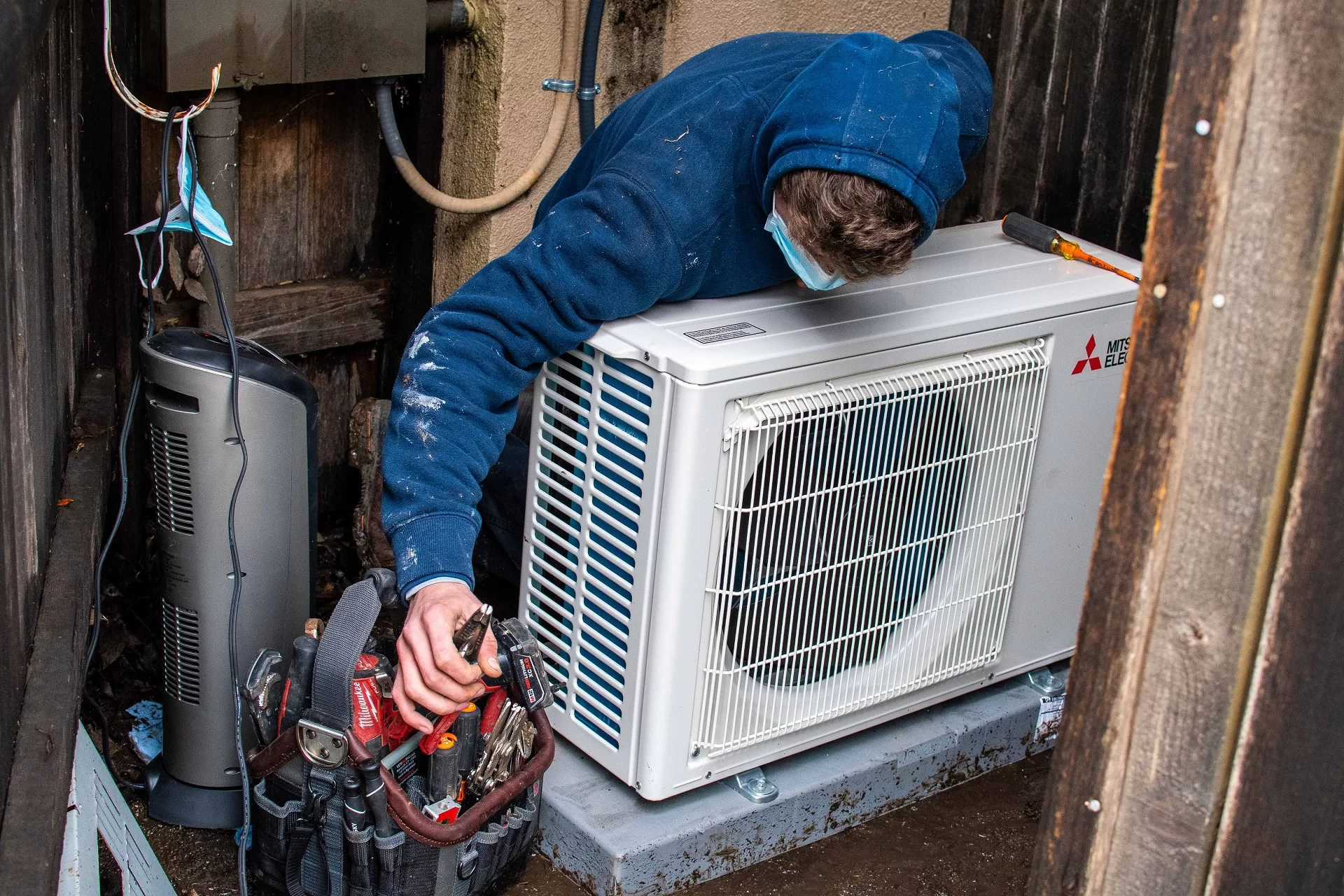
Technicians employ handheld meters, pressure gauges, combustion analyzers, and digital air-flow tools to isolate faults. Our diagnostic process begins with a visual inspection, then thermostat and electrical testing, and evaluates refrigerant levels and compressor performance.
We inspect ductwork and indoor air quality when there are airflow issues or uneven temperatures. Precise diagnostics stop unnecessary part swapping and can detect when a plumbing malfunction, like an undetected leak generating rust, impacts HVAC parts.
Easy to understand reports and estimates come next, letting homeowners weigh repair versus replace.
3. Component Replacement
Most replacements are blower motors, AC compressors, capacitors, thermostats, and filters. Parts are manufacturer-approved items to ensure compatibility and minimize the risk of early failure.
A fast source is key to minimizing downtime, and many ops locally stock frequent parts. Repairs generally include labor and parts warranties, with paperwork given for any new part.
4. Ductwork Solutions
Leaky, uninsulated ducts are inefficient and detrimental to indoor air quality. Sealing with mastic, replacing damaged trunk lines, removing debris, and installing insulated flex duct are all important steps.
Good duct repair balances temperature throughout rooms and reduces energy bills. Your technicians provide focused repairs for hot or cold areas and suggest airflow balancing as necessary.
5. System Upgrades
Replacing tired furnaces, boilers, or AC units with high-efficiency models reduces energy consumption and frequently enhances comfort. Smart thermostats, zoning controls, and right-sized systems by load calculations are included.
Experts walk through rebates, discounts, and financing to keep upgrades manageable.
Common Local Issues
Brick Township homeowners encounter a unique range of HVAC challenges related to coastal climate, aging homes, and severe storms. High humidity, storm-driven power interruptions, salt air, and mineral-laden water wreak havoc on system performance. Here are the region-specific issues and actionable ways to minimize risk, extend equipment life, and maintain indoor comfort.
Summer Humidity
Brick Township high humidity kills AC efficiency and indoor comfort fast. When the relative humidity nears 85% on those hot days by Barnegat Bay, air conditioners are forced to exert doubly hard to extract moisture and heat, which drives up energy demand and reduces component lifespans.
Let whole-home or portable dehumidifiers take the moisture load off the AC. Swap filters at least every 1 to 3 months and make an appointment for coil cleaning so refrigerant can soak up heat. Mold and mildew thrive where moisture lingers.
Ductwork, vents, and attic returns are at risk, particularly in older homes around Shore Acres, Baywood, and Seawood Harbor. Check ducts for condensation and use insulation and sealed returns to avoid creating damp patches. Pre-summer maintenance lowers emergency calls during heat waves and thunderstorms.
Schedule preventative service prior to peak months. A tech can test refrigerant charge, clean coils, check drain lines and verify the condensate pump. Power outages during summer storms make a dependable generator useful to have around to prevent resets and water damage from backed up floor drains or broken sump pumps.
Winter Chill
Keeping warm, even heating in winter is a combination of a good heating system and a sealed envelope. Cold snaps and Nor’easters expose weak points: leaky windows, poor insulation and aging furnaces that cycle short or fail.
Check furnaces, boilers and thermostats prior to cold weather. About: Typical Neighborhood Problems. Uneven heat and dry winter air around the house are common, while whole-home humidifiers and zoning can make your home more comfortable and efficient.
Sealing drafts and adding insulation lower load and help your older systems last longer. A service that inspects flue, venting, and electrical connections can prevent midwinter breakdowns.
Coastal Corrosion
Salt air hastens corrosion on outdoor condenser units, metal housings and electrical contacts, reducing service life and increasing repair requirements. Hard water mineral deposits clog valves, pumps and internal waterways, resulting in frustrating slow fill cycles and clogged ice makers in appliances.
Clean outdoor units more frequently, use protective coatings, corrosion-resistant fasteners and coil guards. Routine upkeep should involve electrical checks, spray rinses and substituting exposed metal components with stainless or coated alternatives.
Corrosion can cause shorts, relay failure and premature compressor replacement. For high-risk waterfront neighborhoods, schedule more frequent proactive service and look for sacrificial anodes or coated condensers to protect your investment.
The Maintenance Mindset
Nothing clears the mind like a maintenance mindset and it makes your HVAC systems reliable, efficient, and safe. Regular attention minimizes surprises, keeps your warranty terms intact, and helps you get a handle on long term costs. Here are specific points to cultivate a maintenance mindset for HVAC repair in Brick Township, NJ with steps you can implement today.
Efficiency
- Replace filters every one to three months based on usage and filter variety.
- Clean condenser coils and remove debris around outdoor units.
- Examine and seal duct joints and look for gaps in insulation.
- Check thermometer calibration and opt for a programmable or smart model.
- Plan a yearly pro tune-up for heating and cooling.
- Monitor refrigerant levels and repair leaks promptly.
- Don’t block vents and registers. Balance airflow room to room.
Well designed systems consume less energy. A well-maintained system can operate 15 to 20 percent more efficiently than a poorly maintained one, reducing electric bills significantly. More often than not, over the course of a summer, the energy you save pays for your maintenance.
Professional annual checks tune refrigerant charge, motors, belts and controls. Little fixes in these checks prevent big failures down the line. Mind airflow. Low flow may be clogged filters, blocked ducts, or failing fans. Tackle those small things quick to maintain the system as a whole and prevent extra strain on large parts.
Regular inspection enhances air quality by decreasing dust and allergens.
Longevity
Regular care immediately translates to longer machine life. Periodic lubrication, belt replacement, and coil cleaning lessen wear and stop premature breakdowns. Keep notes. Record dates, parts changed, and service findings in a simple log or digital file.
Swap out aging components pre-failure. A failing capacitor or weak blower motor can overwork the compressor and reduce the unit’s lifespan. Your investment in good techs and good parts is rewarded. Higher first costs typically translate into lower lifetime costs and fewer fire calls.
Keep it under warranty. Many manufacturers mandate service in order to maintain warranties. A well-documented service history helps with warranty issues and resale. Savvy techs detect system health trends owners might overlook.
Prevention
- Check filters, coils, drains and controls every season to spot issues as soon as possible. Clean and repair as necessary so minor indications don’t turn into expensive breakdowns.
- Tighten electrical connections and test safety switches. Unsecured wiring leads to malfunctions and the danger of shock if neglected.
- Test system performance under load, record temperatures and pressures, compare to historical records, and discover gradual decline before failure.
- Provide and utilize preventive plans with discounts or priority service. This promotes consistent attention and lowers future expenses.
This maintenance mindset will save you a lot of downtime and stress later on. Many owners consider maintenance a pain. Maintenance provides peace of mind and consistent system operation.
Understanding Local Costs
Local cost patterns play a big role in shaping expectations for HVAC repair and replacement in Brick Township, NJ. Here’s a straightforward overview of typical services and price ranges to assist with budget planning and options consideration.
Repair Averages
| Service type | Typical cost range (USD) |
|---|---|
| Minor AC repair | $50 – $1,200 |
| Heater repair | $20 – $2,900 |
| Emergency/after-hours call | Adds 25%–100% to base call-out |
| Ductless AC installation | Around $5,000 |
| AC with ductwork installation | Up to $9,000 |
| Gas furnace replacement | Around $4,500 |
| Heat pump replacement | Around $6,000 |
Average repair costs are part labor. Emergency calls late at night or on holidays typically add steep premiums. Regular maintenance programs frequently feature discounted labor and reduced diagnostic fees, which can decrease cumulative repair expenditure throughout a system’s 10 to 15 year lifespan.
Getting several estimates identifies outliers and normalizes expectations.
Warranty Nuances
While manufacturer warranties typically handle defective parts for a specified duration, they seldom extend to labor outside of a brief time frame. Contractor warranties vary; some include labor for repairs they perform, while others limit coverage to specific tasks.

Typical exclusions encompass damage caused by incorrect installation, missed servicing, or use of unapproved parts. Hang on to the original warranty documents, log service appointments, and adhere to the manufacturer’s maintenance schedule.
Extra coverage, like extended warranties or service contracts, is an additional expense, but it can provide predictable pricing and peace of mind, covering labor and parts that typical warranties do not cover.
Upgrade Investments
Paying for a high-efficiency system is a bigger initial outlay but usually reduces operating costs. For example, replacing an old heat pump with a new, more efficient unit may cost about $6,000 but reduce annual energy bills and may qualify for rebates.
Compare ongoing repair costs for an aging unit versus the one-time investment of a new system. Frequent repairs over a few years commonly exceed replacement cost. Financing plans, utility rebates, and tax credits are often available for energy-efficient upgrades.
Check local programs and federal incentives for eligibility. In addition to saving, new systems can increase property value and enhance comfort indoors through enhanced controls and quieter operation.
Get clear, itemized quotes from a minimum of three vendors, compare online reviews and ratings, and inquire about parts, labor, and warranty details to decide.
Beyond The Thermostat
Home comfort and system longevity rely on more than a set temperature. Smart HVAC: Regular care, smart upgrades, and strategic additions defend investment, reduce energy use, and boost indoor health. Here’s what expands beyond what repair work can do, from air quality to smart controls and zoning, with practical examples and steps homeowners can take.
Air Quality
Add an air purifier to reduce fine particles and allergens. True HEPA models eliminate the majority of dust and pet fur, while UV germicidal lights minimize microbial growth in ducts. Include a whole-house humidifier during dry months to avoid wood shrinking and promote easier breathing or a dehumidifier where moisture leads to mold.
Clean vents and swap filters on a schedule every 1 to 3 months for most homes to keep airflow smooth and systems working easier. Duct cleaning every few years or whenever mold and pest traces emerge reduces pollutant burden and can expose leaks that sap energy. Good ventilation and moisture control help minimize allergy symptoms and mitigate mold risk.
A bathroom fan with an exterior vent and a crawlspace vapor barrier are easy DIY fixes. Provide air quality testing with annual HVAC visits, testing for particulates, VOCs, and humidity to more closely align solutions with actual problems.
Smart Systems
Smart thermostats and Wi-Fi controls provide remote access, usage reports, and scheduling that reduce unnecessary run time. They memorize occupancy patterns and modify setpoints when the space is empty, so the AC or heat operates less, and the space remains comfortable when people come back.
Integration with voice assistants and mobile apps makes on-the-fly changes simple, and geofencing can pre-cool or pre-heat based on phone location. Local HVAC companies are now installing such leaders as Nest, Ecobee, and Honeywell, frequently bundling energy-saving installation and customer support.
Smart controls can report faults. Some central air conditioning units under 10 years old have a water sensor that stops the system in the event condensate doesn’t drain, and a connected thermostat can flag related issues sooner.
Zoning Control
Zoning relies on dampers and multiple thermostats to route conditioned air where it’s most needed. This provides custom comfort—cooler bedrooms, warmer living rooms—without operating the entire system simultaneously. Adding heat or air conditioning only to occupied rooms reduces energy waste and lowers bills, particularly in multi-story homes with unbalanced loads.
A professional evaluation will plot your room usage, insulation, and duct layout to propose optimal zone design and compatible products, like zone panels and motorized dampers that integrate with most furnace and air-handler units.
If repair costs approach half the cost of a new unit, it may be more economical to replace the system and add zoning, especially for furnaces older than 15 years.
Choosing Your Technician
Why Your Choice of HVAC Technician Matters for Safety, Cost Control and Long-Term System Health. Verify basic credentials first: valid license, proof of insurance, and relevant certifications. Experience servicing systems encountered throughout Brick Township and Ocean County provides a hands-on advantage. If you can, check driving records. A clean driver’s license demonstrates responsibility for on-site visits.
Inquire about 24/7 emergency service if you desire peace of mind for nights or storm seasons.
Local Knowledge
Your local tech – Techs who work regularly in Brick Township know local weather patterns and coastal wear factors that eat away at equipment life. They know the issues that crop up after humid summers, salt air or winter cold snaps. Local firms tend to stock parts with local suppliers, reducing downtime if a compressor or control board is required.
Companies with deep community roots tend to have consistent workflows and referrals, and that consistent presence frequently translates to quicker emergency response and stronger follow-through.
Clear Communication
Transparent, upfront pricing and plain-language breakdown of recommended work avoid surprises. Good technicians provide written estimates that detail parts, labor, taxes, and disposal fees. They clarify options — fix now, wait, or replace — and tell you the advantages and disadvantages of each.
Great communicators instruct the homeowner on basic care measures, such as filter change frequency, thermostat settings, and indications of refrigerant leaks. Make sure you can get questions answered by phone or message and that the company records conversations or sends service notes.
Proven Reliability
Seek out companies with returning customers and consistent positive feedback across both online platforms and word of mouth. Warranty and guarantee terms matter: ask how long workmanship and parts are covered and what exceptions exist. Check response times.
A company that shows up on schedule and gets out fast minimizes disruption. Professionalism on site, such as shoe covers, neat workspaces, and considerate scheduling, can be a great bellwether for the rest. Certifications like NATE demonstrate technical proficiency, and technicians with partnerships to manufacturers can get training and parts for brand-specific systems.
Check these assertions with references and proof.
One-sentence conclusion:
Conclusion
Local HVAC repair in Brick Township, NJ keeps homes safe and warm in simple steps and consistent caring. Routine tune-ups reduce breakdowns and save you money in the long term. Understand frequent issues such as clogged filters, leaking ducts, and damaged motors. Compare quotes, check licenses, and look for techs with local reviews. Tiny fixes today prevent huge costs tomorrow. For instance, a $120 motor tune-up can keep a $1,200 compressor swap from happening. Choose a pro that demonstrates evidence, provides a written schedule, and explains choices in simple language. Maintain service records and schedule basic reminders for filter changes and seasonal inspections. Ready to locate a reliable tech? Get three local quotes and choose the one that makes sense and is reasonably priced.
Frequently Asked Questions
What HVAC repair services are commonly available in Brick Township, NJ?
Most local businesses provide diagnostics, emergency repairs, compressor and fan repair, refrigerant recharge, ductwork repair, and thermostat replacement. Professional licensed technicians service residential and light commercial systems.
How do I know if my heat pump or AC needs repair?
Notice weak airflow, weird noises, hot or cold spots, high energy bills, or short cycling. Early symptoms lead to less expensive repairs and less downtime.
How much does typical HVAC repair cost in this area?
Minor repairs can vary from small parts and labor to medium prices. Major component replacements are more expensive. Obtain written estimates from licensed contractors to compare and avoid surprises.
Should I call for repair or replace my system?
Fix for issues below 50 percent of system worth and unit is less than 10 to 12 years old. Swap out the older, inefficient, or too often failing for more energy savings in the long run.
Can routine maintenance prevent most common local HVAC issues?
Yes. Seasonal tune-ups, filter changes, and duct inspections decrease breakdowns, extend system life, and increase efficiency. Maintenance is cheaper in the long run.
How quickly can a local technician respond for emergency repairs?
Response times are generally quick. Many Brick Township contractors provide same-day or next-day emergency service. Inquire about guaranteed arrival windows and after-hours fees.
What credentials should I check when hiring an HVAC technician?
Check state license, EPA refrigerant certification, insurance, and local references. Check for reviews and written warranties to verify trustworthiness and excellence.