

Key Takeaways
- Portable generators give you flexible, short-term power when you’re camping in the wilderness or need it for emergencies. Standby generators give you automatic, long-term backup power for your whole house.
- Standby generators tend to provide more wattage and run indefinitely. This means they can support multiple devices or whole house needs during an outage.
- Portable units typically operate on gasoline or propane and need to be refilled and safely stored, while standby generators are plumbed directly into your home fuel supplies like natural gas for added convenience.
- Installation of portable generators is straightforward and user-based. Standby generators need to be professionally installed, adhere to local regulations, and be maintained on an ongoing basis.
- Budget, living space and outage frequency should help inform your decision. Portable ones are cheaper initially, but standby ones provide more convenience and dependability for regular outages.
- Regardless of generator type, consistent maintenance, responsible fuel handling, and safety precautions are a must.
Portable and standby generators provide backup power, but they suit different needs.
Portable units are great for brief interruptions or when you need to transfer power from location to location.
Standby units start automatically and are best for homes or locations requiring stable power for extended periods.
To select the right one, consider your power requirements, frequency of outages, and budget.
The next sections break down both types in depth.
Core Differences
Portable generators and standby generators address different challenges in power provision. By understanding their core attributes, power capacity, fuel sources, and installation requirements, you can narrow down which suits your own setup best.
Function
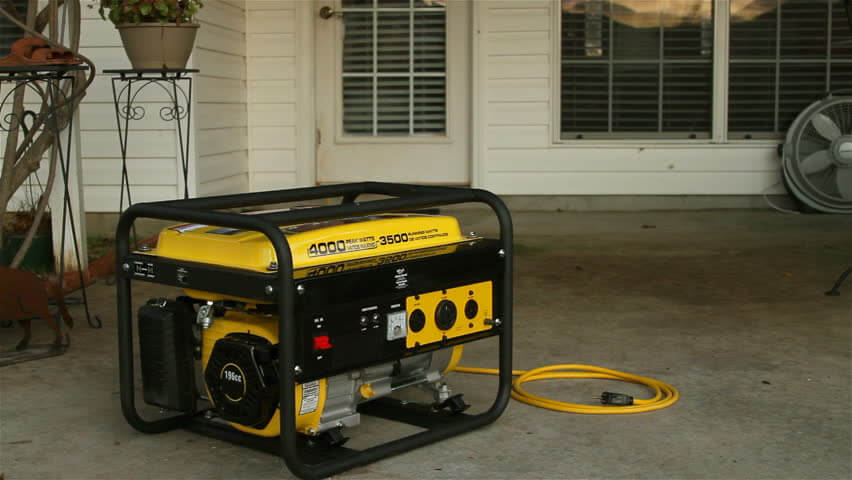
Portable generators offer on-demand power; you have to start them. They’re compact, lightweight, and portable, a great option for camping, outdoor events, or temporary worksite use.
Standby generators are stationary and hook up directly to a structure’s electrical grid. When the power goes out, they take it from there, automatically starting up and keeping lights and appliances going without any user intervention.
For even more flexibility, portable units can energize a variety of appliances, whether it’s a couple lights and a fridge, or tools or electronics. This means you can carry them wherever you require on-the-go power.
Standby generators are designed around home or business backup. They back up exactly the circuits you need and they do so without having to relocate anything.
Standby generators manage power interruptions effortlessly. They’ve got sensors that know when grid power fails, so they self-activate and deactivate.
Portable generators require that you refuel, start and connect them every time, which is not always convenient during storms or emergency situations.
Power
| Generator Type | Typical Wattage Range | Use Case Example |
|---|---|---|
| Portable Generator | 1,000–7,500 watts | Single fridge, lights |
| Standby Generator | 7,000–20,000+ watts | Whole house or business |
Standby generators provide sufficient power to operate a whole home or office, including heating and cooling. Portable models have lower limits, so you need to decide what to plug in and be careful not to overload them.
Portable units are designed for short bursts and small loads. They could run for hours, but require refueling and cooling breaks.
Standby systems are intended for uninterrupted operation and can maintain a building for days if necessary. Always check your power requirements before buying—most people either wildly overshoot or undershoot what they actually need.
Fuel
For the core differences, most portable generators run on petrol or diesel, both of which are readily available and need to be stored safely. You’ll need to store additional fuel, which isn’t convenient for extended blackouts.
Standby generators operate on natural gas or liquid propane, both of which can be delivered via pipe. That means they can run for longer without refueling and are more dependable for long emergencies.
Fuel storage is more of an issue for portable units. You have to store and manage fuel with care, filling only when the generator is cool.
Standby units attach to utility lines or big tanks outside, which mitigates risk and trouble. Natural gas and propane burn cleaner than petrol or diesel and therefore emit fewer emissions.
This means standby systems are less environmentally damaging in the long run.
Installation
Standby generators require a pro for installation. They tap into your home’s electrical panel and fuel supply, typically requiring a day or more to install.
Permits and inspections are often needed to comply with safety codes. Portable generators are a lot simpler. You simply roll them out, fuel them, and plug in or use extensions.
No ninja skills are required. Because standby systems connect into home wiring and local utility lines, you usually require a licensed electrician.
This contributes to the initial expense and guarantees secure, dependable functionality for the long term.
What Generator Suits You?
What generator best fits you really depends on your power needs, budget, living situation, frequency of outages, and how much convenience you value. All of these factors help pair you with a portable, standby, or even solar generator.
- What appliances and devices do you have to power during an outage?
- Add up their wattage and add 10% for safety.
- Determine whether you require power for hours or days.
- Check your home’s electrical panel limits.
- Consider your future needs. Will you desire power for additional devices down the road?
1. Power Needs
So first, make a list of all your vital appliances, like refrigerators, heaters, lights, and medical equipment. Add their wattage, then multiply that total by a minimum of 10 percent. This easy trick avoids overload and keeps your generator humming.
For example, an average home fridge requires around 150 to 250 watts and a small heater can require 1,000 watts or greater. Short-term needs, like small outages or outdoor activities, may require only a portable generator or a solar power station.
For extended outages, particularly in regions with an unreliable grid, standby or large solar generators are often required. Your home’s electrical panel capacity is another important consideration. Certain homes just can’t handle the larger loads standby generators deliver, so verify this prior to purchase.
If you anticipate your needs to expand, perhaps by including an EV charger or additional appliances, take that expansion into account in your calculations.
2. Budget
Portable generators are cheaper up front, frequently beginning in the few hundred dollar (USD) range. Standby generators, meanwhile, often run into the thousands of dollars, not including professional installation. About what generator fits you, some opt for financing, but it’s good to shop around.
Long term, standby generators can save on fuel and routine maintenance, especially if you opt for those that self-test and run on natural gas. Portable generators are more affordable, but they require consistent refueling and maintenance, expenses that accumulate significantly when outages are persistent.
Portable power stations, solar ones in particular, have zero continuing fuel cost and require minimal to no maintenance.
3. Living Space
Standby generators require a permanent location, at a minimum of 6 meters from your house. Not every property has room for this, particularly in tight urban locations. Portable generators are compact and can be kept in a garage or shed, but watch out for fumes and noise.
In apartments or condos, solar generators or small power stations could be the only safe alternative. Noise is an issue. Gasoline-powered portable models are louder, whereas solar generators operate without noise or emissions.
4. Usage Frequency
If you live somewhere power outages are uncommon, a portable generator or power station might suffice. If you have frequent outages, a standby or solar generator could be a good investment. If you like camping or attending outdoor affairs, portable generators provide additional usefulness by operating grills, lights, or small kitchen appliances.
Check your local grid stability. If you live in an area with heavy storms or unreliable service, a more long-term solution might provide you comfort.
5. Convenience Level
Portable generators are literally portable and can be carried wherever you want and installed yourself if you’re a fan of DIY. They need to be started by hand, refueled often, and stored safely.
Standby generators tend to be more hands-off. Once installed, they activate automatically during an outage and require minimal maintenance. Solar power stations provide a happy medium.
They’re convenient, require no regular maintenance, and are silent. For most, the simplicity and minimal maintenance of solar and standby options are sure to be attractive.
The Ownership Experience
In deciding between portable and standby generators, it isn’t just a matter of price or wattage. Your ownership experience for each class is formed by day-to-day maintenance and real world application. Here’s how each complements different lifestyles and requirements from fuel storage to safety.
Fuel Management
Portable generators require owners to store and manage fuel, typically gasoline or diesel, in approved containers. Having additional fuel at home requires observing certain safety precautions, such as storing containers away from heat and in well-ventilated areas. Refueling is difficult in storms or emergencies if local fuel stations run out or close.
For instance, customers could face lines or longer drives for gas during localized outages. Standby generators hook up to a permanent fuel source, typically natural gas or liquid propane. This configuration results in no refilling during operation, providing them with enhanced dependability for extended power outages.
They burn out over time but provide continuous energy without hand refills. Fuel stabilizers in portable generators keep fuel fresh and gum at bay, which is a must if your generator will sit unused for months.
Noise & Emissions
Additionally, portable generators can be very loud, between 70 to 100 decibels, potentially disrupting neighbors in more densely populated areas. Standby generators, on the other hand, run quieter as a result of the better enclosure and distance from living spaces.
Portable units emit more emissions per kilowatt and do not have sophisticated filters or catalytic converters. Standby models, usually newer and fixed, comply with more stringent emission criteria and provide cleaner performance.
Adhering to neighborhood noise ordinances is a must, as many areas have dB limits or prohibit running generators during specific times. Carbon monoxide is a significant hazard for both, but portable generators pose increased risk if operated indoors or near windows.
Always use them out back and away from doors! Standby generators are equipped with sensors and installed with safe venting.
Maintenance
Portable generators need routine checks: oil changes, spark plug swaps, air filter cleaning, and running the engine to prevent fuel gum. Too many owners short-cut these steps, causing them to fail when they need them most.
Standby generators require weekly automatic self-tests and professional annual service, including oil, filter, and battery changes to maintain their warranty. Each can benefit from battery checks and fuel line inspections for leaks or blockages.
Overskip these steps and it’ll be a generator that won’t start during an outage. Preventive care, cleaning, testing, and timely repairs can double a generator’s life and reduce the chance of it breaking down in the middle of a storm.
Safety Protocols
Portable generators feature built-in safety measures, like shutting off if they detect carbon monoxide. Secure use requires placing them outside, never in garages or sheds. Proper ventilation is crucial to prevent poisoning.
Get some heavy-duty, outdoor-rated cords and never overload outlets because it can cause fires or damage devices. Standby generators need professional installation. Adhering to electrical codes is non-negotiable.
That includes permits, inspections, and occasionally utility approval as well. A transfer switch prevents power from backfeeding onto the main grid and protects users and utility workers. Professional setup reduces the risk of shocks or fires and ensures the system complies with all safety regulations.
Cost Breakdown
When it comes to portable and standby generator comparison, it’s more than just sticker prices. Most consumers focus on the sticker price. Setup, operating costs, and residual value matter. To help break down the key differences, the table below provides the typical cost ranges in euros for each type.
| Cost Factor | Portable Generator (€) | Standby Generator (€) |
|---|---|---|
| Upfront Purchase | 200–2,000 | 3,500–11,000 |
| Installation | 0–100 | 1,800–6,000 |
| Annual Maintenance | 60–200 | 150–500 |
| Fuel (per hour) | 2–6 | 1.2–4 |
Upfront Purchase
Portable generators tend to have a lower entry price, beginning at just a few hundred euros. They cost less because they are constructed for temporary or occasional use, with a lot of models being portable or on wheels. Here’s a rough cost breakdown. Most portable units provide the basics, with price bumps for higher wattage, inverter technology, or quiet operation.
Trusted names tend to carry a premium, but some consumers appreciate the warranty support and service options. Standby systems are more of an upfront investment. Just the sticker price can run into the thousands of euros, installation not included. These systems usually offer additional power, automatic transfer switches, and weatherproof designs.

There are financing options that can help amortize the cost. A robust warranty can bring peace of mind and factors into the upfront expense.
Installation
Because portable generators need very little to no setup, installation costs remain very low. They just unbox the unit and plug it in. Standby generators, on the other hand, require professional installation. This accounts for labor, materials, and even the odd electrical upgrade or fuel line work.
These amounts can be between 1,800 and 6,000 euros. Additional costs can arise from local permits and inspections, particularly in densely populated urban environments with onerous codes. Installation done right is reliable and safe, and even though the upfront spend is greater, it pays over time by not destroying your equipment or having a ‘start’ that never starts.
Running Costs
Portable generators usually use petrol or diesel, and fuel consumption will vary based on load and runtime. With frequent use, that can translate into fuel costs adding up quickly, particularly if prices increase. Maintenance is mostly easy—oil changes and spark plugs—but becomes a pain if you require them often.
Standby units run on natural gas or propane, which might be less expensive per kilowatt-hour over time. Maintenance tends to be less regular but can often demand a professional, driving up expenses. Standby’s biggest advantage is its lower likelihood of outage downtime, which can be worth a lot if an outage means lost revenue or ruined inventory.
Future-Proofing Power
Future-proofing power. Whether it’s due to frequent outages, severe weather or increasing energy consumption, selecting the right generator is more than just a quick fix. It’s future-proofing power. Today’s portable and standby generator decisions aren’t just about price or output. Smart features, energy trends and even resale value can all alter what’s best for you down the road.
Smart Integration
Today’s standby generators can connect to smart home networks, allowing owners to monitor their generator remotely through an app. Real-time monitoring, remote start or stop, and fuel tracking all assist users in identifying problems early. This decreases downtime and risk, particularly in locations that suffer from frequent blackouts or extreme storms.
Certain generators sync with home automation for seamless backup. For instance, if a power loss hits, the standby generator can power on, notify the owner, and modify which appliances stay operational. This streamlines life and reduces waste. Smart tech optimizes fuel consumption, so the generator operates more efficiently and requires less maintenance.
Portable models come close, but most cutting-edge enhancements go to standby types initially. Upgrades are important. Most standby units are upgradeable by means of software updates, so new features can be added as the tech improves. Portable generators are beginning to have Bluetooth or Wi-Fi, but for the time being, they’re still sparse and less dependable.
Energy Trends
As the world pivots to greener power, generator makers are listening. There’s more shove behind units that are perfect for solar or wind. Energy-efficient inverters and hybrid models are becoming more prevalent, reducing fuel expenses and emissions. Certain standby generators available today include dual-fuel capability, like natural gas and liquid propane, so users have options in the event that one fuel source runs low.
Grid instability is another reason many choose standby models. They come on quickly and can provide power for days. Portable units are great for short outages, but can’t handle long blackouts. As storms and heat waves increase, dependable backup power is emerging as a high priority for homes and offices alike.
Resale Value
Standby generators generally hold more value in resale markets. Such units, particularly from reputable manufacturers and in optimal condition, appeal to buyers as future-proofing power. Traits such as smart integration or low maintenance history can increase desirability.
Portable models, though less costly upfront, depreciate more rapidly. Their wear and tear, noise, and safety concerns related to carbon monoxide make them less appealing to resell. In regions where outages are uncommon, a portable model can attract customers who just need to power things up for short periods.
As we discussed, a standby generator’s value ties to the expanding market for home backup power. Others consider it an insurance policy—something that can help bolster property value. Monthly tests and yearly tune-ups might sound like work, but regular upkeep keeps resale options strong.
The Human Factor
Power outages can be really stressful, particularly those that extend beyond a handful of hours. For most, a standby generator provides peace of mind because it starts automatically when the power goes down. That way, they don’t have to stress about being home to schedule it. It keeps lights, fridges, and heat on without having to think about it.
For families with young kids or aging parents, being aware that the basics will remain on alleviates a huge concern. Portable generators, however, have to be manually started and fueled. For some, this is easy, but for others, it’s hard or stressful, particularly in inclement conditions or at night.
Having a reliable source of power during an outage can literally be a game changer in daily living. With a standby generator, homeowners can keep up with work, school, and basic needs. This keeps life more normal and helps keep tempers and stress at bay.
Portable generators get the job done when it’s a short outage or very limited stuff that needs power. They’re portable and not as expensive, so they appeal to folks who just want a backup without a huge investment. Noise is a concern with numerous miniatures. They can be as noisy as a vacuum cleaner, making them less than perfect for silent homes or compact areas.
Further, transporting and positioning a portable generator can be challenging, particularly for people who aren’t comfortable with machines or fuel. When an entire community gets hit by a storm or blackout, the backup power individuals have can help determine how quickly things get back on track. Automatically activating standby generators can keep local shops, clinics, and homes running.
There is less burden on shelters and more assistance to neighbors. Portable generators are simpler to share or lend but require more effort to start up and keep fueled. In communities affected by large-scale storms or disasters, a combination of the two tends to be most effective. Dependable backup power keeps food fresh, phones charged, and news at your fingertips.
This assistance counts most in locations where blackouts endanger life. Having a generator, either portable or standby, speaks volumes about attitudes towards preparedness. Others appreciate fast hacks they can deploy in lots of places, so they grab mobile types.
Others desire a hands-off setup that handles all the details, signaling a hope for long-term security and reduced anxiety. For others, it’s the kind of fuel and the amount of power that counts. They could seek out lower fuel or clean runs as a green living thrust.
In the final analysis, choosing a generator is about more than just hardware. It reveals the human factor and what people prioritize, from convenience to event readiness.
Conclusion
Portable and standby generators both have real advantages. Portable ones are easy to move, less expensive, and great for short outages or camping. Standby models fire up automatically and keep the heavy stuff going, which is ideal for houses or work that demands consistent power. Cost, space, and your power consumption requirements all factor in. Consider your needs now and in the future. Both come to the rescue during storms, power outages, or even just regular old life. Consider how you consume power, your location, and what your budget allows. Discover what aligns with your lifestyle and peace of mind. To help you determine the best fit, weigh your options and consult a local expert before you purchase.
Frequently Asked Questions
What is the main difference between portable and standby generators?
Portable generators are mobile and need to be manually set up. Standby generators are stationary, switch on automatically, and are wired to your property’s power.
Which generator is better for frequent power outages?
Standby generators are better for frequent outages. They provide automatic, dependable backup power without lifting a finger.
Are portable generators safe to use indoors?
No, you should never use portable generators indoors. They emit carbon monoxide in enclosed spaces.
How much maintenance do standby generators need?
Standby generators require routine maintenance, such as oil changes and system checks, every few months or following use to ensure dependable operation.
What is the average lifespan of a portable generator?
A portable generator typically has a lifespan of two thousand to three thousand hours of operation.
Do standby generators increase home value?
Yes, standby generators can add value to your property.
Which generator is more cost-effective for short-term use?
Portable generators are cheaper for short-term or occasional use because they have low upfront costs and can easily be transported.