

Key Takeaways
- Standby generators are automatic whole-house backup generators that connect to your electrical panel. They are perfect for households that need uninterrupted power and have the budget to pay higher upfront and installation expenses.
- Portable generators provide convenient, mobile electricity for key appliances and outdoor activities. They involve manual connection, less capacity, and fuel and ventilation considerations.
- Select a generator according to quantified power requirements by enumerating essential loads and their corresponding wattage demand, not by price alone.
- Consider installation, fuel source, regular maintenance, and any permit or service charges when comparing long-term value.
- Stay safe and meet operational needs by scheduling regular testing and maintenance, ventilating gasoline units, and installing transfer switches or automatic systems.
- Think ahead to other needs and technology like inverter models, remote monitoring, and scalable standby systems to lower emissions and future-proof changing home energy usage.
Standby generator vs portable generator tells you which backup power suits your needs and budget. A standby generator is a whole-house unit, permanently installed, that starts automatically and is power rated in kilowatts.
It is fixed, has a higher cost, runs on natural gas or propane, and powers the whole house. Major distinctions are power output, installation requirements, upkeep, and operational fuel.
The body compares costs, safety, and use cases.
Core Differences
Standby and portable generators meet the same objective. They’re different in design, capacity, and how they attach to a home. The rest of the post dissects those core differences so readers can align a solution with their needs.
1. Automation
Standby generators start and switch power on their own when an outage occurs. When utility power goes down, an automatic transfer switch senses it, kicks the generator on and directs power to the home’s panel without you having to do a thing.
A number of standby units execute self-tests and rudimentary diagnostics on a schedule, so they require less frequent hands-on inspection.
Portable generators need someone to haul them, fuel them, and crank them during an outage. They don’t come on by themselves and usually require manual connection with cords or a manual transfer switch.
That manual rigging extends post-outage recovery time and demands that the customer be physically available and feel safe hooking up. Automatic transfer switches are standard with standby systems, enabling seamless transitions for HVAC, refrigerators, and lighting.
Portable models do not have this automation, so critical systems may stay off longer and need more coordination to power safely.
2. Power Output
Standby generators are built to provide high continuous wattage, frequently sufficient to power HVAC systems, water heaters, and several heavy-load appliances simultaneously. Average home standby systems vary between a few kilowatts and 20+ kilowatts depending on the size of the home, and whole-house backup is possible.
Portable generators tend to generate far less power and are ideal for a limited number of necessities, such as a refrigerator, lights, cell phone chargers, and a sump pump. A lot of the portable units sit in the 1 to 8 kW range, which frequently restricts them to designated circuits or single appliances, rather than the entire residence.
Power needs should guide choice: list major loads, calculate starting and running watts, then compare to the generator’s rating. A mismatch leaves vital systems vulnerable or generates overload hazards.
3. Fuel Source
Standby units typically tap into natural gas or liquid propane lines, giving them a constant fuel source that eliminates the need to refuel during extended outages. That steady feed diminishes the logistical challenge of fuel storage.
Portable generators most commonly operate on gasoline or small propane cylinders and must be manually refueled. This renders them potent for remote deployment and creates a fuel supply and staging problem in extended engagements.
Fuel availability, storage rules and local regulations should play into planning. Propane boasts a longer shelf life than gasoline, and natural gas provides near-continuous operation for standby units.
4. Installation
Standby generators are professionally installed and require permits, a concrete pad, and direct connection to the electrical panel. Installation difficulty contributes to expense and delay before the unit can function.
Portable models require no permanent install and can be set up by homeowners in minutes, then stashed when not in use. They sit in garages or sheds and are pulled out as necessary.
Hard installation increases initial expense but delivers hands-free use. Portable configurations save money but increase user burden in blackouts.
5. Mobility
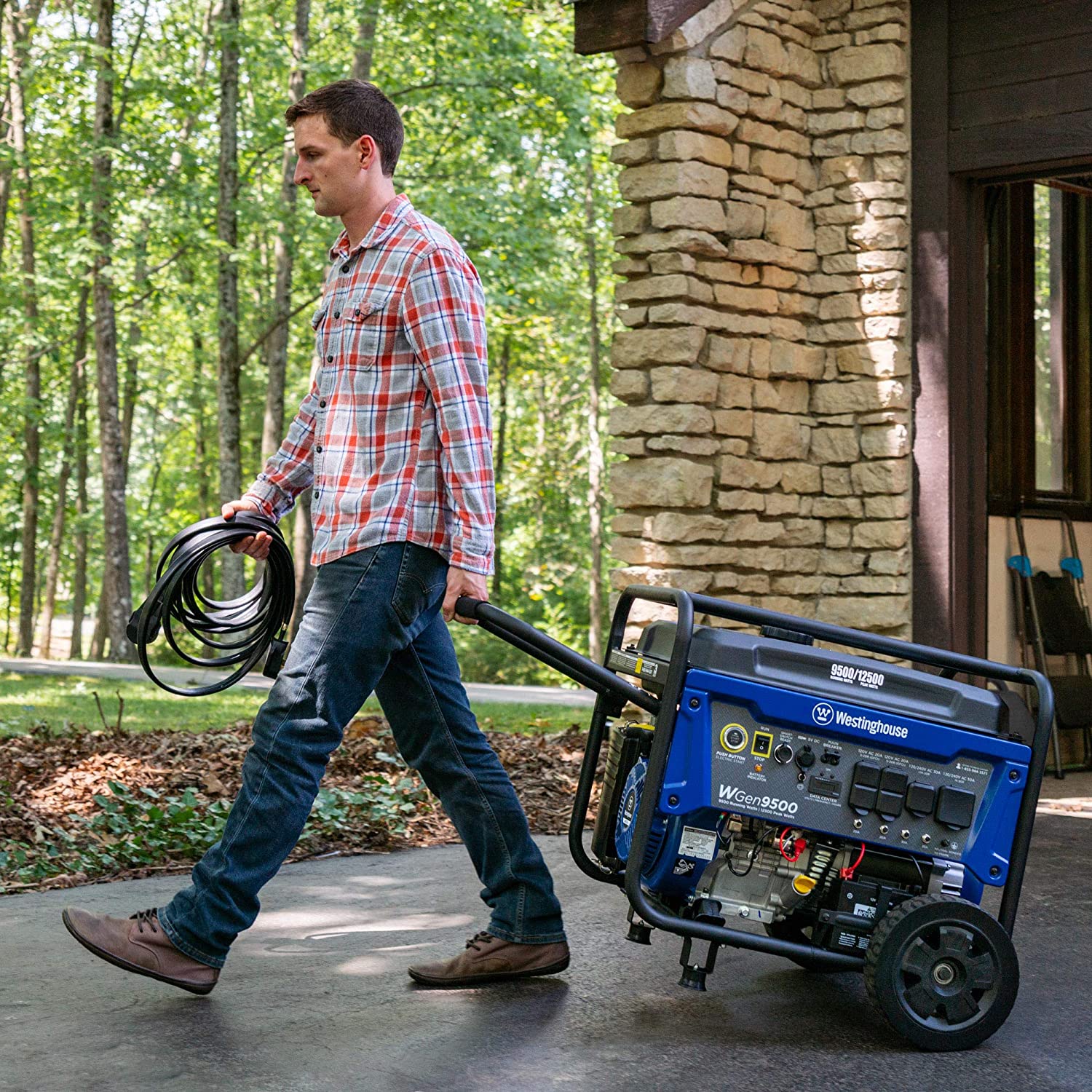
Portable generators are built for transport. Wheels, handles, and compact size let you move them to campsites, job sites, or different buildings. Core differences Mobility makes it so much more than just a home backup.
Standby generators are mounted on a pad and not mobile. Their fixed location enables greater power and integration and eliminates mobility.
Mobility exchanges for lesser power, reduced runtimes and more regular upkeep for portables. Standby units are pricier but provide quieter, safer, and more automatic service.
Cost Analysis
Standby and portable generators vary significantly in initial price and maintenance costs. Standby units require a bigger upfront investment but provide whole-home automatic backup. Portable units are much less expensive upfront and are appropriate for limited or occasional needs. Weigh the short-term savings of your decision against the long-term spending associated with fuel, maintenance, and service before you decide.
Upfront Investment
Standby generators have a significant upfront purchase and installation cost, as well as permits and potential electrical or gas line work. Average home standby systems start at around three thousand to thirty thousand dollars depending on capacity, brand, and installation difficulty.
Portable generators have significantly lower purchase prices, typically between four hundred and seven thousand five hundred dollars, and require minimal to zero formal installation. Installation for standby units can consist of concrete pads, transfer switches, wiring, gas connection and labor, which all contribute to the overall cost.
Portable units sidestep installation costs altogether; you purchase the unit, add oil and gas, and it’s good to go. Homeowners should enumerate anticipated price ranges, calculate permit and labor fees for standby choices, and compare those sums to their requirement for continuous power. For instance, a small standby system for a medium home can creep into the low five figures once installation is included, while a high capacity portable that can fire up a few circuits can cost under one-thirtieth of that.
Operational Expenses
Standby generators frequently use natural gas or propane, which can reduce the cost of fuel per kWh relative to gasoline. Natural gas hookups mean no refueling during a standard outage and fuel cost stability can help lower operating expense. Regular upkeep for standby systems, including yearly service, battery replacement, and occasional testing, introduces ongoing expenses and sometimes service-plan charges.
Portable generators run on gas, diesel, or small propane tanks and require refueling during any extended outage. Fuel cost is variable and can spike during extended events. Portables require oil changes, air-filter swaps, and spark-plug inspections when deployed frequently.
Both types require supplies: oil, filters, and periodic parts. Follow fuel and maintenance costs over years to get actual cost per year. A portable could save thousands initially but could end up costing more per outage if fuel prices soar or outages are prolonged.
Long-Term Value
Standby units are known to add home value in areas where outages are the norm. Buyers will pay extra for dependable, automatic backup. Judge long-term value by looking at lifespan, warranty length and service plans they offer. Durable standby systems can last decades with the right maintenance.
Portable generators are cost-saving for users with occasional, short outages and can be perfect for powering only the essentials, such as the fridge, sump pump or lights. Region resale appeal can be high, although in areas with stable grids the incremental value might be low.
Compare anticipated outage frequency, household load requirements and projected maintenance to determine which provides better value in the long run.
Operational Demands
Operational demands dictate how a generator fits into your life day-to-day and into your planning. Here we compare maintenance, security, testing requirements and pragmatic compromises so you can understand how ease, dependability and pleasure shift across all types.
Maintenance
Standby generators typically have annual service packages. These packages contain a professional inspection of the engine, transfer switch testing, coolant and oil checks, and a load test to ensure the unit will support the house. Consistent professional service keeps your guarantee valid and catches wear before it induces downtime.
Portable generators require more active maintenance. They have to be started by hand and they need constant refueling. Oil changes, spark plugs, air filter cleaning, and fuel stabilizer are standard. As they tend to sit idle for extended periods of time, occasional workouts, where you run the unit for 20 to 30 minutes under a light load, keep seals moist and prevent fuel system issues.
Maintain a maintenance log for either. Log dates, hours run, fuel added, oil changes, and service visits. Logs back up warranty claims and forecast when parts wear out. A written record benefits if the unit gets passed to a new owner.
Maintenance checklist:
- Standby: Annual professional service, transfer switch test, battery check, coolant and oil inspection, and load test.
- Portable: Pre-use oil check, oil change every 50 to 100 hours, fuel stabilizer with stored fuel, spark plug and air filter checks, periodic exercise run, safe fuel storage.
- Both keep service receipts, note run hours, inspect for leaks, and test safety shutoffs.
Safety
Standby generators are placed outside on concrete pads or brackets with direct ventilation, reducing CO risk when properly installed. Their hardwired transfer switches separate the home electrical system from the grid, minimize backfeed risks and automate operation.
Portable generators present greater CO and electrical risks if used incorrectly. They have to be operated well away from living areas and never indoors or in garages. Having to manually start and refuel exposes you more to the storm and cold nights, which is inconvenient and unsafe.
Portable units are lighter and easier to transport, which is why they’re popular for tailgates, camping, or small-size at-home use, though their output typically only handles a handful of basics, not entire household loads.
Contemporary models have built-in safety mechanisms that prevent damage to your generator including automatic shutoff for low oil, overload and surge protection. Follow manufacturer safety steps: ventilate, ground if required, use proper extension cords rated for the load, and store extra fuel in approved containers away from flame.
Routine checking and testing is important to prevent fire, shock, or poisoning.
Lifestyle Integration
Generators can be woven into everyday life as subtly comforting or vibrantly practical. This section discusses how standby and portable generators integrate with your family’s lifestyle from household schedules and work demands to recreation and provides practical tips for living safely and comfortably.
Convenience
Standby generators come on automatically when the grid goes down and continue to run without user input, so a normal day has little interruption. These connect into a home’s electrical panel and can operate on natural gas or liquid propane, leading to extended runtimes without the need for frequent onsite refueling and less daily stress for households with medical equipment or home offices.
On the other hand, portable generators require physical setup: position unit, add fuel, run extension cords or a transfer switch, and start the engine. This back-up overhead introduces lag and additional effort during an outage and can throw schedules out of whack, particularly when time is scarce or weather is inclement.
Automatic standby systems provide continuous power and prevent potentially dangerous medication refrigeration from going cold or remote work from getting cut off. Portables provide flexibility but require manual switching and occasional refueling, which can be a pain for certain homes.
- Standby convenience factors:
- Auto start and feed to house wiring.
- Fuel-line hook-up for extended run.
- Little daily intervention after installation.
- Portable convenience factors:
- Portability to take it anywhere.
- Low initial cost and no permanent installation.
- Needs to be manually rigged, fueled, and load managed.
Application
Standby generators are capable of handling whole-house loads such as HVAC equipment, electric water heaters, and hardwired appliances. They’re best when trying to maintain a household as normal as possible through extended outages.
In contrast, portable generators suit selective backup: they can run a refrigerator, a few lights, and charge electronics. They are great when you only need critical circuits or when wanting to run just a little bit of power is good enough.
Portables are ideal for outdoor uses. Camping, tailgating, events, and construction sites benefit from the unit’s mobility and ease of transport. Pair the generator to your needs. Use standby for comprehensive home power and portable for selective or on-the-go applications.
Noise
Standby units typically run in insulated enclosures and employ bigger mufflers, so they’re quieter and become part of the background of your life. This muffled profile aids in not waking sleeping family members or neighbors.
In contrast, portable generators are usually louder and more disruptive, particularly in small yards and close quarters. Noise can bother neighbors and family comfort in the case of longer outages.
Check posted dB ratings before buying and compare at similar load levels. Additionally, check local noise ordinances and site placement to minimize effect on others. Carbon monoxide safety and fuel use need to be in the selection and placement plan to keep integration safe and reliable.
Future-Proofing Power
Future-proofing power is about considering long-term reliability, sustainability, and flexibility when deciding between standby and portable generators. Think about how home energy use might evolve, how frequent outages are, and if you desire a system to future-proof for new appliances or compatibility with low-carbon sources.
Technology
Standby units incorporate remote monitoring, automatic diagnostics and auto-start tests that operate without user intervention. These capabilities reduce downtime and simplify servicing. It can ping alerts to phones or to service providers.
A few portable models leverage inverter technology to generate stable, clean sine-wave power safe for sensitive electronics such as laptops and medical devices.
- Remote monitoring with cloud-based alerts for status and faults.
- Automatic self-test routines and scheduled maintenance reminders.
- Inverter systems in portables provide cleaner and quieter running.
- Advanced load shedding in case of limited output keeps critical circuits going.
- Modular, parallel-capable designs permit adding additional units or modules.
Check for compatibility with home automation and energy management platforms. Verify that the generator can communicate with your home energy gateway, transfer switch or battery system. If you’re planning solar or battery integration, pick models with open protocols or supported interfaces from the manufacturer.
Emissions
Natural gas or propane-fueled standby generators typically pollute less than gasoline-powered portables, which burn a dirtier fuel and frequently don’t even have modern emission control systems. Some newer models of both types may feature low-emission engines that are compliant with stricter standards and lower nitrogen oxides and particulate emissions.

Placement and ventilation are just as important; even low-emission units will generate carbon monoxide if installed improperly. Keep emissions in mind for the green home and local authorities curb idling or emissions in the neighborhood.
Be sure to consider safe fuel storage and regular inspections to prevent leaks or stale fuel.
Scalability
Standby systems are sized for present load and can be upsized or combined with automatic transfer switches and sub-panels to accommodate future additions like EV chargers or HVAC retrofits. Portable generators scale badly.
Increasing capacity generally means purchasing multiple units and dealing with the hassles of parallel connections, which introduces additional complexity and safety risks. Future-proofing power means that when sizing a standby unit, you should consider probable appliance additions and renovation plans so the initial install can handle the growth.
Consider manufacturer ratings, parallel kit options, and accessory lists, including transfer switches, load management modules, and battery tie-ins, to future-proof your power plan.
Making Your Choice
Choosing between a standby and portable generator starts with clear truths about what each can do and what you need. It presents the key contrasts, calculates your need, a customized pros and cons table for typical living scenarios, and the priorities to remember when deciding.
Standby vs portable: key differences in power, cost, and convenience. Standby units provide whole-home energy with average wattage from around 10,000 to 60,000+ watts and start automatically in 10 to 20 seconds. They run without manual refueling when tied to a stationary fuel source and sit about five meters or less.
They must be placed at least five feet (about 1.5 meters) from the home and away from openings. Cost is elevated up front and for installation, usually significantly exceeding portables. Portable generators span approximately 1,000 to 16,000-watt models and are priced between USD 400 and 7,500. They are optimum for powering chosen appliances, equipment, or camping equipment, require manual refueling, and have to be stored a minimum of 20 feet (approximately 6 meters) away from any building for safe exhaust dispersal.
Household needs and context. Start by listing essential loads: refrigerator, heating or cooling systems, sump pump, medical equipment, and lighting. Figure out wattage requirements or work with an electrician to size a standby unit should you desire whole-house coverage. A portable can handle critical circuits if your total critical load is small.
Next, consider outage frequency and duration: frequent, long outages favor standby systems for reliability and low hands-on time. Budget concerns drive many to portable systems for quick coverage or outbuildings such as work sheds or camps. Factor in installation rules and space: standby units need permanent placement and permit work. Portables need safe outdoor storage and ready access during storms.
Comparison table of pros and cons by living situation:
- City flat or tiny co-op.
- Pros portable: low cost, simple to move.
- Cons portable: limited power, exhaust and placement limits.
- Standby: often impractical due to space and rules.
- Cookie cutter suburban single family home.
- Pros standby: Whole-home power, auto start, fast activation.
- Cons standby: Higher cost, installation, permits.
- Portable: Lower cost, useful for partial backup.
- Country or off-grid land.
- Pros standby: reliable long runs, ties to larger fuel supplies.
- Cons standby: fuel logistics, maintenance.
- Portable: flexible, cheaper, but needs frequent refueling and testing.
Security, dependability, and durability. Give preference to safe placement and exhaust routes, routine testing, and upkeep. Portable units tend to have about 1,000 to 2,000 hours of life and require periodic runs to remain available.
Standby systems are more expensive but frequently provide superior long-term value in areas prone to outages or where whole-home backup is desired. Select what fits real loads, outage schedules, and the time and money you can invest in installation and maintenance.
Conclusion
Standby and portable generators satisfy different requirements. Standby units kick on quick, operate on in-home fuel lines, and power the majority of home systems with little drama. Portable units are less expensive, travel to wherever you need power, and fit temporary or outdoor applications. Choose a standby for reliable, hands-free backup and larger loads such as heat pumps or well pumps. Choose a portable for small budgets, infrequent outages, or job-site needs. For a lot of homes, a little standby for the basics and a portable for the overflow tools adds up. Verify fuel availability, installation regulations, and maintenance contracts prior to purchase. Check actual costs over five years. If you’re ready to make a decision, make a list of your must-run items and compare that to what generator would satisfy that list.
Frequently Asked Questions
What is the main difference between a standby generator and a portable generator?
A portable generator is mobile, kickstarted and optimal for temporary or minimal power requirements.
Which option is more expensive upfront and over time?
Standby generators are more expensive for both the equipment and installation. They may be less expensive in the long run for outages that occur regularly. Portable generators are less expensive upfront but can be pricier if used frequently.
Which generator is safer for indoor use?
Neither should be handled indoors. Standby generators are installed outside with appropriate ventilation and transfer switches, so they are safer overall. Portable generators emit carbon monoxide and need to be kept outside and away from windows.
How do maintenance requirements compare?
Standby generators require professional inspections and routine maintenance. Portable generators need more user maintenance, such as oil changes and fuel checks. Both require routine maintenance to be dependable.
Can either generator power an entire house?
Standby generators can be sized to run a whole house. Portable generators typically supply power to specific circuits or key appliances unless you have a heavy-duty one and appropriate transfer equipment.
Which is better for frequent or long outages?
Standby generators are the better option for frequent or extended outages because of their automatic operation and larger fuel source options. Portable units prove ideal for infrequent outages or recreational applications.
Do either option support renewable energy or battery storage integration?
Standby generators can integrate with battery systems and solar setups with appropriate system design. It’s worth noting that portable generators are less compatible with renewables and stored energy without additional inverters or controllers.