
Key Takeaways
- Tankless water heaters can be more expensive in the beginning but can mean less in the way of energy bills over time because of their efficiency.
- Tankless water heaters need regular maintenance too, usually of a different sort, and typically last longer.
- Household size and daily hot water demand are key factors when choosing between tankless and traditional water heaters. These factors impact performance and cost-effectiveness.
- Rebates and government incentives on models with higher energy efficiency ratings can help mitigate the upfront investment, particularly for tankless systems.
- They can be more complex and expensive to install. New construction is a prime candidate for tankless while retrofits might require significant changes.
- Your individual water consumption and local energy rates are going to have a large impact on the actual savings and carbon footprint of each heater.
Tankless water heaters tend to be more energy-efficient and can save money in the long run. Traditional water heaters typically cost less initially.
Choosing between tankless and traditional models depends on home size, how much hot water you use, and how long you plan to stay in your place. To assist in comparing the actual savings, this guide dissects price, maintenance, and other considerations that count when selecting the best solution for your lifestyle.
The Financial Breakdown
The price is an important consideration when deciding between tankless and traditional water heaters. The key costs are purchase and installation, recurring energy bills, regular maintenance, and the value accrued over each system’s lifespan. The table below provides a snapshot of the key cost differentials, using both the metric system and global average USD numbers for transparency.
| Cost Factor | Tankless Heater | Traditional Heater |
|---|---|---|
| Upfront Cost (USD) | $700–$2,500 | $300–$1,200 |
| Installation (USD) | $1,000–$3,000 | $300–$800 |
| Annual Energy Bills | $150–$300 | $350–$500 |
| Maintenance (Yearly) | $75–$150 | $50–$120 |
| Lifespan (Years) | 20–30 | 10–15 |
1. Upfront Cost
Tankless water heaters tend to have higher upfront costs, with prices varying from $700 to $2,500. Conventional tanks are cheaper, typically ranging from $300 to $1,200. Installation further complicates the price, especially for tankless systems, which can require new gas lines or venting. This can push installation fees up to $3,000 and above, while conventional heaters typically cost $300 to $800 to install.
Larger households might require multiple tankless units, which increases initial costs even more. A few families have manufacturer or local bank financing or payment plans that extend these upfront costs.
2. Energy Bills
On average, tankless water heaters reduce yearly energy bills by over $200. That’s in part because they only heat water when you need it. For homes using less than 41 liters (11 gallons) a day, tankless models can be as much as 34% more energy efficient than conventional tanks. If use is closer to 86 liters a day, the efficiency advantage is still approximately 14%.
In the span of 10 years, these savings can accumulate to between $2,000 and $2,500, paying for the larger upfront cost. Local electric or gas rates can impact these savings, so your mileage may vary.
3. Maintenance Fees
Tankless heaters require descaling on an annual basis, particularly in regions with hard water. This can run between $75 and $150 annually, depending on service charges. Traditional heaters require less frequent, but still regular inspection and tank flushing, costing about $50 to $120 per year.
Hard water drives up expenses for both, but tankless systems are more susceptible and can require extra care. Over time, higher upkeep can eat into some of the cost savings from lower energy bills.
4. Lifespan Value
A tankless water heater has a lifespan of roughly 20 to 30 years compared to 10 to 15 years for a traditional tank model. This extended life translates into fewer replacements and less waste. Less rust-prone or breakable parts in a tankless unit exist, and most have longer warranties.
A longer lifespan can offset the hazier upfront cost and can make it more worthwhile over time, particularly in larger or long-term homes.
5. Rebates & Incentives
Numerous nations and territories provide rebates for energy-efficient tankless water heaters. These rebates can range from $100 to $500, making the systems more affordable upfront. Conventional heaters rarely qualify for comparable incentives unless they rely on new efficient technology.
Local utilities sometimes add additional discounts or rebates, which can swing the cost comparison in favor of tankless systems in certain locations.
Installation Reality
When you’re deciding between tankless and traditional water heaters, that means considering installation logistics, what’s required to operate them, and the true cost of converting. Installation Reality – how a water heater fits into a new home build or an old house can influence both the upfront cost and the friendliness after it’s completed.
New Build
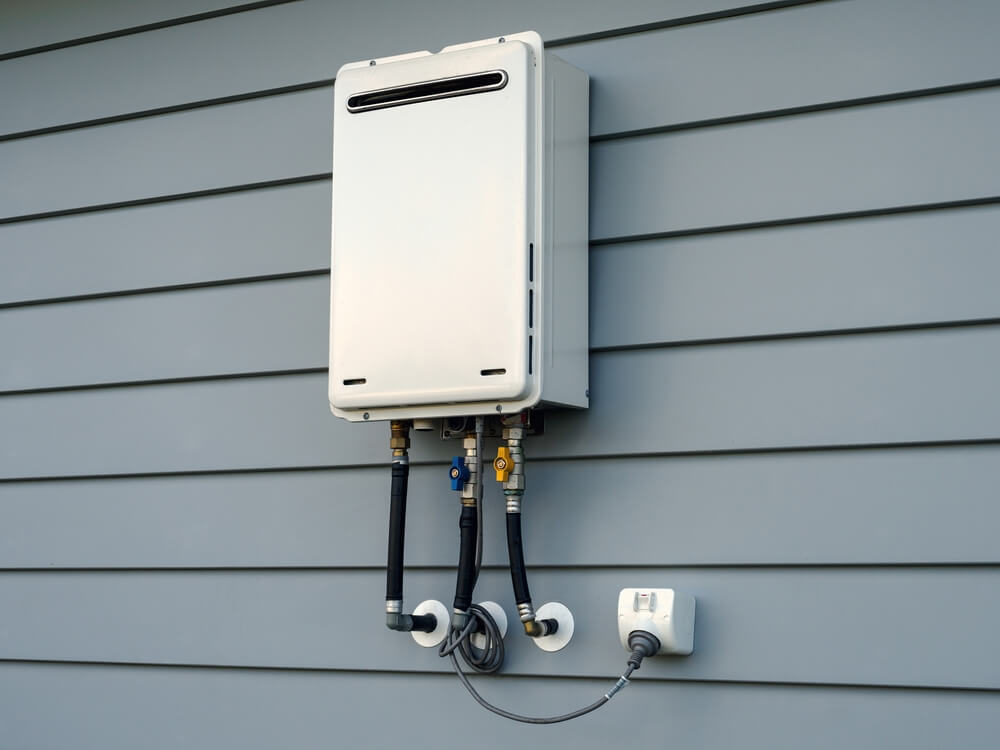
New homes give tankless water heaters their best opportunity. That way builders can design in advance for the appropriate gas lines, larger electrical panels, and wall space. You don’t have to work around ancient plumbing, which saves hassle.
Tankless units require a 120V outlet for controls, and gas ones require lines capable of supplying 200,000 BTU. That typically implies additional labor with wiring and plumbing, but these can be configured as the rest of the house is being constructed.
With tankless heaters, we’re seeing a real advantage in space and energy efficiency. No big tank means more space, and new home construction tends to incorporate these units to assist with its green-building agenda. Local ordinances generally mandate permits and inspections on the installation.
New construction can satisfy these codes with little difficulty. They can size the units based on the number of bathrooms and hot water demand, which really helps efficiency too. Certain areas have very tight regulations, but the majority of building codes will permit tankless alternatives now when installed by licensed professionals.
Retrofit
It’s not easy to switch out an old tank water heater for a tankless one. Retrofitting can require new plumbing or upgraded gas lines and even an all new electric panel at times. Most older homes aren’t wired to provide the higher power draw of tankless units, particularly electric ones.
A full panel upgrade, if necessary, can easily cost $2,000 to $4,000. Gas line upgrades for a tankless system may add another $500 to $1,500. Beyond the hardware, most venues need permits. Having these can make things longer and more expensive since additional inspections might be required.
The work itself can be a full day or more, versus the couple of hours for a tank heater swap. Labor fees and wall or floor alterations can drive up installation prices for tankless units too, with total install price for tankless units being $3,500 to $6,500, well over the cost of a standard tank install.
Some older homes have plumbing that makes tankless upgrades difficult or even impossible without significant modifications. Well, the headline attraction remains long term savings and less energy. Tankless units consume less energy over time, and many consider the trade worthwhile if they intend to be long-term homeowners.
Yearly maintenance is required to prevent mineral build-up, which runs approximately $150 to $200, but does keep the unit operating well.
Lifespan & Durability
The lifespan of a water heater defines the frequency with which you need to purchase a new one, the return on investment you receive over the long term, and your maintenance burden. Tankless and traditional water heaters function differently, and those design decisions affect their lifespan and their requirements of you.
Tankless water heaters utilizing on-demand heating function just when you require warm water. This configuration reduces persistent pressure on the inner components. The typical tankless model can be good for 20 years or longer with proper maintenance. A few can even hold up for 25 to 30 years if you maintain regular maintenance and live in an area with soft water.
Classic tank-types heat and hold water all day, whether you’re using it or not. This 24-hour labor results in increased wear on the tank and its heating elements. Standard tank water heaters typically have an 8 to 12 year lifespan. Once the tank rusts or sediments build up, leaks or heating problems tend to come next.
Hard water adds additional burden to both. Tankless heaters require more regular descaling in these areas to keep them functioning optimally. Miss this and their lifespan can plummet. Tank systems battle sediment buildup, which can clog the tank or damage the heating element and reduce their lifespan by years.
Proper maintenance goes a long way toward increasing the lifespan of your heater. For tankless systems, yearly descaling and flushing eliminates mineral deposits and keeps components humming. This is easy in some areas but can be challenging in areas with extremely hard water.
Tank systems require their own annual flush to remove sediment. A few brands say to check the anode rod that halts rust inside the tank. If you’re diligent with these steps, both heaters can reach the upper end of their lifespan. The tankless models tend to reward this maintenance with fewer major repairs in the long run.
Consumer reports exhibit a definite divide in longevity. Tankless water heaters have a much longer life span than tank models, with many users saying theirs have lasted decades, particularly if they implement a reliable maintenance schedule.
Some owners have tales of tankless units chugging away for two decades plus with no major malfunctions. Tank owners will be dealing with leaks or heating power drops shortly after their system reaches the ten-year age. Along with additional repairs and the headache of replacing the tank earlier than anticipated, they too report.
Both can chug along if you stay on top of maintenance, but tankless units typically require fewer repairs and provide more time before replacement.
Performance Under Pressure
Tankless and traditional water heaters approach high demand and consumer needs differently. Their effectiveness is based on multiple factors such as flow rate, the size of the household, and periods of peak demand. Each of the two types has its own strengths and trade-offs, which affect how much money they can save in practical usage.
Household Size
How many people live in a home dictates which system works best. Tankless water heaters, as the name implies, provide an on-demand supply and they do it very nicely for small to medium size families. These systems are capable of providing 2 to 5 gallons (roughly 7.5 to 19 liters) of hot water per minute, sufficient for one or two individuals simultaneously.
For bigger families, it’s in even higher demand. Putting a couple of showers, dishwashers, or washing machines on at once can strain tankless systems to the edge. Certain premium models provide 4 to 7 gallons (roughly 15 to 26.5 liters) per minute. However, if all outlets operate simultaneously, water temperature or flow can decrease.
A conventional water heater accumulates a fixed quantity of hot water, typically 150 to 300 liters (40 to 80 gallons) per tank. This reserve is depleted if multiple people use hot water simultaneously, requiring a waiting period while the tank rewarms. Big families might favor these for their capability to send a burst of hot water for consecutive showers.
Tankless units, if sized and installed properly, can serve large homes by utilizing more than one unit or a higher flow rate unit. Tankless heaters can be more efficient for smaller homes or those with moderate use, conserving as much as 30 percent of costs. For bigger homes, upfront installation can be pricier, particularly if enhancements or multiple units are required.
Water Usage
How much hot water a home consumes each day dictates the correct selection. Tankless heaters really shine when usage is dispersed, as opposed to clustered. They heat water on demand, so there is no standby energy loss like tanks. This translates to less energy waste for those households with erratic or minimal daily consumption.
If a family’s schedule results in a lot of people using hot water at the same time, both systems have their limitations. Tankless flow rates can limit simultaneous use and tanks can run out and require time to refill. Time of day represents peak demand times, like mornings or evenings.
Old fashioned heaters provide fixed reserve, but they can run empty and leave you waiting. Tankless heaters keep the hot water coming, but can only facilitate so much flow at a time. For instance, a model with a 5 GPM (roughly 19 liters/min) flow rate could have a hard time with three showers and a dishwasher going simultaneously.
Energy consumption and expenses increase if demand exceeds supply and a fallback solution is necessary. Both systems need maintenance. Neglect or improper sizing burns extra energy and increases your bills. Tankless units, if oversized or not well maintained, can lose some of their efficiency, eliminating any cost benefits.
The Hidden Variable
Water heaters aren’t about technology or price. What we often miss is how actual usage, surprise energy costs, and daily habits all define ownership cost. To be clever, it helps to see how these hidden variables transform the cash you save or spend.
User Habits
How people consume hot water is the crux. Little decisions, such as keeping showers short or only running full laundry loads, reduce your consumption regardless of your heater type. Tankless heaters only heat water when needed, so if you space out your hot water use, you maximize the benefit.
If you run multiple taps simultaneously or use a lot of hot water in a short amount of time, a tankless unit can lose some of its efficiency. What most people don’t know is that simply knowing when and how to apply hot water can make a big difference.
For a family that uses around 325 litres (86 gallons) of hot water daily, a tankless system is only 14% more efficient than a tank model. Teaching homeowners, renters, and families best practices such as spreading out water use or using low-flow fixtures can result in actual savings in the long run.
Maintenance is yet another place where habits matter. Hard water is hard on both tank and tankless heaters, but tankless units require periodic descaling. Here’s the hidden variable: descaling every 6 to 12 months keeps tankless heaters humming along nicely and lasting longer, as long as 15 to 20 years if maintained and paired with water softeners.
Neglect, such as not performing regular maintenance or ensuring water quality, can reduce the lifespan of any heater and increase costs.
Energy Volatility
Energy prices don’t stand still. No matter if it’s electric, natural gas, or propane, rates take market movements. Energy price spikes directly hit the cost to operate both tank and tankless heaters, but might not impact them equally.
Tankless heaters naturally utilize energy solely when hot water is required. Because of this ‘on-demand’ style, users aren’t footing the bill to keep water warm all day, which protects against price volatility.
Over the long term, homes that experience steep energy swings could save more with tankless units, particularly if local gas or electricity rates increase. Tankless units come with a greater initial expense, frequently ranging from $1,000 to $2,000 for a gas or propane unit.
Managing energy use helps, too: using hot water during off-peak hours, adding smart controls, or lowering water temperature can all help keep bills in check. Local conditions are important.
If the inflow water is cold or mineral-laden, both heater varieties labor and consume extra energy, increasing operating expenses. A close examination of water quality, climate, and even household occupancy is required to truly estimate the savings of one system over the other in the long term.
Environmental Ledger
Environmental ledger accounts make it easier to track and manage important issues such as energy usage and greenhouse gas emissions. These stories make it easier to view the environmental cost of tankless and traditional water heaters beyond the bills. The real effect extends beyond the monthly savings and it influences the way homes consume energy and how much they contribute back to the earth.
| Factor | Tankless Water Heater | Traditional Water Heater |
|---|---|---|
| Energy Efficiency | Up to 22% higher than gas-powered tanks | Lower; often wastes energy keeping water hot |
| Lifespan | 20–30 years | 10–12 years |
| Greenhouse Gas Emissions | Lower due to on-demand heating, less standby loss | Higher from constant heating and standby losses |
| Sustainability | Fewer replacements, less waste, better use of resources | More frequent replacements, more landfill waste |
| Energy Use per Point | Up to 50% less with point-of-use setups | Higher, especially with long pipe runs |
| Heat Pump Model Option | Up to 4 times more efficient than standard electric | Not available in standard tank models |
Energy efficiency is the environmental ledger. Tankless units heat water on demand. You don’t have to keep a big tank of water hot all day. This reduces the amount of energy wasted, thereby reducing power consumption and greenhouse gas emissions.
For instance, a study found tankless water heaters were 22% more efficient than gas tank models. If you place tankless units at each point of use, such as the shower, sink, and others, you can reduce energy consumption by up to 50%. Heat pump water heaters take it a step further by using up to 70% less energy and being up to four times more efficient than typical electric tanks.

How long a water heater lasts matters, too, from an environmental perspective. Tankless models run 20 to 30 years, and an average tank is good for 10 to 12 years. This translates to fewer replacements, less waste, and less strain on landfills.
Over time, a longer-lasting system can lead to fewer resources used in producing, transporting, and installing new heaters. Considering sustainability, tankless systems are ahead of the pack. They need to be replaced less, and their great efficiency helps families use energy more thoughtfully.
Some think that it’s good that we have better efficiency standards for all appliances, including water heaters, because it helps us all by reducing waste and using resources more intelligently. Opting for an energy-efficient water heater, particularly tankless or heat pump versions, pays off in the long run.
These choices cut energy bills and emissions and help create a cleaner environment. The benefits compound each year the system remains in use, making it a wise investment for the environment and your pocketbook.
Conclusion
To choose between tankless vs traditional water heaters, consider what’s most important to you. Tankless heaters are more energy efficient and have a longer life, but they have a higher initial price. Old-fashioned tanks are cheaper to install but more expensive to operate over time. For small homes or people who don’t use much hot water, tankless can save more. Big families with aggressive usage might see old tanks keep pace better. Every home is unique. To maximize your investment, examine your hot water habits, your budget and your long-term desires. Contact a local pro to find out what suits your space best. Begin your savings plan today.
Frequently Asked Questions
Which water heater type saves more money in the long run?
Tankless water heaters tend to save more. They consume less power because they warm water on demand, minimizing waste.
Are tankless water heaters more expensive to install?
Indeed, tankless water heaters are generally more expensive to install. They may need electrical or plumbing upgrades, adding to upfront costs.
How long do tankless and traditional water heaters last?
Tankless water heaters have a lifespan of around 20 years or beyond. Conventional tank models usually survive 10 to 15 years, based on upkeep and use.
Do tankless water heaters provide hot water instantly?
Tankless heaters provide hot water on demand, but there is a minor lag. Traditional tanks hold hot water, so service is generally instant.
Can traditional water heaters handle high water demand better?
Conventional tanks can deliver considerable quantities of hot water at a time, but may run dry. Tankless systems provide an endless supply of hot water, but can sometimes falter when handling multiple applications at the same time.
Which water heater is more eco-friendly?
Tankless water heaters are greener. They’re more energy-efficient and have low emissions, helping to reduce your footprint.
Are there hidden costs with tankless water heaters?
Hidden costs can be installation upgrades, maintenance, or water softening. These can contribute to the overall price down the road.