

Key Takeaways
- Here are your safety priorities: steer clear of electrical hazards and light your way with flashlights, not candles.
- Determine the extent of the outage. Check your home’s circuit breakers and see if other nearby homes are affected.
- Call it in to your utility and keep tabs on their progress via trustworthy sources.
- As soon as the blackout begins, unplug any sensitive and non-essential electronics, so they are protected from power surges when the power returns.
- First, collect supplies like bottled water, non-perishable foods, and an emergency kit to cover your immediate needs.
- Refrigerator and freezer – Keep doors closed to save food and adhere to food safety guidelines.
Having a plan for a power outage before the electrician arrives keeps everyone safe and less stressed. Unplugging devices, checking flashlights or candles, and keeping food cold are easy actions to protect against damage or loss.
Catching unusual smells or sounds can aid in detecting larger issues early. These initial moves can keep things stable and calm while you wait for the expert. The following sections detail each step a bit more.
During a power outage, it’s important to stay calm and make smart choices. Start by making sure everyone is safe, figure out the size of the problem, and take steps to lessen risks until the electrician or utility team arrives. Each step helps protect people and property and keeps your home ready for when the power comes back.
1. Prioritize Safety
Keep away from downed power lines. They’re deadly and can maim. If you encounter one, stand back, prevent others from approaching, and immediately call emergency services to report the location.
Don’t use candles or open flames. Fire hazard increases during outages, so stay with battery-powered flashlights for illumination. Establish a family safety zone. This might be a shared lounge, removed from windows and electrical equipment.
Keep children and pets close and away from any potential danger. Stay away from outlets, cords, and water near electrical sources. Always check for burning smells or sparks. Those are your cues to get out of there and get assistance pronto.
2. Assess Scope
Turn around and observe if your neighbors’ homes are dark as well. If the outage is just in your house, look at your breaker panel for tripped breakers or blown fuses. Check for flickering lights or bizarre sounds from outlets.
Examine cords and plugs for external damage if a device won’t turn on. Keep one light on so you will be in the know when the power comes back on. If the outage is general, then it’s the utility company. Understanding the range lets you determine if you should wait or ask for assistance elsewhere.
3. Report Outage
Give your utility a ring on their outage line. Be explicit about what you observe, such as sparks, smells, and how long you’ve been without power. If there’s a downed line, call emergency services right away.
Stay tuned to your phone for updates. Patience is important because repair can take a while, and more calls might not help.
4. Unplug Electronics
Unplug the non-essentials to protect them from surges. Sensitive electronics, such as computers and TVs, ought to be unplugged as well. Switch off large appliances, such as refrigerators and air conditioners, to assist the system once power returns.
Just jot down a quick list of what you’ve disconnected. When power returns, wait a few minutes before plugging things back in so you don’t overload circuits.
5. Secure Supplies
Collect flashlights, extra batteries, and your emergency kit. Stock up on bottled water and have non-perishable food. Grab blankets or a fireplace if it’s chilly and the power is going to be out for a while.
Use a battery-powered radio for updates and alerts.
Circuit Breaker Check
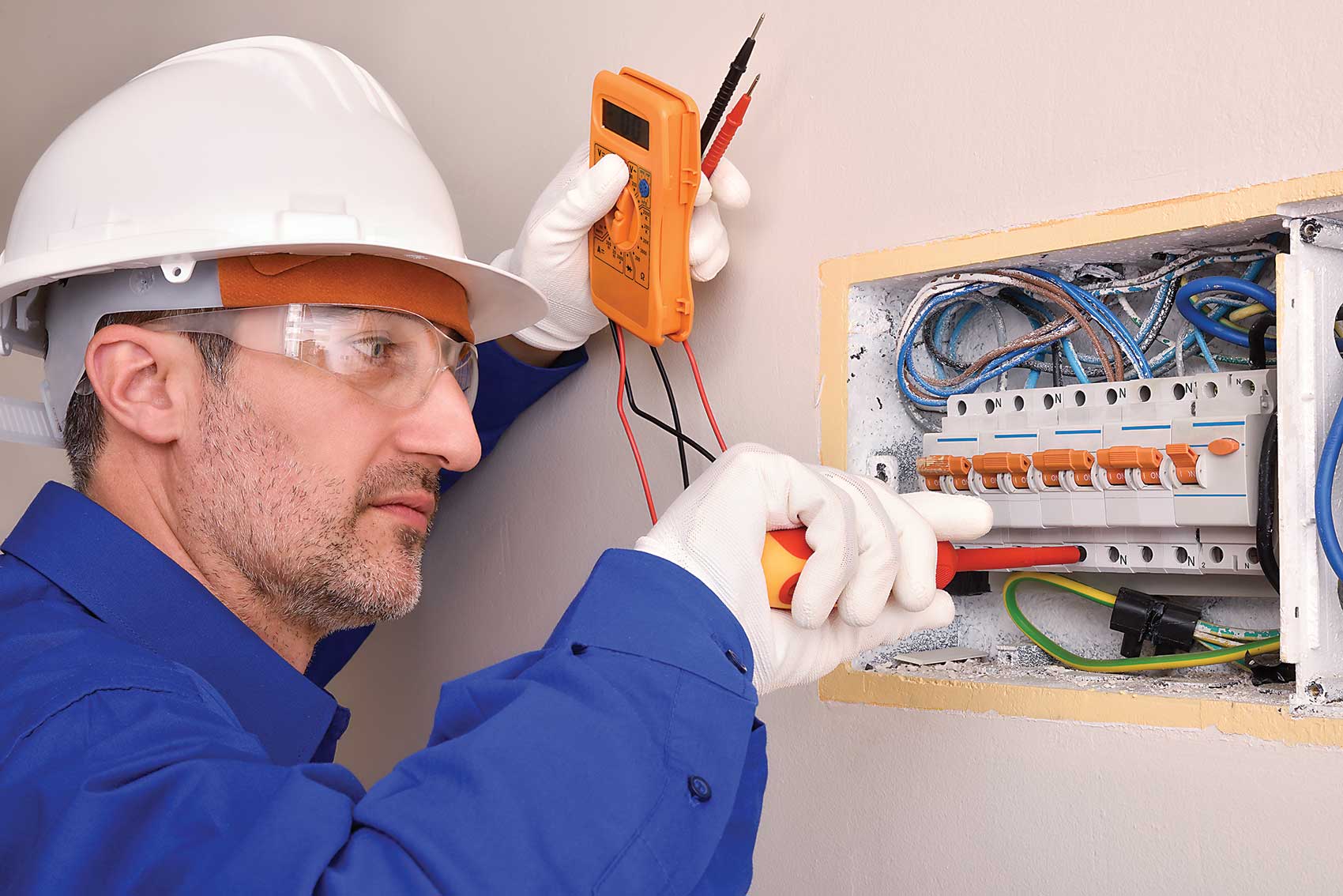
Circuit breaker check A main step post-power outage is making sure your space is safe before the electrician comes. It allows you to catch easy solutions, minimize the potential for additional damage, and prevent more significant problems from arising. When the power fails, it’s clever to check your breaker panel immediately to determine if a tripped breaker or blown fuse is at fault.
In residences and offices, the breaker panel is typically in a hallway, closet, garage, or basement. Each switch in the panel controls a part of the building’s wiring, and when a breaker trips, it will frequently present as a switch in the ‘off’ or middle position. Certain panels use fuses that blow and must be replaced. If you spot a breaker out of line or a fuse that appears burnt or broken, mark it down before you do anything else.
There’s nothing easier than resetting a tripped breaker, but it needs to be done cautiously. First, dry your hands and stand on a dry surface. Switch the tripped switch all the way over to the ‘off’ side, then back to ‘on.’ If the breaker trips again immediately, leave it off and don’t attempt to reset it more than once.
This could signify a more serious issue such as damaged wiring, overloading, or a ground fault. New breakers typically include a mechanism to detect faults and cut power to prevent shocks or fires. If you see sparks, smell burnt plastic, or hear buzzing, do not touch anything else and wait for a licensed electrician.
Breaker check matters. If the same breaker trips over and over, take note of the dates, times, and what was in operation when it occurred. This aids the electrician in identifying patterns and troubleshooting the source more quickly. Constant trips can indicate problems such as aged wiring, an overload of appliances on a single circuit, or loose panel connections.
These issues can pose an increased fire or shock hazard. Even if you fix the breaker for the moment, it’s clever to have a licensed electrician check the system. A routine check, at least once a year or when you detect signs such as flickering lights or strange odors, can catch lurking dangers before they escalate.
Circuit Breaker Check. Always wait a couple of minutes after power returns before switching on appliances or lights, which prevents a power surge from causing the breaker to trip again.
Food Preservation
Power outages threaten food spoilage, which can result in waste and potential health hazards. During a power outage, you want to keep your food cold and safe until the power returns or the electrician arrives. Keeping your fridge and freezer doors shut is the obvious first step.
With each opening of the door, a rush of cold air flies out and warm air flies in. This makes the inside temperature climb more quickly. Most refrigerators will preserve food for four hours if unopened. Freezers, if full, may keep the cold for up to 48 hours. If half full, they last around 24 hours. Don’t open frequently or shuffle. Know what you need before you open, then shut the door as soon as possible.
Ice packs or dry ice are good to have on hand for when it goes beyond a few hours. Ice packs can be slid from the freezer to the fridge or onto food. Dry ice works better, but it must be handled with care. Wrap it in paper or lay it on top of food, not touching it.
Dry ice can preserve food for much longer, but ensure the room is well-ventilated. Block ice generally lasts longer than cubes. There may be ice at stores, gas stations, or markets in certain parts. If you have insulated coolers, load them up with ice and move the most perishable items, like dairy, meat, or seafood, for an extra measure.
Verify the temperature of your fridge and freezer if you have a thermometer. Perishable food should never go above 4°C (40°F). Any food sitting above this line longer than two hours is no longer safe to consume. It’s a worldwide norm and a safeguard against food poisoning. When in doubt, it’s better to scrap it than be sick.
Items such as milk, eggs, cooked leftovers, fish, and cut fruit spoil the quickest. Below is a quick guide on which foods are safe to keep and which to throw away after a power outage:
| Food Item | Safe Below 4°C (40°F) | Discard If Above 4°C (40°F) for 2+ Hours |
|---|---|---|
| Fresh meat, poultry, fish | Yes | Yes |
| Dairy (milk, cheese) | Yes | Yes |
| Eggs | Yes | Yes |
| Cooked leftovers | Yes | Yes |
| Hard cheeses | Yes | No |
| Fresh fruits, vegetables | Yes | No (unless cut) |
| Condiments (ketchup, etc) | Yes | No |
Safe Illumination
Safe and clear lighting is crucial during a power outage to avoid trips, falls, or accidents. Flashlights and battery powered LED lanterns are your best bet indoors. These lights emit a consistent beam and are not hot, so they’re safer around children or animals.
LED lanterns illuminate an entire room, which makes reading, cooking, or simply getting around a lot easier. Flashlights, extra batteries, and even a hand-cranked torch in case you run out should be a staple in a well-stocked emergency kit. Certain hand-crank radios feature integrated lights as well, which are great for both news and illumination.
It’s clever to store these supplies in a designated location so they are easy to locate when the power drops. By testing batteries every few months, you ensure your lights are prepared when needed.
Candles and kerosene lamps are a staple in some households, but they aren’t safe for outages. Candles fall down and set the house on fire. Kerosene lamps emit unsafe fumes in enclosed spaces.
In numerous locations, fire departments recommend not using candles at all during blackouts. Even a mini candle can ignite a massive inferno if knocked over by a pet, a toddler, or even a breeze. Candle fires are a main cause of house fires in power outages.
Carbon monoxide from burning fuels inside is dangerous and can accumulate quickly, so it’s best to steer clear of these alternatives.
For sidewalks or walkways, solar powered lights work great and charge up during the day. These lights illuminate at dusk and assist you in spotting steps, walkways, or driveways when you are transitioning outside. They aren’t pulling power from the grid, so they work even during long outages.
Setting a few by doors and walkways ensures they are safe and easy to locate. In an outage, have one lamp or small appliance plugged in. That way, you find out immediately when the power is restored, and you don’t have to try every switch.
Safe Illumination – Always use lights with covers to avoid glare and dropping them. Safe Illumination – Periodically inspect your lighting inventory to make certain all components operate when you need them most.
Generator Protocol
When the power goes out, some folks fire up a generator to maintain their refrigerator and a few other essentials. A generator can keep lights on, food cold, or medical equipment running. To operate a generator correctly, begin by reviewing its manual. Each model has its own protocols, so do this to be safe and avoid wreckage.
Place your generator outdoors, a minimum of 6 meters (20 feet) from homes, windows, doors and garages. That keeps lethal carbon monoxide gas outside of your home. Even there, wind can blow fumes inside through vents or open windows, so keep a functioning carbon monoxide detector close.
Never operate a generator, camp stove or charcoal grill in a home, garage or shed. All these appliances emit fumes that are poisonous or fatal if they accumulate inside a home.
Select a flat, open area with no coverage or clutter for your generator. Good ventilation is crucial. If it rains, cover it with a tent or canopy designed for outdoor machines but never bring the generator inside your house or under a closed roof.
Keep it stable on dry terrain and verify the exhaust directs away from every door and window. Prior to plugging things in, total the watts your equipment or appliances require. Most fridges, freezers, fans, and simple lights are fine, but some things such as heaters or large AC units require more power.
Exceeding what your generator can manage can fry appliances or spark a blaze. Just plug in what you need. Keep any additional fuel in a safe location outside your house. Use jerrycans and diesel cans and store it away from fire, open flame, or sparks.
To prevent burns or fire, allow the generator to cool before refueling. Never smoke or light matches near fuel.
Keep a list of these basic rules:
| Protocol | Description |
|---|---|
| Place generator outdoors | Always set up in open air, at least 6 meters (20 feet) from any building |
| Use carbon monoxide detector | Place working detector near home or area where fumes could enter |
| Store fuel safely | Use proper containers, keep outside and away from heat or flames |
| Never use indoors | No use in homes, garages, basements, or sheds |
| Check ventilation | Make sure area is free of clutter and has good airflow |
| Know power limits | Add up appliance watts; do not exceed generator’s rated capacity |
The Waiting Game
Power outages provide little to no notice and waiting for an electrician can try the patience of even the most saintly. The hours in between can feel long, but there are things to do that not only help pass the time, but will keep your household safe and prepared. Safety first, always, in these electrical emergencies. A little calm and a little knowing what to do next can go a long way in making the wait.
Check outage updates with your utility. For the most part, power providers have websites, mobile apps or social media channels posting outage maps and estimated restoration times. Few provide SMS alerts or hotlines for live updates. If you’ve got online connectivity via mobile coverage, tune in. This assists you in meal planning, scheduling, and anticipating when the service will come back on.

If the outage is associated with severe weather or an emergency, updates can provide important safety tips or cautions about continuing dangers.
Going inside and keeping the spirits up matters, too. Indoor activities will take your mind off the inconvenience and help everyone feel a little more normal. Board games, cards, stories, or easy crafts are good choices. For families, book reading or quiet gameplay can alleviate anxiety.
If it’s bright outside, expose your child to natural light by reading or drawing. If you have a battery-powered speaker, easy music is comforting. This is a perfect time to check in on neighbors, particularly those who may require additional assistance.
You know, it’d be smart to watch the weather. Storms, floods, and high winds can delay repair crews and introduce new hazards. If your phone battery is low, use a battery-powered or hand-crank radio to get news. If something outside shifts like a flood or a tree falling, stay away from the windows and don’t go outside.
This is particularly crucial in regions with recurrent harsh weather or if you’re aware the outage was storm related. Wait until the lights come back on. Unplug appliances and electronics to protect them from surges that accompany power restoration.
Come on, leave one light on for when the power comes back on! If you observe odd odors, sparks, or scorched outlets, do not use them when the power comes on. Check cords, plugs, and outlets for obvious damage. If you find any, don’t plug devices back in.
Turn off the main breaker for the entire home if you suspect electrical damage or flooding. In the unlikely case of fire or injury, call emergency services immediately.
Conclusion
Power outages screw up the day. Having definitive steps helps keep things safe and cool. If you lose electricity, check your circuit breaker first. Light up safe lights and keep food cold by leaving the fridge closed until the electrician arrives. Operate a generator outdoors, away from open windows. Sit tight and wait for news or assistance. Avoid dangerous stunts such as contacting wires or attempting to repair major issues by yourself. These actions reduce anxiety and maintain safety in the home until an expert arrives. For additional pointers or checklists, contact local energy offices or community centers. Be prepared, have some essentials on hand, and remember that assistance is just a call away.
Frequently Asked Questions
What should I do first during a power outage?
Calm down and verify if it’s your own home. Check out the neighbors and see if they have power. Unplug or turn off electricals to avoid surges when the power comes back on.
How do I safely check my circuit breaker?
Make sure all appliances are turned off. Open your circuit breaker panel and check for any tripped switches. Flip any tripped breakers off and then back on again.
How can I keep food safe during a power outage?
Minimize opening refrigerator and freezer doors. For reference, food will remain cold for approximately 4 hours in the refrigerator and 48 hours in a fully stocked freezer.
What are safe ways to light my home during an outage?
Pull out some battery-powered lamps or flashlights. Steer clear of candles because they catch fires. Set them in central locations.
Should I use a generator during a power outage?
Operate generators outside and away from doors and windows. Follow manufacturer instructions and never connect a generator directly to your home’s wiring.
How do I stay comfortable while waiting for an electrician?
Dress for the weather. Prepare essentials such as water, snacks, and a phone. Close the door and hang out in one room to keep in the warm or cool air.
Is it safe to use electronics during a power outage?
Stay off electronics until power is restored and stable. Surges are the enemy of your devices. Let an electrician or utility company confirm before turning sensitive equipment back on.