

Key Takeaways
- So this is how you reduce risk and keep healthy: have a winter outage plan and an emergency kit with two or more weeks of medications, warm clothing, bottled water, non-perishable foods, batteries, backup power options, and so on.
- Weatherstrip everything, insulate the pipes, check the HVAC and backup heater, and do a quick outdoor hazards sweep to fortify your home and stay safe while keeping indoor temperatures safer for longer when winter takes the power out.
- Have a plan for communication with meeting spots, important contacts, charged devices, and a check-in schedule so households and neighbors can coordinate support and report hazards quickly.
- First, check for safety hazards, report outages to utilities and insurers, conserve food and power, and insulate a single room of your house to concentrate warmth.
- Prioritize safe heating and ventilation practices, carbon monoxide detection, and special support for vulnerable people. Do not use grills or generators indoors to prevent poisoning and fires.
- Keep spirits and neighbors up, change duty, exercise survival skills, and record takeaways for next time.
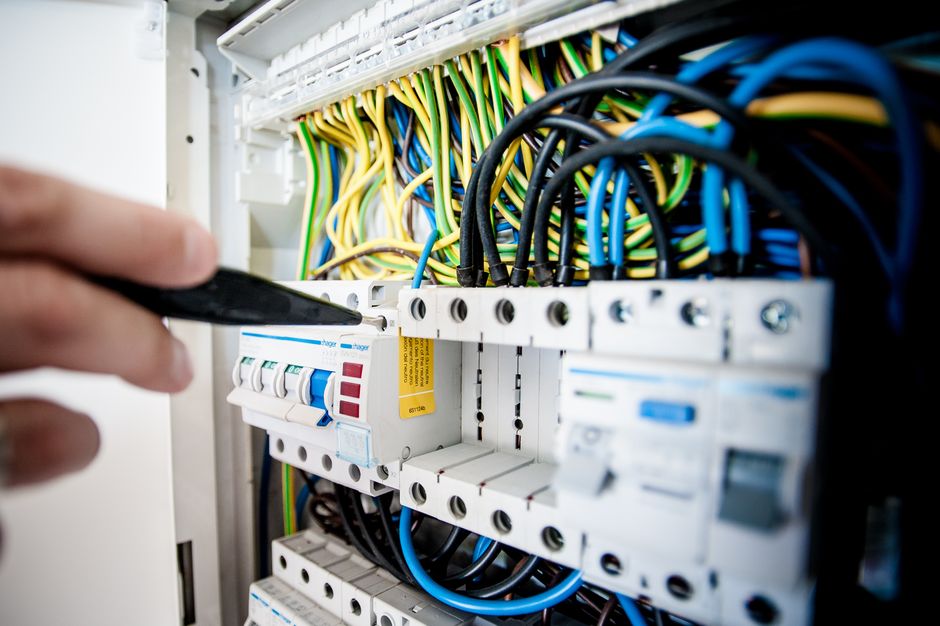
Winter Power Outage Safety and Warmth First. If power is off, check breakers and report the outage to your utility.
Seal drafts, layer up, and use blankets. Keep refrigerator doors shut and transfer perishables to an insulated cooler with ice if the outage persists.
Utilize battery-powered lights and keep a charged phone handy for news. For long outages, consider a safe generator or a community warming center.
Proactive Preparation
Prepare for a strategy that suits your household, local weather and probable storms. Map out the rooms you can keep warm, special needs people, and neighborly safe shelters. Mark where shut-off valves and gas lines are.
Assign roles: who checks on older adults, who gathers supplies, and who manages heating equipment. Keep printed versions of the plan accessible and save a digital copy on a phone or cloud account.
Emergency Kit
- Water: Store at least 4 liters per person per day for three days. Store more if temperatures will be low or if you have pets.
- Food: Non-perishable items that require no cooking, a manual can opener, and ready-to-eat meals sufficient for two weeks.
- Warm clothing includes thermal layers, heavy socks, sweaters, cardigans, and blankets for each person. Choose mittens rather than gloves to retain more heat.
- Medications: a two-week supply, including refrigerated medicines kept in insulated coolers with ice packs if power fails.
- Light and power: LED flashlights, headlamps, extra batteries, and a portable power bank or solar charger for phones.
- Heat sources: a safe, approved emergency heating source such as a gas fireplace insert or wood-burning stove, and appropriate fuel stored per local code.
- First aid and care items include a basic kit, a thermometer, warm non-alcoholic drink mixes, and materials to warm the center of the body in hypothermia cases.
- Tools and repair: multi-tool, duct tape, rope, and supplies to shut off utilities if needed.
- Communication: battery or crank radio, printed contact list, copies of IDs and insurance information.
- Sanitation: wet wipes, garbage bags, and portable toilet supplies.
Home Fortification
Apply weatherstripping and draft-stoppers to doors and windows to minimize heat loss and reduce ice on sills. Proactively prepare: Insulate exposed pipes with foam sleeves and heat tape to prevent freezing and expensive ruptures, and be sure you know where the main water shut-off valve is.
Make sure to service your HVAC and check backup heating systems before winter hits, such as testing a gas fireplace or wood stove and storing fuel properly and safely. Tie down or bring inside outdoor items and cut branches that are near the power lines.
Keep a distance of at least 8 meters from downed lines and never approach.
Communication Plan
Having a specific meeting location and running through the outage plan together with everyone in the home ensures that roles are known. Stockpile emergency and utility contacts, community resources, as well as your independent insurance agent to check your coverage for winter-related damage.
Top off devices before storms and have battery backup options on hand. Power banks and solar chargers can keep phones alive for check-ins. Establish a standing check-in schedule with family or neighbors and make welfare checks for at-risk individuals a priority.
Remember to not call 9-1-1 to report a power outage; use utility hotlines instead.
Immediate Actions
Take immediate scene size-up for safety before any other actions. Keep an eye out for downed power lines and stay a minimum of 8 metres (25 feet) away. Check for water pooling, gas odour, or structural damage. Keep track of what rooms and appliances lost power and if the outage is just in your building or the entire neighborhood. That is helpful when you call to report the outage later.
1. Assess
Check inside for gas leaks, water intrusion, or broken supports. If you smell gas, get out immediately and call the gas company from a safe place. Make sure everyone is accounted for, including pets and vulnerable people.
Watch for signs of hypothermia: shivering, slurred speech, or drowsiness. If symptoms do occur, immediately warm the individual by moving them to a warm location, taking off wet clothes, warming the torso before extremities, and providing warm, non-alcoholic liquids when conscious.
Determine what appliances were on at the moment of the outage, such as heaters, freezers, or medical equipment, as certain requirements might adjust your subsequent actions. If it gets dangerously cold indoors and you cannot safely keep people warm, evacuate to a shelter or a friend’s house.
2. Report
Call your electric utility to report it and give downed lines or damage around your house. Check their outage map or phone line if the utility has one. They can estimate restoration time.
Call emergency services for life-threatening situations and do not dial 911 to report the outage. Contact your insurance company as soon as possible if the outage resulted in property damage such as frozen pipes or spoiled food.
Warn local authorities of road hazards such as fallen trees or flooding. Collaborate with neighbors to ensure checks on elderly or medically compromised individuals and share verified information.
3. Conserve
Keep refrigerator and freezer doors closed. A closed, unopened fridge generally keeps food safe for approximately four hours. Throw away perishables left at or above 4°C (40°F) for two hours or more or that smell, look, or feel funny.
Shut down unnecessary appliances to prevent overload when power resumes and unplug fragile electronics to shield them from surges. Install battery-powered lights and assign priority devices for battery or generator power.
If supplies are limited, ration drinking water and bathing with foods.
4. Insulate
Wear loose, lightweight layers to help trap the heat. Shut off unused rooms and drape blankets or towels over windows and doors. Add shades or additional blankets over windows at night to hold in warmth.
Stuff doors with rolled towels and put rugs on exposed floors. Operate critical heating equipment exclusively according to the manufacturer’s instructions and recommended maintenance schedules. A unit maintained on its maintenance plan is more likely to run when required.
5. Illuminate
Use flashlights or battery lanterns rather than candles to reduce fire hazard. Have spare batteries on hand and designate lights to bathrooms, kitchens, and hallways to move safely.
Never operate charcoal grills or open flames inside.
Maintaining Warmth
When the power goes out in winter, holding on to your body heat and preserving the heat you already have is what matters. Select an approach that mixes clothes, room selection, secure heating and activity so you are protected and cozy until the power comes back.
Body Heat
Wear layers: a warm shirt, sweater or cardigan, and heavy socks. Thermal underwear or base layers hold heat near your skin. A tight thermal or wool base combined with a thicker mid layer is ideal. Toss on a hat and gloves inside to reduce heat loss from your head and hands.
As tempting as it is, alcohol might feel warming initially but it actually dilates your blood vessels and makes you lose heat overall, so stay away from it!
Keep warm by staying active in short bursts. It will help circulation. Light exercises, such as walking in place, doing calf raises, or stretching for five to 10 minutes each hour add heat with no sweating. When you rest, huddle together if you can.
Two bodies generate more heat than one. Huddling in a sleeping bag or cocooning under a down comforter and wool blankets focuses that heat. A mummy sleeping bag retains heat well, but make sure to keep sleeping bags off cold floors using foam pads or additional blankets underneath.
Actions to maintain body heat:
- Dress in layers: thermal base, mid-layer, and an outer insulating layer.
- Use hat, gloves, and thick socks even when indoors.
- Move periodically to raise circulation.
- Cuddle up with blankets or sleeping bags and make use of combined body heat.
- Keep sleeping systems elevated with pads or folded blankets off the floor.
- Avoid alcohol as a means to warm up.
Room Selection
Select a small interior room with a minimum of windows as your living and sleeping quarters. Interior rooms are easier to keep warm because they lose less heat and can be sealed more easily from drafts.
Block doorways and windows with heavy blankets or plastic sheeting to trap warm air and tape edges if you have it to minimize drafts. Keep warm by closing off all other rooms and consolidating essentials, bedding, water, and nonperishable food into that room so you don’t leave and let warm air escape.
Arrange a temporary sleeping camp on elevated beds or mattresses. A basement at 7°C will seem very warm compared to –7°C rooms, so select the warmest inner room possible.
Safe Heating
Use only approved indoor heating: a fireplace, wood stove, or portable electric or fuel heater rated for indoor use. Keep all space heaters a minimum of three feet from flammable objects and never leave them unattended.
Please do not use your charcoal grill, camp stove, or gas oven inside because they emit carbon monoxide and it is very dangerous. Maintain chimneys and vents open while using a wood stove or fireplace to avoid smoke buildup and have a battery CO detector in hand when possible.
Food and Water
Food and water safety comes first. With no power, food temperatures fluctuate and contamination is a real concern. Check appliance temperatures, conserve drinking water, and schedule meals that utilize very little water and no refrigeration. Here are some dos and quick hits to help you make safe decisions and extend supplies.
Food Safety
Close refrigerator and freezer doors to trap cold air. An unopened refrigerator will keep food cold for approximately four hours. A full freezer will maintain its temperature for approximately 48 hours. If the freezer is below 0°C (32°F) and you still see ice crystals, you can refreeze. Toss perishables out after 2 hours above 4°C (40°F) or if they smell, color, or texture is off.
Let this table guide your food safety and tossing decisions.
| Item | Safe if power out ≤ 4 hours | Safe if power out 4–48 hours | Action if > 4°C / odd signs |
|---|---|---|---|
| Milk, soft cheese | Yes | No | Discard |
| Raw meat, poultry | Yes | Depends (freezer status) | Discard if thawed and warm |
| Cooked leftovers | Yes | No | Discard if warm >2 hr |
| Frozen dinners | Yes | Yes if ice crystals | Refreeze if still cold |
| Eggs (in shell) | Yes | No | Discard if warm >2 hr |
| Condiments, hard cheese | Yes | Often safe | Inspect, usually OK |
Think perishables first. Start with lunch meats, cheese, and prepared meals that need to be reheated. Stick a thermometer in both your fridge and freezer and track readings every now and then to determine what to keep or chuck.
Water Sources
Store bottled water in a cool dark area and ration according to household needs. Adults should target approximately 2.7 to 3.7 liters daily, which is 11.5 to 15.5 cups, depending on size and activity. Fill bathtubs, sinks, and clean containers in advance of an expected outage for flushing toilets and light cleaning.
Stick to bottled or treated water for drinking and cooking. If you have to use snowmelt, melt it and then boil it for at least 1 minute. Keep an eye on local boil water notices and flood updates. They play a big role in whether tap water is safe.
Meal Prep
Prepare simple meals from shelf-stable items: canned vegetables, canned proteins, nut butters, whole grains, dried fruit, and granola bars. Think up menus that require little or no water and no refrigeration.
When needed, use coolers with ice packs to extend perishable life and shuffle foods between appliances to keep the coldest items frozen the longest. If cooking outdoors, camp stoves or portable grills should be used only outside to prevent carbon monoxide and fire hazards.
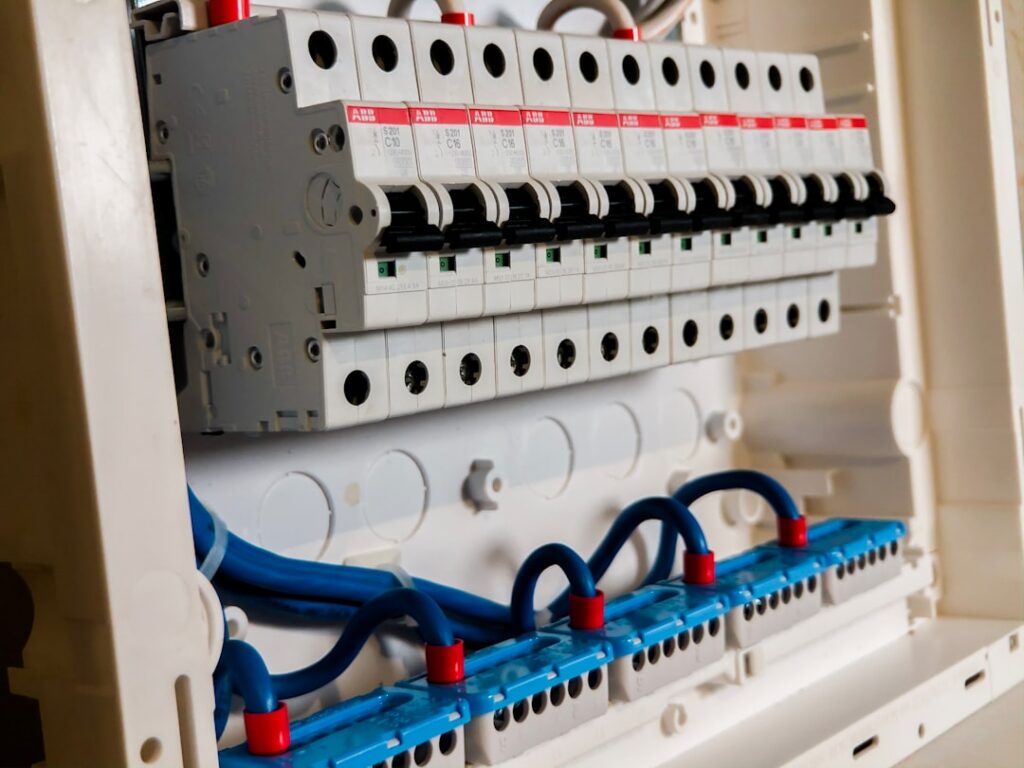
Don’t forget a manual can opener, paper plates, and plastic utensils in your kit!
Health and Safety
Loss of power in winter presents immediate health and safety dangers. Take easy-to-understand, specific actions to safeguard your loved ones, prevent carbon monoxide and fire hazards, and keep vulnerable household members safe. Here’s a checklist and targeted advice on carbon monoxide, ventilation, and caring for vulnerable individuals.
Checklist: Immediate Health and Safety Steps
- Gather everyone into a single room. Close the door and seal any gaps to conserve heat.
- Wear a few layers of loose-fitting, lightweight clothing. Opt for mittens instead of gloves for hands.
- Inspect and stock a first aid kit. Make it reachable.
- Accumulate at a minimum a few days’ worth of crucial drugs. Keep them in a cool, dry place.
- Use a backup heating plan, such as a gas fireplace or wood-burning stove, that vents outdoors.
- Monitor for frostbite and hypothermia signs: slurred speech, disorientation, uncontrollable shivering, stumbling, drowsiness, or body temperature less than or equal to 95°F (35°C).
- Toss perishable foods kept above 40°F (4°C) for more than 2 hours.
- Designate someone to periodically check on vulnerable individuals.
Carbon Monoxide
Put battery-operated carbon monoxide detectors on every level and close to sleeping areas. Test them monthly and replace batteries annually. Never operate generators, charcoal grills, or gas stoves inside or in attached garages because these emit carbon monoxide silently.
Position portable generators a minimum of 20 feet away from doors, windows, and vent openings and direct exhaust away from the home. Know carbon monoxide symptoms: headache, dizziness, and nausea. Act quickly if they appear.
If stuck in a blizzard and you have to run a car for heat, clear the tailpipe and run the engine and heater only 10 minutes every hour to minimize carbon monoxide buildup. Give fresh air when you can.
Ventilation
Crack a window when using a fireplace or wood stove. Even a small opening will supply fresh air and help keep down carbon monoxide without sacrificing heat. Don’t cover vents or exhausts when insulating or sealing off rooms.
Any blocked vents could cause fumes to be pushed back into living areas. Make sure any heating appliances are vented to the outdoors and professionally inspected regularly. Be sure to continually monitor all living areas for smoke or strange fumes and react immediately if you smell them.
Vulnerable People
Assist babies, seniors, and people’s medical devices that require power. Inventory everyone’s medications and supplies, and keep extra safe.
Get those physically vulnerable to a warmer room or outside shelter if the indoor heat becomes hazardous. Organize a family member to visit each vulnerable person at designated times, and maintain mobile phone numbers of emergency contacts.
If you witness anyone exhibiting hypothermia symptoms, get them to a warm, dry environment and change them out of wet clothing. Warm them gradually and obtain medical assistance.
Beyond Survival
Beyond survival, think sustained comfort, defined roles and morale. Maintain at least one room comfortably livable with an emergency heat source like a gas fireplace or wood stove. Wear layers and mittens. Cover your windows with shades, blankets or sheets at night to preserve warmth.
Know when to leave: prioritize staying warm and move to a warm location if hypothermia is a risk. Be very food safety conscious and throw away anything that has been opened or exposed above 4°C for longer than 2 hours. Run generators weekly on a maintenance plan so they work when called upon.
Post updates and adhere to a straightforward written schedule so that all are aware of the imperatives.
Mental Fortitude
Assuming supportive attitudes makes the tension easier. Switch it up so that no one is carrying the burden of meal prep, insulation work, or communications all the time. Small tasks such as boiling water for tea, taking a temperature, or sorting batteries provide tangible victories and consistent meaning.
Participate in low-energy, soul-lifting activities such as board or card games, shared reading, or simple crafts. These keep minds occupied and fears low. Work brief mindfulness or breathing breaks into your routine to control frustration.
Ten minutes of hard breathing or a quick guided meditation can reduce stress and enhance decisions. Maintain routine contact with family and friends via text or battery-backed phones to remain connected and supported. Focus on problem-solving: list issues, prioritize the most urgent, and try one change at a time.
Do not pass up an opportunity to mark small victories. Remember when a food cache remains cold, when a generator catches on the first pull, and when everybody slept like a baby. These victories boost confidence and make longer outages less exhausting.
Community Connection
Look in on neighbors, particularly the elderly or homebound. A brief visit can detect heating or medical requirements ahead of time. Talk about sharing things like water, nonperishable food, or portable power and organizing who has what so supplies go further.
Sign up for or follow community updates from local agencies. These briefings include warming centers, road clearances and power restoration timelines. Offer practical help where safe: clear snow from shared paths, move a tarp over a damaged roof, or guide emergency crews to blocked access.
Mutual aid alleviates personal burden and accelerates recuperation.
Skill Building
Educate everyone in the household on the safe use of a generator, including fuel storage and ventilation, and how to turn off the main valve for gas or water. Go over some rudimentary first aid and emergency response skills every so often, as brief refreshers aid memory.
Make yourself a winter outage tips checklist that includes warmth priorities, food safety rules, and contact lists, and check it each season. After an outage, document lessons learned, such as what worked, what failed, and what to buy or change next.
Conclusion
Winter’s power loss stress and the beautiful, precise paths through it. Think ahead with fully charged batteries, a basic kit of water, nonperishables, warm layers and a battery-powered radio. Act fast: shut off breakers if needed, seal drafts, and move to a small, insulated room. If you use a propane heater, do so only with fresh air and a carbon monoxide alarm. Prepare meals on a camp stove outside or resort to cold cuts inside. Check on neighbors, particularly the elderly and kids. Maintain phones charged in rotation and reserve power for calls and alerts. Small choices matter: dress in layers, eat warm meals, and stay hydrated. Prepared equipment and cool action reduce risk and assist all in getting through the outage. Take one step now: gather your winter kit.
Frequently Asked Questions
What should I do first when the power goes out in winter?
Turn off major appliances to prevent surges. Look at your fuse box and notify your utility company. Stay calm and get into a warm room with blankets and emergency supplies.
How long can food stay safe in a refrigerator during a blackout?
As a general rule, a full refrigerator will keep your food safe for around 24 hours and a full freezer around 48 hours if not opened. Coolers with ice will help save things for a longer period.
How can I safely heat my home without power?
Generator or battery-powered heater outside, ventilate well. Use only approved indoor heating devices and keep space heaters away from flammable things. Never use a BBQ or gas stove to heat your home.
What emergency supplies should I have on hand for winter outages?
Have blankets, warm clothing, flashlights, batteries, a battery powered radio, a first-aid kit, nonperishable food, and water, which is three liters per person per day, as well as a phone power bank.
How do I prevent frozen pipes during a prolonged outage?
Maintain indoor temperatures above freezing, run faucets lightly, keep cabinet doors open to warm plumbing, and wrap exposed pipes. In case of frozen pipes, thaw them with warm air.
When should I leave my home during a winter power outage?
Evacuate if heat is out for a long time, you have fragile lives in there, or it is unsafe. Head to a shelter, friend, or hotel with heat and facilities.
Are generators safe to use during winter power outages?
Generators are great and have to be positioned outside, away from windows and vents to avoid carbon monoxide poisoning. Adhere to manufacturer instructions and fuel storage safety.