
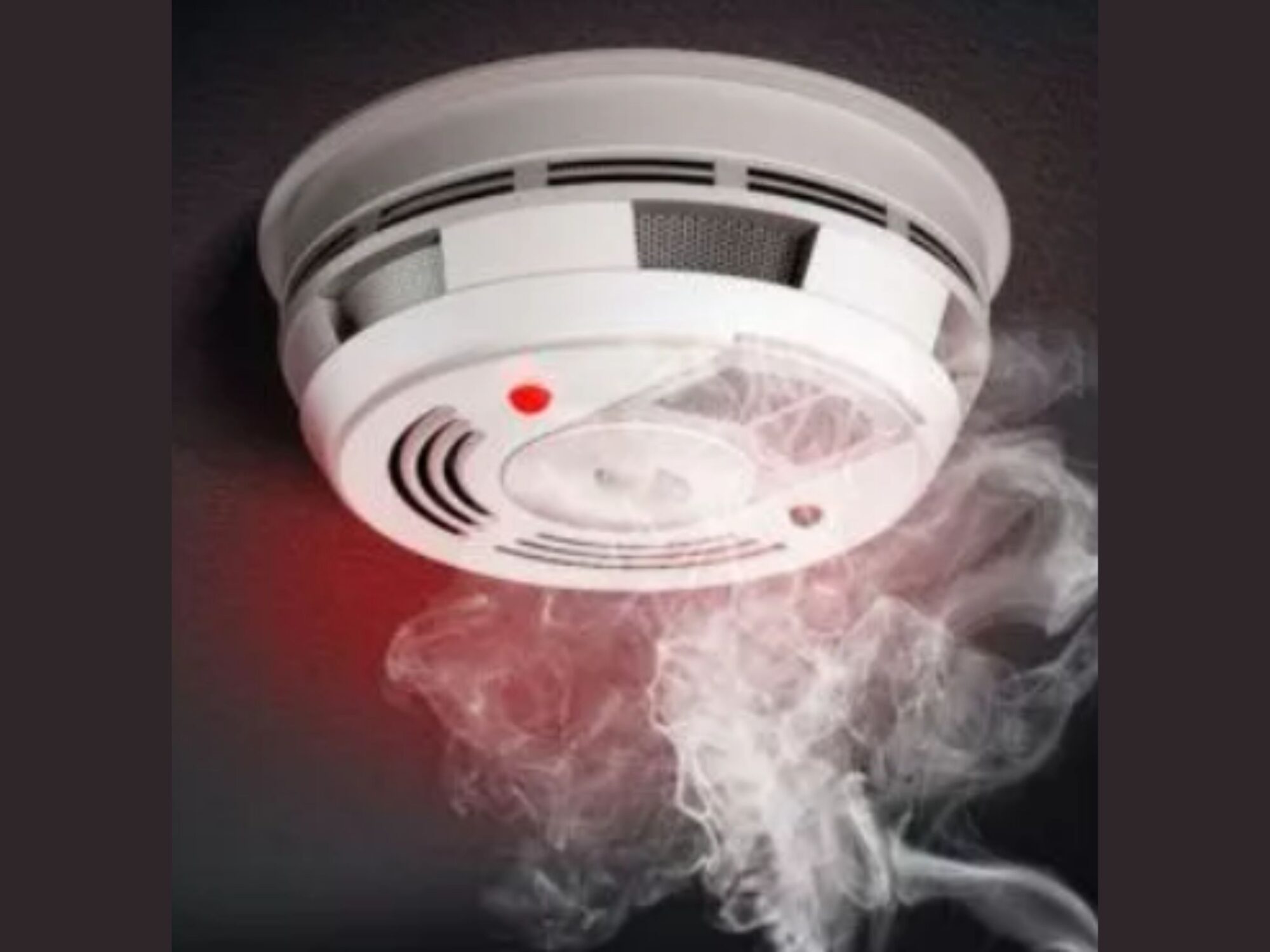

Key Takeaways
- Hardwired smoke and CO detectors: why battery-only isn’t enough
- Maintenance and routine tests are vital for all detectors, but hardwired systems minimize the risk of failure due to battery corrosion or human error.
- Connected hardwired alarms mean that every room in a house will get an alert at the same time, giving you maximum opportunity to escape safely.
- Battery-only detectors have significant performance gaps and create environmental waste from all of those replaced batteries.
- Hardwired systems can enhance the value of your home, provide potential insurance incentives, and contribute to long-term safety plans.
- When you upgrade to hardwired smoke and CO detectors, you’re taking a proactive step toward whole home safety and peace of mind for everyone in your household.
Hardwired smoke and CO detectors provide safety you can trust because they connect directly into a building’s electrical system and communicate with one another.
Battery-only models quit working when the batteries die, which can put lives at risk if they’re not replaced in time. Hardwired units usually have battery backup for even more reassurance.
To put the benefits of both to the test, we observed installation, maintenance, and safety features in action.
The Power Problem
Smoke and carbon monoxide detectors are an essential part of home safety. It’s a big deal how these alerts get power. Battery-only models and hardwired options both have pros and cons. Hardwired alarms operate on AC power and frequently contain battery backup for outages. Battery-only alarms rely entirely on batteries. Each setup poses hazards and challenges for consumers, particularly in terms of maintaining safety 24/7.
| Risk | Battery-Only Detectors | Hardwired Detectors |
|---|---|---|
| Battery runs out | High | Low (with backup battery) |
| Forgotten maintenance | High | Medium |
| Power outage failure | Medium (if battery OK) | Low (with backup battery) |
| Battery degradation | High | Medium |
| All alarms fail if one fails | No | Unlikely (if interconnected) |
| Risk during electrical work | No | Yes (unless master switch off) |
1. Constant Vigilance
Only battery alarms require testing. One person in the house has to test alarms every month or so to keep ’em going. If you skip this step, you may not know when a battery is low. If you forget, the alarm may cease to function unexpectedly. Families should discuss this and explain to everybody why the alarms are important.
Here’s a nice little trick — replace batteries when clocks change for daylight savings. This keeps the chore on a consistent schedule and reduces the possibility of overlooking a substitute. Others employ phone reminders or calendar notes to remind them to check, but not everyone maintains.
Hardwired alarms still require some inspections, but not as frequently due to their reliable power supply from your home.
2. Battery Degradation
Batteries fade. Even good ones fade. Lithium batteries last longer than cheap alkaline ones, but they both can die. If a smoke alarm lasts a month, it is the battery, not AC. Some alarms can last 25 days on battery before they fail.
Alarms do not always warn you in time and battery changes can be missed. Hardwired detectors with battery backup provide more time, but even these batteries should be replaced at least once a year. Battery type and detector model affect the frequency of these checks and replacements.
3. Human Error
Folks forget. It’s common to miss a low-battery chirp, ignore a warning, or not know the proper way to change a battery. Others shirk the work because they don’t believe the risk is great.
Others believe that if one hardwired alarm fails, all will cease, but the majority of interconnected systems continue to operate if one unit fails. Clear instructions and educating the entire family to understand what beeps signify assist in reducing errors.
Hardwired alarms with backup batteries are better because fewer things can go wrong since you do not have to change batteries as often.
4. Power Outages
Fires tend to occur during storms or blackouts. If your smoke detector solely relies on batteries and the battery is dead, you receive no warning. Hardwired alarms with backup batteries go off even when the power is out.
Certain setups link all alarms, so when one sounds, they all sound, ensuring everyone receives the notice. Battery-only alarms can fail in a crisis if the battery is weak or absent. A backup system is what real safety is about, so you are covered regardless of what happens to the grid.
Interconnected Safety
Interconnected hardwired smoke and CO detectors communicate with each other so that they all sound off to provide maximum home safety. Rather than operating independently, every device connects with others via cables or wireless signals. This network means one alarm sets off all in the network, broadcasting an unmistakable warning to each room.
The design allows you to cover large areas, multi-story homes, or walls. If smoke or CO is detected anywhere in the home, everyone receives an identical notification simultaneously, regardless of their current location. This sort of coverage is much more difficult with battery-only detectors, which operate as isolated devices.
Simultaneous Alerts
With hardwired interconnected detectors, all alarms sound simultaneously. This is crucial in emergencies, where seconds count. If a fire ignites in a remote corner or basement, individuals slumbering on higher levels will hear the alarm immediately.
The same applies to CO leaks, which are colorless and odorless; early and universal alerts matter. Battery-only detectors cannot provide this coverage. A fire alert in one room might not be heard in another.
In larger homes, the advantage is even more evident. You can install more than one detector in each important location, such as bedrooms, hallways, kitchens, and basements. When interlinked, one identified threat initiates a house-wide action.
This networked concept improves the chances that everyone, even those most distant from the flame, escapes safely. The communication with devices results in less missed alerts from closed doors, noise, or heavy sleeping. Every alarm escalates the others, so the noise is impossible to ignore.
System Integrity
| Feature | Hardwired Interconnected | Battery-Only |
|---|---|---|
| All alarms sound together | Yes | No |
| Continuous power supply | Yes (with backup) | No |
| Reliable communication | Yes | No |
| Routine maintenance required | Yes | Yes |
If any single hardwired detector malfunctions, the others remain interconnected and functional. Talking across the system means there is no single point of failure.
Battery-only units, conversely, stand separately. If one alarm dies, that section of the home is unprotected. That’s why it’s crucial to check interconnected systems frequently.
Routine testing and maintenance keep every detector primed. Dust, wiring issues, or device age can degrade performance, so schedule reminders for these checks. Professional installation is often required for hardwired systems.
They know how to wire and connect each unit, identify defects, and comply with safety standards. This move establishes an infrastructure for sustainable safety.
Smart Integration
Smart hardwired detectors plug into broader home safety networks. They connect with smart speakers, lights, or security hubs, providing additional means to notify and secure.
There are mobile alerts everywhere. When your alarm goes off while you’re out, your phone receives a notification. This allows you to respond quickly or summon assistance even remotely.
Smart tech lets you peek remotely. Through the app, you can view battery health, test alarms, or mute false alerts. This makes it easier to keep tabs on system status, wherever you may be.
Some systems allow you to interconnect detectors with other intelligent devices. For instance, an alarm might trigger lights or unlock doors to facilitate evacuation.
Battery-Only Limitations
Battery-operated smoke and CO detectors may be prevalent, but they come with real limitations that can impact safety and even the environment. Hardwired models, in particular those with backup batteries, are designed to fill these gaps and provide a more reliable layer of protection. Here are the primary ways battery-only units lag.
- Shorter lifespan: Batteries last one to five years, so replacements add up.
- Higher maintenance: battery-only units need more frequent checks.
- Forgotten replacements are easy to overlook, leading to periods with no protection.
- Risk of failure: Dead batteries mean no alerts during emergencies.
- False alarms: can trigger more often, leading to complacency.
- Less reliable during power outages: quick battery drain can leave you unprotected.
- Environmental impact: frequent disposal of used batteries adds waste.
False Confidence
A lot of folks think battery-only alarms are sufficient for home protection. However, this isn’t necessarily true. Battery-only limitations can be deceptive. Batteries can die quickly, particularly in extreme temperatures or if the alarm keeps going off.
In other instances, folks have missed crucial battery replacement reminders, endangering us all. Yet another problem is false alarms. These occur more frequently with battery-only units, occasionally from low battery alerts or debris accumulation.
After a while, the constant beeping or chirping causes users to dismiss or remove alarms, becoming more a nuisance than a utility. This type of complacency compromises the entire safety system. Hardwired systems, with backup batteries and fewer false alarms, keep homeowners alert without the same hassle or risk of dying.
Environmental Impact
Every battery-only alarm requires frequent battery changes, which means more batteries being discarded. Hardwired systems reduce this waste. They use long-life backup batteries that require replacement every 5 or 10 years.
Fewer batteries lead to less pollution and a smaller environmental footprint. Sure, there are programs to recycle used batteries, but not everyone has them available and not everyone remembers to take advantage of them.
Going hardwired detectors is one way to make your home safer and more sustainable. It’s a minor difference that can assist with major concerns such as minimizing the need for constant battery dumping.
Performance Gaps
Battery-only detectors falter where it matters most when dependability is required. Take, for instance, a fire or carbon monoxide leak. A dead or weak battery can prevent an alarm from sounding, resulting in missed warnings.
Some users have claimed that their battery-only alarms let them down in emergencies as a result of overlooked dead batteries. Hardwired detectors continue functioning while there’s power and still have a battery backup in the event of blackouts.
This configuration makes for more reliable, consistent alerts. Another issue with battery-only models is slower response times, particularly if the batteries are weak. In emergencies, seconds count.
Reliability isn’t optional in life-saving devices. It’s a fundamental requirement.
Maintenance Reality
Hardwired smoke and carbon monoxide detectors with battery backup are designed to provide reliable, consistent protection with less maintenance than battery-only models. These units connect to a structure’s electricity, so they continue functioning unless there is a complete outage. For the majority of households and offices, constantly swapping out batteries can be a real headache, particularly if the alarms are mounted high up or in difficult locations.
Here’s a primer on what makes hardwired detectors so great and why staying current on any alarm system is important.
- Lower Maintenance Needs
Hardwired detectors require less maintenance than battery-only units. They’re tied into the building’s power system, so the primary task for the user is to verify the backup battery annually, not every few weeks. Unlike battery-only alarms, which can run down in as few as 25 days of continuous use, hardwired units use batteries only during outages, allowing batteries to last significantly longer.
This means less time on a ladder and less chance of forgetting to replace a dead battery. For non-alarm lovers or folks who don’t have access to alarms, this is a huge bonus.
- Fewer False Alarms
Certain battery-only alarms chirp or go off for no good reason when batteries are low or dust gets inside. This can be aggravating and can literally cause individuals to pop out the battery, leaving the house vulnerable. Hardwired alarms, in general, have more reliable power and are less prone to false alarms.
This can save time and reduce the headache of verifying or resetting the unit.
- Better Long-Term Value
Even though hardwired detectors may cost a little more to install, the reduced maintenance can save time and money over the years. You don’t have to purchase and change batteries on a monthly basis. In homes where you need an alarm in every room, this can translate into a significant amount of saved labor.
The key is to test any detector every month and clean it as needed. Even the most superior alarms, hardwired or not, can fail if forgotten. Dust, bugs, or worn parts can keep them from functioning properly.
Owners should click the test button and hear a loud beep. If there is a problem, repair or replace the unit immediately.

Beyond Compliance
Fire safety laws establish a minimum standard. True safety is something that goes beyond. Hardwired smoke and CO detectors provide protection that’s long-lasting, always on, and designed for modern living.
Battery-only alarms might get the job done for a time, but their limitations become apparent in times when it counts, like when there’s a fire or a gas leak. Hardwired systems protect more area, connect alarms together, and provide security that’s more than just compliance.
Future-Proofing
Hardwired smoke and CO detectors are particularly noteworthy for long-term safety. These systems piggyback off the building’s wiring, so they function even if someone forgets to replace batteries.
Most recent models include a 10-year battery backup, providing a bit of extra reassurance in a blackout or emergency. If one alarm in the home detects smoke or CO, it can sound off all the others, ensuring all are alerted to the threat immediately.
Technology continues to be incremented and so do hardwired detectors. Others operate with smart home networks or mobile alerts, informing users about issues regardless of their location.
It assists hectic families or frequent fliers. New detectors are able to detect both smoke and carbon monoxide and some have voice alerts that tell you where the danger lies in the house.
Fire safety rules and codes keep changing, usually becoming more stringent. If you’ve hardwired alarms, it’s easier to comply with these new standards.
It’s easy to swap out or supplement alarms when new tech is released or when extra coverage is required. Adaptive new tech systems can last longer and keep homes safer.
With contemporary hardwired alarms, it’s a simple matter to replace old units with new ones without having to re-wire the entire home. This helps future-proof the home and keeps it primed for new safety requirements.
Property Value
Homes with robust fire protection frequently maintain or increase their value. Hardwired smoke and carbon monoxide detectors can help a home sell.
When buyers view these systems, they know the house is secure and current. In most real estate markets, safety features rank high on the list of evaluations.
Buyers might seek out homes with hardwired alarms instead of battery-only ones due to long-term safety and reliability. Real estate agents like to brag about these amenities in home listings because it can contribute to the price.
For homeowners, installing hardwired alarms is not simply to code. It’s an investment.
Insurance Benefits
A lot of insurers will give you a discount if the home has hardwired smoke and CO detectors. These systems reduce the chance of large losses from fire or gas leaks.
Insurance companies may provide discounts. Homeowners should notify their insurance company of these systems. Evidence of installation can assist in getting lower premiums.
A few companies might need pictures, receipts, or a speedy review. A dependable, properly installed protection system pays for itself.
The upfront expense of hardwired alarms usually comes back to you in peace of mind and reduced insurance premiums.
A Personal Perspective
Smoke and CO detection is not a home ticker item. Having been raised in a fire-prone house, I’ve witnessed firsthand how a working smoke alarm can provide those crucial seconds you need to escape. Those seconds count.
Traveling and visiting other homes, I found some only had battery-operated detectors, occasionally just one per floor. That always bothered me. If a fire ignited a long distance from the battery alarm, you’d have no warning. Hardwired and interconnected smoke and CO detectors remedy that. When one goes off, every alarm that’s in the system goes off. It might even be the difference between hearing an alarm in time or not, particularly in bigger houses or apartments.
It’s comforting to know that your alarms are hardwired. Not having to concern myself with dead batteries or missing a replacement date removes one more thing to keep track of. Battery-only alarms can run out without telling you, but hardwired ones have a constant source.
That’s a comfort for all of us who have ever procrastinated changing batteries or missed the low-battery beep. Others fear that connected alarms will all go off if one goes bad. However, most systems are designed so that one bad unit won’t pull down the whole network. This means you can trust the defense is present, even if you need repair.
Positioning counts, too. It’s a good idea to place smoke detectors in bedrooms, hallways, and living areas, but not too near kitchens or areas where steam or cooking smoke can trigger false alarms. Keeping them a minimum of 3 meters from those areas helps.
One detector just isn’t sufficient. Fires can ignite in locations distant from your bedroom, and one alarm may not detect it quickly enough. Hardwired units are interconnected throughout the entire house, leaving no room untouched.
Checking alarms on a monthly basis is crucial. Simply push the button and confirm they’re functional. For hardwired units, it’s best to have someone install them. It has to be the right wiring and it’s got to work.
Looking back on this, there’s no doubt that solid safety habits and dependable detectors provide peace of mind. Transitioning from battery-only to hardwired detectors is a smart step for anyone who cares to keep their home safe.
Conclusion
Hardwired smoke and CO detectors: why battery-only isn’t enough They use continuous power, so they don’t quit when batteries die. Wired units communicate to one another as well. If there’s one alarm, they all go off. Battery-only alarms miss that. Hardwired smoke and CO detectors: why battery-only isn’t enough A lot of local codes these days are requesting hardwired units in new homes. Even if not required, they now choose them for added security. Putting smart hardwired detectors in place gives you all of that. For optimal safety, audit your current system and consider a wired upgrade. Every second matters in a fire or gas leak.
Frequently Asked Questions
Why are hardwired smoke and carbon monoxide detectors safer than battery-only models?
Hardwired detectors link directly to your home’s power. They work even if batteries fail. Most are interconnectable, so when one sounds, all alarms go off for greater reach.
Do hardwired detectors still need batteries?
Yup, most hardwired detectors have backup batteries. These batteries maintain your detector during outages so your protection never falters.
How often should I replace or check batteries in hardwired detectors?
Check backup batteries at least annually. Switch them out as the manufacturer advises, usually annually, to ensure continued function.
Can battery-only detectors meet building codes everywhere?
No, a lot of building codes require hardwired detectors, particularly in new homes or renovations. Make sure you review local codes as well.
What is the main limitation of battery-only detectors?
Battery-only detectors are entirely battery-dependent. If batteries die or are removed, the alarm won’t function, exposing you to being unprotected against smoke or carbon monoxide.
How do interconnected alarms improve safety?
When one interconnected alarm senses smoke or carbon monoxide, all alarms go off. This notifies everyone in the house, even if the threat is distant.
Are hardwired smoke and CO detectors hard to install?
Installation is more complicated than battery-only models and typically needs to be installed by a qualified electrician. The additional safety and reliability makes them worth the investment.