
Key Takeaways
- From ovens and dryers to HVAC systems, water heaters, workshop tools, and electric vehicle chargers, 240v outlets power them all.
- These outlets provide more voltage than regular outlets, which makes them ideal for items that have higher power requirements and enhances their efficiency.
- Professional installation of 240v outlets is necessary to meet safety regulations and local codes.
- Identifying 240v outlets involves recognizing unique plug shapes, prong arrangements and specific labeling that distinguish them from standard outlets.
- Reasons to upgrade to 240v outlets include adding value to your property, future-proofing electrical needs, and making possible the use of modern energy-efficient devices.
- When it comes to 240v outlets, regular inspection and swift response to any faults are essential to ensure safety and prevent electrical hazards in your home or workplace.
A 240v outlet is used for appliances and equipment that require additional power above what a standard 120v outlet provides. Typical applications consist of electric dryers, ovens, water heaters, and high-capacity air conditioners.
These outlets provide a consistent current for machines with intense power requirements. Dwellings and offices with high-end gear rely on 240v outlets to ensure these machines operate optimally.
The next section demystifies types and safety tips.
High-Power Applications
A 240-volt outlet is designed for high-power applications that require additional voltage compared to a regular outlet. These outlets are required for high current appliances and applications and help ensure devices operate safely and efficiently. Most regions employ 240 volts for high-power applications, particularly in regions where energy efficiency and safety are primary objectives.
1. Kitchen Appliances
Electric stoves and ovens are best run on 240v plugs. That’s because cooking requires consistent, high heat and a standard 120v outlet can’t deliver. Double ovens and built-in kitchen units require this higher voltage as well, so they heat up more quickly and cook more evenly.
Most homes have a separate circuit for each large appliance, per electrical codes, to reduce the risk of overload. With the appropriate wiring, such as 8-gauge or 6-gauge for larger ovens, that is safe for the appliance as well as the home. Since these units consume more power, they can be more energy efficient in the long run, which can reduce utility bills.
2. Laundry Machines
Electric dryers are high-current appliances, which is why they invariably plug into a 240v outlet. A few washing machines, in particular those with built-in heaters, require the same arrangement. A dedicated circuit will help keep the breaker from tripping and protect your machines.
The secret to safe, steady use is proper wiring. Twelve-gauge copper is needed for 20 amp sockets, for instance.
3. Climate Control
Central AC, heat pumps, and electric heaters all require 240v outlets. These systems consume more power than their smaller counterparts, so standard outlets won’t suffice. HVAC units tend to have their own circuits too, which makes sense in terms of preventing overload and keeping things humming.
It’s a win-win, ticking off the energy requirements and code-compliance boxes, particularly in regions with wide temperature fluctuations.
4. Water Heaters
Electric water heaters require 240 volts for rapid stable heating. With a dedicated circuit, your heater operates without tripping other devices. Certain models require varying voltage, so review requirements prior to installation.
Good practices, such as proper wiring and adherence to local codes, ensure the system is safe and operational.
5. Workshop Equipment
Table saws, welders, and air compressors all require 240v outlets in order to operate at full power. These tools draw a ton of amps, so the proper gauge wire and circuit size are important. Transforming older workshops to 240v outlets reduces downtime and increases safety and productivity.
This is a major assist for anybody using high-power applications on a daily basis.
6. Vehicle Charging
Electric car chargers are optimized for 240v outlets. Charging goes way faster this way than with normal plugs. Dedicated circuits are key here, as EV chargers pull heavy current.
Make sure your charger’s load fits your home’s wiring. If you have a 240v outlet in your garage, it’s a no-brainer for your next car upgrade.
Technical Differences
Learn the technical differences between 240v and 120v outlets to find the perfect match for your home or workspace needs. These differences affect more than just what appliances you can utilize and influence energy efficiency, safety, and the longevity of electrical systems.
Voltage Delivery
A 240v outlet provides twice the voltage that a 120v outlet does. It does so by employing two 120-volt hot wires, or phases as they are sometimes called, whereas the standard 120v outlet employs just one. This increased voltage allows 240v outlets to drive heavy appliances like ovens, dryers, and air conditioners, which require more power to operate efficiently.
By managing larger loads, these outlets assist in maintaining appliances running efficiently without straining the system. Higher voltage translates into greater energy efficiency for heavy machinery, as less current is required to move the same amount of power, reducing the chances of overheating wires or tripping breakers.
In contrast, 120v outlets are for general items like lamps, TVs, or laptops. Using the proper voltage for each device reduces the risk of electrical overloads. This makes homes and offices safer, as each outlet is paired to its anticipated load.
Circuit Wiring
The wiring for 240v outlets has to be thicker and rated for more capacity than 120v outlets. That’s because more current courses through 240v circuits, so thicker wires are required to keep them from overheating. New style 240v outlets are typically 4-prong, which include two hots, a neutral, and a ground.
120v outlets employ a three-prong configuration. The additional ground wire on 240v systems provides an additional layer of protection, working to avoid shocks or fire if something goes awry.
Right wiring is not only safe, it’s local code. Most locations have rigid regulations regarding wire gauge and outlet configurations, particularly for 240v circuits. Not satisfying these rules can result in dangers or inspection failures. ALWAYS check your local codes when changing or installing outlets!
Breaker Requirements
Selecting the correct breaker is essential for 240v outlets. These outlets have to have double-pole circuit breakers, which connect to both hot wires and regulate more current. This is unlike single-pole breakers for 120v outlets, which connect to just one hot wire.
The size of the breaker is determined by the appliance’s amp requirements. For instance, a dryer might require a 30-amp breaker, whereas a heavy-duty oven could require 40 amps or more.
| Outlet Type | Typical Breaker Type | Typical Amperage |
|---|---|---|
| 120v | Single-pole | 15–20 amps |
| 240v | Double-pole | 20–50 amps |
Ensuring the appropriate breaker size is installed helps prevent overloads and trips, ensuring both the outlet and appliance are safe. Double-pole breakers add an additional safety measure by tripping both phases in the event of an issue.
Outlet Identification
A 240-volt outlet is easy to identify if you know what to look for. Not the run-of-the-mill 120-volt outlets, smaller and common to most plugs in your wall, but 240-volt outlets designed for appliances demanding more power, like stoves, laundry dryers, or EV chargers. Their unique outlet shape and prong configuration identify them.
Learning outlet identification is crucial for anyone dealing with or near electrical systems. This prevents plugging devices into the incorrect outlet, which can lead to damage or safety concerns.
Physical Appearance
They are mostly larger than 120v outlets, about 11.5 cm (4 ½ inches) square. They usually have three or four prongs, the three-prong one displaying a Y and the four-prong type an L-shaped prong on top. In newer outlets, they add a ground wire, which is the reason for the 4-prong design.
Older homes might still have the 3-prong version, but new builds employ 4 for extra safety. Color coding or labeling can assist. A lot of 240v outlets in homes and businesses have marks, colored plates or stickers that distinguish them.
Other times, they’re installed higher up on the wall or behind where big appliances sit. The physical size is a clue since 240v outlets are bigger than the standard 120v.
| Feature | 120v Outlet | 240v Outlet |
|---|---|---|
| Height/Width | ~7.5 cm x | |
| 7.5 cm | ~11.5 cm x | |
| 11.5 cm |
| Prong Count | 2 or 3 | 3 (Y-shape) or 4 (L on top) | | COLOR/LABEL | NORMAL (white/gray) | frequently marked or colored | | Appliance Powered | Small appliances, lamps | Ovens, dryers, EV chargers |
NEMA Standards
NEMA has established definitive standards for the appearance and functionality of 240v outlets. These standards assist in ensuring appliances and plugs align, regardless of your location. NEMA codes use numbers and letters to describe the prong arrangement, voltage, and amperage, such as a NEMA 6-15 or NEMA 14-50 used for various appliances or chargers.
Being NEMA compliant is critical to safety and performance.
NEMA configurations:
- NEMA 6-15 (2-pole, 3-wire 240V 15A)
- NEMA 6-20 (2P, 3W for 240V, 20A)
- NEMA 10-30 (3-prong, older dryers)
- NEMA 14-30 (4-prong, newer dryers)
- NEMA 14-50 (4-prong, ranges, EV chargers)
Adhering to these guidelines avoids cross contamination and ensures materials are safe for use.
How to Identify a 240v Outlet
- Larger size than standard outlets
- Three or four prongs, with unique shapes
- Often labeled or color-coded
- Placed near large appliances
- Found in laundry rooms, kitchens, or garages
Installation Essentials
A 240v outlet is for heavy-duty, high-load appliances such as ovens, EV chargers, air conditioners, and certain power tools. These outlets need to be planned and installed with caution and in accordance with safety and regulatory guidelines.
Professional Role
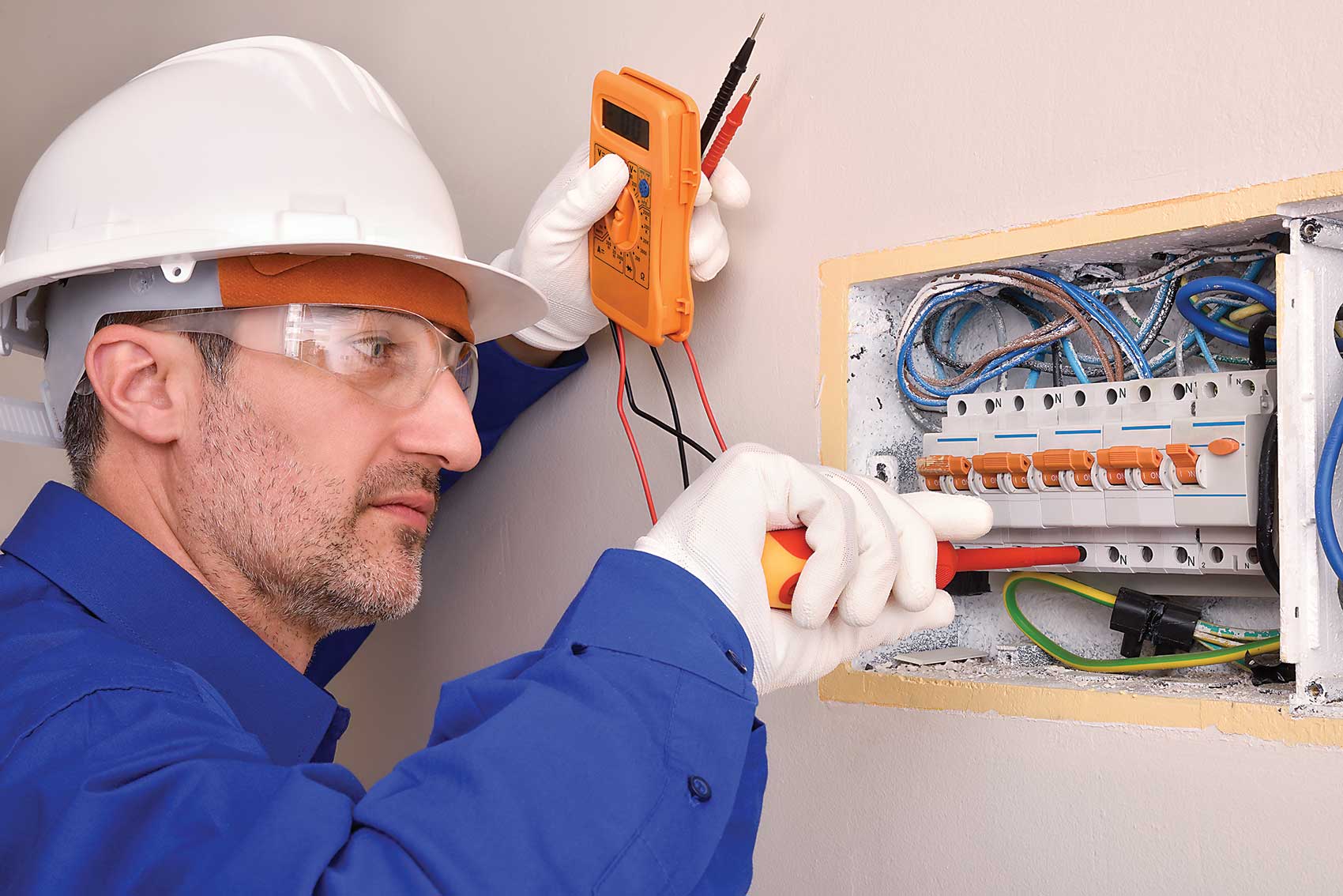
Only electricians should install 240v outlets. Their expertise includes sophisticated wiring, breaker sizing, and outlet selection. A pro understands the nuance between a 3-prong and an up-to-date 4-prong outlet and installs the latter to be up to standard, which includes two hot wires, a neutral, and a ground.
They know how to install double-pole breakers that occupy two slots in the panel. Electricians make certain that every connection is snug, properly grounded, and safe to use indefinitely. Their work is warrantied, which is a great help if something goes south down the road.
Certified professionals sweep your location, ensure it is safe, and confirm it is up to code to minimize the chance of shock, fire, or damage.
Safety Measures
Safety begins prior to wiring. Cut power at the main panel and test with a voltage tester that the circuit is off. Wear appropriate PPE such as insulated gloves and goggles.
Don’t shortchange the grounding. Good bonding and grounding reduce electrical shock hazards. Nail plates should be installed over cables to prevent screws or nails from penetrating wires down the road.
Make sure to use quality parts, thick wire and strong outlets, which won’t get hot under heavy loads. Homeowners and tenants, screw up 240v wiring and you can get seriously injured or lose property.
Code Adherence
The National Electrical Code (NEC) presents firm guidelines for 240v installations. Local building codes typically complicate this with additional or stricter rules.
For instance, circuit size and breaker ratings need to correspond to the appliance load, such as 10-3 NM cable for 30-amp circuits or 6-gauge wire for 50-amp loads. Double-pole breakers are needed for all 240v outlets, and the panel must have space available.
Permits are generally required, with inspections conducted to confirm safe work. Routine inspections and upkeep assist in identifying issues early, ensuring prolonged compliance and security.
Installation Checklist
- Verify permit requirements with local authorities before work starts.
- De-energize the main and verify the absence of voltage.
- Use only double-pole breakers for 240v circuits.
- Select wire gauge based on load. Use 10-3 for 30 amps and 6-gauge for 50 amps.
- Put in a 4-prong outlet, which includes 2 hot wires, 1 neutral wire, and 1 ground wire.
- Use nail plates to protect in-wall cables.
- Confirm that there is room in the electrical panel for the new breaker.
- Use high-quality outlets, breakers, and cables.
- Ensure grounding and bonding meet code.
- Schedule inspection after installation.
Strategic Upgrades
Upgrading to 240-volt outlets is a smart upgrade for homes that have to accommodate new, high-powered appliances and upcoming energy demands. A lot of older homes have just 120-volt outlets, which can restrict the use of newer equipment or stress your wiring.
Strategic upgrades, such as installing new or converting to 240-volt outlets, help in keeping up with the rising power needs while enhancing both safety and long-term value.
Future-Proofing
Future planning begins with higher electrical demand, particularly as more homes incorporate EVs, heat pumps, or induction cooktops. Installing 240-volt outlets in your garage, kitchen, or laundry room provides the option to upgrade high-powered devices down the road.
It plays into trends such as home automation and green energy. As technology changes, energy habits are evolving. More appliances, like dryers, ovens, and EV chargers, now benefit from 240 volts.
Including these outlets when you renovate or build new is getting closer to future-proofing your needs. Homeowners who strategically upgrade their electrical systems to be future-proof tend to experience fewer issues with overloaded circuits and an easier shift as new technology emerges.
Efficiency Gains
These 240-volt outlets can reduce energy waste. Devices designed for higher voltage operate more efficiently and consume less amperage, which leads to less heat and less potential for overheating.
They can reduce utility bills over time, particularly with hard-use items such as AC units, water heaters, and electric stoves. Just as there’s a difference between 240-volt and 120-volt appliances, the higher-voltage models tend to run smoother and last longer because the load is less intense.
A similar distinction exists between fine-grained and coarse-grained upgrades. Other homeowners experience fewer tripped breakers and fewer repair expenses post switch. Most new appliances are more energy efficient with 240-volt outlets, so this upgrade is a win for your bill and the environment.
Property Value
Homes with cutting-edge electrical additions like 240-volt outlets can rise to the head of a crowded market. Real estate listings noting new or upgraded outlets can appeal to buyers seeking EV-ready homes or higher level appliances.
Electrical upgrades tend to have a positive ROI, especially in regions where newer systems are assumed by buyers to be important. These outlets require permits, inspections, and sometimes rewiring, and they can prevent headaches like fried appliances or frequent breaker trips.
Above all, safety and convenience are enhanced, contributing to a property’s desirability and value.
Common Faults
240-volt outlets are made for the tough stuff, that doesn’t mean they can’t have issues. When faults pop up, they can jeopardize safety and break things. Here’s a rundown of the most common sins — how to recognize and fix them.
Common faults with 240v outlets include:
- Tripped circuit breakers
- Flickering or dimming lights
- Overheating or warm outlets
- Unusual noises (buzzing, popping)
- Burning or melting smells
- Damaged or loose plugs
- Outlets with outdated designs or insufficient grounding
- Visible scorch marks or discoloration around the outlet
Problem Signs
Tripped breakers are a major red flag. They usually indicate the outlet is overloaded or the wiring is defective. Overheating, warm plugs or scorched marks are signs of stress. If a plug slides loosely or the outlet won’t hold it firmly, the internal contacts could be worn out.
Buzzing or popping noises are not normal. These noises can be indicative of arcing or loose connections. Common faults are tripping breakers that shouldn’t be disregarded, particularly if they occur after you plug in a high-powered appliance like an oven or dryer.
Outlets that are hot to touch, melting, or have a burning smell should be unplugged and inspected immediately. Visual inspections for damage are a must, such as cracked or chipped faceplates, exposed wires, or those old three-prong outlets with L-shaped holes. Older models may not be as safe.
Risk people ignoring these signs. Electrical faults can give shocks or cause burns or fires. Bad care, such as allowing dust or debris to accumulate, can block airflow and cause the outlet to overheat. Bad grounding and wiring too, for example, wire that’s too thin, can cause electrical faults, fires, and shocks.

Diagnostic Steps
You may laugh, but begin your fault-finding process at the circuit breaker. Reset if tripped and try to repeat the problem. Frequent trips tend to indicate a fault, not just a transient overload.
Next, check the wires leading to the outlet for damage, fraying, or discoloration. All of these can decrease efficiency and increase safety hazards. A multimeter is handy for testing. It will indicate if the outlet is providing the correct voltage.
If readings are off, voltage fluctuations can be at fault. These may result in equipment damage, overheating, or even electrical fires if not addressed. Always check that grounding is intact. Bad grounding is the lurking threat that can electrocute or multiply faults.
It helps to take notes on the problem, such as when the fault began and what equipment was being used. This data smooths repairs and helps electricians detect trends or repeating issues.
Conclusion
A 240v outlet has a big role in homes and shops. People use it for tools, stoves, dryers, and even certain heaters. These outlets have more power than the basic 120v units, so they power big equipment with ease. They are easy to spot. They appear distinctive and larger than most plugs on the wall. Safe installation is important. Errors can damage equipment or deliver shocks. Most owners select these outlets to upgrade, and a pro can help with safe work. Look out for signs such as heat, strange noises, or sparks. This indicates the outlet needs to be inspected. For any work with high-powered equipment, be smart and be safe! Interested in home wiring or new upgrades? Read our complete guide.
Frequently Asked Questions
What is a 240V outlet used for?
A 240V outlet is used to power high-demand appliances such as ovens, dryers, air conditioners, and some power tools. These machines require more juice than your regular outlets offer.
How is a 240V outlet different from a 120V outlet?
A 240V outlet provides more voltage and possesses a distinct plug style. It is capable of dealing with appliances that need more power, so think heavy-duty compared to a 120V outlet.
Can I install a 240V outlet myself?
You should hire a licensed electrician to install a 240V outlet. This guarantees safety, correct wiring, and adherence to local electrical codes.
How can I identify a 240V outlet?
A 240v outlet typically has a larger and differently-shaped plug than standard outlets. It contains three or four slots, occasionally arranged in a distinct pattern, to accommodate heavy-duty appliance plugs.
Why should I upgrade to a 240V outlet?
By upgrading to a 240V outlet, you’re able to utilize newer, energy-efficient appliances that require a bit more juice. It can enhance the efficiency and safety of these appliances.
What are common faults with 240V outlets?
Typical faults include loose wiring, worn contacts, and overloading. These problems may lead to power loss, overheating, or even electrical fires if not dealt with quickly.
Is a 240V outlet safe to use internationally?
Outlet types and voltages differ around the world. Always verify a device’s compatibility and utilize the appropriate plug adapter or voltage converter if necessary. Talk to your electrician for safe international use.