
Key Takeaways
- Keep an eye on your furnace’s age, increasing energy costs, recurrent breakdowns, and strange sounds. These are all warning signs that it might be time for a replacement.
- Weigh the costs of patchwork repairs against a new efficient unit using the 50% rule and long-term savings calculator.
- Factor in safety hazards, including carbon monoxide leaks and outdated safety measures, particularly with older furnaces.
- Schedule tune-ups and professional inspections to extend your furnace’s life and ensure safe operation.
- Check out our latest furnace models for enhanced energy efficiency, smart technology compatibility, and cozy comfort.
- Keep in mind that expert installation and a unit customized to your home’s requirements are key to optimal performance and reliability.
Are you experiencing some of these common signs your furnace needs to be replaced: uneven heat, increasing energy bills, strange noises and frequent repairs? Heaters that are older do not warm rooms as well as they used to, and dust or dry air can be indications of a worn-out component.
Other furnaces fail to start on cold days or cycle off too soon. Identifying these signs early helps you prepare for a new system. In the following section, learn what each sign means and how to proceed.
The Telltale Signs
Not knowing when to replace your furnace can lead to unexpected breakdowns, expensive repair bills and general discomfort. These signs will assist you in determining if it’s time for a new unit so you can stay warm safely and efficiently.
1. Age
How old a furnace is a major issue. Most gas models have a lifespan of 15 to 20 years and electric models can go as long as 30. If your furnace is creeping up on these boundaries, it’s prudent to prepare for replacement.
There are manufacturer guidelines located in the manual or on the company website that can often indicate when a certain model should be retired. As a furnace ages, it may require more repairs. If you’re having more breakdowns or starting issues, age could be an issue.
Older furnaces tend to have lower efficiency ratings, often around 60% AFUE, which means more wasted energy and higher costs.
2. Rising Bills
A consistent increase in your heating bills, with no changes in usage or rates in your area, is a warning sign. In other words, by following costs per square meter you can detect when your furnace is slipping.
Like most systems, comparing your latest bills to those from previous years can reveal trends that indicate system decline. Other times, those elevated bills are the telltale signs of furnace trouble, like worn-out components or a heat exchanger on its last leg.
In others, a new condensing furnace upgrade may reduce bills by as much as 30%.
3. Strange Noises
Strange noises are one of the telltale signs. Banging or popping can indicate loose or broken components within the furnace. Whistling or hissing frequently indicates that there is an issue with airflow, though grinding can signal motor issues.
We will explain what these sounds mean and ignoring these noises can lead to bigger issues, including costly repairs or full system failure.
4. Poor Air
If you sense anemic airflow from your vents, this could indicate duct issues or a dying blower. Uneven heating, with some rooms cold and some warm, frequently indicates your system isn’t operating efficiently.
Excessive dust around your home can be an indicator that your furnace is not filtering air appropriately. Low humidity is yet another tip, as older or inefficient units frequently can’t hold the air comfortably.
5. Frequent Repairs
The telltale signs If you’re repairing your furnace a lot, keep track of repair costs. When repairs accumulate to a large price, it might be more economical to invest in a new unit.
It goes without saying that a furnace requiring consistent work, particularly as it gets older, is probably on its way out the door.
6. Uneven Heat
Rooms that remain cold even when the furnace is on could indicate that the system is undersized or has closed or blocked vents. Give your thermostat settings a double-check and make sure your ducts are clear.
If these steps don’t assist, your furnace might not be up to the task anymore.
- Furnace age over 15 years for gas or over 20 years for electric.
- Frequent need for repairs.
- Noticeable increase in energy bills.
- Strange noises or smells from the furnace.
- Poor or uneven airflow.
- Furnace not blowing hot air.
- Breaker trips or ignitor issues.
- System no longer meets heating needs.
Repair or Replace?
When to repair or replace your furnace is not always black or white. The correct response is contingent on a number of variables, such as the furnace’s age, repair history, operating expenses and your comfort requirements.
An intelligent consideration of these factors goes a long way in making sure your investment fits both your home and your wallet.
The 50% Rule
If your furnace repair is over half the price of a new unit, replacement often makes more sense. Begin with a repair bill list over the last few years.
It accumulates quickly, particularly if you’ve had to make repairs for things like a busted blower or cracked heat exchanger, repairs that can run into the hundreds and even thousands of dollars.
A furnace older than 15 years is at the end of its life expectancy. Even if it’s still running, its efficiency will decline, forcing it to consume more energy and heat less efficiently.
Newer models are often significantly more efficient, so swapping out an old unit could end up costing you less in the long term in bills and service calls.
As you’re tallying repair costs, keep in mind that your existing furnace might be on its own last leg and go out at any moment. If it’s in rough shape, your next giant repair might be lurking around the corner.
High-efficiency furnaces can trim your carbon footprint, an added bonus if you’re environmentally-minded.
Cost Analysis
The all-in price of a new furnace isn’t just the unit itself — it includes installation and necessary tweaks to your home. Prepare to spend between $2,000 and $7,000, depending on the model and the labor costs in your area.
Over time, a new furnace will be more energy efficient, lowering heating costs, which helps to mitigate some of the initial expense.
Replacing an old furnace may seem costly initially, but those higher energy bills and repair bills all add up. A lot of companies have financing plans so a new furnace doesn’t seem so overwhelming without that big lump sum payment.
| Option | Upfront Cost (USD) | Energy Savings (Annual) | Typical Repair Costs (Annual) |
|---|---|---|---|
| Repair Old Furnace | $100–$3,000+ | None | $300–$1,000 |
| New Efficient Furnace | $2,000–$7,000+ | $200–$600+ | $100–$200 |
Future Outlook
To repair or replace? An older furnace runs less efficiently and may not even be able to keep up with severe weather swings caused by climate change.
This results in more expense and greater stress on the system. New furnaces have smart thermostats and variable-speed motors.
These provide more control, quieter operation, and more reliability. Lots of models are designed to operate for 15 to 20 years with minimal annual maintenance, leading to less unexpected costs in the future.
This makes new systems a compelling option if you crave stable comfort and peace of mind.
Beyond the Obvious
Older furnaces can mask issues that aren’t always simple to glimpse. A few risks transcend mild toasting or banging. Understanding these red flags saves you expensive repairs and keeps your home secure and functional.
Hidden Dangers
Antiquated furnaces can leak CO, an odorless, colorless gas. Putting CO detectors near your furnace and sleeping areas is an elementary step. If you find yourself experiencing headaches, dizziness, or nausea when the furnace is running, these could be early signs of CO poisoning and need to be taken seriously.
A cracked heat exchanger is a primary culprit of gas leaks, and this defect is not always visible. Consider rust, strange odors, or soot accumulation as indicators. Older models don’t always have the safety features that new units do, like automatic shutoff switches, which makes checking on them regularly even more essential.
If your furnace is more than 15 years old or repairs are regular and pricey, the risk for these hazards increases.
- Hidden issues in old furnaces:
- Cracked heat exchanger.
- Bad venting or clogged flues.
- Exhausted or defective burners.
- Faulty sensors or switches.
- Dust, mold, or moisture build-up.
- Frayed wiring or shorts.
Environmental Factors
Climate and laws determine what type of furnace works best. Where winters are long and cold, a high-efficiency model (90%+ AFUE) will burn less fuel for the same heat, reducing both bills and emissions. Certain areas have standards regarding how much pollution or carbon can come out of one’s furnace.
Thus, older furnaces may no longer be compliant. Upgrading can cost a pretty penny, but in many areas you can get some rebates or credits toward energy-efficient systems. These incentives assist in defraying the initial cost and encourage a shift toward cleaner energy.
When you make the switch to a new model, you reduce your home’s carbon footprint and assist the community at large with reaching its air quality objectives.
Performance Decline
A furnace over 10 or 15 years old typically can’t keep up with temperatures. If you observe some rooms are colder than others or there are cold spots, this indicates failing performance. Systems that short cycle — turning on and off in bursts — waste energy and prematurely wear parts.
Bad response to thermostat adjustments or a steep increase in energy bills from season to season can indicate that the furnace is losing its edge. Repairs that are nearly half the price of a new furnace are easy to plan for replacement.
Sometimes, musty smells indicate there is mold or a moisture issue in the system that can impact air quality and health if not addressed.
The Diagnostic Process
Your furnace needs to operate efficiently in order to protect your family and keep your home warm during the colder months. There’s more to the diagnostic process than just repairing minor problems, such as identifying when a furnace has outlived its usefulness. A process-oriented approach catches problems early, avoids surprise breakdowns, and empowers you to make smart repair or replace decisions.
Professional Assessment
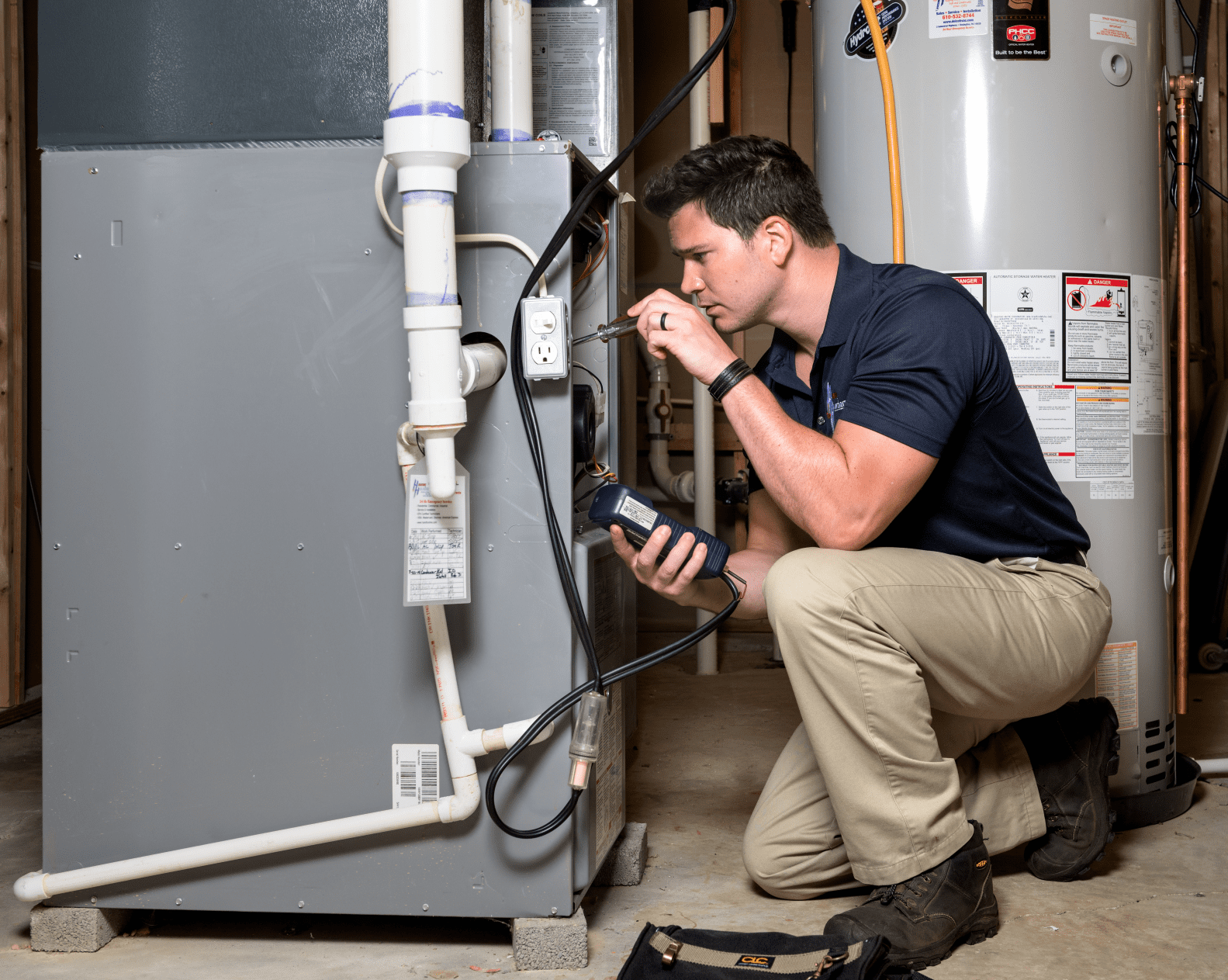
A certified HVAC technician provides a professional eye to the process, inspecting for indicators that are often overlooked. They begin with the thermostat, double checking that it’s properly set and functioning as expected. Then, they check the furnace for potential safety hazards like gas leaks, frayed wires or corrosion.
The mechanic will listen for weird noises, such as rattles, bangs or hums, that might indicate malfunctioning components. Once your full check is done, you will receive a comprehensive report. This lays out the furnace’s current condition, catalogs any worn or broken parts, and identifies indicators of significant wear, like short cycling or an overheated blower motor.
If the furnace is 15 to 20 years old, the report will probably have some guidance on whether it is time to repair or replace. It is wise to inquire about newer, more efficient models or upgrades. Our technician will highlight ones that match your use and price points, with a unified pricing approach, such as euros or dollars, so advice is transparent to readers from any country.
Homeowner Checks
A furnace’s health can frequently be monitored with quick at-home tests. Begin by checking the air filter. A clogged filter restricts airflow and can cause the furnace to work harder and sometimes overheat. Replace the filter every few months or as per the manufacturer’s suggestion.
Test thermostat batteries. Weak batteries can inadvertently cause the furnace to activate at the wrong times, resulting in short cycling. If the furnace is on and one vent has a weak flow of air, check for blockages or leaks in the vents and ducts. Dust, pet hair, or even toys that have fallen near a vent can hamper airflow.
Keep a checklist: examine the thermostat for correct settings and working batteries, make sure the filter is clean, listen for loud or odd noises, notice any burning smells, and watch for repeated on-off cycles. Record these symptoms and discuss them with your HVAC tech during yearly tune-ups.
Routine checkups can extend the life of your furnace and be economical in the long term.
Modern Furnace Benefits
Modern furnaces provide advantages in efficiency, comfort, and control. These upgrades do more than lower your energy costs; they enhance your living experience altogether. If you’re considering swapping out an old furnace, it’s important to understand what new systems can offer before you make your decision.
Efficiency Gains
New furnaces can be rated as high as 98% efficient, a significant increase over older models that could be anywhere from 60% to 80%. High-efficiency natural gas units are in demand because they consume less energy for the same heat, which translates into actual savings.
Even if your current furnace is hanging on, its efficiency may begin to wane in its old age, which is why replacement is worthwhile. Upgrading to a high-efficiency furnace can lower monthly energy bills, particularly during the winter months where heating costs spike.
Most users notice their energy usage plummet immediately. Not only is this great for your wallet, it reduces your environmental footprint by reducing carbon emissions.
The chart below compares efficiency and savings for different models:
| Model Type | Efficiency (%) | Estimated Annual Savings (USD) |
|---|---|---|
| Older furnace | 65 | – |
| Standard new furnace | 80 | $100 |
| High-efficiency furnace | 96–98 | $300–400 |
Smart Technology
Smart thermostats are standard with new furnace systems. They allow you to customize heating schedules and monitor energy consumption effortlessly. Several models include remote control via a smartphone or voice-activated device, allowing you to modify settings from anywhere.
Certain smart thermostats learn your habits and shift heating patterns to fit, so you consume less energy without even thinking about it. Energy tracking features provide transparent feedback on usage, empowering homeowners to identify patterns and discover additional savings opportunities.
Compatibility is great with existing HVAC setups, which is helpful when upgrades are disruptive. Smart controls make comfort easier to manage, no matter the season. In many cases, these devices assist households in reducing energy waste by lowering heat when a house is empty or heating select rooms.
Enhanced Comfort
Today’s furnaces are making people more comfortable in ways that most older units just can’t. Variable speed blowers keep air moving consistently, so rooms remain at an even temperature. This prevents cold spots and keeps the house feeling balanced.
Noise is less an issue, as new systems operate more quietly. For families and remote workers, a little less noise can go a long way. Humidity control is a benefit. New furnaces can contribute to maintaining indoor air at a healthy level, which is not only good for your health but helps keep homes more comfortable throughout the year.
A new furnace can translate to fewer repairs and less stress, providing peace of mind during weather extremes.
Debunking Myths
There are tons of myths about when to replace a furnace, and surprisingly, not all of them are true. A little perspective on what we think we know can go a long way in helping homeowners make smart heating decisions, regardless of location or furnace type.
Age Is Just a Number
Just because a furnace is old doesn’t mean it has to go. Certain units, especially those that have had regular maintenance, can operate without trouble beyond their lifespan. Maintenance history counts. A furnace that’s been cleaned, checked, and serviced each year typically works better and lasts far longer than one that’s been neglected.
Older furnaces might be missing the latest technology. Consistent tune-ups and intelligent repairs can keep even a bare-bones unit on par with heating demands. If your furnace is more than 15 years old and you’re seeing heating bills ascend, it might be time to consider a newer, more efficient unit.
Newer choices, like condensing furnaces, might consume less energy and lower operating expenses. Not all old furnaces are created equal. Numerous furnaces began in the 60% AFUE sort of range, which decreases with age.
Electric furnaces, on the other hand, maintain a 100% AFUE since they don’t lose heat through exhaust. Regular tune-ups are essential to maintaining any furnace, old or new, in prime condition and operating safely.
A Quick Fix Is Enough
Quick fixes sure feel like a good way to save time and money! Occasionally, they do assist with minor issues. More frequently, cannibalizing old units simply masks larger problems. Every quick fix could potentially obscure actual issues that may lead to more severe failures down the line.
When repairs occur frequently, the expenses accumulate. That’s because paying for fixes every few months can actually end up costing more than just getting a new furnace. You wouldn’t continue to invest in bringing a furnace back to life that was only going to perform mediocrely for a few years.
A complete check by a pro is the surest route to find out if a furnace can be saved or if replacement is the wiser move.

All Furnaces Are Equal
Furnaces have been warming homes worldwide for more than 100 years. However, not every model or manufacturer is created equal. Some have better warranties, efficiency ratings, different features, or serve unique needs. The AFUE rating provides a good indication of how well a furnace converts fuel into heat.
A bigger furnace isn’t necessarily better. If a unit is too large or too small for a home, the result can be poor performance and higher energy bills. Installation is equally crucial as the model.
Every home has its own requirements, and the perfect furnace is a matter of space, climate, and even the occupants.
Conclusion
Old furnaces aren’t forever. Strange noises, extra dust, weak warmth, or a huge increase in your bills can all signal that it’s time to replace your system. New ones reduce your energy consumption and provide consistent warmth, not just in the chilly season but year-round. Upgrades translate to fewer repairs. Spot the signs early and skip the big costs later. If any of these items resonate, chat with a trusted professional who can come check out your system and help you choose what works with your space and budget. To keep your home safe and warm, be on the lookout for changes and consult before they escalate. Contact a local professional to keep the next step easy.
Frequently Asked Questions
What are the main signs my furnace needs to be replaced?
If your furnace is older than 15 years, requires constant repairs, sounds odd, or your energy bills are increasing, it could be time to replace it.
How do I decide between repairing or replacing my furnace?
Consider how repairs stack against a new furnace. If repairs are expensive and your furnace is a few years old, replacement is typically the smarter choice.
Can a furnace show problems beyond obvious signs?
Yes. Uneven heating, increased dust, or poor air quality can signal your furnace is on the fritz, even if it still functions.
What is involved in diagnosing furnace problems?
A professional will check the system’s age, inspect parts, test efficiency, and look for safety concerns to recommend repair or replacement.
Are modern furnaces more energy efficient?
Yes. State-of-the-art furnaces heat your home more efficiently, saving you money on energy bills and helping the environment.
Is it true that all furnace noises mean it needs replacing?
Certain sounds are nominal and repairable. Loud banging, rattling, or humming can indicate more serious problems that require professional assistance.
How long do furnaces usually last?
With proper care, most furnaces last 15 to 20 years. Beyond this, efficiency declines and replacement is usually more cost-effective.