
Key Takeaways
- Periodic electrical check-ups and repairs stave off outages and provide dependable power for residential or commercial properties.
- Following local codes, permits and inspections are crucial for safe and legal electrical work anywhere.
- Licensed and insured electricians protect you from safety and legal risks. Verifying reputation and reviews helps you make an informed choice.
- Coastal environments demand corrosion-resistant materials, storm preparedness, and regular maintenance to combat their specific environmental issues.
- Project costs vary based on labor rates, material quality, and scope. Be sure to ask for detailed estimates and set expectations beforehand.
- With smart home systems, energy-efficient lighting, and EV chargers, modern upgrades boost safety, convenience, and energy savings. Future-proofing is a smart move.
Electrician Point Pleasant NJ is a certified professional that repairs, sets up, and maintains electrical systems for residences and businesses. Many of our neighbors reach out to electricians for wiring, outlets, panel upgrades, and safety inspections.
Their expertise keeps the houses secure and the electricity flowing well, even through storms or blackouts. To assist you in picking the right one for you, the next section outlines top tips and what to look for in local electricians.
Available Electrical Services
Electrical systems are not a simple matter and need to be properly maintained for them to remain safe and trustworthy. Homes and businesses in Point Pleasant, NJ experience a variety of common electrical problems. Some of the most frequent problems include:
- Faulty wiring and loose connections
- Circuit breaker failures
- Outdated or overloaded electrical panels
- Flickering lights
- Frequent power surges
- Malfunctioning outlets
- Damaged or exposed wires
- Tripped breakers
- Faulty polarized plugs and outlets
- Electrical code violations
Electrical panel upgrades, surge protection, and routine inspections may be among the solutions to these issues. Timely repairs and routine maintenance assist in keeping the electricity flowing seamlessly, mitigate risks, and guarantee everything is up to code.
1. Residential
Licensed Electricians – We provide a variety of residential services including lighting, rewiring and outlet/switch repair. Panel upgrades are common, particularly when new appliances, EV chargers or additions increase demand for power. A good example is panel upgrades from 100 amps to 200 amps.
We offer emergency services for immediate concerns such as outages or sparking outlets. Homeowners have the option of energy-saving features such as LED lighting or dedicated circuits for high-demand appliances that keep bills down and lower hazards.
2. Commercial
Commercial electrical services center around businesses that require consistent, safe power for day-to-day activities. Electricians wire offices, shops and restaurants, install emergency lighting and service panels or switchgear.
Professional electricians maintain commercial systems and repair tripped breakers or wiring issues. Routine examinations identify risks and maintain compliance. Commercial clients find energy efficient upgrades like motion sensor lights or efficient HVAC wiring that reduce costs and help green standards.
Regular system inspections identify small issues before they become big. A minor problem such as a loose wire or old socket can cause others if not repaired on time. Inspections help the business remain in compliance with local and national codes, which is important for insurance and safety.
3. Emergency
Emergency electricians can be found when the power goes out unexpectedly or dangerous sparks or smells arise. Speed is of the essence. Local electricians try to get on-site fast and arrive with specialized equipment to locate and repair the fault.
Common emergencies are storm damage, blown fuses, or exposed live wires. Sometimes an emergency outage can bring business to a standstill or create a hazardous situation in your residence. With a trusted electrician on call, issues are solved with swiftness and attention to detail.
4. Installations
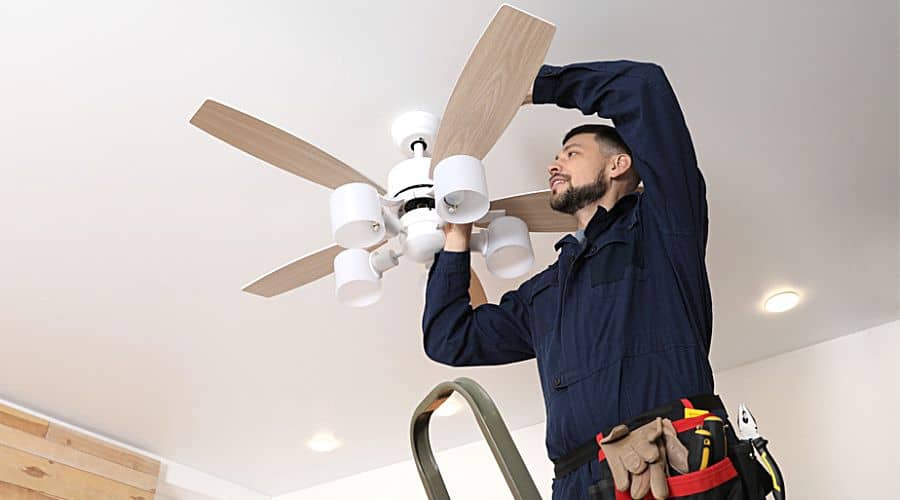
Installations range from new lights and ceiling fans to full panel replacements. From appliances to HVAC, professional installation services keep your products safe to use and long lasting.
Outdoor lighting beautifies and provides safety for paths, gardens, and parking lots. Backup generators are another fan favorite, providing peace of mind during storms or grid outages.
Running a new service line from a power pole or relocating an outside meter might need specialized equipment and expertise. Prices vary considerably according to the work’s scope and location.
5. Maintenance
Routine servicing is crucial for a reliable, durable electrical infrastructure. This includes panel inspections, wiring inspections, and outlet testing. Maintenance prevents little glitches from becoming big breakdowns.
Electricians test wire color markings and appropriate wire for the job, which is important to prevent hazards. Routine service increases the longevity of your entire electrical infrastructure, from the service panel down to every outlet.
Certified technicians perform these tests and repairs, guaranteeing that everything is secure and up to code.
Local Code Compliance
Observing local electrical codes in Point Pleasant isn’t merely a legal technicality; it’s a matter of protecting houses and individuals. These codes are updated to reflect current safety standards and best practices. Compliance aids in avoiding risks, guarantees the safety of electrical equipment, and brings projects in line with local and state standards.
Disregarding these can result in fines, failed inspections, or even dangerous living conditions. Knowledge of and compliance with such things is critical for anyone operating, purchasing, or renovating property.
Municipal Permits
Obtaining a city permit is required for pretty much every electrical job. That’s true if you’re updating wiring, installing outlets, or doing bigger renovations. It begins with an application to the local building department and includes information on the proposed work.
The requirements depend on the type and extent of the work and frequently must be paid before work starts. Electricians are a crucial part of this; they know what paperwork is necessary and can expedite approval. Without a permit, homeowners face potential project delays, additional fees, or even demolition of unauthorized work.
Permits aren’t just bureaucracy; they make sure every job is done in accordance with safety and local building codes.
Inspection Process
When inspectors come, they look for properly wired outlets, secure connections, and correctly sized breakers. They search for current smoke and CO detectors, particularly as mandated by New Jersey law for home sales or rentals.
Lead-safe certification and tenant turnover are examined for rentals. Lead-based paint is considered for homes constructed prior to certain regulations. These inspectors verify properties for Design Flood Elevation (DFE) compliance and other property maintenance codes.
It has to pass inspection for project sign-off and legal occupancy. Failed inspections result in expensive rework and delays. For any significant electrical job, book inspections well in advance so you can skip headaches and stay compliant.
Safety Standards
Electricians Point Pleasant adhere to these safety regulations that are imposed by local and state codes. That means using standard wiring practices and good materials. Codes demand smoke detectors and fire extinguishers in units, with routine inspections to ensure they are in place.
For rental properties, there are clear rules: no lease terms under 30 days and ongoing certification for lead safety. Inspectors conduct field visits to enforce these codes and the Property Maintenance Code.
With approved equipment and established practices in place, workers and residents are protected and the chances of fire, injury, or property damage are reduced.
Choosing Your Electrician
Choosing your Point Pleasant, NJ electrician requires a decision. Electrics are tricky, particularly in coastal homes or older properties with concealed wiring and salt air. A carefully selected electrician can assist in maintaining your home’s safety, efficiency, and compliance with codes.
Licensing
A licensed electrician has passed rigorous local and national requirements for safety and professionalism. Licensing isn’t a mere formality; it means the electrician is up to speed on codes and best practices. For homeowners, this translates to jobs that are more likely to pass inspections and be safe and less prone to bad wiring or dangers.
Unlicensed electricians might be cheaper, but they expose you to fines, failed inspections, or even fires from bad installation. Be sure to request the electrician’s license number and check it with your local regulatory office. In certain states, online databases exist for this and make checking fast and convenient. This is particularly true with complex systems or older homes with dated components.
Insurance
Insurance covers you if something goes wrong on an electrical job. It is important to employ electricians with liability and worker’s compensation insurance. Liability insurance protects you from property damage or injuries, and worker’s compensation protects you if someone gets injured on your property.
Without insurance, homeowners could be lumbered with costly lawsuits or repairs if an accident occurs. In addition to insurance, ask to see their license before hiring and verify that it is up to date. It is an easy thing to do, but it provides both peace of mind and financial protection. Some electricians go so far as to offer proof up front or detail coverage on their websites.
Reputation
A good reputation comes from a history of quality workmanship and satisfied customers. You can see how the electrician tackles various projects, from panel upgrades to generator installs, through online reviews and ratings. Read the good and bad to obtain a complete sense of the reviews.
Word-of-mouth is another strong indicator. Electricians with a 100% recommendation from past clients are often the most trusted. High referral percentages and repeat customers can be an indication of quality and experience.
Get referrals from neighbors or local community groups, particularly in storm-prone areas where response times and maintenance experience are important. Trusted electricians should provide ready quotes, reply within a day, and operate in your region within a reasonable radius of up to 48 kilometers.
Coastal Considerations
Being on the coast, locations like Point Pleasant have specific requirements as far as electrical work is concerned. Salt in the air, humidity, and storms are all risks that can harm wiring, panels, and devices. Homeowners and electricians have to plan for these challenges to keep homes safe, reliable, and up to code.
Salt Air Corrosion
Coastline factor: Salt in the air eats metals away and rusts them quicker. That’s a bigger issue by the ocean, as salt particles lay on surfaces and grind their way into components. Breakers, outlets, and wiring can all go bad a bit earlier than anticipated.
To decelerate this course, electricians usually opt for corrosion-resistant supplies. Stainless steel, PVC conduit, and coated copper wiring all last longer in salty air. When installing, sealing connections and weatherproof boxes keeps out moisture and salt.
Habitual checks are crucial. Electricians suggest annual checks of panels, outlets, and exterior fixtures. Identifying rust or pitting at an early stage facilitates more rapid and less expensive repairs.
Storm Preparedness
Storms cause power loss, flooding, and surges. In Point Pleasant, storm outages are typical. Backup generators keep lights on and devices humming. Power management units that electricians can install are ready before storm season.
Surge protection is another necessity. Surge protectors protect against sudden spikes that can fry appliances and electronics. Electricians put surge protection at the main panel and occasionally at outlets for sensitive equipment.
Panels in flood zones would have to be elevated above anticipated waters. This keeps water from sneaking inside to cause shorts or a fire. GFCI outlets, which reduce shock hazards in particular, are required in damp locations such as kitchens and exteriors.
Seasonal rentals take advantage of pre-checks on panels and HVAC units to prevent issues during their peak season.
Humidity Effects
High humidity is not good for wires, switches, and panels. Moisture causes insulation to deteriorate, which can cause shorts and fire hazards. Mold and mildew can develop within walls around wiring.
Nice breeze makes a big difference. Electricians might put vents or fans in enclosed spaces to maintain air circulation and reduce moisture. They ensure that junction boxes and panels are sealed to prevent the damp air.
For coastal dwellers, this means that we need to consider humidity when upgrading or repairing. Electricians can check for concealed damp in walls and recommend how to shield or swap out vulnerable components.
Installing materials intended for a humid environment is a wise permanent solution.
Understanding Costs
How prices work for electricians in Point Pleasant, NJ based on a few key factors. These factors range from the scope and kind of electrical work to who you bring on to what materials are essential and where the work is performed.
Here are the most common cost drivers:
- Size and complexity of the electrical work
- Experience and skill level of the electrician
- Quality and type of materials used
- Location of the property and travel needs
- Extra costs for urgent or after-hours jobs
- Project timeline and need for special tools
- Permits or inspections required by local law
Homeowners need to budget for labor and material fees, not just one. About knowing your costs. Always request an itemized estimate before you agree to begin. For bigger jobs, it’s smart to get a minimum of three quotes.
Labor Rates
| Experience Level | Rate per Hour (USD) | Project Complexity Example |
|---|---|---|
| Apprentice | $35–$45 | Simple switch replacement |
| Licensed Electrician | $39–$54 | Install lighting fixture |
| Master Electrician | $55–$100 | Panel upgrade, rewiring |
Labor rates can vary a lot depending on experience and kind of work. Junior folks tend to cost less, while intricate work requires a more experienced person who charges more.
For straightforward work like repairing outlets, prices remain lower. Upgrades or big jobs like a new electrical panel or repairing ancient wiring will be on the higher side.
Certain electricians bill more for the initial hour or tack on travel fees if your abode resides beyond their normal route. Inquire about these fees at the initial conversation. Knowing the labor cost allows you to establish a more optimal budget and avoid sticker shock.
Material Fees
| Material Type | Average Cost Range (USD) | Longevity/Quality Impact |
|---|---|---|
| Standard Wiring | $60–$120 per 30 meters | Basic, shorter lifespan |
| Premium Wiring | $120–$180 per 30 meters | Higher safety, lasts longer |
| Circuit Breaker | $25–$70 each | Varies by brand and rating |
| Light Fixture | $30–$300 each | Style and features change cost |
Material cost is contingent on your selection. Better quality wiring or fixtures last longer and can keep your home safer, they cost more up front.
Penny materials could fall apart or require replacement, increasing future expenses. Always discuss your options with your electrician and inquire what’s best for your home and budget.
Certain projects, such as a new attic fan, can run between $595 and $900 simply in materials and labor. Transparent pricing is crucial. Know what you’re getting into. Request a breakdown of all material fees before you agree to anything.
Project Scope
These jobs vary in size and detail which impacts both cost and duration. A little repair, such as replacing a light switch, is much cheaper than a panel replacement or entire-room rewiring.
Larger projects require more hours, more components, and more expertise, all of which are additive. Understand costs. If you have special needs or desire certain brands, mention it up front. This keeps your project on track and costs in check.
A comprehensive project plan provides all parties a transparent roadmap and identifies potential problems before they become expensive revisions. Thinking ahead means less shock and more tranquility.
Modern Electrical Upgrades
Modern electrical upgrades to homes and businesses in Point Pleasant. These are upgrades to safer, more energy efficient systems that accommodate the rise in connected devices. Some older homes might have outdated wiring or electrical panels that simply can’t support the needs of today’s devices and appliances.
Upgrades typically involve rewiring, panel changes, and HVAC enhancements that are designed to get the property up to current safety codes and safeguard against risks like electric shocks or fires.
Smart Homes
Smart home technology transforms the way individuals access and manage their living spaces. Smart devices like thermostats, lighting, and security cameras connect to centralized hubs, allowing users to control them remotely via their phones.
These upgrades add convenience by enabling custom schedules and remote monitoring. Energy savings from motion sensor lighting and programmable climate controls keep utility bills low.
Most homeowners opt to use electricians who understand how to install and configure these devices safely, ensuring they operate smoothly and are up to code. These smart upgrades can enhance home security with systems that notify owners of potential issues or break-ins, providing peace of mind and increased control over the home.
EV Chargers
With EV use expanding in Point Pleasant and beyond, more homeowners seek home chargers. A dedicated EV charger at home can charge more quickly and safely than standard outlets.
It future-proofs a home for upcoming EV purchases, providing more convenient and dependable charging. Electricians are crucial for these installations, verifying that existing wiring can accommodate the additional load and installing dedicated circuits where necessary.
They assist homeowners in selecting the appropriate charger and ensuring the configuration complies with safety codes. It is smart to plan for the future; adding capacity now will save time and money when more of us make the EV transition.
Generators
Backup generators are crucial for residences and companies alike, providing consistent electricity when the power is down. In coastal zones, where storms knock out supply, generators keep critical systems like refrigeration, lighting, and security up.
A professional installation ensures the generator ties safely into your main power supply, so there is less risk of faults or hazards. Electricians assist in sizing the generator to meet the customer’s requirements, taking into consideration all appliances and systems requiring backup.
They provide routine maintenance, ensuring the generator functions when it is needed most and perform repairs to stay code compliant.
Conclusion
Locating the right electrician in Point Pleasant, NJ is more than just selecting a name. Local rules require attention, salt air needs ultra strong wiring, and the prices ought to fit the job you receive. With more homes implementing smart gadgets and new tech, electricians here stay on top of the most recent shifts. Good electricians arrive when they say they will, return your calls, and can describe what they’re doing in laymen’s terms. Upgrades will save you energy and secure your home. Always check reviews or ask locals for tips. To keep your home safe and running smoothly, consult a trusted local electrician and ask questions before you hire. You receive peace of mind and work that endures.
Frequently Asked Questions
What electrical services do professionals in Point Pleasant, NJ offer?
Electricians in Point Pleasant, NJ offer services such as wiring, lighting installation, electrical panel upgrades, safety inspections, and emergency repairs for homes and businesses.
How do electricians ensure local code compliance?
Licensed electricians know how to abide by Point Pleasant’s building codes and safety standards. They obtain permits and arrange inspections to ensure all work complies with the law.
Why should I hire a licensed electrician?
A certified electrician provides safe, quality workmanship and meets local legal requirements. This minimizes the danger of electrical hazards and expensive future repairs.
Are there special electrical considerations for coastal homes?
Yes, beachfront towns like Point Pleasant need weatherproof materials and rustproof fixtures. Electricians come with gear that can handle humidity, salt, and storms.
How are electrical service costs calculated?
Prices vary based on service, materials, and job difficulty. Electricians give thorough quotes. Request an itemization of labor, materials, and any permit fees.
What modern upgrades can electricians install?
Electricians not only handle traditional wiring but can install smart home systems, energy-efficient lighting, EV charging stations, and advanced circuit breakers. These enhancements improve safety and ease.
How quickly can an electrician respond to emergencies?
Most electricians in Point Pleasant offer 24/7 emergency service. Response times are generally within a few hours, so urgent issues are addressed quickly.