
Key Takeaways
- Learning the distinctions between standby and portable generators enables homeowners to select the optimal power solution based on features, benefits and installation needs.
- Professional installation, including site assessment, proper permits, foundation preparation, and electrical work is essential for safety and reliable generator performance.
- Respecting local ordinances like Ocean County zoning and noise ordinances guarantees you are operating within the law and will not cause issues with neighbors.
- When budgeting for generator installation, you need to consider the cost of the equipment, labor, permits and potential financing, as well as both up-front and long-term expenses.
- Choosing a trusted, local generator installation service with experience navigating your area’s weather, codes and supply chain provides you with a higher quality installation and continued support long term.
- Preventive care, timely enhancements, and fundamental problem-solving maximize the longevity and performance of your generator set, delivering reliable emergency electricity in times of need.
Generator installation Ocean County NJ means providing backup power in residences or commercial establishments to keep the lights, fridges, and electronics running.
Most local service providers provide options for both portable and standby generators, depending on power requirements and budget. It ensures the setup is up to safety codes and operates properly in storms or emergencies.
The following describes processes, expenses, and expectations in Ocean County.
Generator Types
Contemporary generators are available in various designs, each suited for distinct requirements and environments. Standby, portable, inverter, and commercial-grade generators provide solutions for residences, commercial establishments, and niche applications. The type of generator, fuel selection, noise, and cooling all contribute to how well a generator satisfies a particular need.
| Type | Key Features | Benefits | Best Fit |
|---|---|---|---|
| Standby | Fixed, auto-start, high output | Reliable, whole home coverage | Homes, small businesses |
| Portable | Mobile, manual start, compact | Flexible, easy to move | Homes, outdoor events |
| Inverter | Stable power, quiet, fuel smart | Safe for electronics, low noise | Electronics, camping |
| Commercial | Large, robust, remote monitor | Durable, handles heavy loads | Hospitals, data centers |
Standby
Standby generators are permanent units that automatically activate when power is lost. This means there is nothing for you to do. With an automatic transfer switch, they return power in seconds, which is perfect for houses where downtime is inconvenient.
For the long haul, standby generators are the most dependable. They conduct scheduled self-tests and generally have remote monitoring. These platforms enable owners to monitor performance and receive alerts, helping to avoid downtime. Regular maintenance, such as oil changes and filter replacements, is essential for continued reliability.
A standby generator is a bigger installation project than a portable one. It requires a fixed location outside, a concrete foundation, and secure connections to the house wiring. Most require a straight connection to a fuel source such as natural gas or propane, so it makes sense to line this up with what is locally available.
Standby generators are available in various sizes. Some will run a whole house, and some just key circuits. For whole-house or partial backup, it depends on what needs to stay on during an outage. Air-cooled units are typical for residences, and liquid-cooled models manage bigger demands and operate cooler under strain.
Portable
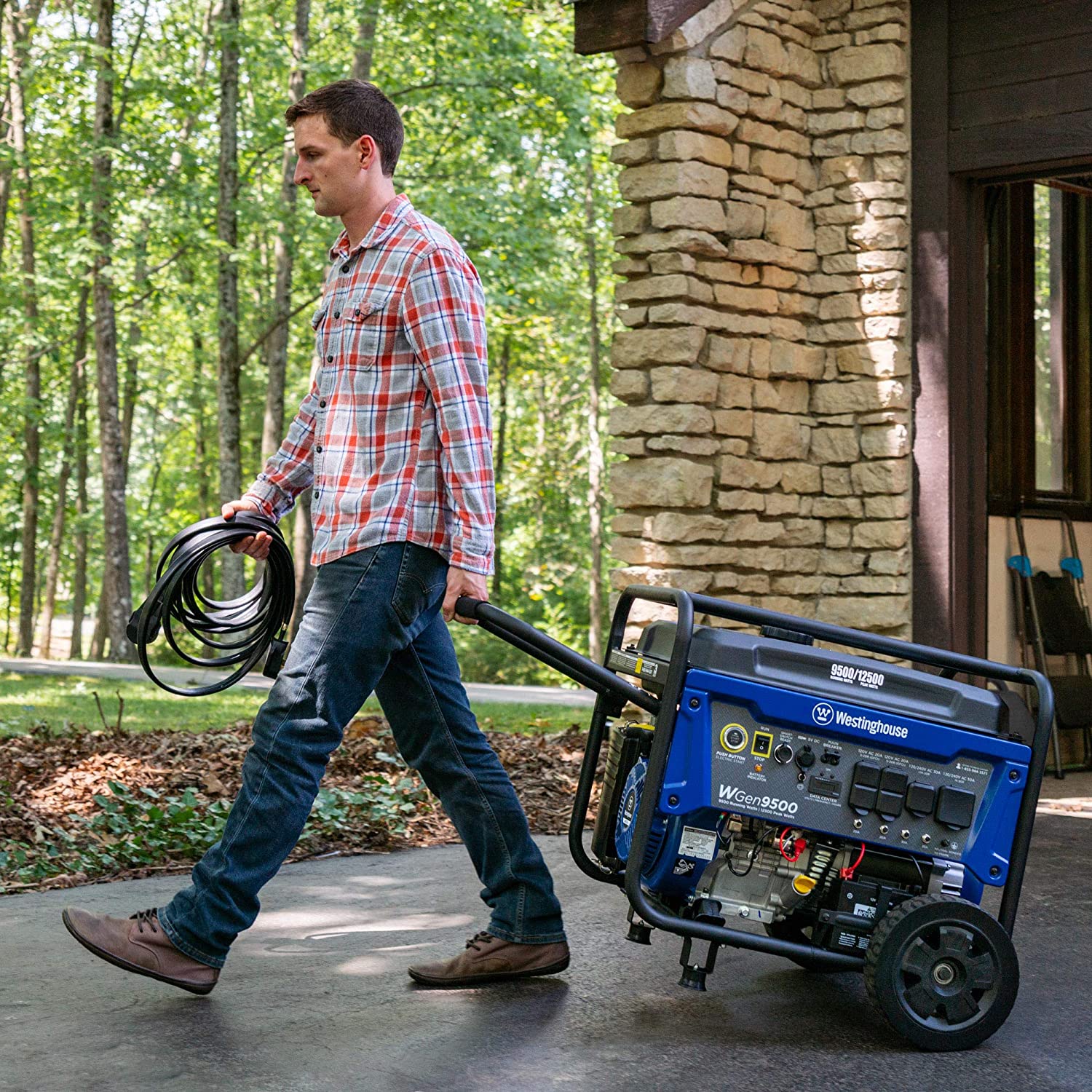
Portability is what makes portable generators so appealing. They’re portable to take anywhere and versatile for in-home and outdoor use. When storms or blackouts hit, they provide a fast power fix for lights, fridges, and other essential gear.
Storing and transporting portable generators is easy. Most have wheels and handles so they’re easy to store away when not in use. Since they don’t require a fixed installation, they’re ideal for spaces where permanent units just aren’t an option.
They come with different power outputs. Some can only operate a handful of mini essentials, while larger models can simultaneously power multiple major appliances. The correct size depends on what you want to keep powered during the outage.
Portable Generator Safety is a must! Most feature low-oil shutoff, overload protection, and ground fault circuit interrupters. Quiet models can keep noise down to around 60 decibels, which will help when used near living spaces.
Installation Process
Generator installation in Ocean County, NJ is a multi-step process that requires planning and craftsmanship to provide safety and reliability. Professional installation is highly advised as it prevents risk, optimizes your generator’s longevity and guarantees compliance with local and national codes. A little planning before you install things makes for an easier process, avoiding delays or surprises.
Seasoned electricians are involved throughout as they make all electrical connections and ensure safe system operation.
1. Site Assessment
All installations begin with a site evaluation. An installer inspects the property to determine a spot that is convenient for service and out of the way of high traffic paths or primary yard areas. The location should be able to accommodate safe exhaust ventilation, with at least 1 meter on all sides and a minimum of 1.5 meters away from any windows, doors, or vents or as required by the manufacturer.
Installers look for noise issues, convenient fuel line routing, and any obstructions, such as landscaping, that might hinder installation or future servicing. Any special electrical requirements get noted at this point to inform your next steps.
2. Local Permits
Permits are a prerequisite to begin work. In New Jersey, this meant typically electrical and gas permits, as well as municipal zoning approval. Installers had to collect documents like site plans and equipment specifications to provide with the application.
Approval can take anywhere from 1 to 3 weeks with the municipality. Being up to date on local codes helps installation stay up to code and avoids delays in final inspection.
3. Foundation Prep
We’re going to need a level base for our generator. Most units rest on a concrete pad poured after testing the soil for stability and drainage. A level, firm base holds the generator steady during operation and discourages water from collecting around the unit.
The pad’s dimensions and depth are determined by manufacturer recommendations. Drainage solutions such as gravel or grading are frequently incorporated to divert water away from vulnerable elements. This is important for long-term confidence.
4. Electrical Work
Licensed electricians do all the wiring and it typically requires 1 to 3 days. They make sure the generator ties in safely to the home’s electrical system, per local code. We install a transfer switch to move power from the grid to the generator in an outage.
Getting the circuits installed right and up to code keeps you from having overloads or shorts or other issues later on. Electrical inspections catch any problems prior to the generator coming on.
5. Fuel Connection
Once the generator is set and wired, it’s connected to a fuel source, typically natural gas or propane. Installers utilize IP approved piping and fittings to prevent leaks. Once the lines are connected, they test for leaks and check pressure.
Maintenance guidelines are reviewed with the homeowner to keep the fuel system safe and efficient over time, as periodic inspections are required to ensure continued reliability.
6. Final Inspection
A licensed inspector inspects all of the installation. The inspector ensures everything is up to code and confirms the transfer switch, wiring, and fuel lines operate properly. Your installer will test the generator by pulling utility power to simulate an outage.
We guide homeowners on how to operate and care for the system, including safety precautions and maintenance.
Ocean County Regulations
Ocean County, NJ, has explicit rules about generator installation that are all centered around safety, impact on neighbors, and correct connection to the utility. Individual municipalities might have specific needs, but the majority of regulations are county-wide.
The table below outlines essential rules and permit needs:
| Regulation Area | Requirement | Example/Detail |
|---|---|---|
| Clearance | 5-meter minimum from windows, doors, and openings | All residential units |
| Permit | Electrical, gas, and sometimes zoning permits | Varies by town |
| Location | Distance from property lines; varies per town | 1–3 meters typical |
| Base/Foundation | Level concrete pad or approved base required | Ensures stability |
| Stormwater Management | Placement must not disrupt water flow | Some areas restrict near drains or swales |
| Noise Level | Maximum decibel rating; operation hours may be restricted | 60–70 dB(A) common limit |
| Utility Hookup | Inspection and approval by utility provider | Coordination with local power company |
| Approval Time | 1–3 weeks for permit approval | Depends on municipal backlog |
Zoning Rules
Ocean County zoning rules determine where you can place a generator. Most towns require a minimum of 5 meters between your generator and windows or doors. Placement must adhere to local property line setbacks, which vary by neighborhood.
Some towns require a minimum of 1 to 3 meters from the property line, so it’s best to check the local zoning map before beginning the project. Size and type might be a factor. Big or commercial generators are often subject to tougher regulations and need specific variances or additional permits.
If your installation is outside normal zoning restrictions, the property owner will need to seek a variance, which usually entails a public hearing and additional bureaucratic overhead. When in doubt, the local zoning board is a good resource. Discussion with the board makes requirements clear and reduces delays.
Other homeowners have experienced permit approval times as short as one to three weeks, depending on the local office’s workload.
Noise Ordinances
Noise ordinances are a huge issue for many Ocean County residents. Generator noise complaints, particularly at night, caused us to restrict when and how long a generator can run. Almost all towns restrict generator use very late at night and early in the morning.
Selecting a generator with a decreased decibel rating can assist in satisfying these standards. Most models run under 70 dB(A), which is approximately the noise level of a vacuum cleaner. Homeowners should find out how to operate generators as quietly as they can.
Situating the generator away from bedrooms and common living areas and utilizing sound barriers can help minimize noise. Checking periodically helps ensure the generator remains in compliance with local ordinances, preventing fines or neighbor complaints.
Utility Hookup
Proper hookup to the local power grid is key. Nearly every Ocean County town requires a licensed electrician to do connections, and electrical and gas permits are required as well. It typically begins by sending plans to the utility.
The utility company might want to inspect the system before approving it. This makes sure the generator isn’t dangerous to the grid. Certain towns do add some additional fees for these inspections, so homeowners should include these in their calculations.
After the truck hook-up passes inspection, your generator can run freely during outages. Homeowners are advised to maintain all permits and inspection records for future inquiries or sales.
Cost Factors
There are a number of cost factors that come into play with generator installation. It prevents budget shocks and promotes wise decision making. The main cost factors include:
- Equipment: generator unit, transfer switches, fuel tanks, warranties
- Labor: installation, electrical work, site preparation, unexpected overtime
- Permits: application fees, inspections, compliance with local rules
- Financing: loans, payment plans, interest rates, special provider offers
A definite budget ought to include all of these. It’s worth considering long-term savings, like protection from power outages and reduced downtime.
Equipment
The cost of generator equipment is related to size, brand, and features. For whole-house generators, size is everything. Bigger homes with central HVAC or well pumps might require 20 to 24 kW units, and those will cost more than the smaller options.
Just the equipment can run mid-four to five figures, depending on capacity and brand. Extras like transfer switches and fuel tanks contribute to the overall cost. Brands might throw in warranties or service agreements, which can impact up-front and future expenses.
Brand to brand model comparisons can emphasize value and identify hidden fees. Others opt for units with extended service plans for peace of mind during the generator’s 20-year lifespan.
Labor
Labor rates vary based on the technical difficulty of the work and the experience required. A minimal setup for a tiny home might be simple. More extensive systems or homes with unusual wiring can increase the requirements.
Installers take care of everything from electric to fuel connections and safety inspections. It’s wise to shop around and obtain quotes from multiple contractors. Rates are all over the map.
Always seek out licensed electricians who know the local codes. If issues arise, like difficult site conditions or weather delays, labor costs can increase and sometimes even necessitate overtime pay.
Permits
Permit fees are a must-have in the budget. They include local permits and inspections required for safety compliance. They’re not always hard costs and they can vary greatly by location and project size.
Permit timelines may impact when installation can begin. Additional inspections could be necessary if the installation is tricky or local regulations shift. Staying on top of these assists you in avoiding late fees and surcharges.
Financing
Financing options bring generator installation within reach. Certain providers will have payment plans, so you can spread the costs out. There may be low-interest loans or introductory offers that can reduce the burden on monthly budgets.
Always consider how interest and fees affect your total project cost. Financing helps many homeowners handle four- or five-figure expenses, particularly when whole-house generator systems can cost between $6,000 and $15,000.
Local Expertise
Generator installation Ocean County NJ requires more than just technical aptitude. The area’s storm and power outages make local expertise, experience, and dependability essential. Contractors with local ties will be more likely to foresee issues from erratic weather to local building regulations.
Selecting a provider with local expertise assists homeowners in satisfying all compliance requirements while guaranteeing their generator system is constructed to endure.
Storm Readiness
Storm readiness is at the heart of many in Ocean County and surrounding communities. Homeowners here understand that blackout storms are the norm, not the exception. Good generator companies know these local dangers and provide options designed to withstand heavy rains, wind, and even flooding.
They assist in sizing generators for each home’s requirements and can recommend extras such as automatic transfer switches that activate immediately when the power goes out. Local companies have emergency plans too, so you can get expedited repairs or support even in the midst of a raging storm.
Others provide 24/7 support, which is nice peace of mind when the weather gets nasty. Local experts can advise on backup power solutions customized to coastal New Jersey’s specific hazards, considering adjacent flood zones and local council noise ordinances.
Code Knowledge
New Jersey has strict building codes and safety rules. It’s essential to verify that a contractor is appropriately licensed and insured, something that’s required for any electrical work in the state. Local electricians can provide evidence of previous projects that passed inspection and satisfied every code.
They have to stay on top of state and county modifications, like wiring or noise rule updates, so each gig is up to date. Having been through it all, permit applications, flood zone requirements, and working with inspectors will accelerate the process.
Many of these local pros are trained to think about aesthetics, ensuring gear blends with the property instead of sticking out.
Supply Chain
Local expertise refers to supply chain reliability when it comes to how quickly a newly purchased generator is installed and serviced. Local dealers can access quality parts and equipment quickly through close relationships with major manufacturers.
This frequently translates to less wait, even during high-storm demand. It’s wise to inquire with any provider what they do in the event of shortages or delays. Seasoned companies might have alternate vendors or keep frequently needed components on hand in your region.
Those with a strong supply chain can provide superior warranty servicing and service plans, extending the longevity and performance of equipment.
Beyond Installation
Well over installation, after installation is complete, homeowners in Ocean County, NJ and beyond need to prepare for maintenance, enhancements, and timely assistance. Most licensed electricians offer clear communication, quick turnaround, and transparent pricing for anything beyond installation. Beyond installation, 24/7 emergency support and more is often perceived as a must-have for peace of mind and uninterrupted power.
Maintenance
One of the best things you can do to keep a generator working is to schedule maintenance. Most manufacturers recommend inspections semi-annually or after a specific number of hours, whichever comes first. Following these tips can help scout issues before they become expensive or cause outages.
I thought I’d check in to mention that even for homeowners beyond installation, heed warning signs such as odd noises, slow starts, or error codes. They are often a sign of a need for service. Others opt for annual service contracts to make life easier.
This way, you’re giving each system the attention it needs, and you’re eliminating the headache of remembering service schedules. It offers a one-stop shop for all generator needs, which a lot of people like.
Tips for ongoing maintenance and support:
- Schedule inspections with licensed and insured technicians.
- CHANGE WORN PARTS, OIL AND CLEAN FILTERS PER RECOMMENDATION
- Keep records of all service dates and work done.
- Check for software updates if your generator is digital.
- Try out your system under load once a year.
- Confirm emergency support is available 24/7 from your provider.
- Request transparent quotes for all maintenance and repairs.
- Make sure your technician recertifies annually.
Upgrades
A generator upgrade can increase output and efficiency. Options could be an automatic transfer switch, remote monitoring tools, or replacing older components with newer, more efficient ones. A few systems now include app-based controls or improved fuel efficiency, assisting in lowering operational expenses.
Going forward, factor in possible power increases from a home renovation or new appliances. New technology means they can monitor how well it’s working and intervene before things get critical. Homeowners who keep up with the upgrades have systems that tend to last longer and perform better.
Troubleshooting
Most generator issues boil down to a few common causes. A basic troubleshooting guide empowers homeowners to tackle minor problems solo, such as resetting tripped breakers or refilling fuel. Training in simple diagnostics, such as listening for unexpected noise or tracking error codes, can accelerate resolutions and stave off damage.
When trouble continues, quick reporting to a certified technician is crucial. Many homeowners will attest they maintain a generator log that helps identify and repair persistent issues. Rapid times are important, particularly in an emergency when power is required immediately.
Conclusion
Getting a generator installed in Ocean County, NJ is about more than just selecting a brand or capacity. Local ordinances dictate what you may do. Prices vary depending on your power requirements and location. Local installers know the work and can help you pick what fits. Ocean County has its own permit and safety steps and rules. The right team will walk you through the entire job from beginning to end. They assist with maintenance as well so backup power operates when you need it the most. For more on local options or to receive a quote, contact a licensed installer with good reviews and genuine expertise. Be prepared and maintain your power flow.
Frequently Asked Questions
What types of generators are best for homes in Ocean County, NJ?
Both standby and portable generators are very common. Standby units provide seamless electricity when the power goes out, whereas portable units are more versatile. Select according to your power requirements and budget.
How long does generator installation take?
The majority of residential generator installations are completed within one to two days. It depends on the generator, site preparation, and local inspections.
Are there specific regulations for generator installation in Ocean County?
Yes. Ocean County complies with NJ state codes and local zoning regulations. Permits and inspections are typically needed to ensure safe installation and operation.
What factors affect the cost of generator installation?
Important variables are generator size, fuel type, installation complexity and permit fees. Professional installation and site preparation can affect the bottom line.
Can I install a generator myself?
Installation by a professional is recommended due to safety issues and local regulations. Our licensed electricians make sure the system is up to code and safe.
Why is local expertise important for generator installation?
Local geniuses know area-specific codes, weather issues, and utility needs. They provide seamless installation and dependable service in an emergency.
What maintenance is needed after installation?
Regular maintenance includes checking fuel, changing oil, and testing the system regularly. Expert servicing keeps your generator prepared for any outage.