
Key Takeaways
- A quality initial consultation and precise system sizing are the foundation of an air conditioning installation that is energy efficient and comfortable.
- Adhering to local township codes and obtaining necessary permits guarantees an easy process and avoids headaches down the road for homeowners.
- Selecting an energy efficient, properly sized system will save you money at utilities and add value in the long run for any style or size of home.
- Homeowners get the advantage of bringing on licensed, insured, and well-reviewed contractors to ensure quality installation and peace of mind.
- With all the great utility rebates and financing opportunities out there, AC installation in Howell, NJ is easier and more affordable than ever.
- Apart from keeping you cool, modern AC systems are equipped to provide improved indoor air quality, add value to your home, and work quietly for everyday comfort.
AC installation Howell NJ involves installing a new or replacing an old air conditioning unit at residential or commercial properties. People want dependable service for comfort, improved indoor air, and energy efficiency.
Local rules and climate also influence what type of unit works best. If you’re thinking about new AC installation in Howell, being aware of the process and alternatives prevents headaches down the road!
The Installation Blueprint
Think a good installation blueprint is important to hassle-free, cost-effective air conditioning installation in Howell, NJ. It takes into account room layout, insulation, and window locations. It catches problems like inconsistent cooling before anyone begins working.
With a proper blueprint, they can size and set up the system to match the home and local climate. This maintains smooth airflow, reduces energy expenses, and extends system life.
Steps in the AC Installation Process:
- Initial consultation to understand the homeowner’s needs and house layout.
- Correct system sizing based on home details and climate.
- Gathering and filing for local permits as needed.
- Careful prep and communication for install day.
- Final inspection for safety and quality, with homeowner guidance.
1. Initial Consultation
The initialization phase has a warm up step, where we meet to discuss what the homeowner desires and requires from their cooling system. Your installer will inquire about comfort preferences, allergies, and whether certain rooms require additional cooling support.
They will consider what HVAC system is already installed, whether the new unit can interface with it or upgrades are necessary. They tour the home observing air flow and through which rooms get warm or cool, where the windows are, where the doors are, and how the sun strikes the space.
This comprehensive checkup assists in snagging any trouble areas early. Following this, they provide a menu of choices, simplifying the homeowner’s decision as to what best meets their requirements and budget.
2. System Sizing
Sizing correctly is more than understanding the home’s square meters. The installer sizes the room, verifies the insulation, and contemplates the height of the ceiling and the location of the windows.
A house with large sun-facing windows or heavy walls will require a different setup than one without. They rely on norms, such as BTU (British Thermal Unit) calculations, to select the size.
If the system is too small, it won’t cool nicely. If it is too large, it turns on and off in a cycle, wasting power and burning out quickly. A correctly sized system keeps the temperature stable and minimizes your cost.
3. Local Permitting
Howell, NJ every job requires permits prior to commencement. The installer discovers what permits are required and completes the forms. Permits ensure the system is up to local code, so your home is safe and you don’t get fined.
The approval may take days or weeks. Thus, this step may pace the entire job. Observing these rules from the beginning keeps the install on track and trouble-free over the long haul.
4. The Install Day
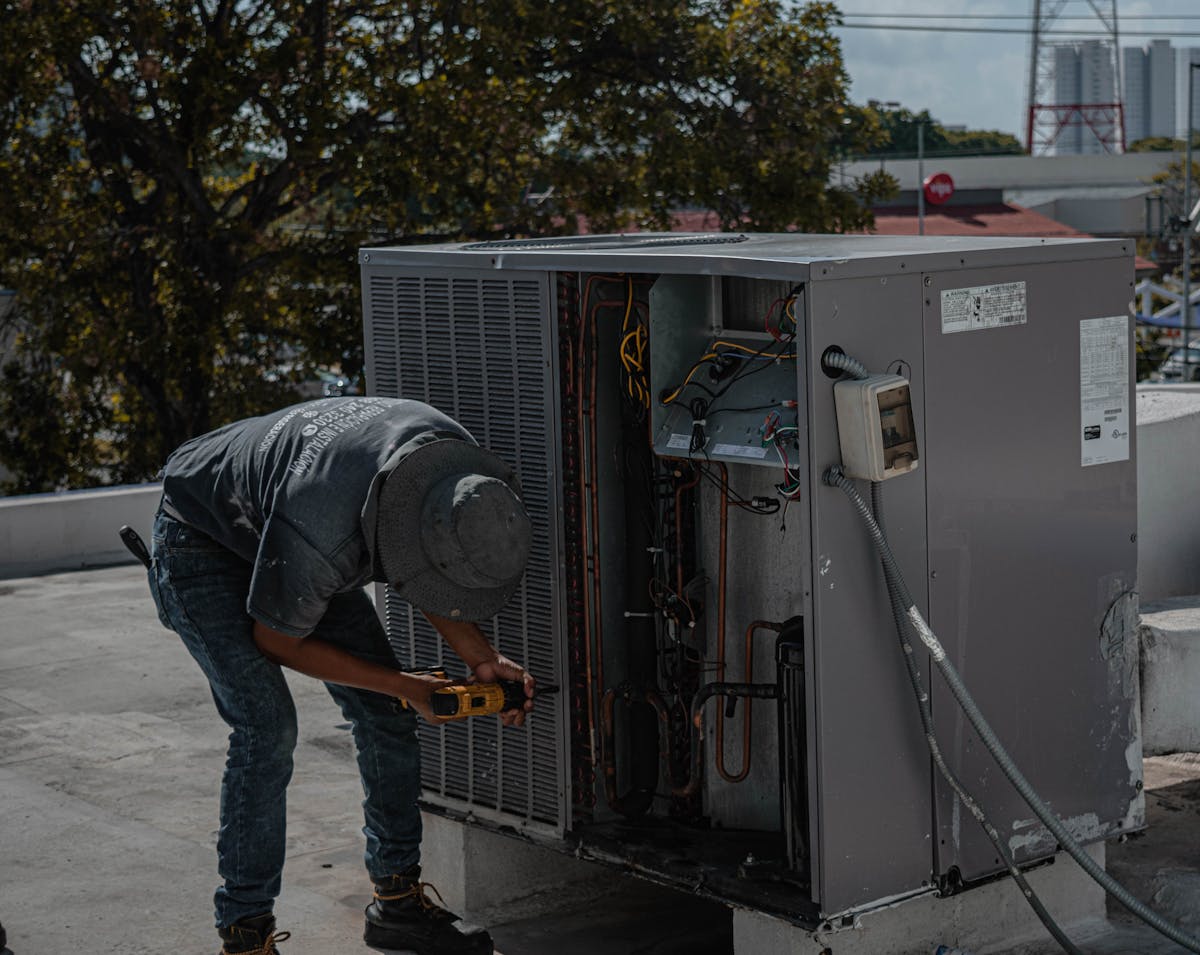
Installers prepare the site, install covers, and come equipped with tools. They inform the homeowner on how long the job is, what to expect, and address any last minute questions.
We inspect every piece of equipment prior to its installation. Now that the system is installed, the installer goes through the house with the homeowner. They demonstrate operating the controls and provide care tips.
5. Final Inspection
We conduct a complete inspection to ensure your system is secure and operating correctly. The flow of air, refrigerant, and wiring are tested.
The installation pro provides advice on simple maintenance, such as filter replacements, and leaves behind warranty documents and manuals.
Choosing Your System
What type of air conditioning system you choose matters when you want consistent comfort and to keep costs in check during the long, hot summer. I’ve found that systems that are sized to match home size and layout work best. Your system choice can reduce your energy bills, increase air quality, and reduce the chances of unexpected breakdowns.
If you’re opting to upgrade from an antiquated unit, it helps you control your lifetime costs and keeps homes cooler on the hottest days of the summer.
Unit Types
| Unit Type | Installation Needs | Efficiency | Space Needs | Look/Aesthetics |
|---|---|---|---|---|
| Central AC | Ductwork; professional install | High (if sized right) | Needs space for ducts/large unit | Discreet, blends with décor |
| Ductless Mini-Split | Wall-mounted; minimal disruption | High (zone control) | Compact; no ducts needed | Modern, visible inside |
| Window Unit | DIY possible; single window | Moderate | Takes window space | Visible, less discreet |
Central AC systems fit homes with ductwork, providing uniform cooling and quieter performance. Ductless mini-splits are great for additions or for smaller homes. They occupy minimal space and can cool spaces on their own.
Window units cool individual rooms or apartments but consume window space and tend to be inefficient. Appearance varies. Central systems conceal the majority of components, while mini-splits and window units are very visible. The right system blends space, aesthetic, and comfort requirements for every family.
Efficiency Ratings
A SEER (Seasonal Energy Efficiency Ratio) rating indicates how efficiently an air conditioner utilizes electricity. The higher the SEER, the more cooling you get for less energy. In places with expensive electricity or long summers, like Howell, NJ, selecting a high-SEER model can provide real savings.
Entry-level units begin at SEER 13 to 15, with high-efficiency models going up to 20 or more and featuring smart controls. Selecting a system with a higher SEER rating benefits not only the environment but your wallet as well.
Less energy means fewer emissions and lower bills. For instance, replacing an old SEER 10 with a SEER 18 system can reduce cooling expenses by as much as 40%. Certain energy-efficient brands are prevalent in Howell, such as Carrier Infinity, Daikin Fit, and Mitsubishi Electric mini-splits.
Brand Reliability
| Brand | Known For | Common Warranty |
|---|---|---|
| Carrier | Consistent quality | 10-year parts |
| Trane | Long life, durability | 10-12 years parts |
| Mitsubishi | Mini-split expertise | 7-12 years parts |
| Lennox | High efficiency | 10-year parts |
Brand counts for dependability and peace of mind. Good brands stand behind their stuff with good warranties and good service. Choosing a system is important.
A solid warranty goes a long way toward future savings on repairs, as clogged filters or leaks can cause systems to struggle and ultimately fail. Review-checking helps you identify typical problems and observe how companies provide assistance.
Homeowners should seek out brands with robust local service networks. A good brand can translate into less emergency fixing and greater long-term value.
Howell-Specific Factors
Howell Township’s climate and housing landscape influence how air conditioning systems are selected, installed, and serviced. Summers are hot and muggy, with highs in the mid 80s and humidity exceeding 70%. Winters dip into the 20s and howl with strong winds, necessitating a system that can withstand both.
Complicating matters is the Howell-specific factor of a mix of old farmhouses and new homes sprinkled throughout the area, which must adhere to strict township codes.
Coastal Humidity
Howell-specific things High humidity from Howell’s proximity to the ocean impacts the efficiency of air conditioners. Moist air makes cooling less efficient, and systems need to work harder to keep you comfortable. This frequently results in increased energy consumption and greater machinery degradation.
Humidity makes a tangible difference on indoor air. When it’s too high, homes can feel clammy and stuffy. Mold and dust mites flourish in these conditions, impacting the health of allergy sufferers in particular.
Consider systems with built-in dehumidifiers or variable-speed compressors. These are able to modulate airflow and wick additional sweat, leaving you feeling comfortable.
Homeowners can maintain humidity control by operating kitchen and bath exhaust fans, sealing leaks around doors and windows, and ensuring the AC’s condensate drain remains clear. Routine filter changes assist.
Property Styles
Howell has a blend of older and newer homes and that counts when installing AC. Classic farmhouse features can make ductwork difficult to install, and insulation may not be up to today’s standards.
This is why ductless mini-split or high velocity units tend to be better fits because they require less invasive installation. Newer homes closer to 79 typically have modern insulation and floorplans that accommodate standard central air.
Even in these, window placement and room size can impact how cool the house feels. Retrofitting older homes can be painful, particularly if you hope to maintain some original building elements.
Here, small-duct high-velocity systems or split units keep structural changes to a minimum.
Township Codes
Howell Township has codes that provide regulations for HVAC installation. These address issues such as system size, outdoor unit locations, and minimum efficiency standards.
Adhering to these codes is safe, insurance-friendly, and fine-preventive. For example, codes may require permits and inspections. Local rules might restrict how close you can put outdoor compressors or impose noise restrictions, which impacts system selection.
Certain codes even mandate newer, more efficient models, particularly in remodels. Homeowners should always check for updates before beginning projects because codes can change.
Vetting Contractors
Finding a reputable and experienced HVAC contractor is an important factor of AC installation in Howell, NJ. The right professional leads to less hassle, safer work, and superior long-term functionality. It’s not just about identifying the skilled person. Homeowners have to be on the hunt for transparent communication, genuine experience, and actual evidence of previous excellent work.
Vetting is time consuming, but it keeps you out of trouble with scams, unexpected costs, and junk work.
Licensing
First, make sure the contractor has a valid license to operate in New Jersey. Licensing requires licensed contractors to comply with state regulations that commonly include a combination of training, testing, and continuing education. This assists in ensuring that every job complies with local safety codes.
Homeowners need to request licensing verification before they commit to any work. Excellent contractors can provide their license and have no problem with questions.
Hiring certified techs is a must for AC install. Being certified means the individual has learned the fundamentals and best practices for safe, quality installations. This can reduce the danger of hardware or code problems down the line.
It’s clever to verify whether the contractor belongs to trade groups, which frequently maintain elevated standards.
Insurance
As important as checking licenses is checking insurance. Contractors need liability insurance and worker’s compensation. Liability insurance aids if there is damage to the house or injury on site. This shields homeowners from expensive lawsuits and legal issues.
Homeowners should always ask for insurance proof before work starts. For vetting contractors, some will show you a certificate or offer to have their agent verify coverage. Insured contractors bring peace of mind and prevent major liabilities.
Without insurance, even a minor accident would be a huge headache.
Local Reviews
DON’T just hire, look up local reviews and testimonials. Online reviews, whether from general sites like Google and Yelp or industry-specific directories, can give you a sense of how dependable and talented a contractor is. Reading dozens of reviews assists in noticing patterns, both positive and negative, and provides a more complete idea of what to anticipate.
Customer feedback tells you how a contractor deals with adversity, delivers on commitments and addresses issues. Local reviews from others in your area are especially helpful.
A contractor with consistent, glowing community reviews usually translates to better service and less unexpected headaches. It’s still prudent to vet references and past work to determine if the work quality lives up to the hype.
Cost and Value
Cost versus value – air conditioning in Howell, NJ. The sticker price may appear high initially, but peering past the one-time invoice reveals a wider perspective. Homeowners consider not just what they pay in the moment, but what they save and earn over time. Long-term value comes from energy savings, improved indoor comfort, and reduced repairs. Choosing the right system matters, particularly in homes experiencing hot summers and rising energy bills.
Key factors that influence AC installation costs include:
- Unit size and cooling capacity in kilowatts or tons.
- Type of system (split, ductless, central, etc.)
- SEER rating (Seasonal Energy Efficiency Ratio, 13 to 17 plus)
- Quality and brand of the unit
- Complexity of the install (existing ductwork, electrical upgrades)
- Additional features or smart controls
- Labor charges and local market rates
Installation Pricing
Most homes can expect to pay anywhere from $2,300 for a basic 2-ton unit to $11,503 for the top of the line for a new air conditioner. A mid-range system, which suits the requirements of most families, runs around $5,000 on average. Costs vary depending on the system you opt for—central air, ductless, or multi-split.
Installations requiring new ductwork or electrical rewiring come with higher price tags. System efficiency, as gauged by SEER, is an important cost consideration. The higher the SEER, the more expensive a unit will be initially, but the lower your future energy bills.
It’s smart to get quotes from a few different providers, as labor rates and what’s included in packages vary. Some include things like old unit removal, basic warranty, or a tune-up; others charge per line item. Homeowners, be sure to see what’s included to prevent any unpleasant surprises.
Utility Rebates
Utility rebates can reduce the net cost of a new AC. Several programs provide direct cash-back or credits on your energy bill based on the system’s efficiency rating. Homeowners, contact your local utilities or peruse their websites for current offers. Incentives change annually.
To maximize your savings, see if your system is eligible for local energy efficiency rebates. Gather all documentation and receipts for rebate claims. Check for those few necessary qualifications, such as SEER score or ENERGY STAR qualifying. Submit rebate applications soon after installation to meet deadlines.
Opting for an energy-efficient unit with a SEER greater than 15 tends to yield larger rebates, driving the affordability of premium products.
Financing Options
A lot of HVAC companies in Howell provide homeowners with options for financing new air conditioning. Some provide plans that divide the cost into manageable monthly payments. This strategy helps to soften a big buy for families that like to budget purchases over time.
Review the terms of any financing offer, including interest rates, fees and what you will pay in total over the life of the plan. Not all plans are equal and some can add substantial costs over time.
Discuss financing options during your consultation and be sure to compare what your installer offers against local lenders to find the best fit.
Beyond Temperature
AC does a lot more than just chill. For homes in Howell, NJ, and climates around the world, the right system can increase your health, comfort, and property value. Making smart decisions that are about more than just temperature regulation.
Air Quality
Newer A/C units use filters to catch dust, pollen, and other particles in the air which eliminates many allergy and asthmatic concerns. Some of the more advanced systems have HEPA filters or UV light for more thorough air purification.
Routine maintenance is crucial for maintaining high air quality. Changing your filters and having it checked at least twice a year, before the hot and cold seasons, helps prevent dust buildup and keeps systems running effectively. This is particularly true for regions such as Monmouth County where HVAC units must operate all year round between hot and humid summers and cold winters.
When units run in humid air, like when NJ summer humidity goes over 70%, they extract moisture, which inhibits mold and allergens. Good humidity control means fewer issues with musty or mildewy smells.
So, when you’re shopping for a new system, it’s smart to look for features that enhance air quality. Extras such as multi-stage filtration or humidity controls can really be a game changer for air issue sufferers.
Home Resale
A new, well-maintained AC system can differentiate a property. They seek out homes that already have efficient, reliable HVAC systems in place, particularly in areas with challenging weather shifts. High-efficiency models with SEER ratings as high as 20 or furnaces with AFUE above 95 percent can reduce energy bills, a benefit to future owners.
Homes with a new HVAC upgrade tend to sell a little faster. Sellers often net a higher price for their home when they can provide documentation of preventive maintenance. These logs demonstrate to purchasers that the system has been maintained, reducing the likelihood of unexpected malfunctions or repair expenses.

In a saturated marketplace, this provides any property with an advantage. Thinking resale value when you pick your new system can pay off in the long run. It’s a tough choice as they consider possible savings and comfort.
Noise Levels
Noise impacts the comfortable quality of a home, particularly in hushed neighborhoods. Other older AC units drip water or emit a consistent hum or rattle that is distracting. Newer models use sound-dampening that keeps noise low so you can work or relax without background buzz.
When selecting a system, check the decibel rating. Most of the high-efficiency units are designed to remain under 60 decibels, which is roughly the same noise level as a normal conversation.
For more than the temperature, seek out brands that emphasize whisper-quiet operation and noise-muffling technology. Homes with silent AC’s just seem more serene. This can be significant for families or anyone working from home.
Conclusion
To replace your air conditioning in Howell, a little planning goes a long way. Local weather requires special attention. Choose a system that matches your space and saves on bills. Look up a contractor’s record and ratings before you hire. Watch for transparent quotes and excellent responses to your inquiries. The right team will install your system right the first time. Good AC is more than just cool air. It keeps air fresh and dry as well. Save with checkups and smart use. Desire superior comfort and lower stress in Howell. Begin with a concrete strategy and no BS counsel. Need more tips or want to share your story? Comment or reach out today!
Frequently Asked Questions
What should I consider before installing a new AC system in Howell, NJ?
Peep your home’s size, insulation, and current ductwork. Consider local climate and energy efficiency. Ask a trusted pro for the right fit.
How do I choose the right air conditioning system?
Search for high efficiency systems. Select capacity appropriate for your space and warranty before you make your decision.
Why is it important to hire a licensed contractor in Howell, NJ?
Licensed contractors adhere to local codes and safety standards. This helps guarantee quality installation, warranty coverage, and long-term system reliability.
What factors affect AC installation costs in Howell, NJ?
System size, style and the energy rating influence the costs. Installation difficulty and ductwork or electrical upgrades can bump up prices.
How long does AC installation usually take?
The majority of AC installations require one or two days. Complicated setups or extra work might take longer.
Can a new AC system improve indoor air quality?
Yes, today’s AC units frequently have filters and properties that get rid of dust, allergens, and pollutants that could be present in dry air. This keeps indoor air cleaner.
Are there local regulations for AC installation in Howell, NJ?
Yeah, permits and inspections are typically involved. Licensed contractors will take care of these steps and make sure you’re up to local codes.