

Key Takeaways
- Check the location of your thermostat. For best results, it should be centrally located and free from obstructions, away from direct sunlight or heat sources.
- Frequently clean and check the thermostat sensors and components to ensure proper temperature readings and system operation.
- Make sure your thermostat is compatible with your HVAC system and the settings are correctly programmed for the current season.
- Keep airflow in check. Check your vents and filters for blockage or closed vents to facilitate an even heating or cooling.
- Utilize diagnostic checklists and simple troubleshooting to determine typical problems before seeking professional assistance.
- Upgrade to a smart thermostat for better control, remote access, and automated energy-saving settings.
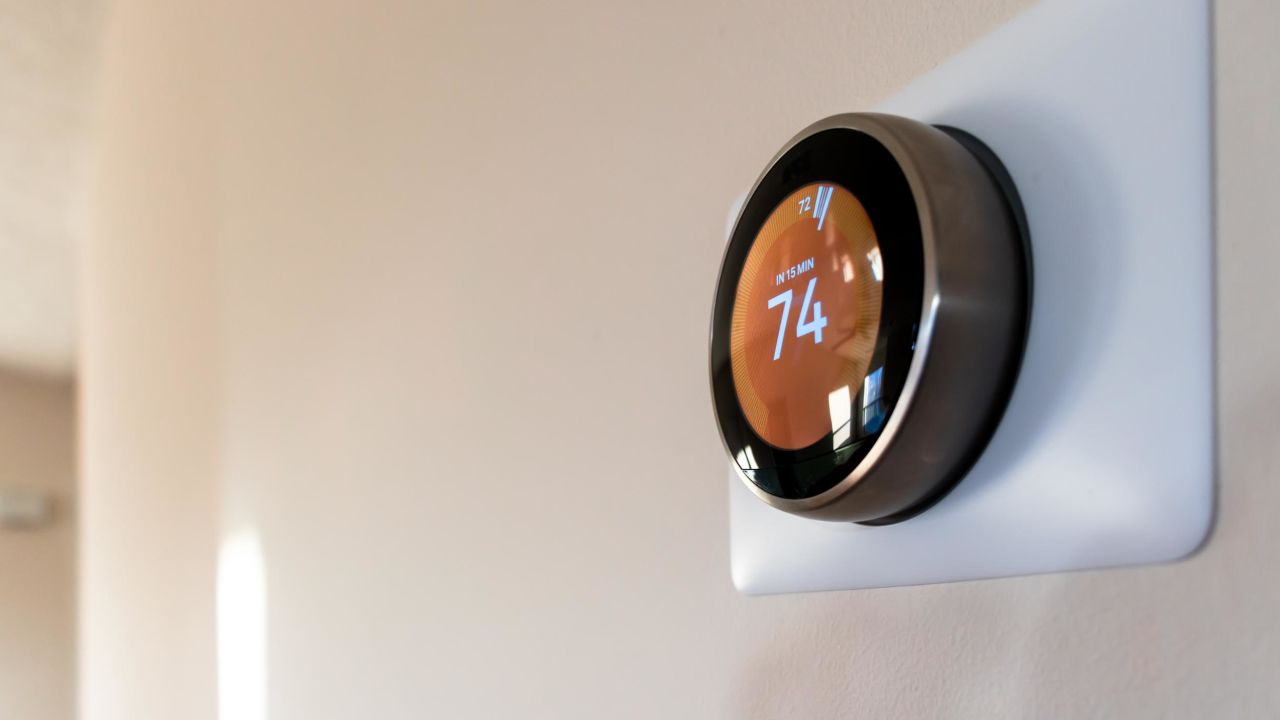
A thermostat not reaching set temperature is when your device doesn’t actually hit your “set” number for your room. This can manifest as rooms that remain too cold or warm, even when the thermostat appears on.
Typical culprits include outdated wiring, congested vents, or incorrect thermostat configuration. To help sort out these problems and keep your space stable, the following sections delineate what to inspect and correct.
Common Culprits
There are a few things that can prevent a thermostat from achieving its set point. They run the gamut from obvious placement errors to subtler HVAC mismatches. Knowing what causes it lets you find the right fix fast.
| Issue | Cause | Solution |
|---|---|---|
| Thermostat not accurate | Poor placement, sunlight, drafts, or heat sources | Move thermostat to central location |
| Inconsistent heating | Clogged air filter, blocked vents, duct leaks | Clean/replace filter, clear vents |
| Sensor errors | Dirt buildup, faulty sensor | Clean or replace sensor |
| Power failures | Dead batteries, tripped breaker, faulty wiring | Replace batteries, check connections |
| System mismatch | Wrong thermostat for HVAC type | Upgrade thermostat or consult expert |
| Airflow problems | Obstructed or closed vents, debris | Remove blockages, inspect ductwork |
1. Thermostat Location
A thermostat performs optimally in a central location. If installed near windows, direct sunlight or drafty doorways, it can detect heat or cold that is not representative of the room’s actual temperature.
Heat sources, such as lamps or large appliances, can cause the thermostat to misread the air temperature. Don’t hide it behind furniture or decor as these can block air flow across the unit, resulting in inaccurate readings.
If your thermostat frequently exhibits erroneous temperature readings, relocating it to a more open, central location can remedy many problems.
2. Sensor Issues
Common culprits: A dirty sensor can’t sense temperature right. Even a light coating of dust alters how the thermostat senses the air.
Faulty sensors can degrade from old age or electrical issues. Clean the sensor with a soft cloth and check for loose wires. If cleaning doesn’t help, replacing the sensor is the next step.
Dirt is one of the most common culprits. Keeping the sensors clean helps ensure accurate readings and keeps the home comfortable.
3. Power Problems
Dead batteries are an easy and frequent offender. Battery thermostats go dead and won’t respond when the batteries die.
Wiring issues, such as loose or corroded wires, can break power. Check the breaker for the HVAC. A tripped breaker will shut it all down.
For persistent power problems, contact a professional as more profound electrical issues can lead to system-wide malfunctions.
4. System Mismatch
Thermostats aren’t one-size-fits-all. If the thermostat’s not designed for your HVAC system, such as a heat pump thermostat for a furnace, it won’t work properly.
About frequent offenders, often the settings aren’t right for the heating and cooling needs. Be sure to always check compatibility when you’re installing a new unit.
If the system still can’t hit set temperatures despite modifications, seek a mismatch or consult with an HVAC pro.
5. Airflow Obstruction
Clogged air filters inhibit air from passing across the vents, resulting in the room struggling to reach the desired temperature. Clean your filters and change them every few months.
Blocked or closed vents lead to uneven room temperatures. Furniture, dust, or debris in front of vents can impede airflow.
Duct leaks or blockages mean that heated or cooled air never reaches the rooms. Always make sure both vents and ductwork are clear, open passages.
Diagnostic Steps
Getting diagnosis right begins by decomposing the process into concrete steps to be referenced later. Logging issues allows you to trace the source. Go for easy answers first to alleviate needlessly hassling the pros. When it comes to thermostat troubleshooting, a checklist methodology guarantees completeness and reproducibility.
Check Settings
Check your thermostat settings to ensure they’re appropriate. The thermostat must be in heating or cooling mode, depending on the season. Verify the temperature setting itself and ensure that it’s at the desired setting. For example, if the room is supposed to be at 21°C, make sure the thermostat is not accidentally set lower or higher.
When the system isn’t responding, see if it’s in the correct mode. Occasionally, thermostats are set to “fan only” or “off” unintentionally. If in doubt, return the thermostat to factory defaults. Power the device down, wait more than 10 seconds, then power it back on. This frequently clears up puzzling or stuck settings.
Finally, if your thermostat runs on batteries, make sure they are functioning. If the batteries for your thermostat are old or weak, this can cause the thermostat to malfunction. Try the batteries annually and replace them as necessary.
Clean Components
- Wipe the thermostat’s screen and buttons with a soft, dry cloth.
- Carefully clean out dust and dirt from the thermostat’s body and wall vicinity.
- Open the thermostat (if possible) and gently brush out the inside with a small brush or canned air.
- Verify that vents or air filters located in the same room are clean and unobstructed.
- Change air filters every 1 to 3 months to increase airflow and avoid dirt accumulation.
- Incorporate cleaning the thermostat into your normal HVAC maintenance.
Dried out clogs can clog sensors, causing inaccurate readings. A clean thermostat operates more efficiently and has a longer lifespan.
Test Calibration
- Place an accurate thermometer next to your thermostat, not near any windows, doors, or in direct sunlight.
- Let both devices sit undisturbed for 15–20 minutes.
- Contrast the readings. If the thermostat reads something different, recalibrate it accordingly based on the manufacturer’s instructions.
- Log the calibration results and changes for future reference.
If recalibration doesn’t do the trick, there may be problems with faulty sensors, old wiring, or a heating or cooling unit that is undersized for the room. Make notes of any abnormal temperature readings and the steps taken for full troubleshooting documentation.
Environmental Influences
Thermostats have difficulty reaching set temperatures because of environmental influences that direct the flow of hot or cool air inside. These influences extend beyond the system itself and can vary by season, climate, or even home construction.
Humidity is a big factor in how a thermostat functions. Overly humid conditions can interfere with sensors measuring the room’s temperature. If inside humidity is high, a thermostat can read the wrong number, making the air feel warmer or cooler than it actually is.
For instance, summer’s humidity can cause a room to feel sticky even though the thermostat indicates it is cool. Winter dry air may make it feel colder. Maintaining humidity between 30 and 50 percent is essential for comfort and precise measurements.
Outdoor temperatures fluctuate from season to season and this impacts what your thermostat has to do to maintain a room temperature you desire. If it’s blazing hot or freezing cold outdoors, your HVAC system is under more stress.
In winter, just 18°C/65°F, a number frequently considered ‘safe’, can cause hypothermia, particularly in seniors or children. We know from research that cold exposure correlates with increased morbidity and mortality globally.
Even indoors, women’s hands can be as much as 3°C (5.4°F) cooler than men’s when it’s cold, illustrating the body’s response to temperature. At night, body temperature drops, reaching a nadir in the early morning. Melatonin, the sleep hormone, kicks off this fall pre-bedtime.
If the room becomes too hot at night, it will rouse you and break sleep. Others such as pregnant women or those on progesterone-containing birth control may find themselves getting warmer as their core temperature rises.
The seasons have changed so should your thermostat settings. Heat in winter and cool in summer. Try adjusting your thermostat as the seasons change. This can keep comfort consistent and reduce energy waste.
If the weather warms up in spring, turning down the heater prevents overheating the house. As autumn nights cool off, turning up the heat keeps bedrooms cozy and warm.
Window and door drafts influence the indoor climate as well. Air leaks allow warm or cool air to escape to the outdoors, causing the thermostat to run longer and still never quite get to temperature.
Sealing gaps and good insulation assist the system to operate as designed. This not only increases comfort but promotes a healthier, safer home. Research demonstrates that healthy homes, those that are comfortable and warm, safeguard health and maintain strong communities.
Technology’s Role
Thermostats are at the heart of home comfort and HVAC efficiency. They don’t just set target temperatures; they function as the brains of heating and cooling systems. Smart thermostats take it a step further by utilizing sensors and smart controls to maintain stable temperatures indoors. These devices typically feature Wi-Fi, learning capabilities, and remote control.
To see how they all compare to one another, see the table below.
| Model | Key Features | Benefits | Typical Price (USD) |
|---|---|---|---|
| Nest Learning | Learns schedule, remote control, reports | Saves energy, easy to use | $200–$250 |
| Ecobee Smart | Room sensors, voice control, app | Wider coverage, integrates well | $180–$230 |
| Honeywell T9 | Smart room sensors, flexible app | Custom zones, simple to set up | $150–$200 |
| Tado Smart | Geofencing, open window detection | Energy savings, alerts | $120–$180 |
Something that these smart thermostat apps are all about! They allowed users to monitor and adjust settings from virtually anywhere — at work, on vacation, or even in bed. For instance, you can turn down the heat before leaving for the day, then turn it back on your way home. That saves cash and keeps apartments cozy.
For families or shared homes, different individuals can adjust controls when necessary, even remotely. Programmable features let you easily align heating and cooling to your daily schedule. By setting a schedule, you’re ensuring the system only operates when necessary.
For example, heat can be initiated a half an hour before rising and then lowered when the house empties for work. Cooling turns on right before you get home. This cuts down on energy waste and bills. A lot of these nifty thermostats use sensors to learn habits and automatically adjust settings.
Keeping smart thermostats updated is essential. Software updates typically resolve bugs, enhance security, and introduce new features. Most smart thermostats are able to update over Wi-Fi, so it’s a good idea to check for updates every few months. This keeps the system operating smoothly and maintains all controls functioning as expected.
HVAC system health counts. Filthy air filters impede airflow, which makes it hard for any thermostat to achieve the target temperature. Cleaning or swapping out filters a few times a month helps. Maintaining clean vents and ducts is important, too.
Dust and blockages reduce system efficiency. Your smart thermostat can alert you to these problems, but manual inspections provide extra assurance. Routine HVAC tune-ups, ideally annually, allow techs to detect issues, clean components, and maintain efficiency.
Test your system before very hot or cold spells to catch problems early, saving stress and cost. Every once in a while, thermostats read incorrectly, so it’s smart to verify their accuracy every now and then.
Beyond The Obvious
Thermostats not reaching the desired temperature can be indicative of more than a draft or open door. There are many sneaky problems that cause a home to be difficult to keep comfortable, regardless of season or climate.
Wiring issues are one of the less discussed reasons. Loose or worn wires can prevent signals from reaching your heating or cooling unit. This can translate into the system working half the time or not at all. If the system is sluggish or halting abruptly, check the wiring. Rewiring or making sure the correct wires go to the correct terminals can do the trick.
HVAC parts such as motors, fans, or compressors can fail. When these parts wear out, airflow decreases. That causes certain rooms to never quite get warm or cool enough. For instance, in homes with numerous windows, heat loss is greater during the winter. Rooms on the sunny side may be warm and the shaded ones cold.
Once the filter is clogged with dust, the air can’t travel freely and the desired temperature won’t be achieved. Rattles, odd smells, or uneven air flow can provide hints toward issues inside the system.
Thermostat age counts as well. Old models can’t sense the room’s actual temperature. Sometimes the thermostat reads 21°C (70°F) but a different thermometer reads 27°C (80°F). This may occur when sensors begin to deteriorate or the device is improperly calibrated.
A handful of newer smart thermostats can solve these issues by learning daily schedules and allowing users to adjust the temperature from a phone. Sometimes all it takes is a reset. Power cycling the unit, turning it off, waiting at least 10 seconds, and turning it back on can clear errors.
Don’t forget about your whole HVAC system’s performance. Systems in areas with serious heat, like 38°C or higher (100°F) summers, have to battle much more aggressively. If the system is oversized for the space or old, it may never reach the target temperature.
Ovens, for instance, add heat to certain rooms but not to the entire dwelling. Air filters become clogged with dirt and debris over time, which inhibits air flow and makes it more difficult for the thermostat to circulate air properly. Routine servicing and an inspection of system size and age can avoid most of these problems.
Preventative Maintenance
Preventative maintenance keeps a thermostat operating properly and assists a house in maintaining consistent, comfortable temperatures. Tiny problems, ignored, can become costly repairs down the road. Good maintenance does its part in reducing energy waste and keeping heating and cooling equipment operating optimally for years to come.

The following steps are key for anyone wanting to keep their thermostat and HVAC system in shape:
- Arrange for annual inspections with certified HVAC technicians. These experts identify worn components, leaks, or wiring issues before they escalate. An annual furnace and AC tune-up checks controls, calibrates the thermostat, and tests how rapidly and efficiently the system heats or cools. By catching minor issues in advance, homeowners can avoid unexpected breakdowns and larger repair costs later. Ideally, you’ll schedule these checkups a few weeks in advance of peak seasons—just before winter or summer—so any issues are addressed prior to the system working its hardest.
- Practice preventative maintenance by changing air filters often. Dust, pet hair, and pollen accumulate quickly, blocking filters and restricting airflow. It’s intelligent to rotate filters every 1 to 3 months, but pet households and allergy sufferers should check monthly. A clean air filter ensures the system won’t overexert, which helps maintain consistent heating and cooling and reduces energy expenses. Grimy filters make systems work too hard, run too long, and overheat or undercool.
- Clean vents and ducts to prevent blockages. Dust and debris can accumulate in vents or ducts over time and weaken airflow. If airflow decreases, your system might never achieve the set temperature, regardless of how hard it tries. Dusting vents and ducts every couple of years, or more if necessary, aids airflow moving in the proper direction. Ductwork needs to be inspected for leaks or bad seals. Leaky or poorly insulated ducts can leak 20 to 30 percent of heated or cooled air, making it hard for your thermostat to work.
- Inform homeowners about easy inspections and consistent habits. Simple inspections, such as checking for blocked vents, listening for strange noises, or detecting weak airflow, assist in identifying problems before they escalate. Having a handle on the fundamentals, like the worth of routine filter replacement, simplifies maintenance. A little preventative maintenance can go a long way toward better comfort, more powerful airflow, and lower bills.
Conclusion
A thermostat that misses the set temperature frequently indicates minor problems, such as poor placement, obstructed vents, or a sensor requiring cleaning. Newer ones can help detect these issues quicker. Keeping vents clear, checking batteries, and dusting off sensors keeps things running smoothly. Even a brief glance at your home setup can aid in identifying the problem. Folks everywhere encounter these same issues. For additional assistance, consult your manual or consult with a local professional. If you like things steady and bills frugal, stay on top of these checks. Have a fix that works for you? Post your own tip or story so more people can solve their own heating and cooling muddles.
Frequently Asked Questions
Why is my thermostat not reaching the set temperature?
Routine servicing and blockage clearance often clears up this issue.
Can environmental factors affect thermostat accuracy?
Yes, direct sunlight, drafts, or extreme humidity can affect thermostat readings. Position your thermostat away from windows and vents.
What should I check first if my thermostat is not working properly?
First, rule out the basics – power, batteries, and circuit breakers. Second, check that the thermostat is in the proper mode and temperature. Easy checks can often fix the problem quickly.
How do smart thermostats improve temperature accuracy?
Smart thermostats leverage sophisticated sensors and learning algorithms. They tune themselves to your schedule and surroundings, providing more accurate temperature control with energy savings.
Could my HVAC system be the reason for the issue?
Yes, your thermostat isn’t reaching the set temperature because of a dying HVAC system. Have it checked regularly to make sure all parts are functioning properly.
How often should I perform maintenance on my thermostat and HVAC system?
Service your thermostat and HVAC system every six months. Preventative maintenance keeps you from having problems down the road and keeps your system operating efficiently.
When should I call a professional for thermostat issues?
If you’ve exhausted the simple troubleshooting and the issue remains, get in touch with a licensed HVAC professional. Expertise guarantees secure and precise fixes.