

Key Takeaways
- Pair floor lamps, table lamps, wall sconces, strip lights, and string lights for ambient, task, and accent lighting that serves as a substitute for a ceiling fixture.
- Choose plug-in, battery or adhesive-based options to avoid wiring and enable renter-friendly installation while maintaining flexibility for your next move.
- Focus on light quality, matching color temperature and suitable lumen levels, and incorporate dimmers or smart controls to tailor brightness to your tasks.
- Place fixtures where you sit, work, and in dark corners. Plan your outlets and furniture layout to determine plug-in versus wireless positioning.
- Select sustainably made or rechargeable products whenever possible. Tame cords with covers and clips to keep things safe and tidy.
- Match fixture styles, sizes, and materials to room scale and decor for a balance of both function and design.
How to add lighting to a room without ceiling light – lamps, wall fixtures and smart bulbs to create layered, usable light.
Floor lamps and table lamps provide focused task lighting and LED strip lights provide ambient accent illumination.
Plug-in wall sconces and battery-operated puck lights shine where wiring is sparse.
Think about color temperature, dimming and placement to strike a balance between function and mood.
Below are some lighting choices and placement tips.
Illumination Methods
Rooms without ceiling lights still need three types of lighting: general/ambient, task/directional, and accent. Mixing sources creates layered light that allows a room to feel balanced, secure, and adaptable to various tasks. All of the options below are smart choices. I’ve broken down their advantages, disadvantages, placement advice, and product characteristics to consider.
1. Floor Lamps
Floor lamps provide both ambient and task illumination depending on head style. Select models with adjustable heads or shades to direct light toward seating or reading areas. Torchiere styles raise light toward the ceiling for an ambient glow while flexible-arm models are ideal for targeted tasks.
Models with integrated dimmers or smart controls allow you to adjust brightness and color temperature for daytime hustle or evening wind-down. Eco-friendly alternatives utilize recycled metals or textiles and feature RCS or GRS tags to reduce carbon footprint.
Place lamps in corners, behind sofas, or beside chairs to illuminate shadowy areas and minimize shadows. If you steer clear of high-watt fixtures, you’ll require several lower-wattage bulbs across lamps.
Plug-in floor lamps are portable and inexpensive to install but expose cords and can plateau at lower wattage. Hardwired floor-style wall sconces provide a tidier aesthetic but require professional installation.
2. Table Lamps
Table lamps, in particular, are great task and ambient sources on mantles, side tables, or desks. Rely on bedside table lamps for soft lighting as you read or relax because reduced light signals for sleep. Shade material regulates diffusion.
Fabric and paper diffuse light while metal shades direct it. Select plug-in or battery-operated units that are easy to move around. Battery-powered bulbs allow you to introduce light without wiring.
Play with heights and shade shapes to layer light and add visual interest. Your one lamp generally won’t substitute for ambient light, so schedule multiple fixtures if you’re using low watt bulbs.
3. Wall Sconces
Plug-in wall sconces are renter-friendly and can be swagged to circumvent drilling. Choose sconces with adjustable arms for task or accent lighting in bathrooms or bedside areas. They pull the eye skyward and provide vertical punctuation in spaces without overhead fixtures.
Check out these low-emission, recycled-content options for lower environmental impact. Install at eye level to emphasize artwork, mirrors or architectural details.
Think hardwired sconces for a neater aesthetic, just be aware that they require installation by an electrician.
4. Strip Lights
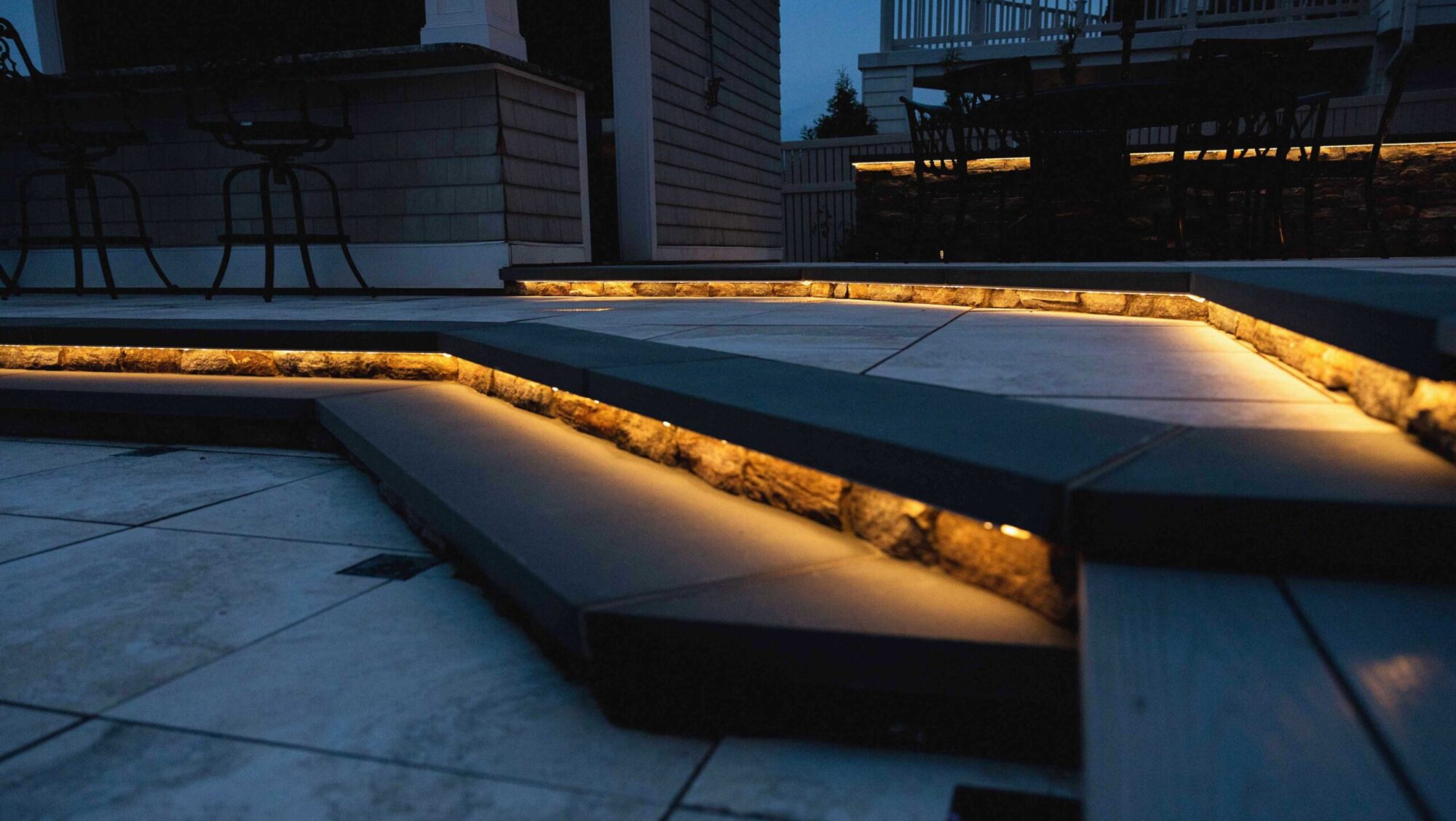
Self-stick LED strip lights stick beneath cabinets, along shelves or behind furniture for understated ambient or accent lighting. Wireless or plug-in strips with remote or smart controls put color and brightness control at your fingertips.
Select strips with adjustable color temperature to transition from warm evenings to cool task lighting. Double-check chemical and safety regulations, particularly in the vicinity of kitchens.
5. String Lights
String lights provide a gentle, decorative luminescence when hung around windows, mantles, or walls. Cordless or plug-in options allow you to position them without adding additional wiring.
Mix bulb styles and lengths for custom looks and long runs. Pick durable cords and reusable bulbs for sustainability. Use them with stronger sources to provide adequate light at night.
Strategic Placement
Strategically place light. Know where light is going before you purchase fixtures. A detailed room schematic highlighting outlets, windows, and large furniture allows you to balance ambient, task, and accent requirements. For medium-size living rooms (14 to 23 square meters), target 1,500 to 3,000 lumens overall for ambient light and then supplement with task and accent sources.
Multiple lamps at a medium brightness provide more versatility than one intense source. They minimize glare and allow you to establish areas for separate tasks.
Ambient
Employ a combination of floor lamps, table lamps with wide shades and LED strip lights to create even, soft light. Think strategically about placement. Position lamps to reflect off walls or ceilings. A short floor lamp or torchiere in a corner bounces light and fills a room without harsh spots.
Two 3,000-lumen torchieres in the corners farthest from windows is a smart example for balancing daylight. Warm color temperatures in the vicinity of 2,700 to 3,000 K render living spaces personable and welcoming.
Mix multiple sources instead of a single one. Set table lamps on side tables and shorter floor lamps near seating to highlight horizontal illumination. That helps eliminate deep shadows and provides a nice, even wash across the space.
To strategically position, shift with the seasons. Strategic placement means in winter, bring lamps closer to seating where daylight is weaker. During summer, angle a few lights toward doorways or dining areas for nighttime use.
Task
Position task lights in areas where you read, work or cook. Desk lamps, clamp lights and adjustable wall sconces play nicely over desks, reading chairs and kitchen counters. Strategic placement uses brighter outputs and cooler temps, about 3,000 to 4,000 K, for clearer detail and less eye strain.
Opt for plug-in or battery-operated task lights so they can be relocated as your family’s schedule inevitably evolves. Dimmable or smart-controlled fixtures add control. You can set bright for work and reduce output for relaxed tasks.
Position lamps so the beam hits across the work surface rather than in your eyes. Think daily habits when positioning bedside lamps, dressing-area lights, and kitchen task lights.
Strategic placement small changes such as moving a lamp 30 to 60 centimeters usually enhance usability more than swapping the fixture.
Accent
Use directional spotlights, small wall sconces or skinny LED strips to accentuate your art, plants and moldings. Think strategic placement. Position accent lights to add layers of depth, cast beams that graze textured surfaces or illuminate objects without washing a whole wall.
Select fixtures with adjustable heads or color-changing capabilities for versatile effects. Accent lighting should enhance, not compete with ambient and task lights, so work with brightness and color to have zones read as part of a single scheme.
Designate lighting zones by mixing floor, table, and wall-mounted lights. This stratified method introduces both aesthetic appeal and functional management for various tasks.
Renter Solutions
Most apartments, particularly in cities, don’t have overhead lighting, so renters often have to depend on nonpermanent fixtures to create a layered, useful scheme. The idea is to infuse general, task, and accent lighting without drilling or rewiring, while ensuring that all options are reusable, low-impact, and affordable.
Plug-In Fixtures
Plug-in lamps, sconces, and pendant alternatives offer immediate overhead-esque illumination, with no wiring necessary. Plug-in sconces are a renter favorite since they mount to walls with small brackets or adhesive hooks and plug into an outlet, providing ambient light that pulls the eye up in rooms with no ceiling fixture.
Use extension cords, cord covers or cable organizers to run power safely and maintain an uncluttered appearance. Flat cord covers can even be painted to match skirting boards or run along corners and remain discreet. Opt for fixtures with adjustable arms or interchangeable shades to transform beam angle and mood.
Push a swing-arm lamp next to a sofa for task light or exchange a shade for softer diffusion. Aim for sustainability-labeled and recycled-content products where you can. Even better, many manufacturers are now listing climate certifications and recycled-content percentages.
Consider cost versus reuse: a well-made plug-in pendant can be repurposed in future homes and often costs less than custom electrical work.
Battery-Powered
Battery-powered lamps, puck lights and strip modules are convenient in places where outlets are few. Rechargeable alternatives reduce waste and lower the cost of ownership while enabling lower emissions than single-use batteries. Opt for USB-rechargeable puck lights for closets and drawers and cordless LED picture lights with remote controls for art or shelves.

Mount battery lights inside cabinets, closets or bookshelves for task and accent lighting without the wires. Check safety and environmental standards. Look for certifications like CE, RoHS, or equivalent local marks indicating compliance.
Store spares and an easy charge schedule. One rechargeable battery can power months of infrequent use, which makes these lights economical and hassle-free.
Adhesive Strips
Adhesive LED strips mount under shelves, baseboards or mirrors for fast, damage-free accents. They’re accessible with remote or app controls to adjust brightness and color, which aids in creating layered lighting. Warm tones create ambience and cool tones are for tasks.
Use strips to wash walls or accent architectural details and pair them with floor lamps to create balance. Select strips with removable adhesive designed for painted surfaces and verify manufacturer instructions regarding repositioning to safeguard finishes.
Look for options made with recycled plastics or certified parts for green measures. Adhesive strips are inherently flexible. You can remove, trim, or relocate them as needs change, preserving privacy and security while letting renters experiment with different lighting mixes.
Light Quality
Light quality is the mix of color temperature, brightness, and diffusion that makes a space look and feel a certain way. Evaluating these three factors guides you to select fixtures and bulbs that satisfy both aesthetic and practical demands. Whether you’re going for a serene bedroom, energetic kitchen, or multi-dimensional living room, think about the room’s purpose, furniture arrangement, and occupant habits prior to selecting details.
Color Temperature
Opt for warm white (2700K–3000K) in living rooms and bedrooms where you want people to unwind and feel cozy. Warm LED bulbs in this spectrum cast a gentle amber hue akin to classic incandescent and assist evening rhythms feel quieter.
Choose cool white (3500K–5000K) in kitchens, bathrooms, or workspaces to keep you clear-headed. Cooler tones provide better contrast, making chopping or reading a breeze.
Smart bulbs or color-changing LEDs can shift color temperature based on time or activity. A single lamp can toggle from 2700K for lazy evenings to 4000K for intense daytime straining.
ABOUT LIGHT QUALITY Match color temperature through all fixtures for a unified, harmonious lighting plan. Mixed-hue light makes surfaces look strange.
Brightness
Choose bulbs with the right lumens for each space, balancing ambient, task, and accent requirements. General or ambient lighting provides overall light, task lighting comes from reading or cooking, and accent light comes from art or shelves.
Use dimmers or smart controls to customize brightness levels and maximize bulb lifetime. Reducing output generates less eye strain and energy use too.
Don’t turn your small or intimate space into a harsh-lit, glarey hell hole. Read product labels for details on brightness and energy usage. Lumens measure visible light output, whereas wattage measures the energy used.
Forget the surgery and go with battery-operated light bulbs for a little extra brightness where wiring can’t reach.
Diffusion
Opt for frosted glass, fabric, or paper shades to mute and scatter light for a tender glow. Fabric or frosted shades soften the harshness and diffuse the light.
Install lamps and sconces in a way that reduces harsh shadows and provides balanced lighting. Lamps that reflect light outward or send it toward the ceiling impart a feeling of airiness and lightness to the eye.
Play with different shade materials and shapes for the right texture and atmosphere. Positioning lamps around chairs or corners and mixing the heights of lamps creates a layered, inviting environment.
Take advantage of diffusers or lamp accessories to customize light quality and reduce direct glare, creating more comfortable spaces.
Smart Integration
Smart integration in lighting refers to mixing light sources and controls to create a room that is balanced, functional, and beautiful. Use a mix of floor lamps, wall sconces, table lights, and accent fixtures to achieve layered lighting, which includes ambient for general use, task for work or reading, and accent for mood.
Position fixtures and mirrors for light diffusion and a natural feel. Here are realistic methods to incorporate smart control without ceiling wiring.
Smart Bulbs
Add smart bulbs to floor, table, and plug-in wall fixtures for wireless control of color, brightness, and schedules. Cluster bulbs by room or task – reading, TV, or dinner – to activate synchronized scenes that alter multiple lights simultaneously.
For smart integration, select bulbs with minimal carbon footprints and prominent eco certifications to reduce environmental impact. Control hands-free with voice commands via Alexa, Google Assistant, or other assistants.
Say a phrase to dim a group of lamps or turn to warm white. For visual interest, position two or more floor lamps in opposite corners so that the light is balanced and harsh shadows are avoided. Then put a mirror behind one lamp to reflect light and open up the room.
Dimmers
Add plug-in or inline dimmers to existing lamps when you want smooth control without rewiring. Opt for smart dimmers that work well with mobile apps or remotes so you can adjust levels from the couch or schedule slow fades.
Use dimmers to bathe your evenings in a soft ambient glow and quickly ramp up brightness for sewing or paperwork. Verify dimmer compatibility with LED or incandescent bulbs and monitor maximum wattage to prevent overheating.
Plug-in wall sconces offer flexibility: mount them on walls where wiring is absent or use them on side tables as warm, cozy sources that pair well with dimmers.
Automation
Schedule lighting scenes based on time of day, presence, or daylight to minimize manual hassle. Leverage smart plugs and sensors to turn lights on at dusk, simulate occupancy while you’re away, or illuminate workspaces during the day.
Smart integration motion-sensor puck lights near the floor or in dark corners provide safe, hands-free night navigation without glare. Link lighting automation with thermostat or energy systems to reduce usage.
Dim lighting in empty rooms or integrate lighting schedules with heating for optimization. Maintain an easy list of days, routines, and settings so you can adjust scenes as demands shift.
Design Harmony
Design harmony is about positioning things so the room comes across as tranquil and cohesive. It’s about color and texture and furniture placement and lighting working in harmony. Well-designed harmony can make a tiny room seem spacious, improve mood, and increase concentration.
Lighting plays a central role. Varied sources, matched intensities, and mindful placement create a unified look.
Fixture Style
Choose fixtures that suit the home’s style, whether contemporary, classic, industrial, or boho, so lighting elements seem like an extension of the narrative. Mixing finishes adds depth. Pair matte black metal with warm brass accents, or use a fabric shade to soften a metal arm lamp.
Statement fixtures add attention when you need some drama, while minimalist lamps keep the eye gliding smoothly. Consider shade shape and color. A drum shade gives even light, a tapered shade redirects light downward, and a colored inner lining can warm or cool the glow.
Let your material choices resonate with other pieces. Wood lamp bases next to wooden furniture and glass pendants above a marble table help keep the scheme tied together and purposeful.
Cord Management
Hide and direct wires with covers or raceways that paint to wall color for clean aesthetics and safer floor areas. Clips and adhesive channels snake behind desks and along baseboards. Run a cord behind a sofa and anchor it with low-profile clips to prevent visible runs.
Brands such as Color Cord Company sell fabric covered cords and swag kits that read as part of the design, not as an afterthought. Keep cords out of walkways and tape or secure them where needed to prevent trips. Coil any excess length behind a cabinet or with reusable Velcro ties.
Label plugs if more than one lamp feeds a strip. A neat cord strategy complements the room’s tranquility and keeps visual chaos at bay.
Scale and Proportion
Design Harmony – select lamp sizes to complement your furniture and room size – a tall floor lamp for high ceilings or a compact table lamp on a bedside table. Don’t let a tiny table lamp sit on a big console or hang an overlarge pendant in a narrow room.
Cluster petite accessories, such as a pair of wall sconces and a table lamp, for dimensional punch in a tight space. Choose a single large fixture where you need a focal point and allow smaller lights to fill in.
Adjust heights: task lights close to the work surface, accent lights higher to wash walls, and ambient lights placed centrally. Proper placement provides even light, maintains sight lines, and holds the composition together.
Conclusion
Lighting without a ceiling fixture feels easy when you deconstruct it. Floor lamps add height and reach into dark corners. Table lamps provide specific work or reading light. Clamp lights and plug-in sconces free up wall space and require no hard wiring. LED strips light up shelves and beneath cabinets with low heat and low energy consumption. Smart bulbs allow you to change color and dim with a tap or voice. Sprinkle lights by tasks, by seating, and along paths for safe, even light. Mimic lamp style and bulb warmth to room mood for a calm, tied look. Test one shift at a time. Try a lamp in different locations. Need a fast design for your room? Send me your room info and I’ll draw you up a simple lighting map.
Frequently Asked Questions
How can I brighten a room without a ceiling light?
Use layered lighting: floor lamps, table lamps, wall sconces, and LED strip lights. Vary height and situate near work areas. It adds just enough to fill in the shadows and creates balanced, usable light without rewiring.
What are the best lamps for rooms without overhead lighting?
Select tall floor lamps with up and down light, flexible task lamps, and table lamps with large shades. Seek out high-lumen LED bulbs and dimmable options to give you control.
How do I add lighting in a rental without drilling holes?
Clamp lamps, adhesive-backed LED strips, tension rods with lights, and plug-in wall sconces. Select removable hooks and cord covers to satisfy lease restrictions and prevent damage.
What color temperature should I use for general comfort?
Choose warm to neutral white (2700 to 3500 K) for living spaces. It is warm and inviting and facilitates almost every activity. Implement cooler light for detailed work such as reading or hobbies.
How can I make lighting energy-efficient?
Go with LED bulbs, dimmers, and motion sensors. LED bulbs are more energy efficient and have a longer lifespan. Smart plugs or timers prevent wasteful electricity and bring down bills.
Can smart lighting work without ceiling fixtures?
Yes. Smart bulbs, smart plugs, and Wi-Fi or Bluetooth floor or table lamps bring full control, schedules, and scenes. They’re convenient and great for ambiance and they require no new wiring.
Where should I place lamps for the best effect?
Position a floor lamp beside chairs, table lamps beside reading nooks, and ambient lights behind sofas or beneath cabinets. Aim for several to steer clear of harsh shadows and increase task visibility.