
Key Takeaways
- Tankless water heater installation costs in NJ exceed average national costs and incorporate equipment, labor, permits, and materials. Organize a budget that accounts for all line items.
- Equipment costs differ by fuel type and capacity. Gas and high-efficiency models cost more. Electric models frequently need expensive electrical upgrades that impact price.
- Labor and retrofit needs drive major cost differences since licensed installers, complex venting, gas line work, or structural changes increase time and expense. Get a detailed site assessment before signing a contract.
- Permit fees and regional factors generate the price variation across North, Central, and South Jersey, so check local quotes and factor in stricter code enforcement or travel charges in your region.
- Hidden costs — electrical panel upgrades, plumbing, structural work, disposal fees — often surface. Ask for line-item estimates and check the infrastructure to minimize surprises.
- Lower net project cost by chasing state rebates, federal tax credits, and utility incentives, timing installs to coincide with promotions, and comparing multiple certified contractor bids for the best value.
Tankless water heater installation cost in NJ refers to the total price homeowners pay to fit an on-demand water heater in New Jersey. Costs differ by unit size, fuel type, and labor, but usually range from $1,200 to $4,500.
Prices increase for bigger homes, gas hookups, or complicated venting. Local permits and contractor rates impact final cost. Here’s what the average costs, common add-ons, and savings factors look like.
NJ Installation Costs
Tankless water heater installation in NJ has unique cost drivers that drive prices beyond national standards. Total tankless installs in NJ typically fall within the range of €3,850 to €6,495, as newer codes require strict compliance, upgraded venting, mandatory gas line testing, and potential electrical work.
Homeowners in New Jersey pay €90 to €360 more than the U.S. Average for water heater replacement; elevated local labor rates, permit requirements, and utility rates account for the majority of that margin.
1. Unit Price
NJ installation costs. Electric units in New Jersey generally run between €400 and €1,200 for point-of-use units and €800 to €2,500 for whole-house electric units. Gas tankless units typically begin at approximately €700 and reach €3,500 or more for large condensing models.
High-efficiency or large-capacity units cost more because they use superior heat exchangers and control systems. Brand and warranty length affect price. Premium makers with 10 to 15 year warranties ask higher retail prices.
For comparison, a standard tank water heater costs €300 to €1,000 itself, so the equipment price disparity is obvious though lifecycle savings can counter upfront cost.
2. Labor Rates
Pro installation labor is a big line item, charged hourly or as a flat project fee. NJ installation costs, licensed, bonded and insured, certified installers in New Jersey are more expensive because they are licensed, bonded and insured.
Labor will make up a goodly portion of the project total. Complicated installs, such as retrofitting, venting additions, or fuel conversion, add labor time and expense. Because urban areas in NJ tend to command higher labor rates than rural counties, location within the state counts when comparing bids.
3. Retrofit Needs
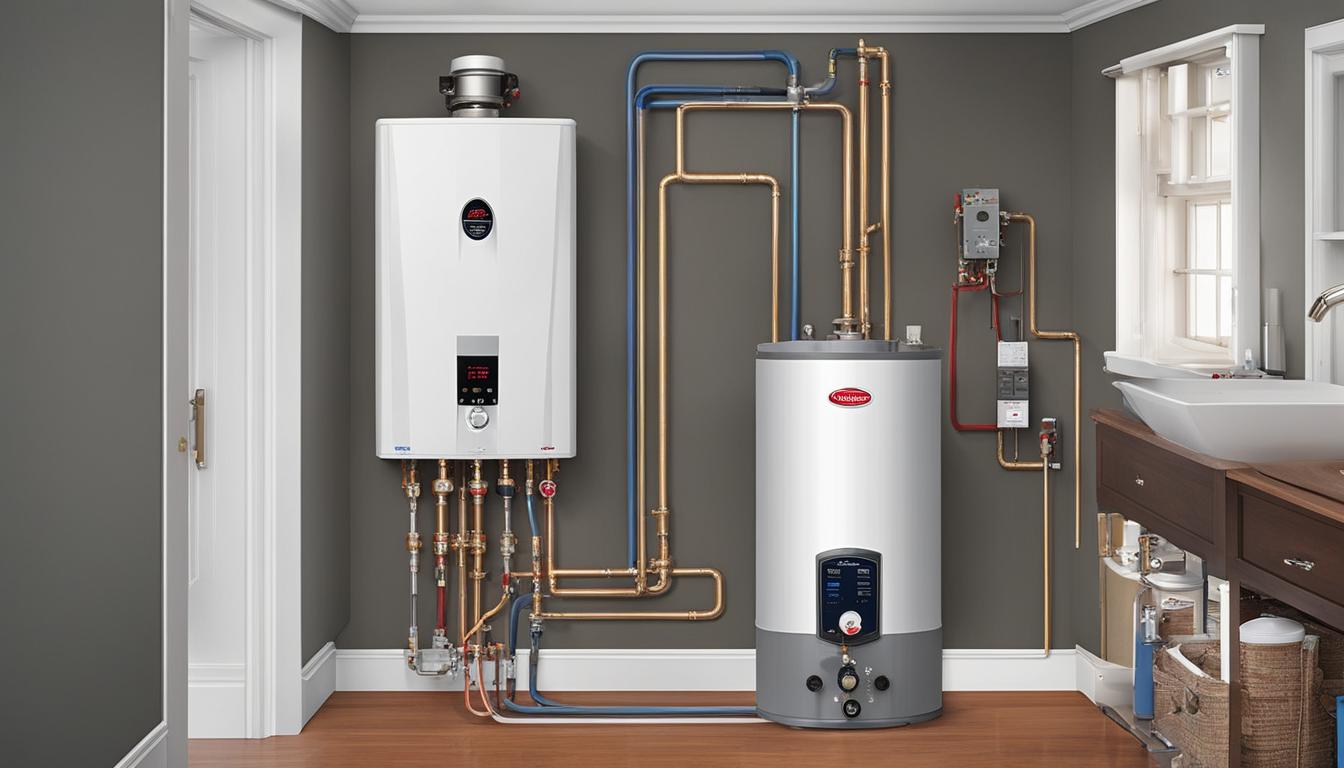
Retrofitting an older home often adds costs. New gas lines, upgraded electrical service, and venting overhauls are common. Replacing a tank with tankless can necessitate a dedicated gas supply line, new venting systems, or an electrical panel upgrade.
Each contributes to cost and timeline. Common retrofit items are venting material, PVC or stainless flues, gas piping, and sometimes chimney alterations. Retrofit complexity is the biggest cause of cost variance between comparable projects.
4. Permit Fees
Almost all NJ towns require permits for water heater replacements and fuel conversions. Permit fees typically contribute between €30 and €300 to the project, with higher costs in locations with rigorous code inspections.
Homeowners should factor permit expenses into quotes and anticipate inspections that could lead to small follow-up work.
5. Material Costs
Materials include venting systems, pipe insulation, mounting hardware, valves, and electrical or gas connectors. Premium materials add to lifespan and efficiency and increase the initial costs.
Electrical panel upgrades can be the biggest material cost and are frequently between $1,000 and $3,000 for 200-amp service required by whole-house electric tankless units. Develop your own material list to prevent surprises and to compare line-item quotes when bids vary widely.
Key Cost Variables
Tankless water heater installation costs in New Jersey are subject to a number of interrelated variables that influence upfront expenses and operating costs. Knowing fuel choice, the home’s systems already in place, local water quality and venting requirements provide homeowners with insight on realistic budgets and how to select the right unit.
Fuel Type
Electric, natural gas, propane, and hybrid tankless units have distinct price points. Electric generally starts lower in equipment cost but might need major electrical upgrades. Total electric projects span about $1,080 to $5,680.
Gas and propane units typically have higher equipment and venting costs, with total gas projects averaging between $2,380 and $5,780. Converting from electric to gas raises installation costs but can pay back in time. Many households break even in about 2.4 to 5.4 years when electricity is costly.
Heavy-use homes can save about $1,054 per year in operating costs with gas, paying back any installation premium in 1.2 to 2 years. Fuel availability and local utility rates likewise influence lifetime cost. Check out local gas, propane, and electricity prices before choosing a system.
Home Age
Older houses typically require additional work. They might have undersized gas lines, thin wiring, or plumbing layouts that necessitate add-on labor and parts, boosting retrofit prices and occasionally driving overall job estimates toward the higher end of the $1,200 to $6,700 spectrum.
Newer homes typically require fewer modifications and can provide easier replacements that save about 40 to 50 percent compared to complete fuel conversions. Reviewing key cost variables like electrical panels, service size, and pipe runs before purchasing a unit uncovers likely add-ons and helps avoid nasty surprises during installation.
Water Quality
Hard water increases maintenance and may reduce unit life. Treating water is an extra cost that is frequently required. Consider local water hardness and incorporate softener or filter pricing when planning.
- Install a whole‑house water softener to reduce scale build‑up.
- Install point-of-use filters at showers or appliances susceptible to deposits.
- Employ a scale inhibitor or magnetic descaler where softeners are not applicable.
- More frequent descaling maintenance is necessary if no softener is in place.
Venting Requirements
For gas models, proper venting is a must to be up to code and safe. Venting upgrades, such as longer runs, stainless or special coaxial pipe, or roof penetrations, add substantial labor and material costs, particularly for multi-story homes.
Electric tankless units require no venting, which can cut project cost. Typical vent materials are PVC, which is low cost, stainless steel, which is medium to high cost, and special high-temp liners, which are top cost. Vent work is one of the most popular excuses gas projects hang at higher total costs.
Regional Price Differences
Regional price differences account for a lot of the cost range for tankless water heater installation in NJ. Labor rates, permit and inspection fees, contractor supply, materials transport and local code requirements make a difference in all of these. Knowing what drives these things helps you establish realistic budgets and compare quotes when looking around North, Central and South Jersey.
- Labor, permits and availability — Local wages and unions alter labor rates. Municipal permit fees and inspection timetables differ from town to town and can sometimes add a few hundred euros or dollars to a job. Contractor supply affects bids: more available installers tend to push prices down, while scarce skilled labor can raise rates and extend lead times.
- Urban demand and overhead. Dense markets near major cities add overhead for contractors, including higher shop rents, insurance, and travel limits. This tends to drive up the installed price even if equipment cost is comparable.
- Local code complexity and proximity to NYC standards — Harsher municipal code enforcement and convoluted venting or electrical, for example, in locations near large urban centers require additional materials and craftsmanship. They add direct labor hours and specialized trades.
- Regional price differences — regional median income and cost of living — Areas with higher median incomes consistently correspond with higher contractor rates. It adds about $250 to $350 in additional installation costs for each $10,000 increase in the regional median income.
- Material and transport costs are affected by remote locations, extended delivery routes, or the requirement of specialized components, which all increase costs of materials. Equipment shifted from central depots to peripheral towns can contribute tangible overhead.
- Permit/inspection variability — Certain towns will require more inspections or additional paperwork for tankless units, which can translate into extra visits from electricians or plumbers and higher permit fees.
- Skilled labor access — Qualified technician shortages compel contractors to pay premium wages or use subs, and those premiums transfer to the customer.
- Seasonal demand and timing — low seasons can generate discounts. Emergency replacements or peak-season installs are more expensive because they are in greater demand and need to be scheduled sooner.
North Jersey
North Jersey generally experiences the highest tankless water heater installation costs in the state. Being close to the NYC market increases labor and overhead costs and local rates. Tougher municipal code enforcement means more complicated venting or electrical upgrades or additional inspections, which require more hours and parts.
Densely populated areas provide plenty of contractor choices, but the majority tend to levy premium prices and could be busy. Assume additional costs for permit fees, potential parking or access fees, and complicated permit cycles that can stall completion.
Central Jersey
Central Jersey usually has a nice medium price for installations. Contractor competition here can create more aggressive bids and sometimes negotiated discounts. Permit and labor costs even out against North and South, with codes that are less onerous towards urban cores yet tougher than purely rural areas.
Think about timing it for the fall when rates might be lower, and brace yourself to compare a few bids closely.
South Jersey
South Jersey generally has the lowest install prices in NJ. Lower wage rates and more lenient permitting regimes reduce floor costs. Rural pockets might have sparse qualified installers, so anticipate wait times and travel fees if importing.
Consider travel expenses and potential shipping fees for materials when comparing quotes.
Unseen Expenses
Unseen expenses are those costs that tend to not show in an initial estimate and can materially alter the ultimate price of a tankless water heater installation. These can include necessary venting, gas-line work, electrical upgrades, permit fees, additional repairs or replacements, and local code-mandated needs.
Factor them in early to avoid surprises and budget blowouts.
Electrical Upgrades
Electric tankless units frequently require significant electrical work. New dedicated circuits, upgraded breakers, and a higher-capacity service panel are common needs.
Older homes might not have the ampacity for a high-demand unit and thus need a 200 A panel or subpanel upgrade. High-capacity units can require multiple 40 to 60 amp breakers or more, increasing material and labor costs.
Panel upgrades, wiring runs, conduit, and permitting can add a few hundred to a few thousand dollars depending on scope. Factor these probable expenses into the early budget and get a licensed electrician to check out the service in advance so you know if you need a simple circuit or a full panel swap.
Plumbing Modifications
Plumbing modifications are typical when swapping out a tank for a tankless heater. Common jobs include rerouting cold and hot runs, adding isolation valves, and installing pressure regulators or expansion tanks.
Old pipe sizes and configurations occasionally have to be modified to conform to the new unit’s flow and pressure requirements, which increases labor and material costs. For hot-water hog households, a utility may mandate a water meter or service upgrade to accommodate greater flow.
That can be an additional city fee. Have a plumber come in before work commences to uncover pipe replacements, valve installs or pressure controls which might otherwise seem like a late-stage surprise expense.
Structural Changes
Mounting and venting may spark structural work. You might need wall reinforcement where the unit will hang or have to cut new vent holes through exterior walls, roofs or chimneys.
Attic or exterior installs often require weatherproofing, flashing and insulation around penetrations to satisfy building codes and prevent heat loss and moisture issues. These jobs extend schedules and increase carpentry, flashing and insulation fees.
Local codes sometimes have venting or gas-line requirements. Check these with your contractor and local building department in advance to avoid expensive retrofitting.
Disposal Fees
Demolishing an outdated tanked heater adds disposal fees. Standard disposal fees hover around pickup costs of a few dozen to a few hundred dollars, and certain municipalities mandate recycling or hazardous-waste processing that adds a fee.
Some installers factor disposal into their quote, while others invoice separately. Find out who deals with removal, whether recycling is necessary, and what the fee actually is before you sign a contract. Always avoid hidden charges.
Finding Savings
Tankless water heater installation does come with some upfront expenses. There are a number of clever ways to bring down total project costs and increase long-term value. Here are targeted, practical measures to reduce cost and seize rewards.
- Obtain several detailed estimates from licensed contractors. Inquire with each quote to separate out equipment, labor, permit fees, fuel conversion work, venting, and electrical upgrades. Compare line by line so you can spot high-cost items like electrical panel upgrades costing between $1,000 and $3,000 or new gas line and venting work costing between $800 and $1,600. Use the quotes to negotiate. Contractors often match or beat an itemized competitor price.
- Time the project to catch seasonal deals and contractor slow seasons. Installations scheduled in late winter or early spring might have discounts or bundled pricing. Manufacturers occasionally run rebates on certain models too; time your purchases to match.
- Do your due diligence – find state rebates, federal tax credits, and utility incentives before you purchase. Factor probable rebate amounts immediately into your project budget so you choose a system that optimizes net savings. Save all receipts and manufacturer performance certifications for applications and tax filings.
- Look at fuel conversion if economics dictate. Converting from electric to gas can add $800 to $1,600, but New Jersey households may see large net savings. Conversion estimates range from $8,600 to $11,000 over 15 years, with a break-even of 2.4 to 5.4 years because of high electricity prices.
- Size the unit to family demand. Bigger homes (5+ people) see the biggest impact from gas tankless, with possible operating savings as high as $1,054 per year. High-consumption homes can save up to $1,246 per year and recoup installation premiums in 1.2 to 2 years.
- Inquire about approved-contractor rules attached to incentives. Some utility rebates must be installed by licensed installers. Others require ENERGY STAR or particular efficiency ratings.
- Stack incentives wherever possible. Stack utility incentives, state rebates, and federal credits to reduce the net cost. For most homes, basic tankless installs cut energy bills by $200 to $300 annually. Factor in these ongoing savings in your payback calculations.
State Rebates
| Program | Eligibility | Typical Rebate (USD) |
|---|---|---|
| New Jersey state energy programs | Homeowners with qualifying high‑efficiency units | $200–$1,000 |
| Income‑based or low‑income programs | Households meeting income thresholds | Higher rebates, sometimes full equipment cost |
| Appliance‑specific rebates | Models meeting efficiency standards | $150–$600 |
Eligibility is usually based on model efficiency, installer certification, and proof of purchase. Applications require receipts, model numbers, installer invoices, and occasionally efficiency certificates. Include rebates in the project’s overall estimate.
Federal Credits
Federal tax credits can cover some installation costs for qualifying high‑efficiency tankless heaters. With existing programs, you can claim a certain percentage of equipment and installation. The amounts vary by year and have to meet certain efficiency standards. Both electric and gas units will qualify if certified. Preserve invoices, receipts and manufacturer’s certification statements to validate tax filings.
Utility Incentives
Some utilities provide cash or bill credits for tankless upgrades. Utilities reduce front-end expense by offering rebates associated with ENERGY STAR designations or approved installers. Usual conditions are product certification, installation verification, and occasionally pre-approval. Reach out to your local utility for up-to-date offers and detailed application instructions.
My Professional Take
The decision between a conventional tank and a tankless water heater boils down to initial expense, lifetime savings, and location-related labor. A standard 40 to 50 litre gas tank stores and delivers a steady supply of hot water, which many families prefer for reliability.
Tankless models minimize standby loss and can lower operating costs in the long term, but they require a specialized installation and maintenance regimen. So a smartly sized and installed quality tankless unit upfront investment recoups itself through lower energy consumption and operating costs.
Tankless systems don’t have a storage tank that’s always heated, so energy savings hit the monthly bill. For gas-fired tankless units, be sure you have a 3/4-inch gas supply line. If your line is smaller, upsizing can contribute to install cost.
Don’t forget to descale at least once a year. A pro service is around 100–200 (local currency) and a DIY flush is about 30–50 in materials. Proper descaling maintains output consistency and actually aids units in reaching their standard service life, which with proper care can be 25 years.
Trust me, stick with reputable brands and certified installers to avoid early failures and code issues. Licensed installers understand your local codes, venting regulations, and clearance requirements. They spot hidden problems: removing an old, corroded water heater or working in a tight space can add 200 to 400 to labor.
Installers experienced in both tank and tankless systems can inform you if your building requires gas-line work, venting improvements, or electrical modifications for hybrids. Code upgrades like seismic strapping or FEMA can add another 100 to 300 to the project, so include them in the original quote.
Plan for hidden costs and pursue every rebate and incentive. Many utilities and local programs provide rebates for high-efficiency appliances, which can recoup some of the higher initial cost. Include additional fees for permits, inspections, and potential vent or combustion air modifications.
A simple 40-gallon tank swap in a standard location takes two to three hours. Tankless installs typically take longer with gas and vent upgrades and should be quoted as such. Thoughtful design backed by knowledgeable decisions provides the most valuable upgrade for tankless homeowners.
Conclusion
Tankless water heater installation costs in NJ differ. Standard projects range from approximately 900 to 4,500 EUR depending on the unit’s size, fuel type, and home configuration. High-efficiency gas units cost more initially but save energy. Electric models are less expensive to purchase and install but increase electric load and bill. Older homes require vent, pipe, or panel work and that increases the cost. Easy swaps in new homes keep the price down. Small condo installs can wrap up in just a couple of hours. Whole-house ones, on the other hand, require additional time and expertise.
For a concrete next step, obtain three local quotes itemizing parts, labor, permits, and tests. Choose a licensed expert who demonstrates guarantees and previous projects.
Frequently Asked Questions
How much does tankless water heater installation cost in New Jersey?
Installation generally runs from around $900 to $3,500, depending on unit size and complexity. Anticipate higher prices for larger homes, gas units, or significant venting and gas-line upgrades.
What factors most affect the installation price?
Key factors include unit type (electric vs gas), flow rate capacity, gas-line or panel upgrades, venting needs, and labor. More complicated work pushes prices up.
Are there regional price differences within New Jersey?
Yes. Urban locations such as the New York metro suburbs typically have higher labor and permit costs than rural counties. Local contractor availability can impact price.
What unseen expenses should I budget for?
Include permits, inspection fees, gas-line upgrades, new venting, water-line modifications, and potential electrical panel upgrades. These can add up to a few hundred to over a thousand euros.
Can I save money on installation without sacrificing quality?
Yes. Get three written quotes, pick a licensed experienced installer, consider rebates or utility incentives, and install in the off-peak seasons when labor may be cheaper!
How long does an installation usually take?
All installations run four to eight hours for a simple swap out. Complicated jobs with upgrades or vent work might run a full day or longer.
Should I hire a licensed professional or try DIY?
Bring in a licensed pro. Gas and electrical work have safety and code requirements. Professional installation protects the warranty and ensures safe operation.