


Key Takeaways
- Knob and tube wiring in older homes: what you should know. Knob-and-tube wiring was prevalent in houses constructed between the late 19th century and the 1940s, but it’s now obsolete and potentially hazardous.
- Significant issues include elevated fire hazards, absence of grounding, and incompatibility with contemporary electrical demands and insulation.
- A lot of insurers won’t even cover knob-and-tube houses or demand upgrades, which means you pay more or have fewer options.
- The right thing to do is identify it. Look for ceramic knobs, tubes, exposed wires, and a lack of ground wires throughout an older home.
- If you need to replace knob-and-tube wiring, be prepared for a substantial bill and to bring in electricians to make things safe and up to code.
- Sensible homeowners will balance keeping the historic with providing contemporary safety and consult professionals in both fields, electric and historic renovations.
Knob-and-tube wiring in older homes is an early electrical wiring method from the late 19th century through the early 20th century. Most houses built before 1950 still have this wiring lurking behind the walls and ceilings.
Highlights include its safety risks and insurance concerns and how it deals with today’s higher electrical loads. For homeowners, understanding the basics assists with informed decisions regarding repairs, upgrades, or even full rewiring.
The primary post spells out the specifics and what to anticipate.
Historical Context
Knob-and-tube wiring is one of the earliest methods homes received electrical service. It originally emerged in the late 1880s, when folks began wiring their residences for rudimentary lights and heating. At the time, it was a giant leap. Electric consumption was low and there wasn’t much to plug in. Almost all houses had little lighting or an electric iron.
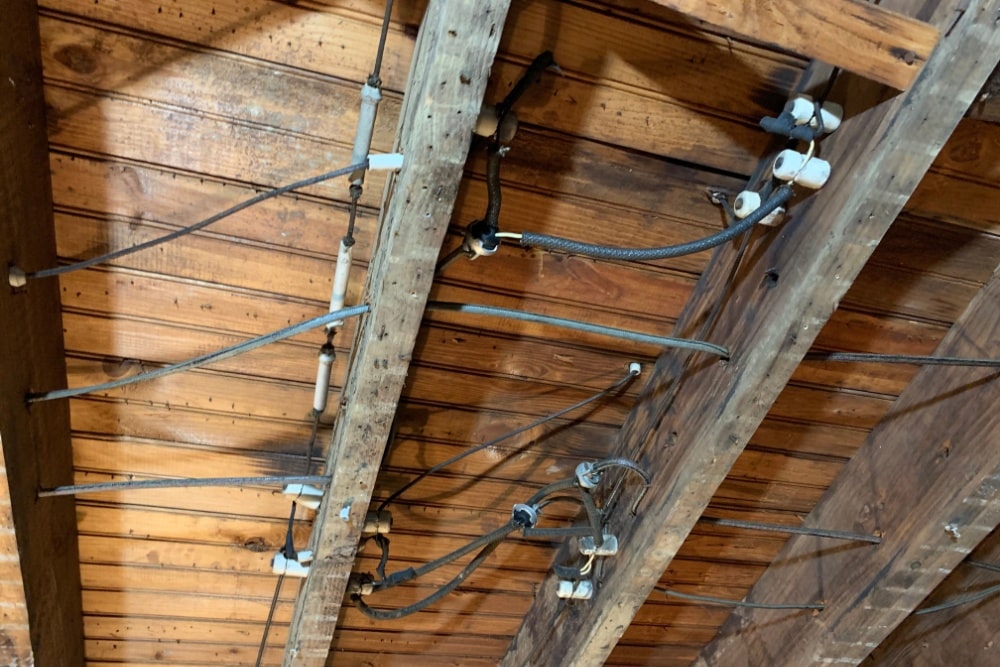
This wiring was straightforward. It employed ceramic knobs to physically pin single wires away from wood beams and ceramic tubes through which it passed wires through walls and floors. Rubber insulated the copper wires, which was logical until plastics became inexpensive to manufacture circa 1925. The technique served for the period.
In 1897, the NEC specified that a 14 gauge rubber coated copper wire could only carry 12 amps. This would have sufficed for the loads homes employed back then, but not today’s typical fare. Homes constructed from the late 1800s to the 1940s frequently employed knob-and-tube. In parts of it, homes constructed as late as 1940 still had it as the primary wiring.
The system fit the times. They never considered running multiple appliances. The thought of microwaves, air conditioners, or even a lot of lights in a room was a bit off. Over time, electric use expanded rapidly. Today, most houses require significantly more power for multiple devices. Knob-and-tube wasn’t built for this.
The antique wires and insulation deteriorate, and it becomes difficult to install new outlets or circuits without danger. It can be an issue with the wiring configuration or the age of the system. Insurers in many places consider knob-and-tube a hazard. Others won’t install this wiring in a home unless it’s inspected or replaced.
The table below breaks down the features, risks, and insurance implications of knob-and-tube wiring:
| Feature | Details | Risks | Insurance Implications |
|---|---|---|---|
| System Design | Ceramic knobs and tubes, single wires, open air setup | Old insulation, not rated for high loads | Harder to insure, may need upgrades |
| Time in Use | Late 1880s–1940s | Outdated for modern needs | Insurers may charge more or refuse |
| Wire Insulation | Rubber (until 1925), then plastic | Rubber breaks down, can expose wires | Inspection often required |
| Electrical Capacity | 12 amps for 14-gauge wire (per 1897 NEC standard) | Insufficient for modern use | Probably requires complete rewiring for coverage |
Today, wiring is subject to more stringent codes and safer materials. Knob-and-tube is considered obsolete today and can be dangerous if improperly managed.
Identification Guide
Knob-and-tube wiring is easily identified apart from contemporary wiring due to its appearance and configuration. This is knob-and-tube wiring, which uses ceramic knobs to hold wires and ceramic tubes to guide them through wood framing. The wires themselves are single and run apart, even several centimeters from each other, instead of bundled.
Watch for white or gray ceramic knobs nailed along beams or studs and short ceramic tubes where wires poke through joists or other framing. If you spot wires draped across open joists in the basement or crawl space or run through tiny exposed openings unprotected by a plastic sheath, you’re probably staring at knob-and-tube. New wiring, on the other hand, uses plastic-sheathed cable (typically referred to as Romex), which is bunched together and not exposed as individual wires.
Look for aged, exposed wires, particularly in areas where wiring isn’t concealed by walls. With age, rubber insulation can dry out and crack. This renders the wires visible in spaces such as basements, attics, or crawl spaces, where the wire is often left unprotected.
If you notice blackened, stiff, or flaky insulation on wires, this is a common indicator of aging knob-and-tube wiring. Exposed wires can lead to electric shocks or fires by coming in contact with wood, metal, or even people. In a few instances, the system was partially replumbed, so new and old wiring coexisted.
Modern codes required a ground wire, which is a third wire for protection in the event of faults. Knob-and-tube doesn’t have ground wires. This implies knob-and-tube-fed outlets frequently have merely two holes rather than three. If you open an outlet cover and only see two wires, or if the house still has two-prong outlets, that’s another indication.
This lack of grounding makes the system less safe for modern appliances and can be an issue with insurance and resale. To stay on top of what areas of your house are served by knob-and-tube, make an easy map. Pay attention to which outlets, switches, and light fixtures are connected to exposed old wires.
Concentrate on locations on the lower floors and around the service panel, as these are simple to inspect. Homes built prior to 1940 are the most likely to have these, but repairs or upgrades may have intermingled knob-and-tube with newer varieties. If you call in an electrician for a thorough check or subsequent repairs, documenting what you discover will come in handy.
The Core Concerns
Knob-and-tube wiring did many homes proud in the early 1900s. As electrical requirements evolved, so did the dangers and difficulties associated with this archaic system. Homeowners must consider safety, insulation, grounding, insurance, and new-age needs prior to deciding on any upgrades or repairs.
1. Safety Hazards
Knob-and-tube wiring cannot accommodate the loads of today’s heavy appliances. This deficit frequently causes fires or even electrical fires, particularly when fuses or breakers are improperly sized for the wires.
Common safety concerns include:
- Overheating wires from undersized circuits
- Fire risks due to insulation issues or exposed conductors
- Electrical shocks from damaged or loose wires
- Arcing from poor connections or improper modifications
- Old wiring not meeting current safety standards
Others have had DIY ‘upgrades’ that actually make the system more hazardous. When wires are connected without sufficient expertise, the likelihood of bad connections increases. Current codes are very safety oriented, so repairs or alterations need to be done by an authorized contractor.
2. Insulation Issues
Knob-and-tube often has old, flammable insulation. Sometimes insulation contractors can identify where the material is absent or has deteriorated, exposing wires.
The 2008 NEC says this wiring should never be covered by modern insulation and it needs room to radiate heat. Installing the incorrect type of insulation can capture warm air and increase fire hazards.
If you want to increase energy efficiency, you need to choose insulation that cooperates with your wiring. Any improvements need to be designed so that the wires remain cool and safe. Compile a list of working areas and maintain notes for subsequent reviews or return to insurance purposes.
3. Grounding Absence
Knob-and-tube wiring doesn’t have a ground wire. That means it can’t safely power three-prong appliances, which require grounding to avoid shocks. Without grounding, it’s more likely to shock you or fry your equipment.
Updating to a new generation system with adequate grounding is typically the most secure action. A trusted electrician can review your wiring and recommend grounding and safety solutions.
4. Insurance Hurdles
A lot of insurers consider knob-and-tube a red flag. Some won’t insure houses with this outdated wiring. Others might insure them, but only if you’ll pay to upgrade.
Even if you receive coverage, you could pay a higher premium, and any claims associated with electrical fires could be rejected. It helps to consult with your insurance company to see where you stand and what to do.
5. Modern Demands
Today’s houses consume far more energy than a house built a hundred years ago. Kitchens, offices, and living rooms now require more outlets and heavier circuits. Knob-and-tube wiring simply can’t keep up.
If left unmodified, it might not only be unable to power new appliances but also pose a danger of overload and fire. Most homeowners discover that adding new circuits or upgrading to modern wiring is the optimal way to address these needs and keep the home safe.
Assessment Steps
Testing knob-and-tube wiring in vintage homes begins with an inspection. Many older homes with pre-1950 construction utilized knob-and-tube systems, which are still in service. A comprehensive review assists you in identifying threats and strategizing for modifications. Homeowners who know these steps can safeguard their home and stay safe.
- Begin by inspecting all exposed wiring. Search in basements, attics, and crawl spaces for ceramic knobs and tubes, which secure the wires. Check if you notice any frayed wires, cracked insulation, or exposed copper. Photograph or note any problems for review. Frayed wires or exposed connections are red flags and might require immediate repair.
- Test outlets and switches to determine what kind of wiring backs them up. A lot of knob-and-tube systems have two-prong outlets with no ground wire. Modern three-prong outlets are safer for today’s devices. If your home is mostly two-prong outlets, this could be a sign of an antiquated or unsafe system. Test to see if outlets or switches are loose or warm to the touch; both are warning signs.
- Get a licensed home inspector or an electrician familiar with vintage wiring. Experts have instruments to test the wiring’s integrity and search for concealed dangers behind drywall. They examine the wiring’s insulation, which can dry and become brittle. Bad insulation increases the hazard of fire or electric shock.
- Determine the capacity of the electrical panel. Older homes with knob-and-tube wiring weren’t made for today’s energy loads. Determine the amperage the panel can withstand. If the panel is undersized or beaten-up, you could need an upgrade, particularly if you’re going to be plugging in more appliances or adding circuits.
- Alternate: Search for a ground conductor. Knob-and-tube wiring typically lacks grounding, which is critical for electrical safety. Ungrounded means a higher chance of shock or frying the equipment. A pro can assist you in checking for this and recommending grounding solutions.
- Go over all results with a licensed electrician. They can tell you what needs to be fixed or upgraded. For most, partial to full rewiring is the safest pick, particularly if it’s a beat up or maxed out setup. Always consult a second opinion before making big changes.
Replacement Realities
Replacing knob-and-tube wiring in older homes is a task with many challenges. This kind of wiring, dating back to pre-World War II construction, simply isn’t designed for modern power demands. It’s not grounded and it uses rubber insulation that can crack and expose wires. All of these deficiencies increase fire and electrical shock hazards.
Most insurers consider knob-and-tube a fire hazard. That can make it hard to obtain home insurance or it may mean paying significantly higher premiums. A lot of insurers will insure you only if you replace the wiring soon, so new homeowners get bit by this reality right away.
Where’s the cost of replacing knob-and-tube wiring? It really depends on the home’s size, walls, and accessibility to the old wires. For a tiny house, the work might begin at approximately €7,000 to €10,000. Bigger or more elaborate homes can have prices that are much higher.
That price includes not only new wires but new outlets, switches, and a new panel if necessary. Homeowners should budget for repair costs, as opening walls and ceilings is frequently part of the job.
Hiring a pro electrician is a no-brainer for this type of work. Older homes can harbor surprises such as sagging old framing or DIY repairs from a previous owner that don’t meet code. Only licensed electricians can identify these hazards and comply with all local codes.
Cheaping out with junior staff may save money up front but can create dangers or inspection fails down the line. In certain countries, electricians are required to employ special permits or adhere to stringent codes when renovating old systems. Verify local regulations prior to starting work.
Funding a complete rewiring project isn’t a cakewalk for most. A few banks provide home upgrade loans or credit lines; however, terms and interest rates differ. Government grants or energy-efficiency initiatives can assist with certain expenses, particularly where safety enhancements are involved.
Homeowners need to look into these alternatives early and inquire with local officials or utility companies whether assistance exists. In certain locations, non-profit groups might offer guidance or financial support for essential repairs in aged houses.
When making a plan for knob-and-tube replacement, keep these key points in mind:
- Check all insurance rules and costs before starting work
- Get several quotes from licensed electricians
- Set aside extra funds for wall or ceiling repairs
- Ask about installing AFCI breakers for better safety
- Research grants, loans, or rebates in your area
- Ensure all renovations comply with building code and safety regulations.
The Preservation Dilemma
Knob-and-tube wiring was the sacred standard in pre-1940 houses. For some homeowners it’s a tie to the past, for others it’s an immediate hazard that must be repaired. Balancing history with safety isn’t always easy. A lot of these older homes were constructed with care and have details that can be difficult to come by these days.
Knob-and-tube is one of those old touches that displays expert craftsmanship from another era. It doesn’t comply with today’s safety codes. The rubber insulation can crack and snap while it’s hot, and that can result in fires. This ancient wiring was designed for minimal loads and is not able to handle the devices and larger appliances that people use today.
Insurance companies know this. Most will not insure a home with knob-and-tube unless the owner is willing to replace it, sometimes within 30 to 60 days. This can make it difficult for individuals to obtain insurance or financing for these homes. Wiring can be a homebreaker even when a home looks good. Some will turn and run or request a price reduction if the wiring is not altered.
Maintaining the old look will contribute to resale value in certain instances, not in all. Buyers who love old homes might want to see original features, but most want to feel secure, too. Many buyers and lenders are more concerned about the risk. Knob-and-tube wiring is considered a fire hazard, and that can drive insurance rates up or kill a sale.
The price to replace the wiring isn’t insignificant. It can range from $4,000 to $40,000, depending on your location and the size of your house. A few attempt to preserve whatever possible. If pieces of the wiring are difficult to access, it’s typical to simply bypass and add new wires for additional power. This can be a temporary solution, but unfortunately, it’s not always the safest, nor the best way to sell your house down the road.
Hiring a contractor that’s familiar with both old homes and new codes can assist. These advantages can demonstrate what needs to be altered and what can remain. They might sneak in new wires or repurpose ancient parts as decoration. This can maintain the vintage vibe without the hazard.
A solid preservation strategy can go a long way toward preserving the allure of the home while ensuring that it’s made secure for present-day demands.
Conclusion
You still find knob-and-tube wiring popping up in many old homes. A few locations are resilient, but the majority fail to meet current standards. Old wires can ignite concern, and insurance can be choosy. Electric upgrades are not free, but they increase safety and provide peace of mind. Certain people want to maintain the period ambiance, but secure electricity reigns for the majority. Simple facts and savvy inspections assist owners in weighing options. With local codes and expert assistance, it makes the project easier. To keep your place safe and code-compliant, inspect your wiring, don’t be shy — ask the tough questions and talk to licensed professionals. For additional home maintenance or wiring repair advice, refer to our complete guide or consult a reliable professional.
Frequently Asked Questions
What is knob-and-tube wiring?
Knob-and-tube wiring is an antiquated electrical wiring system used in homes constructed prior to the 1950s. It employs ceramic knobs and tubes to keep wires separated and insulated.
Is knob-and-tube wiring safe to use today?
It can be dangerous. Knob-and-tube wiring lacks modern safety features and is underpowered for today’s usage. Many insurance companies will not cover a home with this wiring.
How can I identify knob-and-tube wiring in my home?
Look for ceramic knobs on beams and white ceramic tubes through wood. Wires are typically run separately and not bundled as with modern wiring.
What are the main concerns with knob-and-tube wiring?
Its biggest risks are fire, grounding, and insulation breakdown. It might not even comply with current codes.
Should I replace knob-and-tube wiring?
Replacement is usually advisable for safety. New wiring is safer, more reliable, and meets today’s electrical standards.
Can I keep knob-and-tube wiring if it is in good condition?
Certain codes will permit it if it’s maintained and not overloaded. Safety and insurance issues make replacement the wiser long-term move.
Who should inspect or replace knob-and-tube wiring?
A licensed electrician should inspect, assess, or replace knob-and-tube wiring. They have the expertise to ensure your home’s safety.