
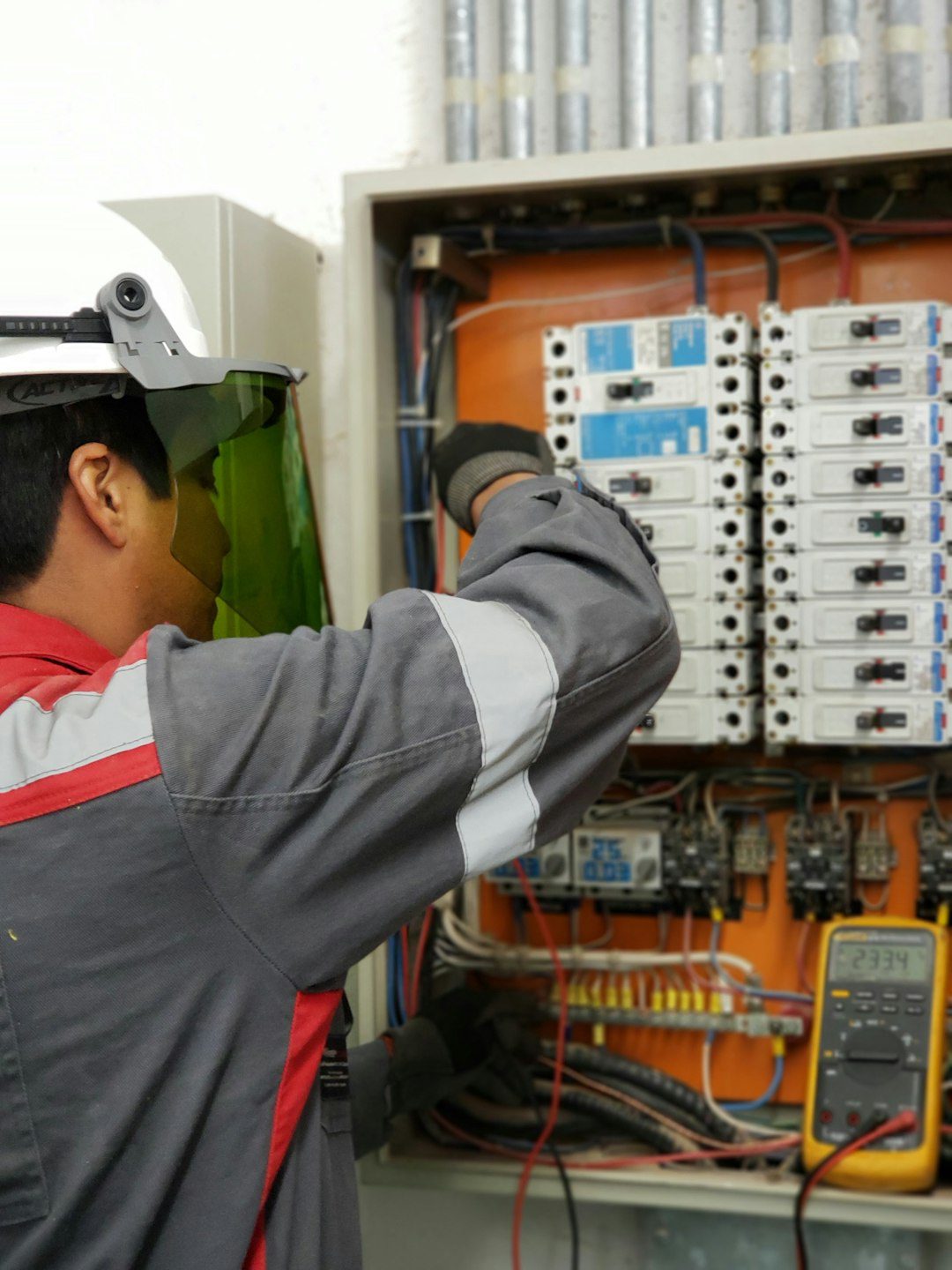

Key Takeaways
- Power surges can come from inside or outside your home, frying your appliances and electronics wherever you live.
- Repeated power spikes, even the little ones, can degrade the life of your devices and may result in expensive repairs or replacements.
- Whole-home surge protection: why a single power spike can cost you thousands
- A layered defense strategy that combines primary and secondary surge protectors provides the best protection for modern homes with sensitive electronics.
- Professional Installation and Maintenance: Getting your whole-home surge protection system professionally installed and maintained ensures it remains effective and up to date.
- Put your money in surge protection, and you might just save thousands in the long run, including hidden risks like fire and data loss.
Whole-home surge protection: why one power spike can cost you thousands.
Power surges can hail from storms or from the grid itself, and even slight spikes can destroy sensitive equipment such as computers or appliances. Most home insurance will not cover these losses.
Understanding how one surge creates large expenses gets a lot of people considering surge protection. The next sections explain why that’s important.
Understanding Power Surges
A power surge is a spike in voltage that passes through wiring and systems. These spikes typically last less than a second, but their brief surge can damage sensitive electronics and devices. Even one surge can result in permanent damage, leading to expensive repairs or replacements for devices and home systems.
Surges don’t just menace appliances plugged into outlets; they can interrupt built-in systems like heat, air conditioning, and lighting.
Internal Sources
Bad wiring is one of the leading causes of power surges at home. When wires are aging, flawed, or installed improperly, they can generate voltage spikes that radiate throughout the structure. They may fly under the radar until equipment begins to prematurely fail.
Defective appliances, such as HVAC units or refrigerators, can produce surges. When these devices suddenly power on or off, they can send surges of electricity back into the system, disrupting stability.
Most frequent causes of circuit overloads in homes:
- Overloading a single outlet with too many devices.
- Employing extension cords for high-powered appliances.
- Not upgrading circuit breakers as demand increases.
That old electrical system contributes. Old panels and wiring are less able to handle modern loads, making the home more prone to internal surges. Over time, this can erode not only equipment but the underlying infrastructure.
External Sources
Lightning strikes are external and powerful. When lightning strikes close to a house or power line, it can blast a giant surge through the whole system in an instant. These surges can fry all connected equipment, big or small, expensive or cheap, in an instant.
Nearby power lines and transformers are hazardous. If a line drops or a transformer blows, homes in the vicinity can experience a power surge. These surges can enter the home via the main electrical panel.
Severe weather, such as thunderstorms or hurricanes, can increase surge activity. Water and wind can damage outside lines, resulting in spikes that strike homes even if the storm is not directly overhead.
Utility grid switching — the rerouting a power provider does or a restart after an outage — can cause spikes that impact whole neighborhoods. They are unpredictable and can occur unexpectedly.
Modern Vulnerability
Our homes today have more sensitive electronics than they used to. Smart TVs, computers, and kitchen gadgets all contain components that can crack under a one second voltage shift.
Smart home devices like connected thermostats, security systems, and lights are ubiquitous now. They are designed with intricate components, which makes them all the more vulnerable to power surges.
Antiquated wiring can’t always keep up. Most homes were constructed before the smart tech boom, so they’re vulnerable if they don’t have up-to-date surge protection.
So let’s talk about power surges. Surge protectors — particularly whole-home units — are your new tech’s best friend. They run between $50 and $1,000 depending on the type and features.
Even a rudimentary one, from $50 to $200, can provide peace of mind by protecting not only outlets but every circuit in the house. These can save thousands of dollars by protecting every device and system from harm, making them a lasting investment for anyone with expensive gadgets or essential equipment.
The Financial Aftermath
A power surge is all it takes to transform an ordinary day into an expensive one. Even a brief spike can fry appliances and electronics in moments. The real price is not what you can see. From big-ticket replacements to hidden losses, the financial aftermath touches every room.
1. Appliance Replacement
Big ticket items such as refrigerators, air conditioners and washing machines are typically the first to go after a power surge. These can be units that cost thousands of euros to replace. A lot of times these systems go down unexpectedly, particularly in regions prone to storms or unreliable power services.
Emergency replacement services aren’t cheap and usually have long wait times, which compounds the frustration and expense. It’s not just the price tag at risk, it’s the ‘must protect these investments from being lost in a flash’ factor.
2. Electronic Damage
High-risk items include sensitive electronics, like laptops, televisions and gaming consoles. Such a strong surge usually causes internal circuit damage, and it is either impossible to repair or costs more than new ones to fix.
It’s not just the device itself that’s lost—it could be important files, pictures, or work documents. For smart homes, damage to hubs and network gear can be particularly expensive. The loss just keeps on coming, in what becomes a long-term financial hit when you choose not to install whole-home surge protection.
3. Hidden Costs
Indirect losses accumulate quickly. When your home office equipment dies, your productivity dies with it. Insurance claims typically mean higher premiums down the line.
Leaking or weakened appliances can use more power, driving up monthly energy bills. These little fixes, when multiplied over time, will eat away at savings and cause continual stress for homeowners.
4. Cumulative Wear
Multiple small spikes, even those under a second, cumulatively erode appliance efficiency and reliability. This incremental wear results in devices not lasting as long as they ought to.
Homeowners might not observe the impact immediately, but across years, the expense of premature replacements adds up. Whole-home surge protectors catch these surges, assisting in increasing the life of devices and lowering surprise costs. Routine electrical checkups assist in detecting issues before they turn into costly malfunctions.
5. Data Loss
Data loss is yet another danger. Surges can fry hard drives and storage, deleting unique data. Data recovery services tend to be costly, and on occasion recovery isn’t even feasible.
For telecommuters, losing business documents or customer files can result in lost fees and additional expenses. Computer and network gear protection is a wise move for those with precious data at home.
| Impact Area | Typical Cost Range (€) | Example Scenario |
|---|---|---|
| Major Appliance | 700 – 2,500 | Refrigerator, HVAC replacement |
| Electronics | 300 – 3,000 | Computer, TV, gaming console |
| Data Recovery | 400 – 2,500 | Damaged hard drive restoration |
| Insurance Premiums | 5% – 15% increase | Frequent claims post-surge |
| Energy Bills | 10 – 20/month | Inefficient appliances post-surge |
Whole-Home Protection Explained
Whole-home surge protection is one unit designed to protect all devices and circuits in your home from voltage surges. This configuration protects smart TVs, laptops, refrigerators, and HVAC systems from harm that can result from lightning, grid issues, or even glitches within your own wiring.
Unlike single-outlet strips, which only halt surges for a few plugged-in items, a whole-home protector operates at your main electrical panel. It blocks or redirects surplus voltage before it can get to your outlets or hardwired appliances. This means that a single power surge won’t result in expensive replacements or repairs.
For many, that one-time cost of $300 to $700 can save way more by not replacing electronics worth often thousands. With our homes inundated with an increasing number of sensitive, costly devices, this solution is no longer a luxury but instead a necessity.
Core Components
There are a handful of main components to a whole-home surge protection system. Surge suppressors are the MVPs, installed at the service panel to intercept destructive voltage before it propagates. The main service panel is where electricity enters the home.
It’s the initial guard and its task is to distribute and divide incoming energy to each circuit. Protective devices, such as Type 1 and Type 2 surge protectors, cooperate. They detect major voltage surges and divert excess power harmlessly to ground. This prevents computers, smart fridges, and HVAC systems from being fried.
A certified electrician should set these up. That way, each portion does its own work and the system complies with all safety codes. The outcome is a more secure home, with devices—large or small—protected.
| Component | Function |
|---|---|
| Surge suppressor | Stops or diverts excess voltage |
| Main service panel | Distributes power, first line of defense |
| Protective devices | Shields sensitive electronics and appliances |
| Grounding system | Safely carries away unwanted current |
Protection Tiers
Surge protection is really about three tiers. Point-of-use devices plug into individual outlets, providing rudimentary protection for one or two devices. Whole-home systems, installed at the electrical panel, protect all circuits simultaneously.
A layered plan uses both: strips for special gear and a main protector for the whole house. Layering is clever since not all surges are equal in strength or origin. Tiny surges could sneak through whole-home devices but be snagged by a strip.
Big surges are blocked at the panel before they can do any real damage. The right mix for you will depend on the electronics you own and the level of risk you experience from storms or grid issues.
Technology Types
There are two main types of surge protectors: hardwired and plug-in models. Hardwired protectors install directly in your main panel, providing broad protection. Plug-in options are ideal for individual units or locations where installing a panel unit isn’t an option.
A few new protectors are smart, allowing you to track surge events or reset them remotely. It does make a difference to verify that any surge protector you select is UL Listed to comply with national code requirements.
This means it’s been proven and is safe for your wiring. Hardwired models provide the best whole-home coverage, but a mix of the two helps fill in gaps.
Layered Defense Strategy
Layered defense does not depend on a single method to block surges. It employs a series of protective layers with distinctly assigned roles. This works for all homes, but is particularly notable for smart homes or homes overloaded with electronics. A surge can originate externally, like from lightning or a problem on the grid, or internally, like when a big appliance kicks on.
It is called a defense in depth strategy or layered defense. The concept is to deploy a whole-home surge protector at the electrical panel, then supplement with smaller point-of-use devices for sensitive equipment. This way, both large and small bursts are caught before they hit the boundaries that are expensive to repair.
Primary Shield
Your first line of defense is at the breaker panel. It’s the primary ingress point for all power entering a home. A whole-home surge protector, known as a surge protective device (SPD), is installed here. This SPD provides front line protection.
It intercepts or dampens surges before they can course over wires and into every outlet, lamp, and equipment. Typically, you’ll find a Type 1 SPD right where the utility power comes into the house, sometimes outside near the meter or just inside at the main service panel.
A big surge, like one caused by a lightning strike or a grid fault, moves quickly and can be powerful enough to fry or ruin multiple devices simultaneously. The main shield is designed to absorb the impact. It can securely dissipate and divert large quantities of electrical power, which a normal power strip can’t.
It’s an affordable defense, particularly for homes with costly electronics or HVAC systems where one spike could lead to a hefty repair bill. Periodic audits are the key. Eventually, like all good SPDs, it wears off, with most lasting around five to 10 years. Inspections ensure the device remains functional.
Secondary Guard
Secondary guards are mini surge protectors that plug into outlets adjacent to vulnerable equipment. These aren’t intended to halt massive spikes. Instead, they address the lesser spikes that get past the primary shield or begin inside the home.
Devices such as computers, TVs, and smart appliances require this additional layer since even minor surges can gradually erode them. Using certified quality point-of-use protectors provides an additional layer of security. They cooperate with the primary SPD, rather than counteract it.
By dividing the work between the panel and the outlet, both devices receive the appropriate degree of protection. Inexpensive, low-quality strips provide minimal actual assistance. It’s worth selecting ones proven to global criteria. Surge protection isn’t just for pricey gadgets; little appliances can benefit too.
Complete Coverage
Full coverage is snaring each and every surge risk possible. It isn’t just the panel or the outlets. They both have to work in tandem. In a home protected by both main SPDs and point-of-use protectors, your chances of keeping all devices safe are greater.
This applies to all rooms, from kitchen to home office. A house review is a great way to identify vulnerabilities. Certain zones might require additional coverage compared to others, particularly where numerous electronics or premium devices are connected.
Reviewing what defense is positioned and what isn’t counts. A fast check can ensure your configuration has the full spectrum.
The Unseen Dangers
Power surges may occur at any time, frequently with very little notice. Whether ignited by lightning, a power grid, or internally, they come with more consequences than meets even a careful eye. I know these risks are often neglected, and the effects can be both short and long term for your safety, your data, and your whole electrical system.
Below are the main dangers that often go unseen:
- Risk of fire from overheated wiring or overloaded circuits
- Loss or corruption of important digital data
- Systemic failure across multiple interconnected devices
- Gradual weakening of device performance over time
- Hidden costs from repairs, replacements, and data recovery
Fire Hazards
Power surges can be a recipe for electrical fires, particularly when wiring or equipment aren’t designed for abrupt surges. A surge from a lightning strike or an overburdened utility grid can thrust millions of volts through a home’s circuits, well beyond their capacity.
Even smaller, regular micro-surges, usually from appliances cycling on or off, can gradually erode insulation and connections, increasing the fire danger. They often ignite behind walls or within devices, out of sight, and go undetected until it’s too late.
Surge protection is an important part of preventing damage to your products and to the home’s wiring by blocking or redirecting energy. Routine tune-ups are important, too. Inspecting wiring, connections, and safety devices can identify early warning signs of deterioration.
For optimal safety, major installations or upgrades should be done by licensed electricians who ensure everything is up to code and is less likely to result in fire.
Data Corruption
A power spike may ruin data in less than a second. Devices such as computers, servers, and smart appliances are susceptible as their storage depends on fragile electronic parts. When a surge strikes, your files might get zapped, your OS could corrupt, and crucial personal or business info might be lost forever.
Not to mention that data recovery can be expensive and does not always work. For companies, losing customer files or order information can translate into thousands of dollars in lost sales and lost employee hours.
Surge protection mitigates these hazards for any device containing critical information. Backing up files consistently, preferably both on-site and in the cloud, offers added protection and simplifies the process of recovering your data following a surge.
Systemic Failure
If one device dies from a surge, it can take others with it. In smart homes with connected lighting, heating, and security, a single surge can knock a lot of things out at once. Such cascading failures are difficult to anticipate and expensive to fix, frequently necessitating the replacement of multiple units.

There must be surge protection at every potential ingress point for surges or where surges could emanate to other locations in the system. Regular inspections of the power arrangement assist in exposing weak points prior to their causing broad damage.
Keeping up with maintenance and upgrades is the smartest way to prevent total system crashes.
Proper Implementation
Whole-home surge protection only works when it’s done right. No matter how good your devices and plans are, if they’re not installed, maintained, and supported properly, they’ll let you down. Installation, maintenance, and warranty information all contribute to protecting your home from expensive power surges.
Professional Installation
A licensed electrician has the expertise required for safe, proper surge protector installation. Without the proper implementation, a protective device might not protect your equipment at all or even fail with load. Electrical codes and standards exist for a purpose.
Professional installers ensure the work complies with these regulations, which is crucial for insurance and long-term safety. Each of our homes is unique. An expert checks key details: panel size, grounding, and household needs.
For instance, a typical 200-amp service requires a corresponding SPD. The installer tests for a solid ground that should be less than 5 ohms. If your house has outdated wiring or no grounding, such as two-prong outlets, an electrician will highlight the hazards.
By positioning the SPD at the main electrical panel, every piece of electronics, appliances, and wiring receives a first line of defense. Deciding between a 20,000 amp rating or a 40,000 amp rating or ensuring voltage never exceeds 400 volts requires a trained eye.
A pro can interpret these figures and guide you in choosing the appropriate model for your system.
Regular Maintenance
Surge protection devices aren’t “set and forget.” Routine inspections assist in identifying vulnerable points prior to breakdowns. Even the best protectors wear out with time, particularly after lightning or repeated small surges.
By replacing old devices, you prevent gaps from forming in your protection. Regular inspections are easy, yet essential. Electricians verify operation and grounding and can test if SPD clamping voltage remains safe.
They search for subtle defects that could otherwise be missed, such as burn marks or loose wiring. Well maintained can add years to a device’s life. Bypassing checks can leave your home vulnerable, even with a pricey SPD in place.
Warranty Considerations
Not all surge protectors carry the same warranty. Reading the terms before you buy saves you headaches later. Some protectors protect only the device, while others provide financial protection to connected equipment.
These warranties are particularly reassuring where power grid problems or storms are prevalent. Save your installation invoices and purchase receipts. If you have to make a claim, these records are frequently requested by the manufacturer.
Devices with strong coverage can be more expensive, but they tend to offer extra protection and assistance.
Conclusion
Power surges hit hard and leave destruction that can empty your bank account. One big spike takes out a lot of devices at once. Whole home surge protectors step in and block the shock, keeping your home safe. With the right setup, you help prevent fires, lost data, and hours spent fixing things. A tiered strategy provides superior protection, so your equipment stays healthier and performs as intended. Surge risks aren’t going anywhere, but you can fix it the smart way. To protect your home and budget, consider whole-home surge protection. Consult with a trusted pro to select the perfect fit for your space.
Frequently Asked Questions
What is a power surge?
They call it a power surge because this is a huge spike in voltage. It can ruin or fry electronics and appliances throughout your household.
How can a power surge cause expensive damage?
One surge and it’s circuits, computers, and appliances that go up in smoke. Repair or replacement costs can add up quickly to thousands.
What is whole-home surge protection?
Whole-home surge protection is a smart device that sits at your electrical panel. It protects all plugged-in electronics and appliances from power spikes.
Why is layered surge protection important?
Defense in depth combines whole-home devices with point-of-use protectors. This mitigates the danger of large and small surges.
Are power surges common?
Indeed, power surges occur from lightning, poor wiring, or grid problems. They are more common than you think.
How do I properly install whole-home surge protection?
Have a licensed electrician install the device at your main electrical panel, such as whole-home surge protection. One power spike can cost you thousands.
Can surge protection save me money?
Indeed, surge protection ensures that a single power spike will not end up costing you thousands in repairs and replacements.