
Key Takeaways
- Keep an eye out for signs like frequent breaker trips, flickering lights, physical damage, strange noises, and burning smells. These could all be warning signs that your electrical panel needs to be upgraded.
- Old or insufficient panels may not support modern appliances and smart home devices, leading to overloaded circuits and potential safety hazards.
- Routine checkups and swift response to concerns keep more serious issues such as electrical fires or bad wiring at bay.
- Switching to a modern electrical panel can protect your home, provide headroom for new tech, and boost your home’s value.
- Insurance reasons and home renovations usually require at least a panel upgrade.
- Schedule a licensed electrician for a complete inspection and installation to guarantee local code compliance and reliable electrical service.
These may include frequent breaker trips, flickering lights, or a panel that feels warm.
Old panels may buzz, or you may catch the scent of burning plastic.
These indicators can lead to larger hazards such as fire or loss of power.
To keep your home safe and running smoothly, catch these signs early! More on this below.
The Warning Signs
Key to safety and efficiency is being able to identify the warning signs of an overloaded or aging electrical panel. Electrical panels don’t typically go bad overnight, so the majority of problems are slow to develop and are detectable in advance.
Here are the main signs to look out for:
- Circuit breakers frequently trip or won’t reset
- Lights flicker or dim, especially with large appliances
- Physical damage, rust, or burn marks on the panel
- Old or outdated panels, such as fuse boxes
- Not enough power for today’s appliances and devices
- Odd noises, like buzzing or crackling from the panel
- Burning odors, especially of hot plastic or metal
1. Frequent Trips
Circuit breakers protect your home, tripping when circuits are overloaded. If you find your breakers tripping frequently, the panel could be having a hard time keeping up with demand. This can occur if you use multiple appliances simultaneously, beyond what your system can support.
Sometimes, nuisance trips are indicative of faulty breakers or overloaded circuits, which are more than just an annoyance. As we discussed above, keep track if you notice a trend. Make note of which areas go out and how frequently. This insight assists a trained electrician in determining the underlying cause.
2. Flickering Lights
If your lights flicker or dim often, particularly when you power up high-use appliances like a microwave or air conditioning unit, it’s a warning sign that your panel may be failing to distribute power correctly.
If multiple lights flash simultaneously, you might have a more serious wiring or panel problem. Occasionally, antique light fixtures or loose connections in outlets or fixtures exacerbate things. Newer appliances put more stress on old systems, and old fixtures might not be equal to the task.
3. Physical Damage
Check your electrical panel for any obvious damage such as cracks, rust, or corrosion. Burn marks or discoloration around the panel box are indicative of overheating and fire risks, something found in some older Zinsco or Federal Pacific panels.
Secure wires and look for frayed insulation. Anything that’s broken requires immediate replacement to prevent additional issues.
4. Outdated Technology
Panels that are 20 to 25 years old or more, particularly those built prior to 1995, commonly do not have GFCI or AFCI breakers. Fuse boxes, aluminum bus bars, and Zinsco or Federal Pacific models are all recognized safety hazards, with breakers even melting.
Modern appliances and electronics require far more power than the majority of aging panels can deliver. If your panel is old, start planning for an upgrade.
5. Insufficient Power
Overuse of extension cords and power strips can be a warning sign that your home doesn’t have enough outlets or panel capacity. High-wattage appliances like a/c units, heaters, or induction cookers require more power than old panels deliver.
As you add more tech or new, more powerful appliances, your power needs increase. If your panel can’t keep up, upgrades are a must.
6. Odd Noises
Buzzing, crackling, or hissing from the panel are warning signs. These sounds may only occur when specific appliances are operating. At times, they’re persistent.
These sounds can be caused by loose connections or electrical arcing and can cause hazards. Any lingering hum has to be inspected by a licensed electrician immediately.
7. Burning Odors
Un odor a quemado, sobre todo a plástico o metal caliente, es determinante. Overheated wires have the ability to spark fires and even a whiff of smell can’t be disregarded.
If you see this, switch off the main breaker and call an electrician immediately. Arrange quick inspections to catch issues before they become large.
Beyond The Obvious
Old or insufficient electrical panels aren’t merely an annoyance. They can have ramifications for insurance, renovations, appliances, and the future value of your home. Our homes have far higher energy demands than when their panels were installed, and today’s technology demands smarter, more capable solutions. These are things that extend far beyond any tripped breaker or flickering lights.
The Insurance Problem
Many insurance companies now mandate updated panels for coverage against electrical fires. If your panel is older, particularly if it’s 25 years old or missing major safety upgrades, this could impact your premiums or even cause denials post-incident. Certain carriers will ask for evidence of a contemporary panel prior to policy renewal or may decline to insure homes with specified outdated brands.
Installing a new, code-compliant panel can help you fulfill your insurer’s requirements, but it can bring your home in line with present-day safety standards that differ from country to country and region to region. After an upgrade, it’s smart to talk potential discounts with your insurer. Most provide bonuses, typically around 10% to 15% off your premium, for modernizing your electrical service.
The Renovation Hurdle
Remodels are almost always added electrical loads from additional lighting, outlets or appliances. If your panel is now too small for these changes, you could experience expensive delays or have to cut back your plans. Before you begin renovations, consider your panel’s capacity and consult your contractor on whether you need to upgrade.
A lot of older panels simply can’t provide enough power for today’s needs such as a home office, an entertainment system or kitchen renovation. Planning ahead and upgrading your panel can keep your project on track and your home ready when it’s time to install systems like EV chargers or solar panels.
If you skip this step you’re likely to have to redo new work, which is expensive and annoying. In most municipalities, building codes mandate that the electric service be capable of handling the entire load of the remodeled home, so avoiding an upgrade is not only hazardous, it’s potentially illegal.
The Appliance Factor
- Check the wattage of every new appliance and match it against your panel’s total capacity, which is typically measured in amperes.
- Think about whether you utilize multiple high-power devices simultaneously, like ovens, laundry machines, or HVAC units.
- Review the need for dedicated circuits for heavy appliances.
- Consider smart home systems, EV chargers, or solar integration, which need additional panel space and capabilities.
If your panel frequently trips when using lots of devices, it’s a clue it’s undersized. Today’s smart panels can assist by displaying real-time power consumption, load control, or even EV charging scheduling from your phone.
They provide improved surge protection and the ability to track energy by circuit, a bonus for trackers or renewable integrations. With household power demands increasing, it’s smart to modernize for safety and future-proofing.
Panel Overload
Overloaded panels can cause your home to experience outages, damage to devices, and even fire. A panel overloaded by today’s appliances and devices frequently exhibits obvious warning signs. Know the signs and risks to maintain a safe and reliable electrical system.
| Feature/Risk | Description |
|---|---|
| Frequent breaker trips | Signals panel cannot handle the load |
| Inconsistent power supply | Flickering lights, brownouts, or power loss |
| Overheating | Warm panel, burning smells, or discoloration |
| Limited upgrade capacity | Cannot add new 220V appliances or circuits |
| Increased fire hazard | Old wiring and overloaded circuits raise fire risk |
| Safety risks | Electric shocks or system failures |
Keeping an eye on your daily electrical use helps detect a panel that’s working overtime. If lights flicker when you fire up the AC, or your circuit breakers pop when you operate the microwave and toaster simultaneously, your panel could be undersized.
Most pre-1990 homes had 100 amp panels. The average new home requires 200 amps or more, particularly with the increase in smart technology and larger appliances. Unexpected outages, such as breakers tripping when you run the washing machine and dryer together, generally indicate an overloaded system.
This overwhelms the wiring or main panel, exposing your home to potential electrical hazards or even fire. If you’re experiencing regular electrical failures, then you’re overdue for an upgrade.
Modern Demands
Today’s homes consume a lot more electricity than in the past. The expansion of smart devices, home offices, air conditioning units, and high-powered kitchen gear all means panels have to work harder.
A 100-amp panel may have sufficed in the 1970s, but our modern-day standards call for at least 200 amps, if not more, in today’s homes. If your panel is even close to 40 years old, it probably falls far short of your present demand.
If you add newer appliances that require 220-volt power, like an electric dryer or a fancy HVAC system, you might just find it very difficult or impossible. Then you know your system is mired in the past.
Examine your daily rituals. If your breakers trip all the time when several devices run or you can’t add new features, an upgrade is necessary for secure, consistent power.
Hidden Dangers
The old panels have lots of concealed hazards. Old wiring or fuses can blow without notice. Overheating, if left unchecked, may cause dangerous fires.
Some panels are warm, exhibit burn marks, or even smell slightly burnt. These are all signs of trouble. Out of date panels might not have the proper safety features.
Circuit breakers from decades ago weren’t built for today’s needs, so they can fail to cut power when there’s a problem. This makes them vulnerable to shocks, surges, or even total system crashes. Homes built prior to 1990 are particularly vulnerable as their panels do not meet today’s standards.
Panel overload — get inspections every few years if your panel is old. A certified electrician will identify issues before they become more significant concerns or safety hazards.
Why Upgrade?
Upgrading your home’s electrical panel is about staying up-to-date with the needs and safety of contemporary life. A lot of older panels, particularly those found in homes that are 20 years old or more, were not made to handle the number of devices and appliances that are typical today.
Newer panels handle higher loads, more circuits, and bring a home up to code, which can be important for safety, efficiency, and resale value.
Benefits of Upgrading an Electrical Panel:
- Safer, more reliable power distribution
- Capacity for more circuits and appliances
- Compliance with current safety standards
- Enhanced energy efficiency
- Higher home resale value
- Reduced risk of electrical fires or shocks
- Future-proofing for new technologies
- Better management of electrical loads
Safety
New electrical panels are designed with safety as the number one priority. They have to comply with strict codes and standards, updated frequently. Most older panels don’t have any of these safety features, such as fast tripping circuit breakers and ground fault interruption.
Old panels with old wiring or components are a fire hazard, particularly if they’re not up to current codes. An upgrade eliminates these dangers and brings the system up to code. That means less risk of shocks, overheating, or electrical fires, making your home safer for everyone.
A new panel means the wiring and breakers are inspected and updated, lowering hazards associated with 20-year-old components that could have frayed. Packed with safety features and the newest technology, the panel safeguards devices and humans from errors that older systems might overlook.
Capacity
A house’s power requirements evolved significantly through the years. If your panel is rated at 60 to 100 amps, it probably can’t keep up with today’s energy consumption. A lot of homes now require 200-amp panels to deal with things like air conditioners, high wattage ovens, and multiple computers.
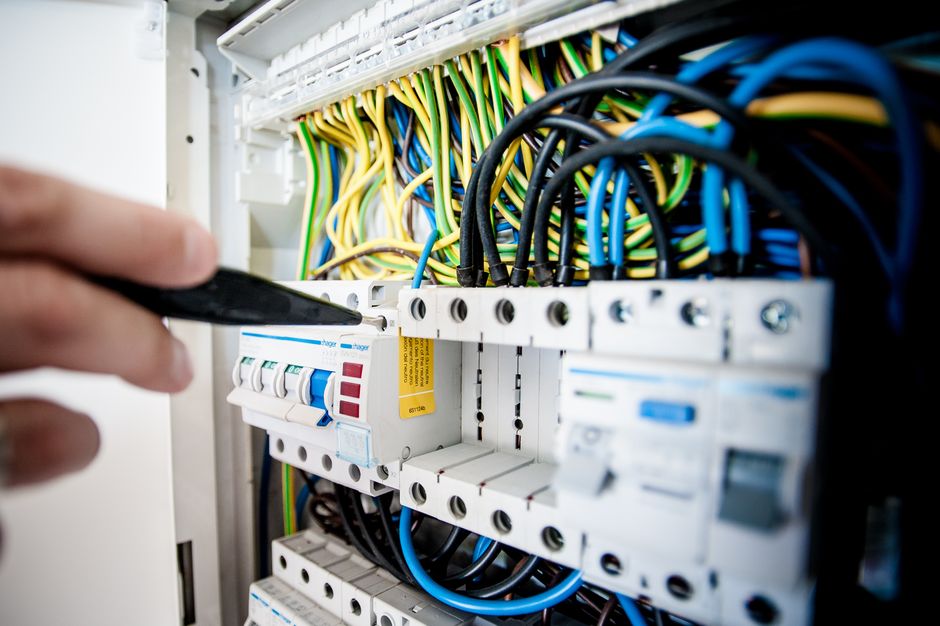
Older panels may cause frequent breaker trips or prevent you from running multiple appliances simultaneously. Why upgrade? That way you can power several devices without stressing about overloads.
Thinking ahead and planning for growth simplifies adding new appliances, home offices, or EV chargers. It’s an easy way to guarantee rock solid power and sidestep expensive repairs or shutdowns from overloaded panels.
Value
| Upgrade Panel (One-time) | Ongoing Repairs (Yearly) |
|---|---|
| USD 1,500–3,000 | USD 200–500 |
New panels provide more than peace of mind. Buyers seek safe, efficient homes and a new panel is a great selling feature. Old panel repairs appear cheap initially, but the expenses accumulate.
Here’s why upgrading to a new panel frequently pays off by increasing your home’s value and avoiding costly repairs down the road. Upgraded systems support energy savers, rendering the home more efficient and attractive to environmentally conscious buyers.
The Upgrade Process
Nothing is a bigger upgrade for a homeowner than an electrical panel replacement, particularly in homes built over three decades ago or with increasing energy demands. It’s a process that requires planning, coordination with professionals, and preparation for some short-term inconvenience. Since newer electrical panels only last about 25 to 40 years, upgrading at the right time can increase both safety and efficiency.
Assessment
A comprehensive evaluation begins with an electrician inspecting the existing panel, wiring, and meter equipment. This phase looks for sneaky problems such as brittle cables, old branch wiring, or corroded elements that might impact safety or complicate your upgrade.
Even older homes, those from the 1940s and 1950s, tend to have 60 to 100 amp panels, which may not support today’s appliances, electric cars, or smart technology. Next, the electrician surveys your home’s power requirements. They measure the total electrical load, including all present and future devices.
In most homes, particularly with new systems, a 200-amp panel is now the minimum. We document everything we find to direct the upgrade and assist through future maintenance.
Installation
Once the assessment is complete, the installation phase starts. A power shutdown is needed, which may last four to eight hours, so it’s important to plan for refrigeration, medical equipment, and remote work. The utility company may need to remove the meter, especially for a full service upgrade.
That’s when the upgrade process really kicks in. The old panel comes out, circuits are disconnected, then the new panel and breakers are installed. Each branch circuit is re-terminated with the proper torque to avoid loose connections.
Every once in a while, out-of-the-blue problems such as unsafe or outdated wiring or frayed cables pop up and need to be resolved before proceeding. Weather can impact work speed, especially if some work must be done outside.
Your electrician will provide a transparent quote in advance, including costs, timeline, and everything, so you know exactly what to expect. Good communication ensures any unique household requirements, such as maintaining a backup generator on standby, are handled.
Inspection
Once installed, an inspection must be scheduled to ensure it is safe and up to code. The inspector verifies the new panel handles the house load and that all connections conform to local electrical code. If the inspector catches something, like a breaker that isn’t torqued correctly or missing labels, these get fixed immediately.
Homeowners receive a complete report of the inspection that is useful for maintenance or selling later on. Topping them up every three to five years is wise for older homes or when introducing new equipment.
Your Next Steps
Making the correct moves after identifying warning signs in your electrical panel helps keep your home secure and your system functioning effectively. This type of proactive action can save you from heftier repair bills, fire hazards, or unexpected blackouts. Below are some practical action steps and a checklist to help you sustain your panel and plan your next moves.
Self-Check
Begin with a visual inspection of your panel. Open the cover and inspect for rust, corrosion, or dark stains. These signs indicate something is amiss, not just skin-deep. Rust can weaken the metal and allow moisture to penetrate, which increases the risk of shorts and fire.
If your panel is older than 20 to 30 years, even if it appears good, its components could be depreciated or hazardous for present-day requirements.
Listen for clicking, buzzing, or hissing from your breakers. These sounds can indicate loose wiring or failing breakers. Breaker trips all the time are not only a nuisance. They demonstrate your system is preventing something more horrible, like overheating or fire.
Note which breakers trip and when, so you have information to provide to an electrician. Look out for blinking lights or burning smells. Flickering lights usually indicate loose connections or overloaded circuits. Even if it appears insignificant, it can indicate a bigger problem.
If you smell something burning or see smoke, get out of your home immediately and call 911. Don’t attempt to examine or repair the panel yourself in this instance. Be aware of your energy consumption. If you add additional devices or appliances or observe lights dimming when activating other equipment, your panel may no longer suffice.
Shifts in usage can indicate it’s time to upgrade.
Professional Help
Reach out to a licensed electrician when you see any of these warning signs or if you’re simply unsure about your panel’s age or status. Bring notes and photos to help the electrician track down the cause quickly. Plan for checks every few years or after significant home upgrades, such as installing air conditioning or electric car chargers.
Discuss your future needs with your electrician. Most older panels aren’t equipped to safely power current homes, which consume significantly more energy for devices, heating, and cooking. An upgrade to your panel can reduce your bills by 10% to 30% by utilizing power more efficiently.
If your panel is old, it’s often $1,500 to $2,000 to replace, but a total rewire can be as high as $4,500. This is a large purchase, but it can lead to better security and fewer energy concerns.
Conclusion
Old or weak panels simply slow things down. Flickering lights, tripped breakers, and strange odors signal more serious problems. Band-aid solutions can hide the issue but don’t take care of it. Upgrading the panel keeps a home safer and lets people use more tech without concern. A new panel protects and operates equipment more efficiently. Consider how much power you’re using today and what you may require a year from now. A bit of a change goes a long way, many discover, making everything from cooking to working at home easier. To choose a next step, consult a professional who understands local codes. Post your experience or inquiries in the comment section. Let the community assist you with the proper solution.
Frequently Asked Questions
What are the most common warning signs of a failing electrical panel?
Frequent circuit breaker trips, flickering lights, burning smell, buzzing sounds, warm panels, rust or corrosion are common signs. These problems indicate your panel could benefit from a professional check or update.
Is it dangerous to ignore electrical panel warning signs?
Yep, disregarding these signs can result in electrical fires, equipment damage, or even injury. Tackling panel problems head-on keeps your home and family safe.
How often should an electrical panel be inspected?
You should have your electrical panel professionally inspected every 5 to 10 years or sooner if you observe warning signs. Inspections keep danger at bay.
Can I upgrade my electrical panel myself?
No, an electrical panel upgrade is reserved for a licensed electrician. This way it is safe, compliant with local codes, and properly installed.
What benefits come from upgrading my electrical panel?
Upgrading enhances safety, accommodates today’s appliances, avoids outages, and boosts your home’s worth. It minimizes the chances of electrical fires.
How long does it take to upgrade an electrical panel?
They range from 4 to 8 hours typically, depending on your home and the complexity of the job. Your electrician can give you a better estimate.
Will upgrading my panel reduce my energy bills?
An upgrade does not reduce energy usage directly. It can stop energy from leaking through damaged wires and makes your electrical system operate more efficiently.