


Key Takeaways
- The cost to install a home EV charger depends on hardware selection, labor fees, electrical system upgrades, and permit requirements. Variations occur based on charger type and installation complexity.
- Level 1 chargers are cheaper to install and charge more slowly, while Level 2 chargers are faster but have higher hardware and installation costs.
- In older properties, you might need to upgrade an older electrical system or add new wiring, which can increase the cost.
- Site factors like property layout, outdoor placement, and trenching or wall repair requirements can increase costs.
- Professional installation guarantees adherence to local codes, safety, and warranty protection. DIY could be a minefield and a source of hidden costs.
- Home EV charging could save you money on fuel in the long run, increase your property value, and be incredibly convenient.
The cost to install an EV charger at home often ranges from $500 to $2,000 based on charger type and local labor rates. Things like electrical panel upgrades, permit fees, and distance from the panel can contribute to the cost.
Many homeowners opt for professional installation to ensure it’s up to code and safe. Understanding these factors helps you plan and compare options.
The next few sections discuss the primary price points, crucial steps, and what influences the final bill.
Installation Cost Breakdown
EV charger installation costs are a combination of hardware, labor, electrical panel upgrades, permits, and site conditions. Costs can vary depending on charger type, the condition of your wiring and panel, your distance from the main panel, and local regulations. Each of these factors contributes its own cost range, so the total bill tends to fluctuate from home to home and from region to region.
1. Charger Hardware
Level 2 home chargers are the norm. The majority of the units are in the $400 to $800 price range. The price jumps for units with higher amperage or additional features. Basic models from big brands sit at the lower end, while chargers with Wi-Fi, smart scheduling, or energy monitoring tend to be pricier.
There are two main install styles: plug-in and hardwired. Plug-in chargers cost less time and money since all you need is a compatible outlet. Hardwired models require direct wiring, which can be more expensive up front but may provide weatherproofing or greater power output.
Additional options such as adjustable amperage and smartphone controls increase the cost. A lot of consumers choose weatherproof chargers when installing outside since these endure rain and sun longer. Weatherproof models tend to run $100 to $200 more than indoor-only versions.
2. Professional Labor
Licensed electrician hourly rates range from $50–$100 per hour (global average). More complicated installs, such as panel upgrades and long wire runs, lead to higher labor costs. We use licensed, bonded installers who do it right. It’s safer, code-compliant, and required for warranty.
Emergency and after-hours calls escalate fees by 25 to 50 percent.
3. Electrical System
A beefy electrical panel is essential. If the panel is under 100 amps or has no spare breakers, a full upgrade could be necessary. This usually runs between $1,500 and $4,000 but provides capacity for expansion.
A few homes have sufficient capacity already, but outdated wiring or full panels cause expense. Upgrades, rewiring, and code compliance all translate to extra costs. The longer the cable run, the pricier it is, with wiring and trenching frequently costing between $10 and $20 per foot.
4. Permits and Inspections
There may be local regulations that require permits and inspections for safety reasons. Permitting fees can run from $50 to $800, depending on your location. Most cities require basic electrical permits, while others request site plans or utility notification.
Inspection fees typically add $50 to $300. This can take days or weeks depending on the speed of your local office. Ignoring this step is courting fines or trouble if you ever move or sell the house.
5. Site Complexity
A straightforward install in a garage adjacent to your panel is less expensive. If the charger is a distance from the panel or is outside, costs increase. Trenching and long runs of wire increase labor and materials costs.
Weatherproofing and conduit are required if used outside. Trees, walls, or other barriers can slow work and increase the bill. Landscaping or concrete work can push costs higher, at times by hundreds of dollars.
Key Cost Variables
There are a few things to consider when determining the full cost of installing an EV charger at home. The charger you have, the wiring of your property, and your location all factor in. Knowing these cost variables enables you to plan and budget with fewer surprises.
Charger Specifications
| Charger Type | Typical Power Output | Charging Speed | Average Hardware Cost (USD) | Typical Installation Cost (USD) |
|---|---|---|---|---|
| Level 1 | 1.4–2.4 kW | 8–20 hours for full charge | $0–$300 | $0–$300 (often just an outlet) |
| Level 2 | 3.3–22 kW | 2–8 hours to charge | $500–$2,500 | $400–$1,700+ |
Level 1 chargers utilize a standard outlet and are cheaper to install. They require significantly longer to charge. Level 2 options provide faster charging and are therefore a better fit for everyday use. They require a dedicated circuit and occasionally a new outlet or a hardwired connection.
The rapid charge implies greater upfront electrical work and costlier hardware. For instance, a Level 2 unit could necessitate an upgrade to your electrical panel, particularly if your system is already at full capacity. This can add $1,000 to $4,000 and up.
Charger capacity influences installation and operational costs. More powerful chargers consume more power, potentially causing higher utility bills and occasionally higher installation expenses if your current panel can’t manage the load. The tradeoff is faster charging, so if you need quick turnaround, it might be worth the additional spend.
Not all chargers are compatible with every EV. Compatibility is king, so verify your charger fits your car’s plug type and charging specification before you purchase.
Property Age
Older homes tend to be a lot more tricky. Lots of them have old wiring or a panel that won’t handle a new, high-capacity EV charger. This can translate to full rewiring or a new electrical panel, which adds up fast, often by the thousands.
Additionally, some homes may require trenching or long wire runs from the panel to the charger. This can run ten to twenty dollars a foot depending on distance and wire type.
While upgrading the electrical system can be great in the long term, safer and better able to support other future upgrades, these costs accrue quickly. For most, upgrading while they’re doing the EV charger install is just easier.
Geographic Location
Location impacts cost by way of labor rates, permit requirements, and utility prices. Labor ranges from $40 to over $150 per hour based on local demand and cost of living. Permits and inspections can range from $45 to $720, averaging $297, and are necessary in most locations.
Local incentives and rebates offset cost in some areas. Climate is a factor as cold or wet regions may require weatherproofing, which boosts material and labor cost. Utility rates determine your long-term cost to charge your EV, so check with your provider for rates and potential off-peak pricing.
Charger Level Impact
The price to install an EV charger at home can vary quite a bit based on the charging level you choose. Each level requires a different configuration, a different intensity of effort, and can even alter your EV daily routine. Choosing between Level 1 and Level 2 chargers involves considering both the initial expense and your daily driving habits.
Level 1 Charging
Level 1 uses a simple 120V outlet, which is common to nearly every home globally. That implies installation costs are typically very low, often less than $500, because you may only require an extension cord and no electrical upgrades. The charger generally comes with the EV, so there is no requirement to purchase additional hardware.
Level 1 is way slower. It can take over a day to charge a typical EV battery, which makes it impractical for the driver with a lengthy daily commute or those who use their EV often. It is roughly 8 to 12 kilometers per hour and works for drivers who drive short distances or use their car only a few times a week.
For drivers who primarily use their car on the weekends or have public charging available at the office, Level 1 might be sufficient. It’s a nice match for residents of older homes whose electrical panel can’t accept additional power without an expensive overhaul. Motorists who depend on their vehicle daily will still consider Level 1 too slow, often necessitating more intricate or additional charges.
Level 2 Charging
Level 2 charging runs off a 240V outlet, so it requires a dedicated circuit and occasionally even a new electrical panel. This can drive installation costs much higher, typically in the $700 to $2,500 range, or even more if the home requires a significant upgrade. Pricing varies based on the distance to your main panel, wiring requirements, and the need for permits.
Level 2 chargers add 25 to 50 kilometers of range per hour. This pace allows the majority of EVs to charge completely during overnight hours, rendering day-to-day use simple and worry-free. For households with multiple electric vehicles or anyone with a hectic schedule, this level of convenience can make the upfront expense worth it.
The majority of EVs available today use Level 2 chargers, so compatibility is seldom an issue. Certain vintage or niche models might require a specialized plug or adapter. If the home’s electrical panel is old, you may require an upgrade, which can add an additional cost of over $1,000.
Potential Hidden Expenses
There’s more than just the unit and labor when installing a home EV charger. Certain costs emerge only after work commences or as requirements evolve. These hidden expenses can accumulate quickly, particularly if your house requires significant improvements or site work.
- Trenching for new wiring is necessary, particularly if the charger is distant from your main panel.
- Wall repair or modifications post-installation, like patching drywall or repainting.
- Upgrading your electrical panel to handle extra load.
- Running longer wire than expected due to home layout.
- Permits and inspection fees that vary by city.
- Buying protective conduit or extra materials.
- Ongoing maintenance and possible future upgrades to stay current.
Trenching
Trenching is typically required when your charger location is a distance from your electrical panel or if you desire an external charger. Trenching for underground wiring could cost hundreds or even thousands, particularly if you encounter hard soil, rocks, or roots. Certain homes require deep trenches in order to comply with local safety codes, causing more work and increased costs.
If you reside somewhere colder, you’ll have to bury wires below frost lines, pushing costs higher. Soil conditions are very important. Sandy soil is easy and cheap. Rocky or clay-heavy soil will require additional time and equipment, increasing the cost. Other considerations are the length of the trench and if you have to cross driveways or paved paths.
Almost all codes demand protective conduit for these underground feeds, contributing to material invoices. No conduit, in addition to breaking code, risks safety, so it’s not an area to cheap out on. Trenching for a home EV charger is hardly ever just a dig. It’s critical for safety and code, but the final price varies by land, weather, and distance.
You need to account for the unknown or extra work if your site has rocky ground or long runs.
Wall Repair
Not all chargers mount without a dent. If your charger goes inside, you might have to cut holes in drywall or brick to run new wires. Repairing walls afterwards adds expenses that most owners overlook. Small holes might only require some patching and paint, but larger projects could imply full wall repair or even modifications to framing.
A clean finish counts. A sloppy job can reduce your home’s appearance and value. Some projects require a little more than a patch, like relocating outlets or installing support for a heavy charger. These modifications introduce extra labor and expense, particularly if you desire a smooth, flush finish that integrates with the rest of your room.
Future Upgrades
EV technology moves quickly. Today’s charger might not work for tomorrow’s vehicle or for charging multiple vehicles simultaneously. Saving money in the long run requires planning for upgrades. If you believe you’ll acquire another EV or desire faster charging down the road, it’s reasonable to install a larger panel or conduit at present.
This sort of future-proofing is more expensive upfront, but it can save you from excavating the yard or opening up walls yet again. Flexible wiring and easy access points ease the process. Some owners opt for a modular setup or leave room for a second charger, so it’s less work if they add another vehicle down the road.
The DIY Question
Homeowners considering EV charger installation struggle between self-installation and professional help, as each path leads to different implications for expense, security, and consistency. It depends on local regulations, your expertise, and what your long-term plans for the home charging system are.
Perceived Savings
DIY install sounds great because of the immediate savings. Level 2 chargers can cost between $400 and $800. Professional installation from a licensed electrician typically costs $400 to $1,500, depending on labor rates and site specifics. Permits usually add $50 to $160 or more. Extra wiring or panel upgrades, which are prevalent if the main panel is far from the installation point or doesn’t have the capacity, push prices upward.
Eliminating professional work can minimize upfront costs. However, covert expenses tend to sneak in. Homeowners don’t have specialized tools, resulting in additional purchases or rental fees. If errors occur, repairs or code violations can be costly to fix. Any mistake in installation can even void the charger’s warranty, forcing owners to shell out for replacements or repairs.
Expert installation adds value over the install. Licensed electricians guarantee the charger is properly installed to a dedicated double-pole circuit breaker, which typically has 40 to 60 amps, as well as local code and permit specifications. A lot of manufacturers want it professionally installed so it is covered under warranty, which can be a safeguard against future defects. Some homeowners are also eligible for federal tax credits of 30 percent or local rebates, but evidence of professional installation may be required.
Inherent Risks
DIY on electrical systems presents real safety hazards. Messing with 240-volt circuits without knowing what you’re doing can lead to shocks, fires, or even serious injury. Level 2 chargers consume a fair amount of power, so proper wiring and breaker installation is imperative.
Mistakes in a DIY setup can be expensive. Using the incorrect wire gauge or misplacing connections may not immediately cause issues but can lead to overheating or damage down the line. If there are mistakes, they’ll need a pro to come and repair, which usually ends up more expensive than hiring one in the beginning.
Local regulations typically mandate both permits and inspections for high-power circuits such as EV chargers. You can’t really take these steps out and still avoid legal penalties or insurance problems. Badly installed systems could potentially fail, charge slowly, or shorten the life of the charger and the car battery.
Overlooking codes or best practices may not only be a safety risk, it can decrease the value of your home or create difficulties when selling. A professional install is often required for resale or insurance purposes.
Professional Value
By collaborating with licensed electricians, you can trust in their experience with intricate electrical frameworks. Pros can even tell you if your electrical panel requires an upgrade, install new wiring, and situate the charger’s location so it is both safe and convenient. They understand local codes, so installations clear inspections the first time around.
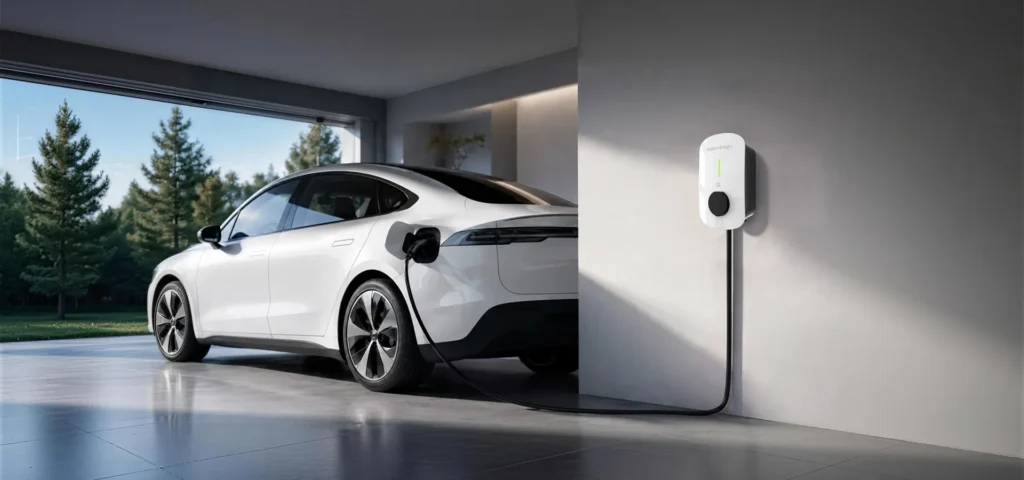
Pro installation creates peace of mind. Homeowners can rest assured that all connections are tight and the charger is configured for maximum efficiency. Sticking to the codes makes you eligible for tax credits and rebates.
Though pro costs appear greater initially, savings accrue over the years through reduced repairs and decreased risk of electrical problems. Dependable installation is key to keeping charger downtime and surprise faults at bay.
Warranty protection is an advantage. Lots of makers will warranty their wares only if the charger is installed by an authorized specialist, providing a margin and peace of mind for the investment.
Long-Term Value
Putting an EV charger in at home isn’t just about the initial price. Over time, the investment can pay off in more than immediate savings. For many EV owners, the advantages are living, long-term financial, and even property value-related. Below are the main long-term advantages to consider:
- Perpetual fuel savings are an obvious plus. Twelve dollars and ninety-six cents at home, and up to eighteen dollars publicly for that very same seventy-two kilowatt-hour battery charge. These savings accumulate fast. For instance, if you drive the average twenty-one thousand seven hundred eighteen kilometers per year, you would save one thousand four hundred to one thousand five hundred dollars in fuel annually, not even accounting for lower maintenance costs.
- Over five years, electric vehicle owners save approximately three thousand two hundred dollars on maintenance versus gas vehicles. To initially set up a home EV charger, it can cost anywhere from $1,000 to $3,000, excluding the charger. This might appear steep, but the annual savings and less strain on your vehicle’s engine and brakes can help justify the initial expenditure.
- Home charging is far more convenient and dependable than using public stations. Eighty percent of EV owners favor home charging, displaying the long-term value of having direct access to a charging solution. The property value can catch a lift. As millions of consumers enter the EV fold, homes with EV charging capabilities are becoming more desirable on the market.
Property Appreciation
A home with an EV charger will really set you apart in many real estate markets. Today’s buyers want attributes that demonstrate a home is future-proofed for new technology and eco-friendly transportation. In EV-hot spots, real estate listings featuring at-home charging tend to capture more views.
Buyers will even pay a premium for homes with these upgrades. Having a charger installed can offer a potential return on investment as the momentum toward EV adoption continues to build. In certain markets, home charger availability can be a deal-breaker for eco-minded consumers. With the world moving towards EVs, the long-term value of a property with a built-in charging solution is bound to increase.
Energy Management
Home EV charging can help owners use energy wisely. We’ve had countless families combine their charger with solar panels or other renewables, slashing emissions and utility bills. Smart chargers can schedule charging during off-peak hours, thereby reducing electric bills and alleviating pressure on local grids.
These usually have accompanying apps to monitor and manage energy consumption. In the long run, smart charging habits can add up to significant savings, particularly in areas with dynamic electricity rates. Pairing renewables with smart tech, for example, puts EV owners back in the driver’s seat when it comes to managing their energy bills and carbon footprint.
Lifestyle Convenience
Home charging makes life easier for EV owners. There’s no more need to make trips to public stations or stand in line. Out of sight means you can plug in overnight and begin each day with a full battery, giving your schedule that much more flexibility.
Public charging may be more time-consuming and expensive. Home solutions await at every turn. For most EV owners, home charging integrates seamlessly into their lifestyle, which means that short and long drives are easy to tackle.
Conclusion
The upfront cost for a home EV charger varies based on charger type, your home’s wiring, and labor rates. Some homes require upgrades or permits. Other homes accommodate a new charger with minimal effort. Level 2 chargers require a professional, but they charge your car a lot quicker than Level 1. Additional charges occasionally appear, such as for longer cables or panel upgrades. Home charging can save you money in the long run, increase home value, and reduce visits to charging stations. Get the best deal by knowing what you need, getting a local electrician to quote you, and checking for rebates in your area. To begin, review your existing configuration and select a charger that matches your requirements and budget.
Frequently Asked Questions
How much does it typically cost to install a home EV charger?
Home EV charger installation typically ranges from €500 to €2,000. It can vary based on charger type and your home’s electrical system.
What factors can increase the installation cost?
Costs increase if you need upgrades to your electrical panel, if the charger is a distance away from your power source, or if deep wiring is necessary.
Does the type of EV charger affect the installation cost?
Yes. Level 2 chargers cost more to install than Level 1 chargers because they need dedicated wiring and electrical upgrades.
Are there hidden expenses to consider for home EV charger installation?
These hidden costs can range from additional permit fees, electrical panel upgrades, or wall and driveway repair after installation.
Can I install an EV charger myself?
You can, but don’t unless you’re a pro electrician. Professional installation guarantees safety and adherence to codes.
Do home EV chargers add value to a property?
Yes. Plus, installing a home EV charger can increase your property value and appeal to potential future buyers as electric vehicles become more widespread.
Are there long-term savings from installing a home EV charger?
Yes. Home charging is generally less expensive than public charging. It is convenient and can save on your overall cost of ownership.