

Key Takeaways
- Boiler vs furnace which is better Boiler based heating systems use water for consistent, even heat, while furnaces heat air and circulate it rapidly through ducts.
- Boilers tend to be more energy efficient and comfortable, though furnaces heat quicker and can be more easily combined with central air conditioning.
- Installation and operating costs can vary widely for both systems depending on your home’s size, energy source, and existing infrastructure.
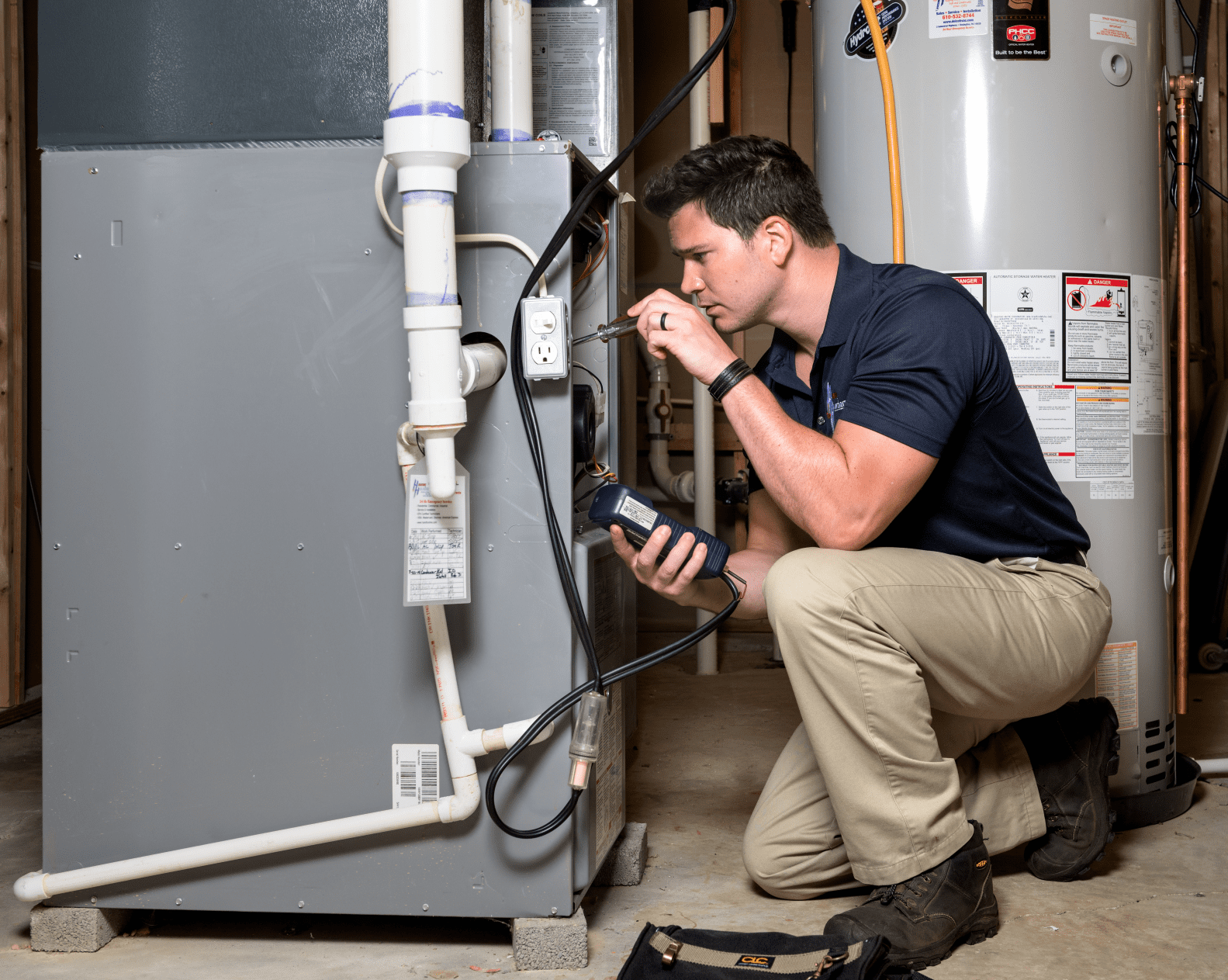
- Regular maintenance is crucial for both boilers and furnaces to guarantee longevity, efficiency, and healthy indoor air quality.
- Deciding between a boiler or furnace ultimately comes down to your personal comfort preference, energy costs in your area, environmental concerns, and needs down the road.
- Work with HVAC experts to evaluate your home’s requirements and choose a heating system that optimizes efficiency, cost and comfort.
Boilers and furnaces are both designed to heat your home, but they do so in very different ways and are appropriate for different needs.
Boilers rely on water to distribute heat, whereas furnaces blow warm air through ducts. The best option comes down to home size, climate, and budget.
We all want efficient heating that costs less in the long run. To assist in selecting the best system, it is useful to understand how each one functions and what they provide.
Core Mechanisms
Boilers and furnaces are both central heating systems but employ different mechanisms to keep your home warm. The primary distinction is what they heat—boilers heat water or steam, while furnaces heat air. This results in unique installation requirements, comfort experiences, and maintenance schedules that worldwide homeowners must consider.
Water-Based Heat
Boilers utilize water to distribute heat within a structure. The boiler heats water in a closed loop, then this water circulates through pipes to radiators, baseboards, or embedded under the floor heating. As the water cools, it circulates back to the boiler so that it can be reheated, creating a continual cycle.
This approach radiates consistent warmth, frequently with less temperature fluctuations than air alternatives. Radiant floor heating, in particular, employs this strategy to heat rooms from the floor up, providing even, enjoyable warmth, especially in colder locales.
Hydronic heat from a boiler is less likely to scatter dust or allergens, which can be beneficial for allergy and breathing sufferers. There are two main types of boilers: hot water boilers and steam boilers. Hot water boilers are more frequent in new homes, and steam boilers are found in some older homes.
Proper maintenance, including yearly inspections and maintenance, extends the life of boilers, reduces malfunctions, and keeps them performing efficiently. With high-efficiency boilers, which have an Annual Fuel Utilization Efficiency greater than 90%, users can reduce fuel costs and emissions, in some cases by half of those produced by older boilers.
Air-Based Heat
Furnaces warm air and distribute it via ducts with a blower. The warm air kicks out through registers in every room. This configuration allows you to heat a room fast and most systems allow you to control zones or regulate temperatures with a thermostat.
Air-based systems come in different fuel options: gas, propane, or electricity. Gas furnaces are prevalent in most areas for their balance of price and efficiency, while electric furnaces tend to be easier to install but could be more expensive to operate in locations with high electricity rates.
Air-based heating can cause dust and allergens to circulate throughout the home with the warm air. Ductwork and vents require cleaning and inspections, as leaks or obstructions can diminish both comfort and efficiency.
Modern furnaces can achieve up to 98.5 percent AFUE, which makes them significantly more efficient than older models. Even better, upgrading to a high-efficiency unit or a heat pump can reduce bills and pollution.
Key Differences
Boilers and furnaces are both popular methods of heating homes. The fundamental difference is in how they create and circulate warmth. Boilers rely on hot water or steam. Furnaces use warm air. That results in huge distinctions in convenience, price, and maintenance.
- Boilers warm the water or convert it into steam and distribute it via pipes to radiators or underfloor heating units, releasing radiant heat. Furnaces warm air and blast it through ducts and vents.
- Boilers typically have a more consistent radiating heat, which warms pleasantly in a cold room. Furnaces warm rooms quickly by blowing hot air, which makes them a great choice for temperate climates.
- The setup is different. Boilers need a network of pipes, while furnaces need ductwork.
- Maintenance for boilers is simple and primarily consists of a yearly tune-up. Furnaces require new filters frequently and annual inspections.
- Boilers last longer, usually 15 to 30 years. Furnaces typically have a lifespan ranging from 15 to 20 years.
1. Heating Method
Boilers utilize water or steam to distribute heat via pipes and radiators. This radiant heat warms everything — objects and people — not just the air. Furnaces, conversely, suck in air, heat it, then blow it through ducts. The consequence is rapid, forced air heat in any room with vents.
Radiant heat from boilers keeps the temperature constant and the air doesn’t get very dry. Air forced through ducts by a furnace can warm rooms quickly, but can dry the air or provide uneven heat if the ducts aren’t properly balanced.
The heating type you select alters the way your residence feels. In chilly, moist environments, radiant heat seems comforting and consistent. In areas with short winters, quick hot air from a furnace could be acceptable.
Choosing a heating method is often about what’s most important: steady comfort, speed, or how dry the air gets.
2. Energy Efficiency
Both modern boilers and high-efficiency furnaces have commendable AFUE ratings. AFUE, or annual fuel utilization efficiency, indicates how much fuel is converted into heat for your house. Almost all new boilers and top furnaces have AFUE scores ranging from 90 percent to 98 percent.
High AFUE means less waste and lower energy bills. The most efficient models reduce fuel consumption and may save you hundreds annually. An HVAC pro can help check your existing configuration and recommend ways to increase efficiency.
3. Installation Cost
Boilers frequently have a higher installation cost. They require pipes, radiators, or in-floor heat systems that are time-consuming and artisan to install. Furnaces are easier to install.
If your home isn’t already ducted, installing them can increase the cost significantly. Rates vary based on the size of your home, its layout, and if you can add or replace pipes or ducts. Getting quotes from HVAC pros is key to a real price.
4. Operating Cost
Boilers and furnaces both operate on gas, oil, or electricity. It costs more to run them based on fuel type and local rates. In certain areas, gas is low-priced, while in others, electricity is.
Routine maintenance, such as boiler tuning or furnace filter changing, keeps expenses low. Energy-saving models lower bills by using less fuel for the same heat.
5. Lifespan
Boilers typically have a lifespan of 15 to 30 years with proper maintenance compared to furnaces that last approximately 15 to 20 years. Good care, such as annual tune-ups and minor repairs, can help both endure.
If a system ages or breaks down frequently, it might require replacement. Which one is right for you depends on your home, your climate, and how much maintenance you are willing to do.
Comfort Quality
Comfort in the home is influenced by heat distribution and temperature stability. Boilers and furnaces operate in significantly different manners and that alters how they make people feel in their homes. Boilers utilize water to distribute heat, whereas furnaces push air through ductwork. This results in varying comfort quality, particularly in larger houses or locations with harsh winters.
Those unfortunate souls with allergies or breathing problems might spot significant changes. Rooms near vents can be warmer than rooms that are farther away. Vents blow air unevenly, causing hot and cold spots. Warm air rises, sometimes leaving lower levels feeling chilly. Sofas or closed doors can cut off air flow and make certain areas cooler. Dust and allergens may circulate more in forced air rooms.
Radiant Warmth
Boilers heat water, then circulate it through pipes beneath floors or walls. This causes heat to waft up and disperse evenly. They find that the warmth is uniform throughout the room. Unlike forced air, you don’t get blasts of hot or cold air; it feels solid and soft. The floor stays warm, which is a huge bonus in regions with unforgiving winters.
Radiant floor systems really do shine in colder climates. They maintain rooms warm from the floor up, which can make a room feel comfortable when it’s freezing outdoors. There’s no gust or chilly drafts, just an even, silent heat.
For allergy or breathing-impaired individuals, radiant heat is a godsend. Boilers don’t blow air, so they don’t circulate dust or pollen. This means cleaner air and less allergy flaring.
Forced Air
Furnaces heat air and push it through ducts to every room. They can heat a house quickly. If you want to heat up a room fast from that walk in the cold, forced air gets it done. It can kick on and heat a room in minutes.
Forced air units can connect with central air conditioning. This means a single set of ducts can deliver winter heating and summer cooling. This combo frees up space and streamlines things for certain houses.
There’s a catch: these systems can stir up dust, pet hair, and other things that might bother people’s lungs. Filters work, but some dust nearly always creeps through. Air from vents can result in drafts and dry air which may not be comfortable for all.
Forced air is versatile. Since it has proper ductwork, you can direct heat to any room and even install vents in bonus rooms as an afterthought. Others enjoy feeling warm air blow as soon as they desire and the rapid reaction is tough to top.
Installation Realities
Boiler and furnace systems have different space, layout, and installation realities. Picking between types is going to be a matter of your room and home’s design, the setup you already have, what you’re future-proofing, and your local climate.
Space Needs
Boilers require more room than most furnaces. In addition to the main unit, there’s got to be space for an expansion tank and occasionally additional plumbing. This renders them less suitable for tiny houses or apartments. For most installations, a boiler fits in a basement or utility room.
Furnaces can be more compact, particularly horizontal models. These are excellent for space constrained homes or tight attic locations. Upflow and downflow furnace designs give homeowners the flexibility to install the system in basements, closets, or even attics based on their home’s layout.
A basement install keeps sound and hardware out of primary living spaces, but not everyone has a basement. Installing them in the attic can optimize floorspace. However, this may require additional insulation to mitigate heat loss. This decision can influence how easily future repairs or upgrades can be made and occasionally the resale value of the home.
System Integration
Boilers are ideal if your home already has radiant or hydronic heating. These systems pipe hot water out to radiators or in-floor heating. To add a boiler to an existing installation is often simple. The work is complicated if the system is old or incomplete.
Furnaces require ducts. If you have good ducts, installation can be fast and inexpensive. If not, ductwork installation contributes to cost and complexity. Central air conditioning can be connected with a furnace, which is convenient for homes looking to have both heating and cooling in a single system. Duct losses can slash furnace efficiency by 10 to 15 percent.
When looking forward, it’s smart to be considering such upgrades as a heat pump or fuel switching. HVAC pros have a huge part here. They size equipment for the space and climate, inspect ductwork or water lines, and verify that everything functions as intended. Proper installation is the key for both systems, particularly in cold climates where warm-up needs to be dependable.
Environmental Impact
Heating systems are a major factor in energy use and emissions globally. The fuel type, unit efficiency and local regulations determine their environmental impact. Knowing how boilers and furnaces compare in these respects assists users in balancing their options for a greener tomorrow.
Fuel Sources
- Natural gas
- Propane
- Fuel oil
- Electricity
- Biomass (wood pellets, chips)
- Solar thermal (for some hybrid systems)
Natural gas and propane are two of the most prevalent boiler and furnace fuels. Natural gas is the most common because it’s more affordable and readily available. Propane and fuel oil are frequently used in areas that are not serviced by gas lines. Electricity fuels certain contemporary options and is key to heat pumps, but the environmental impact hinges on the electricity’s origin.
Biomass and solar can be utilized in particular arrangements, particularly when the renewable aspect is emphasized. Fuel prices and availability differ by region. In much of Europe and Asia, natural gas is standard, whereas rural North America might rely on propane or oil. Electricity is gaining popularity as well, particularly in cases where grids depend more on renewables. Renewable sources such as solar thermal or biomass can reduce emissions even further.
Their deployment is still restricted by upfront cost and infrastructure. When comparing alternatives, it’s important to consider both the short-term price and the environmental goal. Opting for a cleaner fuel source reduces emissions and supports international climate objectives. In other cases, local regulations nudge developers and homebuyers in the direction of renewables or establish harsh emissions caps.
These rules can guide choices of which system or fuel to utilize.
System Emissions
Combustion furnaces, particularly antiquated ones, can emit significant volumes of CO2, nitrogen oxides, and other pollutants. This impact is drastic when it comes to the environment. Moving from a 56% efficient model to a 90% one eliminates up to 1.5 tons of CO2 per year on natural gas and 2.5 tons with oil. High-efficiency units almost always use less fuel, which translates to fewer emissions and lower bills.
New boilers run a lot cleaner than old furnaces. Some high-AFUE boilers now hit 98.5% efficiency. This is capable of reducing fuel consumption and pollution by half compared to older units, which typically operate at 56% to 70% efficiency. Upgrading to a 90+ AFUE unit or heat pump results in a significant reduction in greenhouse gases.
High-efficiency boiler or furnace systems create less emissions and less of a footprint on climate change. Venting is everything to prevent indoor pollution. Even a flame that is burning well can leak carbon monoxide if the system is not properly vented. Many cities now mandate cutting edge venting to keep homes secure and clean.
The Unseen Factors
Heating decisions are more than warm. There are a lot of unseen factors that will influence the choice between boilers and furnaces. Air quality, noise, and the concept of future-proofing all influence the best choice for every home.
| System Type | Typical Noise Level | Air Quality Impact |
|---|---|---|
| Boiler | Low to moderate | Minimal dust, less spread |
| Furnace | Moderate to high | More dust/allergens |
Air Quality
Boilers heat water, not air, so they don’t blow dust or pollen through vents. This does a lot to keep indoor air cleaner, which is a huge benefit if you have allergies or asthma.
Forced-air furnaces, on the other hand, blow air through ducts. This can agitate dust, pet dander, and even mold spores if ducts aren’t clean. Those who have respiratory problems frequently observe that their symptoms are worsened by forced-air heat.
Maintenance matters for both. Dust and debris accumulate in furnace filters and ducts. If they’re not cleaned or changed, air quality in the home plummets. For boilers, servicing is easier. An annual tune-up is usually sufficient because they don’t circulate air.
It can be used in some newer furnaces and boilers with advanced filters or air purifiers. HEPA or electrostatic filters install in most forced-air systems, capturing minute particles before they disperse. Even with these, good old fashioned cleaning on a regular basis is crucial for best results.
Noise Level
Boilers operate silently, punctuated occasionally by soft clicks or a mumble as water heats and circulates through pipes. Many people find this less distracting, particularly in bedrooms or living rooms.
Furnaces can be noisier. The blower fan, air traveling through ducts, or metal vibration can all accumulate, particularly in older models. Technology has made both systems quieter. Better insulation, variable-speed fans, and new burner designs all contribute.
Some noise is typical, particularly when a furnace powers on or off. Considering noise for comfort is important. If you live in an apartment or small house, a loud unit can be a nuisance. Soundproofing, padded ducts for example or insulated walls, can provide assistance, but it increases the expense.

Future Proofing
Energy efficiency is becoming a key vector now. High-efficiency boilers, particularly condensing varieties, consume less fuel and can achieve AFUE ratings of well over 90%. That translates into more warmth for every euro or dollar you invest.
Furnaces have advanced as well, but perhaps cannot compete with leading boiler models. Contemporary networks can frequently connect with smart thermostats for distant operation and increased monitoring.
Energy trends are shifting quickly. More people want systems that run on renewable energy, such as solar or heat pumps. Selecting a heating system that can easily pivot to new technology or fuel types will reward you in the long run.
HVAC pros can assist in selecting options that suit both your current and future needs, whether retrofitting a 20-year-old boiler or outfitting a new build.
Conclusion
Both boilers and furnaces provide heat in their own manner. Boilers circulate heat through water, which is comforting and gentle. Furnaces use air and warm rooms quickly. They both require maintenance and proper installation. Boilers are more expensive to install, but they can have a long service life and have lower energy consumption. Furnaces cost less up front and therefore make sense for quick heat in large homes. Each fits a different space and need. Look at your budget, home size, and what feels right. Consider energy consumption and potential bills. Consult with a local pro to align your needs with your system. Get the facts, weigh your options, and choose what makes you comfortable.
Frequently Asked Questions
What is the main difference between a boiler and a furnace?
A boiler heats water to provide radiant or steam heat. A furnace warms air and sends it throughout ducts. Both heat your home in slightly different ways.
Which is more energy efficient: boiler or furnace?
Boilers are often more energy efficient because they use water, which retains heat better than air. Efficiency varies based on the system’s age, maintenance, and local climate.
Which system provides better indoor comfort?
Boilers tend to provide more even and consistent heat. Furnaces heat rooms fast, but can feel drafty and uneven.
Is installation more difficult for boilers or furnaces?
Boiler install tends to be a bit more complicated and expensive. It might need pipework and radiators. Furnace installation is typically faster and less intrusive and employs ductwork.
Which system is better for the environment?
Modern boilers and furnaces can both be environmentally friendly if powered by high-efficiency models and clean energy sources. Boilers can be more efficient with renewable energy integration.
How do maintenance needs compare between boilers and furnaces?
Furnaces might require more filter changes. Boilers need to be checked regularly for leaks and pressure. Both should be professionally serviced annually for safety and efficiency.
Which heating system lasts longer?
Boilers generally have a longer lifespan of 15 to 30 years with proper maintenance. Furnaces typically have a lifespan of approximately 15 to 20 years. Lifespan varies based on usage and regular maintenance.