
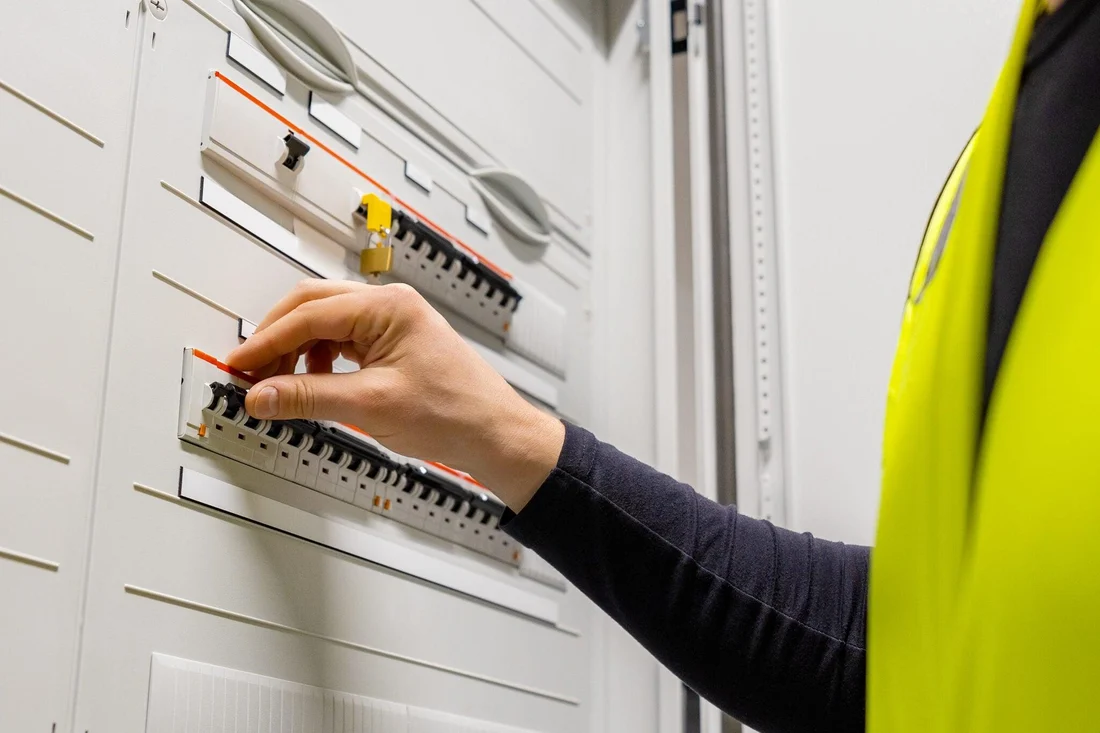

Key Takeaways
- There are several common reasons why your circuit breaker keeps tripping: overloads, short circuits, ground faults, arc faults, and faulty appliances. Look out for buzzing, burning smells, or frequent trips to identify hazards fast.
- Troubleshoot the cause by shutting off devices on the impacted circuit, reconnecting them individually, and noting if trips are instant or delayed to determine device faults or wiring issues.
- Keep track of when trips occur, what appliances were running, and environmental conditions. Patterns will start to emerge and help inform specific repair efforts.
- Confront more complex problems like worn breakers, loose connections, panel issues, or environmental damage by calling in a pro for an inspection when simple remedies fail to prevent trips.
- Install GFCI and AFCI protection where needed, test these special breakers monthly, and swap out defective units to protect against ground and arc faults.
- No complicated DIY repairs, just unplug suspicious appliances and do simple visual checks. Call a licensed electrician for repeated trips, sparks, burning smells, or breakers that won’t reset.
A circuit breaker trips when it senses an overload, short circuit, or ground fault on the circuit.
An overload occurs when too many devices pull more current than the breaker’s rating. Short circuits arise from damaged wiring or loose connections that allow current to leap paths. Ground faults occur when live wires contact grounded metal.
Knowing the culprit directs you to reset, fix wiring, or change the breaker. What follows are practical diagnostic steps.
Common Culprits
They trip to protect wiring and devices when something in the electrical system pulls too much power or diverts it in an unnatural manner. Here are the most frequent offenders: circuit overload, short circuit, ground fault, arc fault, and problematic appliances.
Warning signs to look for are frequent tripping, buzzing from the panel, burning smells, sparks, or even smoke. These are all signs of increasing hazard that you should intervene on before damage or fire happens.
1. Circuit Overload
Circuit overload is when the load on a circuit surpasses the breaker’s rating. Typical household offenders are refrigerators and freezers that pull three to four times their running wattage when compressors fire, portable space heaters pulling around 1,500 watts constantly, and hair dryers or styling tools up to 1,800.
Overloads typically take place when multiple high-wattage appliances are operating on the circuit simultaneously. To minimize trips, distribute high-demand appliances across various circuits, install dedicated lines for heavy loads such as ovens or AC units, and monitor concurrent usage.
In multi-outlet rooms, know which outlets share a breaker. Shifting one appliance to another room can prevent them from tripping repeatedly. Don’t forget to check HVAC condensers and outdoor units. Clogged condensers cause motors to labor and can increase current draw enough to trip breakers during warm spells.
2. Short Circuit
A short circuit is when a hot conductor makes contact with a neutral or grounded metal, resulting in a sudden surge of current. That spike flips the breaker nearly instantaneously.
Short circuits can generate sparks, smoke, or even brief flames and present a genuine fire risk. Typical culprits are compromised insulation, nails or screws punched into wiring during remodeling, worn outlet contacts, or defective switches.
If you notice instantaneous trips with smoke or a burning smell, shut the power off at the main panel and consult a licensed electrician. Identify the fault before you keep resetting the breaker after a short.
3. Ground Fault
They take place when a hot wire touches a grounded portion or earth path, transmitting current where it must not go. They are common in damp areas, such as kitchens, bathrooms, and exterior outlets, where moisture or corrosion can bridge conductors.
Put GFCI outlets there to sense minuscule current drips and turn off the power in a flash. Check cords, plugs, and outlet covers for water or rust. In high humidity environments, they can continue to trip until the underlying moisture problem is resolved.
4. Arc Fault
Arc faults occur as a result of loose connections, damaged wires, or frayed insulation that generate sporadic electrical arcs. Arcing produces heat and can start a fire, too.
AFCI breakers sense arcing patterns and trip to interrupt the fault. Pay attention to crackling sounds, flickering lights, and faint burning smells around outlets. Nip loose outlets, poorly connected fixtures, and old wiring in the bud.
5. Faulty Appliance
Appliances with internal wiring faults, worn motors, or overheating components can trip breakers. Older refrigerators, space heaters, washers, and dryers are typical culprits.
To test a device, unplug it and observe if the breaker remains on. If yes, then that appliance probably tripped it. Identify common culprits by examining cords and plugs for wear and tear.
Fix or swap units that heat up or smell. Replacing a single bad appliance often terminates recurring visits.
Diagnostic Steps
Begin with a simple, logical diagnostic procedure to discover what causes a breaker to have such a tendency to trip. Try to diagnose if the fault is an overload, a short circuit, a ground fault, or a failing breaker, then act accordingly. Utilize the three sub-areas under to help isolate the problem, observe trends, and examine suspicious appliances.
Isolate the Cause
Before resetting the breaker, turn off all appliances and devices on the circuit. Force the breaker to OFF, then ON. If it trips right off with no load, think short, ground fault, or bad breaker. If it stands, start plugging devices back in one at a time.
Slowly reconnect devices, allowing them to sit for two to three minutes after each connection. Plug in one device and find out if the breaker trips right away or after some use. The first implies a short or fault in wiring, while the latter typically means overload or heat-drawing devices.
Mark outlets and appliances on the circuit for future reference so you can easily replicate the test and monitor what caused the trip. If an individual appliance tripped the breaker when tested on another circuit, the appliance is faulty. If the same breaker trips even with no appliances connected, suspect the breaker itself or wiring in the circuit.
Consider the panel age. Older panels and breakers fail more often and may need replacement.
Observe the Pattern
Monitor how frequently and in what circumstances the breaker trips to identify potential patterns. Note the time of day, activities running (for example, a microwave, heater, or HVAC startup), and any weather that could impact outdoor circuits. Trace the path to each fall.
Log the date and time of each trip. Keep track of what appliances were on and if multiple high-draw units ran simultaneously. Record if trips occur during storms or when the house is humid. Maintain an easy chart or list tying breakers to rooms and large appliances.
Pattern data aids in separating overloads, just as frequent trips under heavy use, from intermittent faults, random trips, and from environmental triggers, wet and temperature extremes.
Inspect the Appliance
Caution diagnostic steps… check suspected appliances for frayed cords, scorch marks or strange noises before plugging in again. If you see a visible burn or smell of ozone or burnt plastic, it’s an internal fault and it should be retired.
Try appliances on an alternative, known-good circuit to determine whether the problem follows the device. If an appliance trips more than one circuit, retire it or fix it. If a single breaker trips regardless of testing different devices, the breaker or wiring is probably the culprit.
Swap out devices that keep tripping. If resetting doesn’t fix it, call a licensed electrician.
Deeper Issues
Frequent breaker trips usually indicate problems deeper than an overloaded outlet. Look beyond the breakers and explore wiring, aging components, and the panel itself. These more profound flaws can increase fire danger, interfere with your lifestyle, and indicate the necessity of an electrician’s assistance if quick solutions don’t halt the tripping.
Worn Breaker
A breaker that either no longer trips at the rated current or trips with no apparent load could be worn or internally damaged. Swap breakers that demonstrate age-related faults to maintain circuit safety and prevent nuisance trips.
- Burning smell near the panel
- Scorch marks on breaker housing
- Breaker won’t reset or trips immediately after resetting
- Visible rust, pitting, or loose switch action
- Frequent trips on circuits with normal loads
Test suspect breakers with a certified electrician using load tests and thermal checks. An expert can correlate measured trip points to the breaker’s rating and determine if replacement is necessary to return to safe operation.
Loose Wiring
Loose terminal screws or backstabbed outlets create spots of intermittent contact and trips. A loose connection increases resistance, causing components to become hot and potentially arc. Arcing can cause scorch marks and ignite a fire.
Close all open terminals and tighten all screws. Do not touch live parts unless trained. Look behind outlets and inside the panel for charred insulation or melted plastic. If you encounter loose wires at the breaker or neutral/ground bars, pause and call an electrician. Tightening under load or inside a breaker box is dangerous.
Loose wiring typically manifests as flicker, hot outlets, or trips with no heavy load. Repairing them reroutes a dependable current and minimizes the risk of a ground fault or thermal breakdown.
Panel Problems
Overcrowded or outdated panels are frequent offenders for repeated trips. Older panels weren’t constructed to handle the loads of modern homes. Throwing in air conditioners, chargers, and kitchen appliances can overload design capacity and lead to regular tripping.
Search for loose breakers, double tapped circuits not rated for two conductors, or rust and corrosion inside the box. When your panel is out of room or still employs antiquated fuse types, it’s time for an upgrade to a modern breaker box.
Make sure every breaker corresponds to its circuit’s amperage and fits snugly. Plan regular inspections to spot wear, bad bonding, or failing main breakers before they wreak havoc.
Environmental Stress
Moisture, high heat and pests reduce component life and cause trips. Water infiltration in basements or outside can set up ground faults, and a hot wire to ground part will trip a breaker immediately.
Protect outdoor and basement circuits with weatherproof enclosures and run GFCI outlets where required, testing and resetting them monthly. Ensure wire insulation in attics and rodent entry points.
Solving these stresses increases system lifespan and reduces unplanned downtime.
Specialized Breakers
Specialized breakers provide targeted protection that normal breakers cannot deliver. They sense conditions that can cause shock or fire and trip faster than a standard thermal-magnetic breaker. Knowing what they do, where to install them, how to test them and when to replace them minimizes nuisance trips and actual dangers.
GFCI Trips
GFCI breakers and outlets detect ground faults when current exits its intended route and runs to ground and trip to avoid shock. A ground fault, for instance, might arise if a hot wire comes in contact with a grounded metal element or if a device becomes wet. The GFCI monitors the imbalance between hot and neutral, shutting down power when the difference surpasses a few milliamps.
Specialized Breakers reset a tripped GFCI by eliminating the cause, then pushing the RESET button. If it won’t reset, don’t force it. Leverage GFCI protection in kitchens, bathrooms, laundry rooms, garages, and exterior outlets where water or moisture increase shock hazard.
If a GFCI breaker keeps tripping with no apparent issue or even trips with nothing plugged in, it could be faulty itself and replace bad GFCI outlets as soon as possible. Monthly TEST and RESET cycles assist in verifying the mechanism remains functional, as these devices can deteriorate quicker than standard breakers and might require earlier replacement than the 20 to 30 year average lifespan of modern breakers.
AFCI Trips
AFCI breakers identify perilous arc faults and disconnect the power before a spark can ignite a blaze. Arcs occur when conductors or connections are compromised, frayed, or loose. The AFCI detects the distinctive noise of an arcing current and trips.
Reset an AFCI only after checking the circuit for burned insulation, loose outlets, or evidence of previous hack jobs that may permit arcing. Place AFCI protection in bedrooms, living areas, and other living spaces where code mandates.
Newer wiring and panel combined with AFCIs provide superior comprehensive protection for today’s increased electrical loads. Frequent AFCI trips indicate a wiring problem—loose receptacle screws, damaged cable jackets, aging switches—and need to be tracked down and repaired, not swept under the rug.
If you notice warning signs of a bad specialized breaker, like frequent unexplained tripping, a burning smell near the panel, or scorch marks on the breaker, replace that breaker and inspect your wiring!
Specialized breakers must be part of a wider maintenance plan. Test monthly, replace faulty units quickly, and upgrade old panels and wiring when deterioration appears.
The Human Element
Human nature is the wild card behind countless breaker trips. Little errors, missed cues and repair decisions define how frequently a house gets hit with power outages. This post covers where we humans screw up, what to look out for, and how to behave to keep a home protected.
DIY Dangers
Try basic checks now and then. Carry a flashlight, insulated screwdriver, and a meter for easy things like verifying a breaker is off and something is unplugged. Do not open meter-main assemblies or rewire circuits unless qualified.
Too many people try repairs after a fall and introduce latent faults that manifest later as burns, zapped appliances, or fires. Unqualified work can leave loose connections or wrong terminations that heat over time. That heat can subtly ruin insulation and lead to intermittent trips that are difficult to troubleshoot.
Those who’ve attempted to penny-pinch their way through complicated repairs frequently pay more in subsequent fixes and even put themselves at risk of injury. Shocks and burns are legit. Even a momentary exposure to a live conductor can do permanent damage.
For safety, call a reputable electrician for anything more than swapping out a plug-in device or resetting an obvious single overloaded breaker.
Installation Errors
Incorrect breaker size and mixed wiring are common installation defects. A breaker that’s too big for its branch circuit lets wiring run hot before tripping. A breaker that’s too small trips frequently with normal use.
Hot and neutral mixing or neutral sharing between circuits can cause imbalanced loads and nuisance trips. All work to be done in accordance with national electrical code and local standards. On upgrades, triple check breaker ratings, wire gauge, and terminal torque.
Some houses from a few decades ago have panels too small for today’s appliance loads. Homeowners might not even realize the panel capacity is not enough until they make several trips during heavy use. Fixing old errors usually puts a halt to repeating stumbles.
Swap undersized breakers, uncouple overloaded circuits, and rewire improper splices. Panel upgrades are a great solution for when your home power needs have outgrown their original design.
Ignoring the Signs
Frequent tripping, a burning smell, buzzing sounds, or warm outlets are clear warnings. People often reset breakers repeatedly and ignore the underlying fault. That habit can worsen damage.
A diagnostic-first approach is essential. Trace loads, test for shorts and ground faults, and assess panel health before swapping parts. Overloading, for example, when you plug too many high energy appliances into one circuit, it trips.
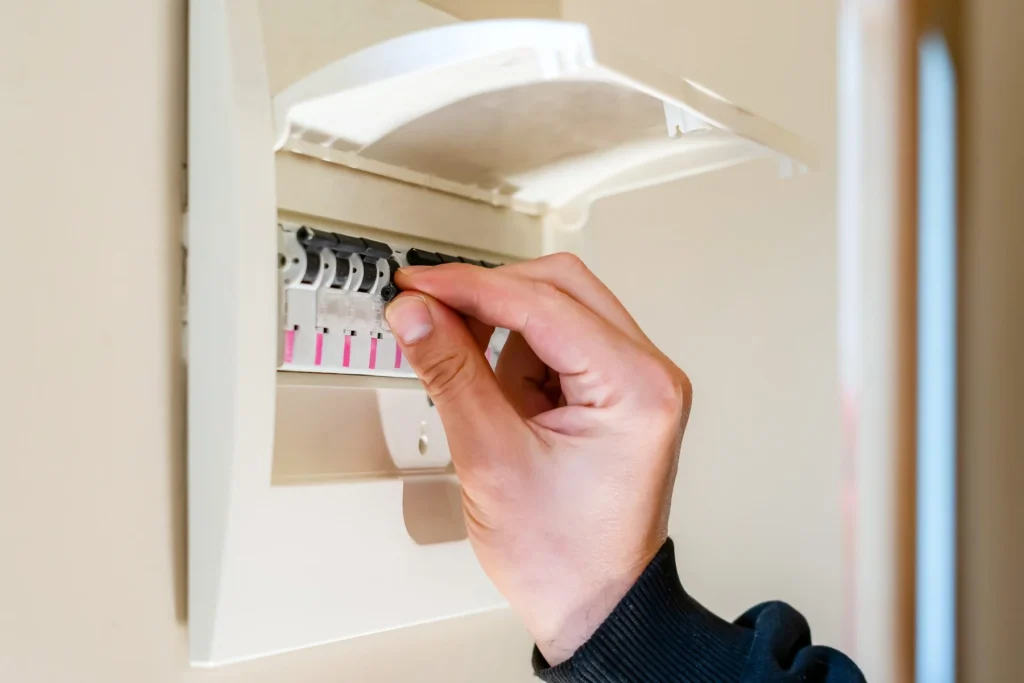
Identify fried breakers and too-small panels; they might not be obvious. It’s frustrating and anxiety provoking, but starting early mitigates risk. Consult a specialist if you don’t know what’s causing it, or if constant resets aren’t helping.
Professional Help
Consistent or inexplicable tripping is usually indicative of an issue other than mere overload. Professional circuit breaker repair can catch unseen culprits, like worn breakers, loose connections, or dated panels, and prevent repeated trips before they pose a fire danger.
Licensed electricians come equipped with training, diagnostic tools, and safety practices that most homeowners lack, so having one do it is the safest and most efficient path.
When to Call
Call an electrician if breakers trip repeatedly, won’t reset or feel hot to the touch. Frequent trips can indicate a recurring ground fault, short or overloaded circuit that should be redistributed or have a higher-capacity circuit installed.
If a breaker won’t reset, it’s either mechanically failed or sensing a lingering fault; both require diagnostic testing.
Ask for help with your main breaker, fuse box, or broad circuit failures that affect several rooms or appliances. Issues at the primary service can reflect supply-side abnormalities or old panels that do not satisfy present demand.
A professional can test your main breaker, inspect your bus bars, and advise you on a panel replacement if necessary.
Call in the pros right away if you notice electrical shocks, visible sparks, or a burning odor coming from your outlets or the panel. Those are immediate dangers that necessitate shutting the circuit off and examining it.
An electrician can identify the origin, replace burnt-out components, and repair or rewire damaged segments to get it running safely again.
Book service if you think bad wiring, bad breakers, or old electrical systems. Homes built a few decades ago frequently have undersized or worn out wiring and panels.
A pro can evaluate capacity, find code gaps, and provide choices like rewiring, subpanel installation, or focused repairs.
What to Expect
Anticipate an extensive review of your electrical panel, wiring, grounding, and circuits that trip. A professional will employ clamp meters, insulation testers, and thermal cameras to identify loose connections, high-resistance joints, and overheating that cannot be seen with the eye.
Get straightforward advice on what you need to have fixed, upgraded, or replaced. That could mean swapping a bad breaker, tightening bus connections, replacing aluminum branch wiring, or upgrading to a modern panel with proper breakers and surge protection.
Find out what was causing it and how they fixed it. The best electricians will leave you with notes, display the damaged components, and provide an estimate for any additional work like panel replacement or rewiring.
Enjoy the enhanced safety, reliability, and peace of mind that comes after an expert’s care. They can recommend a periodic inspection routine, which can help identify minor issues before they turn into threats and keep your wiring up to date with safety codes.
Conclusion
Circuit breakers trip for obvious causes. Overload means too many things draw more current than a circuit can handle. Short circuits and ground faults send current down an improper path. Worn wiring, loose connections, and bad breakers can give out without notice. We’ll show you how you can check loads, swap devices, and test breakers to identify the problem. Note patterns: trips tied to one room, one appliance, or one time of day point to specific faults. Call a licensed electrician for intricate wiring, concealed damage, or frequent trips. They employ meters, load tests, and safety equipment to isolate and repair the fault. Step early to reduce fire risk and maintain power. Schedule an inspection if trips recur.
Frequently Asked Questions
Why does my circuit breaker trip when I turn on one appliance?
One appliance may pull more current than the circuit permits. This overload trips the breaker to protect wiring. Test the appliance on another circuit or reduce some other loads on it.
How can I tell if a breaker trips from overload or a short circuit?
Overload trips after extended use or when many devices operate. Short circuits trip immediately with a sharp spark or burning odor. If it is sudden or recurrent, handle it as a potential short and turn off electricity.
Is a tripping breaker the same as a ground-fault or arc-fault?
Not necessarily. Normal breakers are for overloads and shorts. Ground-fault circuit interrupters (GFCI) and arc-fault circuit interrupters (AFCI) defend against unique faults and may trip in different ways. Check markings on the breaker.
Can I just replace a breaker that keeps tripping?
It’s dangerous to just replace a breaker without determining the cause. Replace only if the breaker is bad and appropriately sized. Have a licensed electrician verify and replace it with an appropriately rated breaker for safety and code compliance.
What household fixes can I try before calling an electrician?
Unplug devices on the circuit in question, reset the breaker, and test one appliance at a time. Relocate high-draw devices to other circuits. If trips persist, cease and call a professional.
How urgent is it if my breaker trips repeatedly?
Frequent tripping may signal a hazardous wiring fault or an overburdened panel. It’s urgent if you smell or see burning or sparks or if it trips often. Book a licensed electrician as soon as possible.
How does a breaker age affect tripping frequency?
Breakers go bad and stop being dependable. An old breaker can trip at lower currents or fail to trip. If your panel and breakers are antique, get them checked out and maybe upgraded.