
Key Takeaways
- Calculate the real total cost by considering generator unit cost, transfer switch choices, installation labor, permits, and fuel hookup. Ask for itemized quotes so you can know the upfront and ongoing maintenance costs clearly.
- Size the generator by a code-compliant load calculation and your present and future power requirements to prevent under or oversizing. Factor in future upgrades such as HVAC or EV charging.
- Installation costs will differ based on local conditions around NJ such as New Jersey municipal permit fees, PSE&G utility coordination, county regulations, and distance to dealer. Get town specifics before you sign a contract!
- Pick a qualified, professional installer and have transfer switch installation and permit handling in their estimate. That will make it code-compliant, safe, and cover your warranties. Compare several bids and verify credentials and service plans.
- Consider total cost of ownership, including fuel, regular maintenance, parts replacement, and convenient service plans to safeguard warranties and optimize lifespan.
- Keep resale and peace-of-mind benefits in the mix when considering the investment. A professionally installed, reliable standby generator can safeguard property and sensitive equipment and even enhance marketability.
Whole house generator cost New Jersey means the average price to purchase and install a home standby generator in New Jersey. They vary in price depending on generator size, fuel, permits and installer rates.
Small systems can begin near 7,000 USD while larger, whole-home setups tend to range from 12,000 to 25,000 USD. Local permits, transfer switches and fuel hookups influence final bills.
The following sections detail average costs and options.
Cost Breakdown
Understanding the cost breakdown allows owners to make plans for a whole-house generator. Here’s a highlighted breakdown of the top cost drivers and how they scale up for installations in New Jersey and comparable markets.
1. Generator Unit
Small to mid-size units (8–16 kW) go for around USD 2,000 to 4,500. Mid to large whole-house units (20–24 kW) go for 5,000 to 7,500 USD. Brand matters: Generac, Kohler, and Cummins price similarly in comparable output classes. Warranty length and dealer service differ.
More efficient models or ones with advanced controls and quieter enclosures cost more initially, but they lower operational noise and can save fuel in the long run. Automatic transfer switch compatibility, electric start and remote monitoring all add several hundred dollars to a few thousand dollars to the unit price.
For bigger homes with central HVAC, well pumps, and several appliances, plan to budget closer to the high end of the range. Modest homes can get away with smaller, less expensive units.
2. Transfer Switch
A transfer switch facilitates easy changeover and impacts overall cost as well. Automatic transfer switches (ATS) allow for immediate, hands-free transfer and generally cost more than manual switches. An ATS sized for whole-house coverage is significantly more costly than a panel that covers only essential circuits.
Higher-capacity switches rated for 100 to 200 A to match whole-house loads add premium prices. If you are planning to upgrade your project quote, expect surprise expenses from switch purchase and professional installation.
3. Installation Labor
Labor fluctuates with wiring difficulty, panel upgrades and utility coordination. Simple installs run as low as $500 and complex jobs go toward $2,500 or more. Licensed electricians are more expensive and they eliminate the possibility of code violations.
Receive a line-item labor estimate for everything from wiring, grounding and panel work to PSE&G or utility liaison.
4. Permitting Fees
On permits, New Jersey construction code requires permits, which vary by town. Municipal fees usually range from $500 to $2,000 based on coverage and if meter or panel changes are required. Complicated installations that modify gas service or electrical infrastructure might incur increased permit and inspection fees.
Anticipate these expenses up front and budget for them.
5. Fuel Connection
Fuel connections cost between USD 500 and USD 2,000 depending on fuel and distance. Natural gas tie-ins sometimes require meter work and PSE&G coordination, while propane may necessitate tank purchase and siting.
Long runs, trenching, or upgrades all add to material and labor costs. Budget USD 300 to USD 600 annually for service contracts and routine checks.
New Jersey Variables
New Jersey’s weather, storms, and regional power outage risk drive demand and pricing for whole-house standby generators. Coastal storms and nor’easters boost the risk for multi-hour outages. Residents who experience infrequent but repeated blackouts appreciate dependable backup power and bid prices higher where demand is consistent.
Installation-only costs alone can range from 1,500 to 5,000, but full system costs, including equipment, hookup, accessories, and code work, range from 6,000 to 30,000 or more depending on size and site needs.
Your Town
- Permit fees, utility coordination and local labor rates vary from town to town in New Jersey.
- Some towns need more paper or site plans. Others have digitized permitting.
- Basically, a couple of towns or utilities provide incentives, discounts, or fast-tracked permitting for standby generator installs.
- Check with your town’s building department and utility prior to ordering equipment.
Fees differ; some small towns may be cheaper and have slower reviews. Labor rates tend to be higher and scheduling windows narrower in urban areas. Utility coordination, scheduling gas or electrical tie-ins, can add days or weeks and sometimes extra fees.
Incentives vary. A county program or local rebate can reduce net cost if you’re eligible.
Your Property
Lot size, required setbacks and neighbors dictate where a unit can sit and how complicated the install will be. The typical clearances in New Jersey are a minimum of 18 inches from the house, 60 inches from windows, doors and fresh air intakes and 36 inches from objects in front of the generator.
Homes already on natural gas or with upgraded electrical panels typically incur less labor and material expenses. Homes in flood zones or dense neighborhoods might require elevated pads, specialized anchoring, or hush models to comply with codes and HOA regulations.
There has to be room for vents and regular service access. Tight spots increase labor hours and subsequent servicing headaches. HOA guidelines can demand paints, screens, or unit styles.
Your Power Needs
- Lights, refrigerator, well pumps, HVAC, electric stove, water heater, EV charger, medical equipment, and sump pumps.
- Choose to run the entire house or critical circuits. That option swaps out generator size and cost.
- Things with high power demand such as central HVAC, electric ovens and EV chargers require significantly more capacity.
- Construct a room by room list of devices and their starting and running watts to size the unit appropriately.
A whole-house plan demands a higher kilowatt rating and noses you toward the higher end of the $6,000 to $30,000 price range. Smaller essential-load systems are more cost-effective initially but provide less flexibility when it comes to extended outages.
Yearly upkeep costs a couple hundred dollars, and gas expenses are incidental based on usage, size, and gas type.
Sizing Your System
Sizing starts with an NEC-compliant load calculation. A good load calculation catalogs all circuits and major appliances, records their continuous and non-continuous loads, and uses demand factors where permissible. This yields a clean watts or kW total that corresponds to generator size.
For average homes, standby generators range from around 8 kW to 24 kW. Choosing among that range requires the NEC-based load worksheet to prevent unsafe or noncompliant installations. Choose one that matches your calculated load. Generators are not cheap, and oversizing one just increases your unit price and site costs.
Generators typically cost from $2,000 to $7,500 depending on capacity and brand, and large units push the system into the high end of the mid-to-high four or five-figure range. Undersizing means you run the risk of leaving important systems down during outages. For instance, a 10 kW unit could power base HVAC and the majority of circuits in a small home, while a 20 kW system will run central air, an electric water heater, and several other high-load appliances.
Size your system to the NEC calculation, not to guesswork. Consider future upgrades. If you’ll add a second HVAC, switch to electric heat, or install an EV charger, factor those loads into the sizing decision now. Adding an EV charger or two later can add several kilowatts of continuous load.
Planning ahead often costs less than an upgrade or replacement generator later. Use example scenarios: a family planning to add a 7 kilowatt charger should add that amount to the estimated load. A planned heat-pump upgrade may add three to eight kilowatts depending on size.
Use expert guides and calculators for New Jersey home styles and square footage. Most suppliers and certified electricians have sizing calculators that allow you to enter square meters, appliance list, and HVAC specifications to calculate required kilowatts.
These tools help show the cost implications: unit price, installation labor typically ranging from $500 to $2,500, permits and inspections costing between $500 and $2,000, and fuel hookup work. Total installed costs for most homeowners are in the range of $7,000 to $15,000. Weigh ongoing costs and plan on spending $300 to $600 per year for maintenance and annual inspection.
Fuel choice has an impact on sizing and operating cost. Natural gas provides an uninterrupted flow but requires a dependable line and potentially some utility work. Propane needs tank sizing and refill planning.
Local labor rates and permit rules will determine final pricing, so obtain a site-specific quote based on an NEC-compliant load calculation.
Beyond The Price Tag
A whole home generator is more than an initial expense. It’s an investment that impacts everyday comfort, security, property worth, and monthly budgets. Following are the primary non-price factors homeowners should consider before pulling the trigger.
The Peace of Mind Premium
Nothing feels better than coming in from a New Jersey storm and knowing your generator kept your family comfortable during the grid outage. Automatic whole-home units sense outages and start automatically, so you don’t have to sprint to a garage or wrangle portable fuel. This eliminates the hassle of manual starting and fuel juggling that portable units require.
Shielding sensitive electronics, medical devices and refrigerated food minimizes the risk of costly losses. For a family with a child on home medical equipment or a remote worker, continuous power maintains rhythm and revenue. In multi-day outages, heat, hot water and refrigeration keep secondary damages from causing insurance claims and repair bills.
Convenience is instant. A generator can keep a home’s HVAC, sump pump, security system, and internet modem going. For special needs households and multiple remote workers, the smooth switch-over prevents the anxiety of spotty power and lost work time.
The Resale Value Reality
A properly installed standby generator can make a home more marketable, especially in areas that get hit by regular outages. A lot of buyers see a permanently installed generator as a high-end amenity like a finished basement or upgraded kitchen. That’s a perception of value that can support a higher asking price for the seller.
Real value-added gains differ. They are about more than just the sticker price. Installation quality, trusted brands, and age of system all factor into buyer confidence. Great documentation, such as permits, warranties, and maintenance logs, builds investor confidence and can mean a higher sale. Recent servicing and a transferable warranty are concrete bonuses.
The Installer Investment
To bring it all together, hiring a legitimate, professional installer matters for safe, code-compliant installations. Local labor rates and permitting fees can vary total cost considerably. Experienced installers understand how to steer clear of typical pitfalls. Trusted companies offer warranties, priority emergency service, and utilize OEM parts, which lowers repair costs in the future.
Professional installation reduces the likelihood of malfunctions and dangers like carbon monoxide. It makes sure you have transfer switches and fuel hookups in the right places. Shop quotes, service plans and installer ratings. That bottom-dollar bid might overlook needed permits or cut corners on testing.
| Benefit | Long-term effect | Typical value examples |
|---|---|---|
| Increased home value | Better resale appeal | Can offset part of $6,000–$15,000 cost |
| Damage prevention | Avoid food/medical losses | Prevents insurance claims, lost income |
| Convenience | Daily living continuity | Keeps HVAC, pumps, internet running |
Long-Term Ownership
Long-term ownership impacts the total cost of a whole-house generator in more ways than just the purchase price. Long-term owners who are staying home tend to opt for units for dependability and efficiency, and those decisions impact both initial and operating costs.
Size, fuel, and maintenance requirements should fit present and anticipated household needs. Oversizing burns unneeded fuel and causes excessive wear, while undersizing may require partial loads or premature replacement.
Checklist for budgeting ongoing operational costs:
- Annual maintenance: plan for at least two routine visits each year. Standard spring startup and fall winterizations get the system ready for the season and detect wear early. Expect service visits to range from about 150 to 250 euros or dollars per visit depending on scope and local labor rates.
- Consumables and small parts: Oil changes and filter replacements are regular items. Plan on around 100 to 200 for a full service cycle for these. Don’t forget air filters, fuel filters, and oil in your projections.
- Batteries and electrical parts: Batteries commonly need replacement every 3 to 7 years. This might run anywhere from 50 to 150 dollars for a typical lead-acid battery. Add in starter relays, control board parts, and transfer switch costs.
- Fuel costs: Fuel type alters yearly expense. Natural gas customers have consistent supply costs. Propane customers purchase deliveries and storage. Diesel customers experience price fluctuations and fuel polishing. Calculate yearly fuel cost based on hours run and local fuel prices.
- Emergency repairs: Set aside a contingency fund equal to at least one full maintenance cycle to cover unexpected failures or storm damage.
Maintenance plans and local service networks are important. A lot of New Jersey-area dealers and national brands sell paid maintenance plans that package spring and fall checks together with discounted parts and priority service post-storm. These plans offer predictable annual costs and quicker response times in the event of an outage.
Compare plan terms: response time guarantees, included parts, and transferability if you sell the home. Periodic servicing not only adds years to life but keeps warranty conditions valid. For example, some manufacturers will need documented service on schedule to back up warranties, so keep your servicing record.
With great care — on-time oil changes, filter swaps and seasonal checks — a whole-house generator can last multiple decades, slashing lifetime dollars per annum. Long-term ownership can increase property value because buyers recognize an available backup system as a convenient feature.
That mix of reduced emergency fixes, predictable annual budgeting, and heightened resale appeal goes a long way to offset upfront investment for owners in the long-term ownership camp.
The Right Installer
The right installer is just as important as choosing the generator. Begin by verifying the company is properly licensed with a valid New Jersey contractor license and that the technicians are licensed electricians or certified generator installers. Certified pros understand local codes, inspection processes, and safe hookup techniques. They know how to size the unit to home load needs. Square meters of living area, the number of large appliances, and HVAC capacity all play a role in deciding kilowatt output.
Seek out companies with a robust local service infrastructure. A company with local service teams can deploy a tech promptly for warranty work, seasonal inspections, or urgent repairs. Local presence equates to knowing the local municipal permit rules and utility company habits, potentially saving precious time when booking projects. Inquire about their after-sale service, usual response times, and if they stock common parts.
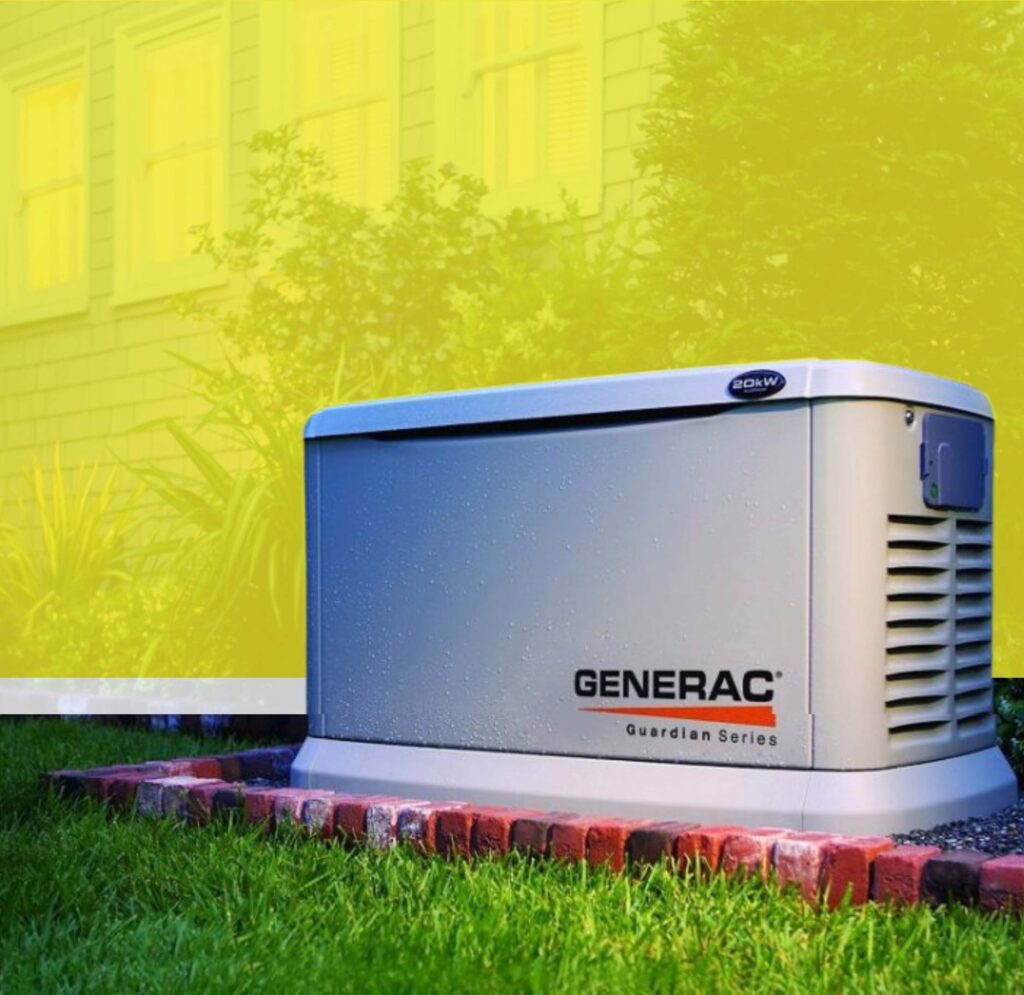
Choose authorized dealers or certified installers for brands such as Generac. Authorized dealers provide original parts and have direct factory support lines. That minimizes lags when a piece is required and preserves warranty coverage. Take, for instance, a Generac-certified installer; he can order an OEM transfer switch or controller expeditiously and knows the brand’s recommended testing routines.
Check credentials, insurance and customer reviews before you sign a contract. Ask for copies of license numbers, liability and workers’ compensation insurance, plus local references. Read reviews for trends: consistent praise for punctuality and clean job sites is a good sign. Repeated complaints about missed appointments or hidden fees is not. Verify the installer gives you a detailed written estimate listing labor, materials, permit fees, and timelines.
Budget expectations need to be clear. Installation labor alone usually runs between 500 and 2,500, with local wage differences impacting costs. Budget 30 to 50 percent more than the generator cost for accessories, transfer switches, permitting, and code compliance. Consider that hooking up fuel lines might necessitate a utility worker to tie into natural gas, diesel, or propane. Ask who will coordinate that work and if it is included.
Safety is the primary consideration. If it’s not installed properly, it can lead to carbon monoxide leaks, electrical shock, or transfer switch faults. A good installer will do load calculations, obtain permits, conduct post-install testing, and leave behind documentation for future servicing. Demand a final walk-through and written sign-off.
Conclusion
Whole house generator cost new jersey Consider a mid-range system to hover around the state average once parts, labor, permits, and basic site work are factored in. Larger homes or off-grid setups drive costs higher. Local regulations, terrain, and fuel availability affect installation time and cost. Consider load size, run time, and maintenance in your budget. A transparent estimate from a reputable installer keeps unexpected costs at bay. For many homes, the initial outlay repays in fewer blackouts, less spoilage, and consistent relief throughout hurricanes. Take two or three bids, compare warranty and service, and choose the system that fits your home and your peace of mind.
Click Here to Get a Free Estimate from a Local Installer to Proceed
Frequently Asked Questions
How much does a whole house generator cost in New Jersey?
Prices usually start from €8,000 to €25,000, converted to metric pricing. That’s for equipment, transfer switch, and installation. Final cost depends on size, fuel type, and site complexity.
What factors in New Jersey drive the price up?
Permit fees, local labor rates, fuel line or propane tank work, and hurricane or coastal code requirements add to that cost. Accessibility and landscaping restoration come with a price tag.
How do I choose the right generator size?
Match your peak household load and a margin of safety. Your licensed electrician will take a load calculation and recommend a generator, typically 8 to 22 kW for homes.
Is a standby (automatic) generator worth the extra cost?
Automatic standby generators start and transfer power automatically. They safeguard appliances, avoid food spoilage, and offer a sense of security in outages.
What ongoing costs should I expect after installation?
Plan on yearly maintenance, fuel or propane, periodic oil changes, and occasional parts replacement. Schedule inspections and battery/controller updates every few years.
Can I install a whole house generator myself?
Local codes and safety issues mandate licensed electricians and certified installers. Professional installation keeps your warranty and ensures safe operation.
How do I find a reputable installer in New Jersey?
Seek licensed electricians who have generator certifications, local references, and written warranties. Look at reviews and insurance, and get a written estimate.