

Key Takeaways
- Level 1, which uses a common 120 V outlet, is inexpensive and easy to use. It is a great fit for low-mileage drivers and plug-in hybrids who recharge overnight.
- Level 2 needs a 240 V circuit, costs more to set up, and provides significantly speedier charging. It is perfect for everyday commuters, multiple-EV homes, and longer daily ranges.
- Match charger power to your vehicle and habits. Think about your typical daily miles, battery size, and if you could add more EVs later.
- Installation considerations and costs: Factor these into your decision by checking your electrical panel capacity, estimating professional installation costs, and utilities or other rebates or programs.
- Utilize smart charger capabilities and scheduled charging to minimize energy costs, grid strain, and even battery degradation by limiting peak charging and maximum state of charge.
- Think longterm by considering resale value, sustainability, solar integration and managed charging, and future proofing including higher-capacity circuits and multi-brand compatibility.
Level 2 uses 240 V and adds 20 to 40 km of range per hour, while level 1 uses 120 V and adds 4 to 8 km per hour.
Level 2 necessitates its own circuit and a professional installation. Level 1 can operate off a standard household outlet.
The comparison below touches on price, installation, charging time, and appropriate use cases.
Charger Fundamentals
EV charging is categorized by levels based on voltage, power, and application. Level 1, Level 2, and Level 3 (DC fast charging) are the three main categories. Level 1 and Level 2 use AC and depend on the vehicle’s onboard charger to convert to DC for the battery. Level 3 uses DC and bypasses the onboard charger for even higher power delivery.
Grasping these fundamentals enables new EV drivers to select a home configuration that matches their daily requirements, miles driven, and budget.
Level 1
Level 1 utilizes a standard 120 V household outlet and generally does not require any special installation. It draws from the home circuit and inserts into the vehicle’s SAE J1772 port on most passenger EVs. Therefore, it will function with the overwhelming majority of cars without adapters.
Charge rate is slow: expect roughly 3 to 5 miles of range per hour, and full charging for a large BEV can take 40 to 50 or more hours to reach 80 percent from empty. For PHEVs, Level 1 typically hits 80 percent in approximately 5 to 6 hours. This slowness renders Level 1 convenient for overnight boosts if your daily mileage is light.
Level 1 works great for plug-in hybrids or low-mileage drivers who can charge at home overnight. It is suitable for the occasional driver, a second car, or low-power workplaces. Almost every home can handle it without re-wiring.
Level 1 chargers are cheap and readily available. Costs usually stop with the cable and no electrician bill. Caution: do not use extension cords with Level 1 chargers. Added resistance can cause overheating and pose a fire risk.
Level 2
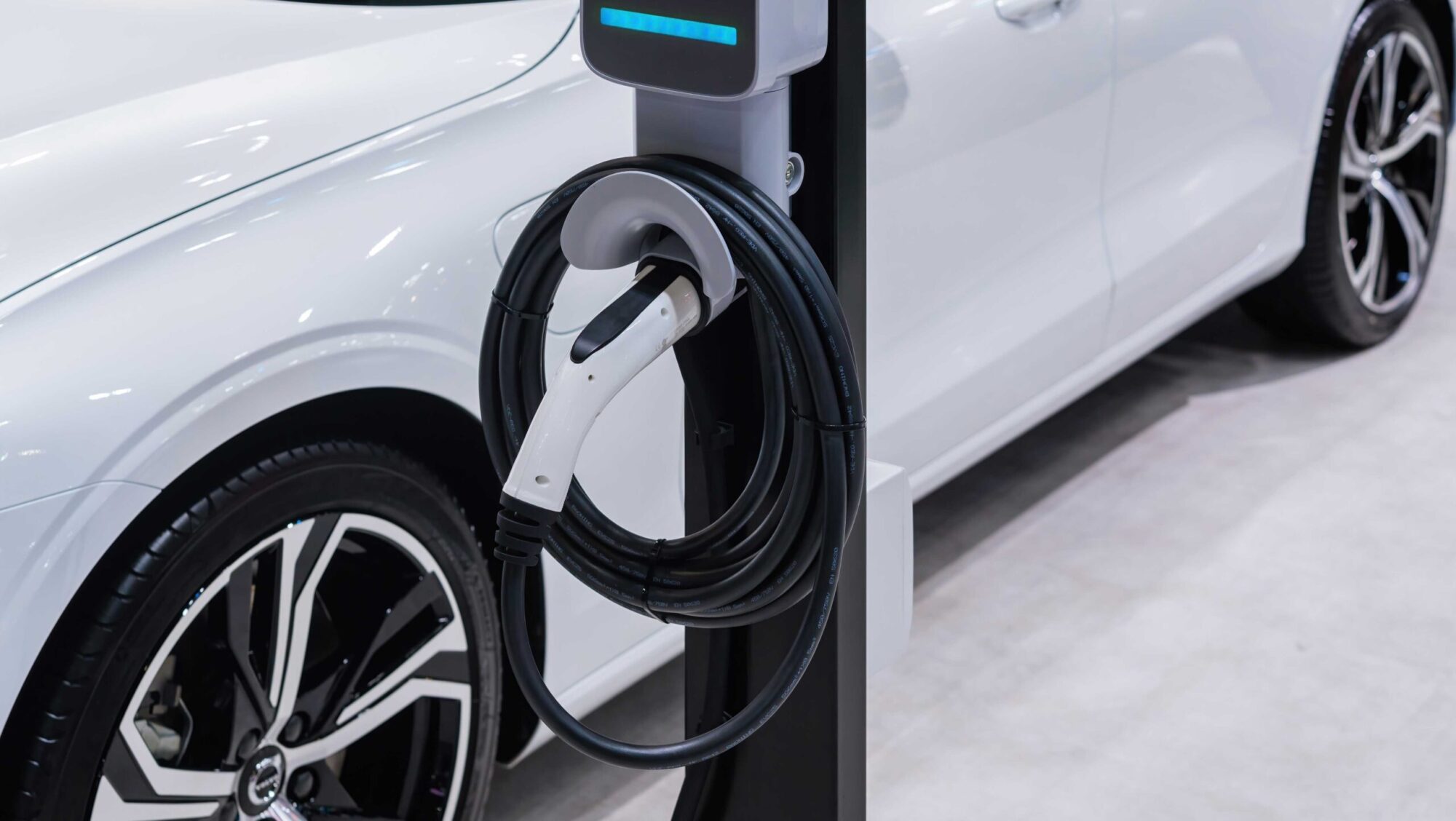
Level 2 chargers need a 240 V outlet, like an electric dryer or oven, and so typically require professional installation. Common home units are 240 V, 24 A and provide approximately 6.0 kW of continuous power. Higher-amperage units are available.
Faster speeds mean anywhere from about 12 to 60 miles per hour of charging, depending on charger amperage and the vehicle’s onboard charger capacity. A BEV can hit 80 percent from empty in approximately 4 to 10 hours on Level 2, and a PHEV in approximately 1 to 2 hours. That makes Level 2 appropriate for daily drivers and multi-EV households.
Installation could involve an electrical panel upgrade or a dedicated circuit, increasing expense yet enhancing ease of use. Level 2 is a good fit for anyone that requires faster charging at home, longer-length commutes, or owners who can’t count on public DC fast charging.
| Plug type | Typical use | Compatibility |
|---|---|---|
| SAE J1772 (Type 1) | Level 1 & 2 AC charging | Most passenger EVs (North America) |
| CCS | Level 3 DC fast | Most new BEVs with adapter/port | | CHAdeMO | Level 3 DC fast | Older BEVs, certain models (rarer) | | Tesla plug | Level 1/2/3 at Tesla | Tesla cars, adapters available |
The Direct Comparison
Level 1 and Level 2 chargers have variations in speed, power, cost, installation, and convenience. Here’s a tight summary table outlining the fundamental technical and practical differences, which are then broken down in the sub-topics below explaining how those differences impact day-to-day EV ownership.
| Feature | Level 1 | Level 2 |
|---|---|---|
| Typical power | 1.3–2.4 kW AC | 3–<20 kW AC |
| Normal range increase per hour | 5 km/hr | 30 – 0 km/hr |
| 80% Time (average BEV) | 400+ hours | 60 hours |
| Outlet | Regular 120v | Dedicated 240v circuit |
| Cost (hardware) | Minimal | $30,000 |
| Optimal application | Overnight top-ups, emergencies | Home, office, public charging |
| Installation | Plug-and-play | Professional install often required |
1. Speed
Level 1 provides roughly 5 km of range per hour, meaning a depleted 60 kWh BEV may require several days to charge to 80%. Level 2 usually adds 30 to 50 km per hour and can recharge a comparable battery up to 80% within 6 to 10 hours.
For a driver who covers 40 to 80 km per day, Level 1 could be enough if you charge every night and your trips are predictable. For longer commutes, traveling, or quick turnarounds between shifts, Level 2 reduces downtime and lessens range anxiety.
2. Power
Level 1 provides 1.3 to 2.4 kW AC and Level 2 approximately 3 kW up to close to 20 kW AC. Level 2’s higher voltage and amperage allowed the car to pull more power, injecting energy into the battery more quickly.
Onboard charger limits matter: if an EV’s onboard charger accepts only 6.6 kW, a 20 kW Level 2 unit won’t charge faster than that limit. Charge the charger’s power to the vehicle’s acceptance rate and what future EVs you’ll buy.
3. Cost
Level 1 hardware expense is a small ongoing cost and home electricity rates. Level 2 units are around $300 to $1,000 plus installation.
Energy prices depend on the local tariffs and charging time, with home charging generally cheaper than public DC fast charging. Many areas have rebates or utility programs that reduce L2 installation costs, increasing long-term value notably for higher-mileage drivers.
4. Installation
Level 1 plugs into a standard existing 120V outlet, no electrician needed. Level 2 requires a 240V dedicated circuit and might necessitate panel upgrades, conduit, or permitting.
Inspect the panel cap. If you plan more EVs later, you should consider wiring for a higher capacity now.
5. Convenience
Level 1 is good for consistent overnight top-ups and as a backup. Level 2 enables scheduled charging, mobile app control and remote monitoring, and it makes it possible to charge several household EVs.
Cable management and mounting options are more extensive with Level 2, and smart functions allow you to move charging to low-tariff hours.
Your Driving Profile
About: Your Driving Profile Match your daily use and future plans to a charger type. Here’s a short list of typical driving profiles and their corresponding chargers. Then each profile is fleshed out in detail so you can balance what matters most.
- Commuter — A Level 2 charger is recommended for daily round trips greater than 40 kilometers.
- Part time driver – Level 1 is usually fine for minimal miles per week.
- Road tripper — Level 2 (portable, perhaps) for quick turnaround and bigger packs.
- Factor in future changes: more EVs, longer trips, or household shifts that raise charging needs.
- Checklist idea: daily distance, typical departure time, home electrical capacity, budget, desire for smart energy features.
The Commuter
Commuters who drive more than 40 miles round trip daily benefit from Level 2 charging. Overnight top-ups that add 20 to 40 kilometers per hour of charge eliminate range anxiety and guarantee a full battery upon waking. For quick recharge after late meetings or sudden errands, Level 2 fits better, as Level 1 can leave you short due to schedule changes.
With advanced energy management, many Level 2 units can shift charging to off-peak hours and significantly reduce utility costs, which is a big deal for those on time-of-use plans. If you anticipate adding a second EV or expect commute distances to increase, installing Level 2 today prevents future retrofits.
The Occasional Driver
Level 1 is a sensible, cost-effective option for drivers who don’t cover many miles per week. For weekend warriors or short errand drivers, overnight charging from a 120 V outlet typically replenishes sufficient range for regular use. Installation is minimal; no dedicated circuit is required in many cases, and upfront spend is small.
Still keep an eye on battery state of charge before extended departures. Level 1 can leave you stranded on those longer, infrequent trips, and planning for those trips avoids surprises. If your routine shifts toward more frequent use, rethink Level 2 to prevent repeated charging strain.
The Road Tripper
Typical long-distance drivers require quicker home charging to supplement public fast chargers on interstates. Level 2 provides more power and less dwell time between drives, which is useful with large battery packs or heavier vehicles that consume more energy per kilometer.
Swift home charging minimizes pauses on extended trips and limits dependency on typically busy DC quick chargers. Portable Level 2 units provide some flexibility for on-the-go charging where fixed chargers aren’t an option, but you do need a compatible outlet and sometimes an adapter.
Think about range, regularity of trips and how often you require a fast back-to-back when selecting specifications.
Hidden Considerations
The decision between Level 1 and Level 2 charging is about more than just charge rate. Install complexity, operating costs, future needs, and environmental impacts all alter the equation. Check practical limits at home, local regulations, and the impact on battery life and property value before making a choice.
Battery Health
Additional cell stress occurs during faster charging. Slower Level 1 charging tends to expose cells to less stress per session, and therefore it can help minimize long-term capacity loss. As repeated fast charging raises cell temperature and chemical wear, it can accelerate this degradation process over the course of years.
With charge scheduling, you won’t do the same rapid top-ups multiple times a day. For daily use, a lower max state of charge, such as 80 to 90 percent, helps preserve battery chemistry. Balance immediate convenience with care. Reserve Level 2 or DC fast charging for long trips rather than nightly top-ups.
Enable features like preconditioning or thermal management when charging in cold weather to reduce battery heating load.
Home Value
A professionally installed Level 2 charger can be a nice selling point for future buyers. Some buyers now expect to see EV-ready wiring or a mounted charger, which can add listing appeal in city and suburban markets.
Keep records: permit documents, electrician receipts, and installation photos make it easier to show value to buyers. Smart chargers with load balancing, app controls, and tidy cable management offer better aesthetics and perceived utility, which can influence buyer interest more than a simple outlet.
Grid Impact
Widespread Level 2 adoption can raise local peak demand, stressing distribution transformers and feeders in certain neighborhoods. Smart charging that shifts sessions to off-peak hours eases stress and saves money in the face of time-of-use rates.
Combining rooftop solar or diverting excess solar production to an EV charger can reduce both your grid demand and your net costs. There are often local utilities that have managed charging incentives or rebates for enrolled chargers, so check those programs before you install to optimize both cost and grid impact.
Future-Proofing
Consider things like bigger batteries, shifting plug standards, and more powerful chargers down the road. Install conduit and a higher-capacity circuit now, so that you’re not tearing out your walls later.
Wall material and mount complexity influence that decision. Anticipate permits, inspections, potential panel upgrades, and electrician rates that vary to contribute to upfront cost. Make sure the charger is firmware updateable and widely plug compatible.
Assume load management if you have multiple high-power devices and account for time-of-use schedules and cold-weather battery heating when sizing.
The Smart Charger Edge
Smart home chargers offer obvious advantages over simple Level 1 cords, injecting control and efficiency along with future-ready bells and whistles on top of the faster charging that Level 2 hardware delivers. A Level 2 EV charger operates on a 240-volt supply and typically delivers 7 to 11 kW of power. This implies that the majority of plug-in hybrids and a significant number of BEVs can attain a complete charge within 10 hours, typically ranging from 6 to 10 hours for more substantial BEV batteries.
Offering speed compared with a 120-volt Level 1 outlet, Level 2 gear provides approximately 10 to 60 miles of range per hour, with smart examples leveraging software to optimize that power for real life and cost management.
Smart chargers allow owners to monitor charging remotely and set schedules to coincide with lower electricity rates. Remote monitoring displays session status, total energy used in kilowatt-hours, and charge history. Scheduling can delay charging to overnight low-rate windows or strand sessions across off-peak hours.
A commuter who requires 30 to 40 miles per day can time a Level 2 session during off-peak hours to replenish range while sidestepping peak pricing, saving money compared to unmanaged daytime charging.
Energy management includes more than just timers. Load balancing can cap a charger’s draw when multiple circuits or EVs share the same service, preventing expensive panel upgrades or tripped breakers. Others can integrate with TOU tariffs and mainland grid signals to start or stop charging when wholesale prices dip.
In reality, this can reduce home charging costs by a significant percentage over the course of a year while ensuring the car is prepared every morning.
Integration with home automation and mobile apps provides additional convenience and oversight. Smart chargers tend to connect over Wi-Fi or Ethernet to apps that display state of charge, allow remote start/stop control, and push alerts if charging ceases.
They can connect with home energy systems, such as solar inverters, battery storage, or smart thermostats, so charging can track solar production or use stored energy. In a solar home, for example, a smart charger could utilize midday solar output, minimizing energy exported and increasing self-consumption.
About The Smart Charger Edge, they need professional installation and occasionally electrical upgrades, but they provide lower per-session electricity use, easier long-term maintenance, and superior control than Level 1.
In offices or homes with more than one EV, smart Level 2 units manage higher-rate AC charging at 240V residential or 208V commercial and balance loads to meet daily demand without straining the electrical infrastructure.
Making Your Decision
Pick according to how you drive, where you live, and what you can afford. Level 1 draws from a regular 120V outlet and provides an 8 to 16 km (5–10 miles) of range per hour, so it can satisfy daily driving needs less than 50 km (30 miles) if you plug in every night. It’s low cost up front and often requires no electrician, but it’s slower and less efficient, being approximately 80% efficient.
Big batteries or cold weather reduce that handy range gain, and for drivers who average more than approximately 64 km (40 miles) per day, Level 1 can be unreasonable as a full charge may require several hours or even 24 hours.
Level 2 operates on its own 240V circuit and generally increases your range by 32 to 80 km (20 to 50 miles) per hour. It is roughly 90% efficient, charges faster and provides more flexibility to top off between trips or complete an overnight charge even on larger batteries.
Installation will range widely in cost. Anticipate additional costs such as a new circuit, panel upgrades, permits or trenching if the garage is located a distance from the panel. Some are easy and inexpensive, while others can be in the few hundred to a few thousand range depending on local labor and code requirements.
Some utilities provide reduced overnight rates or dedicated EV tariffs, making Level 2 charging even more economical if timed during off-peak hours.
Decision checklist for practical use:
- Daily driving: under 50 km (30 miles) — Level 1 may suffice. More than 64 km (40 miles) — Level 2 is typically more practical.
- Battery size and climate: larger battery or cold winters reduce Level 1 usefulness. Go with Level 2 for consistent everyday recharge.
- Home electrical capacity: check panel capacity and distance to parking. Think ahead and install a dedicated 240V circuit for Level 2.
- Budget: Compare the cost of the charger and installation against convenience value and any utility incentives.
- Future plans: If you plan to add a second EV or move to a higher-range vehicle, choose Level 2 now to avoid repeat installation work.
- Parking situation: street parking or shared garages may limit ability to install Level 2. Level 1 can be a safe temporary fallback.
Where to start: Measure your average daily miles, note charging windows (overnight, daytime at work), and get a simple electrical inspection quote. Ask local installers for permit and panel upgrade estimates, and check with your utility on EV rates or rebates.
Factor efficiency differences. Level 2 wastes less energy and costs less per usable kilometer when charged during low-rate periods. Selecting the appropriate capacity today prevents multiple upgrades and provides dependable, effective, and convenient home charging for years into the future.
Conclusion
Level 2 chargers reduce charge time significantly. They contribute 19 to 32 kilometers of range per hour, which is 12 to 20 miles per hour. Level 1 adds approximately 4 to 8 kilometers per hour, or 3 to 5 miles per hour. For home users who drive less than 50 kilometers a day, Level 1 is just fine. For drivers who require quicker turnaround or larger batteries, Level 2 is worth it.
Think cost, installation and home power. A 240 V circuit and a professional installer make Level 2 worthwhile. Smart Level 2 units include scheduling and energy use data. Public Level 2 chargers bridge gaps on road trips.
Choose the charger that matches your daily mileage, budget, and home configuration. Compare prices, check out local rebates, and try charging at a friend’s or public station before you buy.
Frequently Asked Questions
What is the main difference between Level 1 and Level 2 EV chargers?
Level 1 uses a regular 120 V outlet and contributes roughly 8 to 16 km (5 to 10 miles) of range an hour. Level 2 uses 240 V and adds roughly 40 to 80 km (25 to 50 miles) an hour. Level 2 charges far quicker and fits regular at-home charging.
Which charger is cheaper to install?
Level 1 doesn’t have an installation cost if you already have a grounded outlet. Level 2 typically needs a 240 V circuit and professional installation, so upfront costs are greater. Your long-term savings are rooted in the convenience and minimized public charging need.
Which is better for daily commuting?
Level 2 is better for most daily commuters. It can recharge typical daily mileage in a matter of hours. Level 1 will do fine if you drive very little and have a long time to park overnight, but it is less speedy and flexible.
Can I use a Level 1 charger if I own a long-range EV?
Yes, it will charge slowly. You can fully charge a long-range EV on Level 1 over multiple nights. For maximum turnaround and convenience, a Level 2 charger is best.
Do charging costs differ between Level 1 and Level 2?
Electricity rate per kWh is identical. Level 2 may help reduce indirect costs by sidestepping public fast-charging fees and time savings. Efficiency delta is negligible. Savings come primarily from convenience and usage.
Are Level 2 chargers compatible with all EVs?
The majority of contemporary EVs support Level 2 charging via a common connector. Verify your vehicle’s inlet type and charger’s plug. Residential Level 2 chargers utilize industry standards that are universally accepted and are therefore widely compatible.
Should I choose a smart Level 2 charger?
Yes, provided you want scheduling, load management, energy monitoring, and firmware updates. Smart chargers reduce bills by charging at off-peak times and integrate with solar. They bring convenience and future proofing.