
Key Takeaways
- Coastal storms can wreak havoc on your HVAC and electrical systems through high winds, salt corrosion, flooding, and power surges, so they require a proactive approach to protection.
- Strapping and raising outdoor HVAC units and protective coverings against storm-driven debris and water enhance resiliency. Corrosion-resistant materials extend system lifespan.
- Surge protectors and backup power solutions protect HVAC systems from electrical surges and outages during storms.
- Routine maintenance, system shutdown and post-storm inspection are key to keeping your HVAC safe and operational.
- Considering structural integrity and opting for flood-resistant and storm-resilient designs can enhance long-term protection.
- Whether you’re reviewing insurance coverage or budgeting for prevention, you want to minimize your financial impact from storm-related damages.
‘Coastal storm prep’ means protecting your HVAC and electrical system from wind, rain, and floods. These systems provide the electricity and heat to important components of your residence.
Intense storms can result in significant destruction or prolonged outages. Measures such as inspecting the wiring, elevating units, and sealing openings reduce hazards and ensure smooth operations once the storm moves on.
This guide shares tips to help keep your home safe and systems working.
Coastal Threats
Coastal storms pose a special risk to HVAC and electrical systems. Winds blow at over 112 km/h, salt spray shoots inland, and floods roll in with little warning. These threats result in damage that is frequently expensive and difficult to repair. Knowing what each threat entails and how to prepare can help safeguard your gear and save you some cash.
High Winds
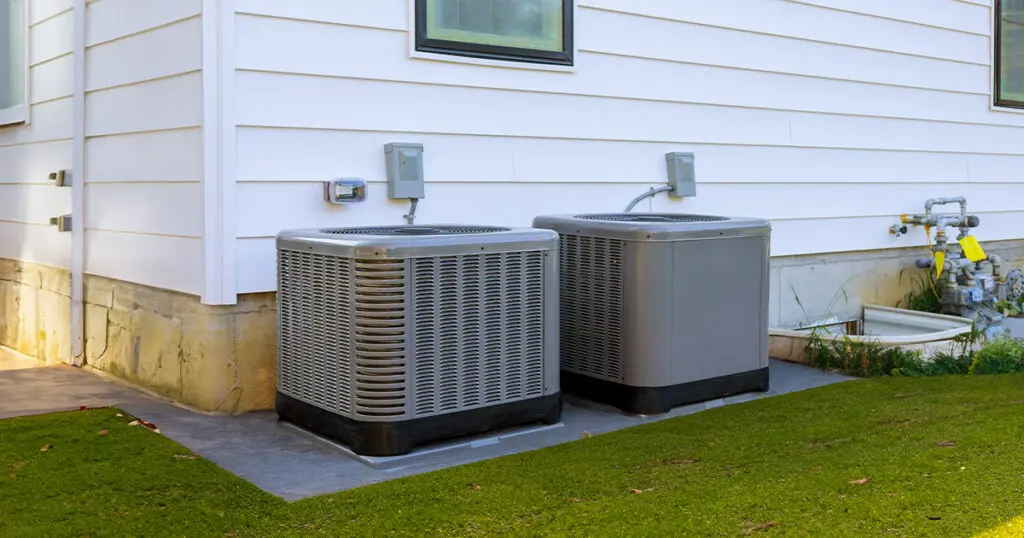
Winds, which tend to be fierce along the coast and in winter storms, can tear HVAC units from their outdoor mounts. Even well-installed units can shift if not anchored, causing broken lines or bent frames. Examining the base and fasteners for rust or looseness identifies potential weak points.
Hurricane straps or heavy-duty anchors keep units from shifting during storms. Some houses employ wind-rated cages or shields for additional protection. Older HVAC installations may not have been engineered to withstand today’s wind loads.
You should check the entire system—frame, bolts, and supports—at least annually. Just a few routine checks and quick fixes before storm season can prevent small problems from becoming big, expensive ones.
Salt Corrosion
Salt in the air, particularly from winter storms, wreaks havoc on the metal components of outdoor HVAC units. The aluminum fins on condenser coils are particularly susceptible to this kind of damage as salt spray gets carried far inland by strong winds.
A barrier coating, such as an appropriate paint or sealer, helps delay corrosion. It is savvy to select corrosion-resistant material when replacing parts. A few units have integrated protection, but eventually even these can degrade.
Regular cleaning and inspection are key. Look for white spots, rust, or pitting on metal surfaces. Homeowners ought to understand that high humidity and salt exposure may shorten the HVAC life by years. Local service providers usually have maintenance plans emphasizing these coastal threats.
Flooding
Flooding is an actual threat along the coast. Just a couple of centimeters can wreck coils and electrical components. Raising outdoor units 30 to 45 centimeters keeps vital components above the majority of flooding.
Flood sensors are great; they can alert you in advance of water reaching critical levels. Dry floodproofing — say, barriers or sealants around the unit pad — adds another line of defense. It pays to look at local flood maps to find out which areas of a property are most vulnerable.
Floods have a way of lingering, so a plan to dry and check equipment as soon as possible will put an end to lingering issues.
Power Surges
Storms, particularly lightning and sudden outages, are often preceded by power surges. Protect all your major systems, including HVAC, with a whole-home surge protector. For sensitive parts, additional surge protector power strips work well in a pinch.
Testing and maintaining these devices is crucial. Surge protectors degrade, so periodic inspections ensure they function when necessary. Homeowners should be aware that repairs from surge damage can exceed $2,000.
Prevention is almost always cheaper than repair.
Protect Your HVAC
How to safeguard your HVAC system from coastal storms Water, salt, debris and surges can do some serious, costly damage. Diligent storm preparation and a defined recovery plan go a long way to minimizing repair costs and equipment lifespan.
1. System Shutdown
Pre-planning shutdowns help reduce risk prior to a storm. Always use a checklist: switch off the system, unplug it if possible, and mark breakers with bright tape so you can find them fast in an emergency. Power down all units before wind and rain arrive to minimize surge risk.
Power unplug is critical. Lightning surges and grid spikes can fry circuit boards in seconds, so do not omit this step! Flush the condensation lines so water doesn’t back up into the unit. Seal outside vents and any openings with weatherproof tape or plastic to prevent wind-driven rain or salt spray from corroding crucial components.
These measures go a long way in keeping the interior dry and protected.
2. Physical Barriers
Flooding is on the coast’s most wanted list. Sandbag walls around your outdoor unit can keep floodwater out. Sandbag all sides snugly for best results. Shield exposed units with a weatherproof tarp tied down well to deflect debris.
In locations that experience consecutive storms, removable flood barriers made of plastic, metal, or wood can be deployed quickly. Post-storm, see if your barriers held. Seek out water tracks, seams, or vulnerabilities to strengthen protection before the next storm.
3. Unit Elevation
Elevating outdoor units above flood level is a clever solution. Put them on solid platforms or concrete pads, at least 30 to 60 cm high, to keep water away from motors and electronics. Proper drainage beneath these pads is essential.
Standing water, even a few inches deep, can damage your equipment. Check with a local HVAC pro for the optimal way to raise your unit. They understand what works in your area and can assist you with local codes.
4. Corrosion Control
Salt and moisture accelerate rust, so treat metal components with anti-corrosion paint or spray. Shield your HVAC! When you are replacing parts, choose corrosion-resistant metals if you can; it is worth it over time.
During every inspection, keep an eye out for early rust or salt signs. That way, you can catch problems before they escalate.
5. Post-Storm Check
As soon as it’s safe, preferably 24 to 48 hours after floodwaters recede, give your unit an inspection. Check for dents, rust, or water inside. Try it out, but only if you don’t see obvious damage.
Document everything for your records and to file the insurance claims. Miss these and you could be looking at thousands in repair bills.
Safeguard Electricals
Electricals require special planning when storms batter the coasts. Sudden spikes, outages and water damage can all negatively impact HVAC and electrical equipment. Repairs can easily exceed $2,000. Safeguarding these systems from disruption prevents expensive outages and protects homes.
Surge Protection
- Protect HVAC units with their own surge protectors. These units restrict the flow of electricity into the system during sudden surges that typically occur during storms. Without this, one surge can fry sensitive circuits or compressors.
- Safeguard electricals: Inspect all surge protectors in your home for age and condition. Older units won’t protect enough, particularly for newer HVAC units. Upgrading to newer, top-rated units delivers superior outcomes.
- Safeguard electricals surge protection should be incorporated into a total electrical safety solution. This means adding whole-house surge protectors at the panel and adding point-of-use devices for critical equipment.
- Test surge protectors a minimum of twice a year. Most units have indicator lights. If the light is off or red, the device may not work. Safeguard Electricals: Swap out aging surge protectors immediately to ensure systems are protected.
Backup Power
Dependable backup power keeps HVAC functioning during outages. Generators are the obvious option. Choose a model that suits your home’s power requirements and ensure it won’t be stressed when supporting the HVAC load.
Never have your buddy set up the generator. Always use a licensed electrician, as an improper installation can be hazardous and may void warranties.
Try backup systems every few months. Safeguard Electricals run the generator under real loads to spot problems before emergencies. Safeguard Electricals mark breakers with bright tape or labels so that you can find them quickly in the dark or when panic sets in.
Make a checklist for rapid mobilization so the whole household is prepared when a storm rolls in.
Outdoor Components
Outdoor electrical units, such as condensers, are exposed to additional hazards from wind and water. Protect your loose patio furniture, tools, or toys within 2 to 3 feet of outdoor units to prevent flying debris from causing damage.
Clear out leaves and branches to maintain open airflow. Check outdoor units monthly for salt buildup or corrosion, particularly in coastal locations. Salt can accelerate rust and reduce equipment life.
Cover up during storm season and remove before system operation to prevent airflow restriction. Never go near or switch on outdoor units post flooding until a minimum of 24 to 48 hours have elapsed and water has disappeared from the vicinity.
Electrical Safety Education
Educate everyone in your family on the storm safety fundamentals. Demonstrate how to shut off power at the breaker. This can prevent harmful surges.
Label breakers clearly, so they are easy to locate in a blackout. Remind everyone to avoid any electrical system following flooding or after repeated power flickers. Stand clear. Wait five to ten minutes after power returns before turning systems on.
Fortify Your Foundation
Nothing like a solid foundation for your house when the storms start to blow, particularly at coastal locations. High winds, floods, and flying debris put walls, roofs, and all the systems inside to their paces. A strong foundation can protect the entire building, which translates to less anxiety and danger for you and your loved ones.
In storm-prone areas, many homeowners have experienced less damage and stress after fortifying their home’s foundation. Structuring with hard materials, such as reinforced concrete or insulated concrete forms gives your house more resilience. These products provide resilience to winds and trembling earth, both typical of hurricanes and earthquakes.
For HVAC systems, begin by inspecting how securely they’re attached to the ground or framing. Search for rust, loose bolts, or weak spots. If the foundation under the unit is cracked or not level, it can threaten the entire system.
Upgrading to a stronger base or adding additional anchoring can keep units grounded when heavy winds come. It’s not only for staying cool or warm; it’s to make sure your system won’t blow away or flood when storms strike.
Flood-resistant designs are clever any place water may get high. This can entail elevating HVAC units off the floor, typically a minimum of 30 centimeters, to clear flash floods. Anchoring units prevents them from shifting or toppling if water or wind is powerful.
New builds in flood zones generally implement these steps from the ground up, but they can be updated for older homes as well. Adding dams or drainage around units can help push water out, reducing the risk of flood damage.
A 1.5-meter (5-foot) defensible space around your home can assist. Clear away leaves, wood, or loose items that can ignite or become debris. This buffer aids in decelerating fire and prevents wind-driven debris from impacting your house or its infrastructure.
Routine inspections of your roof and walls, combined with timely repairs, prevent minor concerns from evolving into major trouble. Always check with the local authorities or building inspector before you modify.
A number of locations have building code requirements on how to build for storms. These codes do change, so a pro can make sure you’re meeting the latest rules and keeping insurance valid. To strengthen your base with a professional’s assistance frequently results in enhanced future security and comfort.
The Financial Angle
Coastal storms are just as dangerous for HVAC and electrical systems, and the financial damage extends well beyond the immediate event. By being aware of possible expenses, the value of protection, and insurance coverage, homeowners and facility managers can make informed decisions that suit their budgets and risk tolerance.
Mitigation Costs
Shielding HVAC from storm damage frequently means budgeting for improvements and strategic spending. Key measures such as surge protectors, hurricane-rated HVAC units, and elevating outdoor equipment on concrete pads are essential. The cost for these upgrades depends on location and system size, but it’s common that preventative costs are less than large repair or replacement.
Veteran estimates can clear up the entire cost. For instance, adding a surge protector could come to €150 to €300, while raising an outdoor unit might be €500 to €1,000. On the coasts, prices skew upwards because of additional corrosion-resistant materials or flood-proofing. Fixing a system after major storm damage, particularly with salt air exposure, can cost €2,000 to €10,000 or more to repair.
| Preventive Measure | Typical Cost (€) | Potential Repair Cost Avoided (€) |
|---|---|---|
| Surge Protector | 150–300 | 2,000+ |
| Hurricane-rated Unit | 2,000–7,000 | 4,000–15,000 |
| Elevation on Concrete Pad | 500–1,000 | 2,000–10,000 |
| Corrosion-resistant Parts | 200–800 | 1,500–6,000 |
Spending should target the highest risks first. For coastal homes, corrosion and flooding increase these long-term expenses. Focus on surge protection and elevation first. Then, consider storm shutters or impact resistant windows if at particularly great risk.
Insurance Review
Homeowner’s policies do not typically cover all storm-related HVAC losses, so a thorough review is warranted. Electrical surges, wind, flooding, and salt corrosion may be covered differently or not at all in different plans. A few insurers provide add-ons for storm damage to HVAC, which can save money in vulnerable regions.
| Insurance Type | Coverage Level | Common Exclusions |
|---|---|---|
| Standard Home Policy | Basic | Flood, corrosion |
| Extended Storm Cover | Moderate | Some electrical surges |
| Comprehensive Policy | High | Typically covers all, but costlier |
Maintain records of every HVAC improvement and repair with invoices and pictures. This documentation expedites claims and may bolster claims for enhanced coverage. Policies can change from year to year, so check on them every year and talk to agents about coverage for storm or hurricane damage.
After The Storm
Following a coastal storm, what you do next can go a long way toward helping your HVAC and electrical systems recover. A thorough inspection of your HVAC system is a must before turning it on. Just a few centimeters of water can damage electrical components or windings. Flooding or bent fins on the outdoor unit are obvious reasons to stop and check. If you see these, don’t start the system.

Shutting off your HVAC at the thermostat and breaker helps prevent further damage while you conduct a thorough examination. Do your own walk around and see if you can detect anything such as weird noises, strange odors or the system not cooling or heating appropriately. If something feels amiss, call a licensed professional for a post-storm inspection. Lightning strikes and power surges from storms can really pound the system and cause latent issues that require a professional touch.
Sometimes, the damage is beneath the surface. A quality check by the right person can keep a minor problem from becoming a monster. Take obvious photos of the damage you discover. List what you observe and at what time. These logs are essential when coming back for insurance claims and repairs. If you’re required to provide documentation for a claim, thorough notes and photographs ease the process.
This will assist you in receiving equitable compensation for any damages or restorations. It provides an opportunity to monitor differences and identify trends if storms are a regular occurrence in your region. If repairs or replacements are necessary, move fast. Waiting could make it worse or leave your house uncomfortable for days! Plan work early to whip your system back into shape.
If the tech tells you parts need to be swapped or the unit rebuilt, get it done sooner rather than later. For houses in storm-prone areas, supplementing your HVAC with air purification or dehumidifier systems aids its rebound and maintains clean indoor air. These upgrades reduce mold, dust, and that flood smell that tends to linger.
Continued attention matters in storm zones. Clean the vents, check the filters, and schedule regular maintenance. Train everyone at home to detect the early warning signs, like stinky odors or weak airflow. This enables you to act quickly the next time and reduces your repair expenditures over time.
Conclusion
Coastal storms can come quickly and strike mightily. Your HVAC units and wires require tough covers and intelligent inspections. Salt air and wind can corrode metal or yank wires loose. Good preparation leads to fewer repairs and safer homes. Inspect seals, bolts, and drains. Choose robust covers or raise outdoor units if water pools. Disconnect equipment or utilize surge strips to prevent surges. After a storm, walk around and inspect for rust, leaks, or loose wires. Speedy repairs save you money down the road. For additional tips or assistance, consult with a local professional or begin with a home safety inspection. Coastal storm prep: shielding your HVAC and electrical system.
Frequently Asked Questions
What are common coastal threats to HVAC and electrical systems?
Coastal people deal with high winds, saltwater corrosion, and flooding. These can wreak havoc on HVAC units and electrical wiring, causing expensive repairs or safety hazards.
How can I protect my HVAC system from coastal storms?
Raise exterior units above flood level and cover with weather resistant covers. Have regular maintenance to inspect for salt or moisture damage.
What steps should I take to safeguard electrical systems before a storm?
Shut off the main breaker if a big storm is anticipated. Utilize surge protectors and have all wiring up to current safety codes.
Why is foundation fortification important for storm prep?
A solid base keeps out the water and keeps your house standing. This shields both your HVAC and electrical systems from storm-related failures.
How does storm preparation affect insurance claims?
With our coastal storm prep: protecting your HVAC and electrical system, proper preparation like securing equipment can simplify insurance claims. Insurers can ask for evidence of such precautions for coverage purposes.
What should I do with my HVAC and electrical systems after the storm?
Check everything for water or wind damage prior to powering everything up. Have a licensed professional come out for a comprehensive safety check.
Are there financial benefits to preparing my home for coastal storms?
Buying storm protection cuts down on your repair costs and might even help reduce your insurance premiums. Prevention pennies add up.