
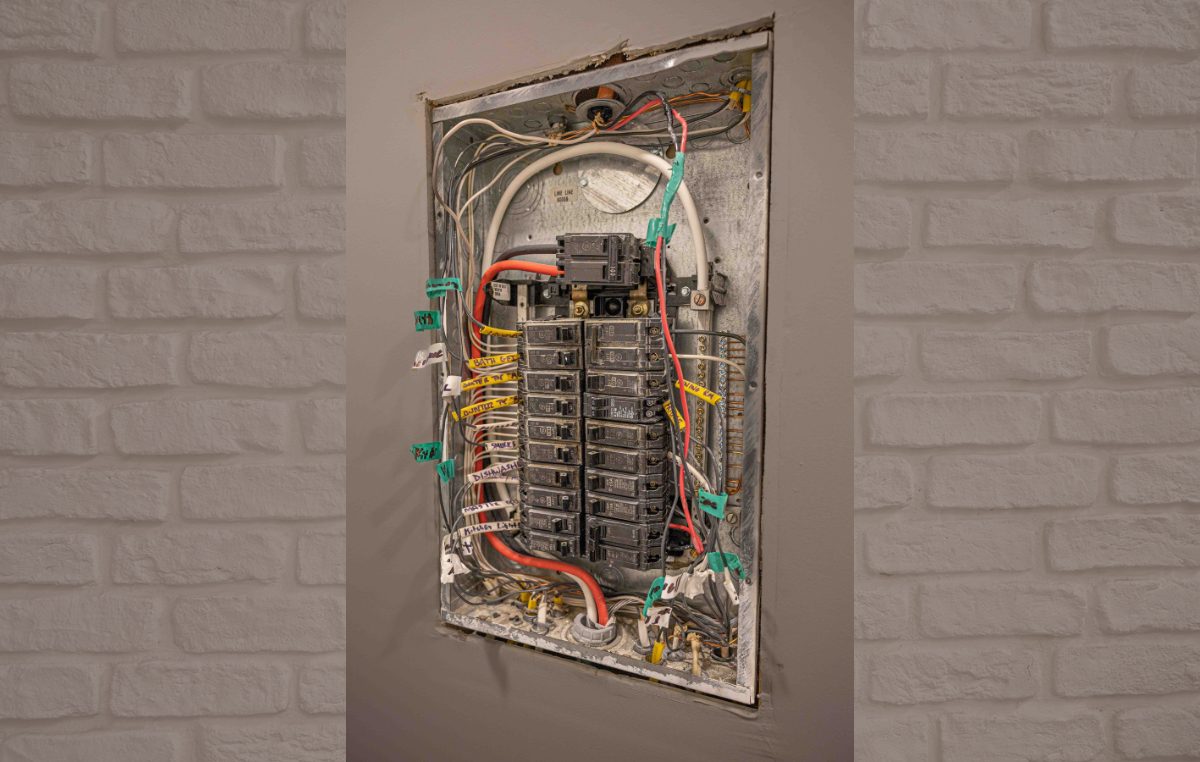

Key Takeaways
- Beware warning signs such as flickering lights, frequent breaker trips, old outlets, and burning odors. These are signs of a need to rewire older homes.
- Labor rates, materials quality, home size, and wall access complexity all influence the overall cost to rewire a home.
- Since you’re going to have the walls and ceilings open, you might as well upgrade to modern outlets, especially Ground Fault Circuit Interrupter outlets in wet areas.
- Budget more than just the wiring. Consider wall repairs and even a temporary move during large-scale projects.
- Full or partial rewiring — depending on the age of your wiring and the recommendation of your licensed electrician, decide whether a full or partial rewiring is needed to ensure safety and cost-effectiveness.
- Explore financing options like personal loans, home equity lines, or government grants to offset rewiring expenses and guarantee a secure and effective electrical system.
The real cost of rewiring an older home is due to multiple components such as square footage, wiring, and labor. Costs can run from a few thousand to tens of thousands of dollars depending on what lurks behind walls.
Old homes sometimes require updates to ensure safety or code compliance. To help you make sense of these expenses, the key points are broken down in the sections below.
Rewiring Indicators
When does an older home require rewiring? That’s what you need to know. Homes 30 years old or older typically could use an electrical inspection to determine whether they comply with new safety regulations and power demands.
Rewiring can reduce fire hazards associated with outdated or deteriorated wiring. Rewiring a house typically costs between $2,000 and $20,000, with most homeowners paying around $2 to $4 per square foot in the US. Kitchens cost more, approximately $1,000 to $3,400, because they require dedicated wiring for large appliances.
Installing a 200-amp breaker box can add $1,500 to $3,000. A few houses also require special attention for asbestos or lead paint, which can increase expenses. This work can span from 3 to 10 days.
Common signs a home needs rewiring:
- Flickering or dimming lights
- Circuit breakers that trip often
- Old or two-prong outlets
- Burning smells from outlets or switches
Flickering Lights
Flickering lights can indicate loose wires or antiquated connections. They may appear to be minor, but they can bring down the safety of your residence and waste energy. If the flickering occurs in multiple rooms, it could indicate a more serious wiring issue, not just a faulty bulb.
Flickering lights should be fixed soon. It prevents minor problems from becoming expensive fixes or hazards.
Frequent Trips
Breakers that trip frequently indicate circuits that might be overloaded or have defective wires. Too many appliances on one circuit can stress it. If a breaker pops when you run the microwave with a few other devices, that’s a red flag.
Track the frequency with which this occurs and what you were using. Pass this list along to a licensed electrician for a complete check. Such trips, when neglected, can cause shocks or even fires.
Outdated Outlets
- Rewiring: Check all outlets and note old two-prong types or ones that spark or feel hot.
- Rewire indicators for three-prong outlets.
- Install GFCI outlets in kitchens, bathrooms, and other wet spots to reduce shock danger and comply with contemporary codes.
- About: Rewiring Indicators
Rewiring outlets allow your home to handle more power, keeping you secure and prepared for today’s demands.
Burning Smell
A burning smell indicates that you should immediately discontinue use of that outlet or switch. The scent could emanate from a single location or it could indicate a bigger issue.
NEVER use the circuit again until a pro electrician checks it out. Don’t overlook this indicator; it can lead to major fire hazards and devastate your home.
The Cost Equation
Rewiring an older home is almost never a cookie-cutter job. The ultimate bill is a combination of things, from the proficiency of the electrician to the room size and wire grade. Every choice you make along the way affects your budget, so it’s clever to deconstruct the primary things that drive expenses.
| Factor | Impact on Cost | Example/Range |
|---|---|---|
| Labor Rates | High labor costs raise total project cost | $50–$100 per hour |
| Material Grade | Better materials mean higher up-front spend | Copper wire vs. aluminum |
| Home Size | Larger homes increase cost | $2–$4 per square meter |
| Wall Access | Difficult walls add labor and repair costs | Extra for drywall/repairs |
1. Labor Rates
Electricians typically run $50 to $100 per hour. Labor is typically the biggest component of rewiring cost, particularly if the work must be completed rapidly or during off hours. The more skilled or experienced the professional, the higher their hourly rate may be.
Even so, it doesn’t hurt to get quotes from local electricians so you know you’re paying a reasonable price. For a typical home, rewiring can last three to ten days, so the labor expenses can accumulate quickly.
2. Material Grade
Choosing the right wiring matters for safety reasons and has future repair implications. Higher-grade stuff, like copper wiring and good breakers, costs more up front but lasts longer. This translates into less fire hazard and less trouble down the road.
Something to discuss with your electrician. If you opt for less expensive wire or outlets, you might save initially, but fixes down the line can be costly and cumbersome.
3. Home Size
The size of the home is a primary cost driver. For instance, rewiring is estimated to be around $8,000 to $12,000 for a 1,000-square-foot home. The cost per square meter is about $2 to $4, so the bigger the house, the greater the amount of wire, labor, and circuits.
If there’s something special about your home or it’s multi-level, budget additional time and money.
4. Wall Access
Getting wire behind walls is not necessarily a simple task. If access is hard, labor costs escalate. Some walls must be opened, so you will be paying for drywall repairs ranging from $300 to $800 per room and painting ranging from $200 to $600 per room.
If the electrician is fishing wires through snug spots, it’s going to take longer and cost more. Always discuss problem spots with your electrician ahead of time.
5. Unforeseen Issues
Opening walls can expose lurking issues, such as knob-and-tube wiring. Tearing out antiquated systems could add an additional $5,000 to your project. Occasionally, new panels are required, which cost between $1,500 and $2,500.
Budget a little extra for surprises. A little communication with your electrician goes a long way in keeping surprises to a minimum.
6. Code Compliance
It must comply with local code or you are risking fines and insurance problems. Permits range from $75 to $150 each and inspections are usually needed. Your electrician can describe what has to be brought up to code.
Staying compliant keeps your home safe and maintains its resale value.
Beyond The Wires
Rewiring an older home means more than just new wires behind walls. It’s a process that impacts your day-to-day life, your home’s future value, and the feeling of security for all of you living there. Everything from patching up walls to determining if you need to move has a cost and steps to plan for.
Wall Repair
Wall repair is the bulk of the rewiring. Once the electricians are done, the open walls need to be closed up, plastered and repainted. Expenses can escalate quickly depending on the square footage of the house and the quality of the finish you desire. Some homeowners choose simple patching, while others decide to completely repaint for a seamless appearance.
It depends on the going rate, and plan to pay for labor and materials. It’s wise to discuss with your contractor prior to work beginning. Request a comprehensive quote that incorporates the electrical and wall repairs. This keeps you from getting hit with surprise charges at the finish.
Occasionally, repairs can take longer than expected, particularly if there’s latent damage or you opt for premium finishes. Delays can stretch that timeline out by days or even weeks. Wall repair isn’t just an afterthought; it’s an integral component of the rewiring budget.
Temporary Relocation
Major rewiring can mean living without power in areas of the home. This is both dangerous and unpleasant, particularly for families with kids or remote employees. For some projects, it may require days at a time without power.
Securing a short term rental or crashing with friends can make expenses pile up. For instance, a one-week rental in an urban area can be pricey and it’s different everywhere in the world. Talk with your electrician and get a realistic schedule so you know how long you’ll be out.
Think ahead and make the move go smoother. Pack necessities, crate animals, and update everyone impacted by the transition.
Future Value
In addition to safety, new wiring increases the value of a house in the eyes of potential buyers. It indicates that the home is secure and prepared for today’s technology demands. Modern systems support more devices and smart home functionality.
Homes with new wiring tend to sell more quickly and for more money. Power savvy upgrades attract buyers who need to save on energy bills. Insurance companies might provide improved rates on homes with secure, modernized systems, contributing to the long term value as well.
Peace of Mind
There’s real comfort in knowing your home’s wires are safe. Antiquated systems, especially in pre-1960s construction, can conceal perilous hazards. Most folks don’t hear about a fire hazard or frayed wiring until the inspector comes.
Don’t dismiss flickering lights or constantly tripped breakers. A quality rewiring job minimizes fire hazard and keeps everyday life humming. Upgrades ensure your house can support new technology without the risk of overloads or dangers.
Safety and reliability are the top reasons most people rewire.
Full vs. Partial
Going for a full or partial rewire depends on your home’s existing wiring, your budget, and your future vision for your electrical system. A complete rewire replaces all of the wires, outlets and switches, whereas a partial rewire just updates selected rooms or circuits. There are costs, timelines, and risks associated with both. Knowing what your home really needs keeps you from both overspending and missing danger.
When to Repair
Repairing old wiring is a bit more cost-friendly if the damage is minor or localized to one spot. If an outlet fails or you notice one patch of frayed wires, a repair may suffice. Sometimes tiny electrical problems, such as a flickering light or a blown fuse, do not imply that the entire house is at risk.
Consider the magnitude of the issue. If the damage is minimal and wiring elsewhere remains intact, a quick fix may be all that’s needed to conserve operations. For instance, if one room has frayed wires but the remainder of the system measures up, a full replacement is not necessarily required.
Repairs are cheap too, especially if the wiring is just standard safety stuff. Guessing is not safe in this arena. Have a licensed electrician always check things over. They’ll be able to confirm whether a quick repair does the trick or if something larger lurks within the walls.
When to Replace
A full rewire is essential when wiring is aged, fragile or a fire hazard. Indications are multiple blown fuses, tripped breakers or outlets that are warm to the touch. If your home is over 40 years old and still has original wiring, it is generally time for a complete overhaul.
Old wiring, such as knob-and-tube or aluminum, can be a major danger. These systems weren’t designed for current power demands, and aging across years results in fire or shock hazards. Contemporary lifestyles require more outlets and larger loads, which older configurations can no longer support securely.
Full rewires can be expensive, ranging from an average of $9,481 to $11,301 in many areas. This typically involves a new electrical panel, which contributes to the bottom line. A partial rewire can cost significantly less and be completed in a matter of hours or days, but it won’t necessarily address underlying safety issues.
Chatting with a pro balances the immediate cost with the long-term advantages, because new wiring equals decades of safer, more dependable service.
Choosing Professionals
Rewiring an older home is not only a big job, it requires experienced professionals. The right electrician will guarantee not only that your system is safe and efficient, but that it is up to code. Labor can be fifty to seventy percent of the project cost, and pulling old wire, such as knob-and-tube, can add twenty-five percent or more to labor charges.
One of the most important things to do is to compare more than one electrician, as their prices and skills vary dramatically from area to area. A diligent search and vetting process saves you costly setbacks and ensures a safe result.
- Always verify that licenses and credentials are up-to-date.
- Read third-party reviews and demand references from past clients.
- Get no less than three detailed quotes to compare prices and services.
- Verify the electrician’s experience with older homes and challenging rewiring.
- Make sure the electrician adheres to local building codes and industry standards.
- Talk about timing and be willing to remove them from rooms.
- Utilize written contracts that detail labor, materials, and scope of work.
Credentials
Hiring a licensed electrician is essential for any home rewiring job. Credentials tell you that the pro meets industry standards and knows the latest safety codes. Another benefit is their specialized training in residential rewiring, which is good news for older homes.
These bungalows can bring their own special brand of issues, like dodgy wiring or concealed dangers that demand a professional touch. Valuable experience with older homes is crucial. Electricians accustomed to old wiring can identify trouble that a newer pro might overlook.
Homeowners ought to find out if the electrician keeps up with changing codes too. Because these codes get updated regularly, what was acceptable 30 years ago is now unsafe.
Estimates
Obtain detailed estimates from a minimum of three electricians prior to commencing work. A good separation of labor, materials, and any markup allows you to see where your funds go. Labor rates differ by geography and expertise, and you need to shop around for a good deal.
The lowest quote doesn’t necessarily mean the best quality. Seek out estimates that list the work involved, so there are no surprises down the road. Explain what each estimate covers and ask how the electrician will deal with old wiring or surprises behind walls.
This prevents surprise fees and establishes clear expectations.
References
Be sure to request references from every electrician you evaluate. Speaking with previous clients provides an authentic impression of the electrician’s competence and diligence. Contact references directly and inquire with pointed questions about their rewiring experience.
See if projects were completed on schedule and within budget. Hear about professionalism, how well the electrician communicated, and if things were fixed quickly. References help you gauge whether an electrician is dependable for your personal project.
Financing Your Project
Rewiring an older home is quite an investment. Depending on the size and complexity, costs can be anywhere from $2,000 to $20,000. Most people spend about $10,000. As a frame of reference, a 1,300-square-foot house might cost between $7,800 and $13,000, while a 2,500-square-foot house could be over $15,000.
Because most homeowners like to spread this cost, knowing how you can finance your project is crucial. Below is a comparison of popular choices:
| Financing Option | Pros | Cons |
|---|---|---|
| Personal Loans | Fast approval, no collateral, flexible use | Higher rates, affects credit |
| Equity Lines | Lower rates, higher limits, interest may be tax-deductible | Risk to home, requires equity |
| Gov. Grants | No repayment, reduces out-of-pocket cost | Strict eligibility, limited funds |
Personal Loans
Personal loans can pay for everything in a rewiring job, from a simple panel upgrade at $2,000 to a full-home rewire at $10,000. Most lenders provide financing for anywhere from 5 to 7 years. Rates are usually based on your credit score, so it is worth shopping around for deals from banks, credit unions, and online lenders.
A personal loan means you don’t have to put your house up as collateral. The monthly cost is constant, helping you project a budget. With high rates, especially if you don’t have good credit, check out the total interest you will be paying over the life of the loan before you sign.

If you have other debts, throwing a loan into the mix could tip you over. Use a loan calculator to determine how a new monthly bill fits your income. Read the fine print for fees or penalties.
Equity Lines
HELOCs — home equity lines of credit — are a traditional method to finance bigger gigs. If you have enough equity, you could qualify for a line large enough to cover even the high end of rewiring costs, like twenty-five thousand dollars for a large home or premium copper wiring.
HELOCs typically have lower interest rates than unsecured loans and provide you with the flexibility to borrow as needed. It is slower, and you use your home as collateral, so there is some danger if you miss payments.
HUD Title 1 Property Improvement Loan is another option for those with equity. It permits up to $25,000 for improvements such as rewiring. Consider your overall repayment obligation relative to your budget before selecting a home equity product.
Government Grants
In certain locations, grants make electrical work more affordable. They don’t need to be paid back and that can make all the difference for qualifying homeowners. Eligibility is usually based on your income, where your property is located, or how old your home is.
Research federal (HUD, etc.), local government, or utility company programs. They each have their own application process and deadlines. Start early, gather all required materials, and read directions carefully.
Grants hardly ever pay for everything, but can assist with important costs, such as panel upgrades or safer copper wiring. They’re most effective when paired with other forms of financing to minimize your overall out-of-pocket costs.
Conclusion
Rewiring an older home is costly in more ways than just money. It requires good planning and the right team. Prices will vary depending on the size of your home, the work required, and additional repairs that emerge. A full rewire may lead to greater upfront costs, but both safety and value are enhanced in the long run. Others opt for a partial rewire to save money in the immediate. Selecting a licensed electrician ensures the work is safe and up to code. Most finance the work over time with loans or payment plans. To find the best deal, compare local rates and request transparent estimates. Contact a reputable electrician or discuss with neighbors who have had a similar job done before you dive in.
Frequently Asked Questions
What are common signs that a home needs rewiring?
Constant circuit breaker trips, flickering lights, and old wiring materials are sure signs. If your outlets are hot to the touch or you experience burning odors, schedule an inspection.
How much does it cost to rewire an older home?
It depends on the size of the home and location. For an average sized home, a complete rewire will cost you somewhere between €4,000 and €10,000.
What factors affect the cost of rewiring?
Main contributors are your home’s size, wire accessibility, local labor rates, and code upgrade requirements. Older homes with hard-to-reach wiring may be more expensive.
Should I rewire my entire home or just part of it?
A full rewire is the way to go for safety and compliance. Partial rewiring can make sense if just a few rooms are antiquated or damaged.
Is rewiring disruptive to daily life?
Sure, rewiring can cause disruption. It usually requires opening walls, moving furniture, and temporarily knocking out power. Planning ahead minimizes inconvenience.
Why is hiring a licensed professional important for rewiring?
Only licensed professionals guarantee that the work will meet safety standards and building codes. This minimizes fire hazards and safeguards your home’s worth.
Are there financing options for home rewiring?
Yes, there are many lenders and government programs that provide loans or grants for electrical upgrades. Consult your local banks or housing agencies for options.