
Key Takeaways
- Ductless mini-split systems consist of an outdoor unit, multiple indoor units, and a conduit line, offering flexible heating and cooling without requiring invasive ductwork.
- They provide zoning, allowing you to keep the temperature just right in separate rooms or areas for maximum comfort and energy efficiency.
- Ductless systems are energy efficient, which generally translates to lower utility bills and a smaller carbon footprint when compared to traditional HVAC solutions.
- Advanced filtration helps enhance indoor air quality by minimizing allergens and pollutants and supports your health and well-being.
- Installation is faster and less disruptive than with ducted systems, so ductless choices can be used in a variety of building configurations.
- There are a few things to consider when thinking about a ductless mini-split, such as your home’s layout, climate and budget. Be sure to consult some HVAC pros for optimal results.
What exactly is a ductless mini split system? It utilizes an outdoor compressor and one or more indoor units for managing indoor air temperatures.
Since each indoor unit can be set for a different room as needed, it saves you more energy and gives you more control. Ductless mini splits suit homes, offices, and small spaces where ducts are difficult to install.
The following sections explain how these systems function.
System Explained
Ductless mini-splits are an HVAC technology that consists of an outdoor unit, one or more indoor units, and a conduit line connecting the two. The system employs a refrigeration cycle to cool and heat spaces, making it ideal for many buildings. It is heated and cooled without conventional ducts, which translates to reduced energy dissipation and easy installation.
They are commonly employed in residences, work spaces, or zones where installing ductwork is expensive or infeasible.
1. Outdoor Unit
The outdoor unit is the place where heat transfer takes place. It contains the compressor and condenser coils, which are essential to transferring heat into or out of the building. When the system is cooling, heat from indoors is delivered outdoors. When heating, it pulls heat from the outside, even on cold days.
Careful outdoor unit placement aids airflow and efficiency. A little shade or clearing is optimal. Outdoor units are made to endure the elements. They’re in weatherproof casings and can withstand rain, snow, and heat. This allows them to function seamlessly in hot and cold climates.
2. Indoor Unit
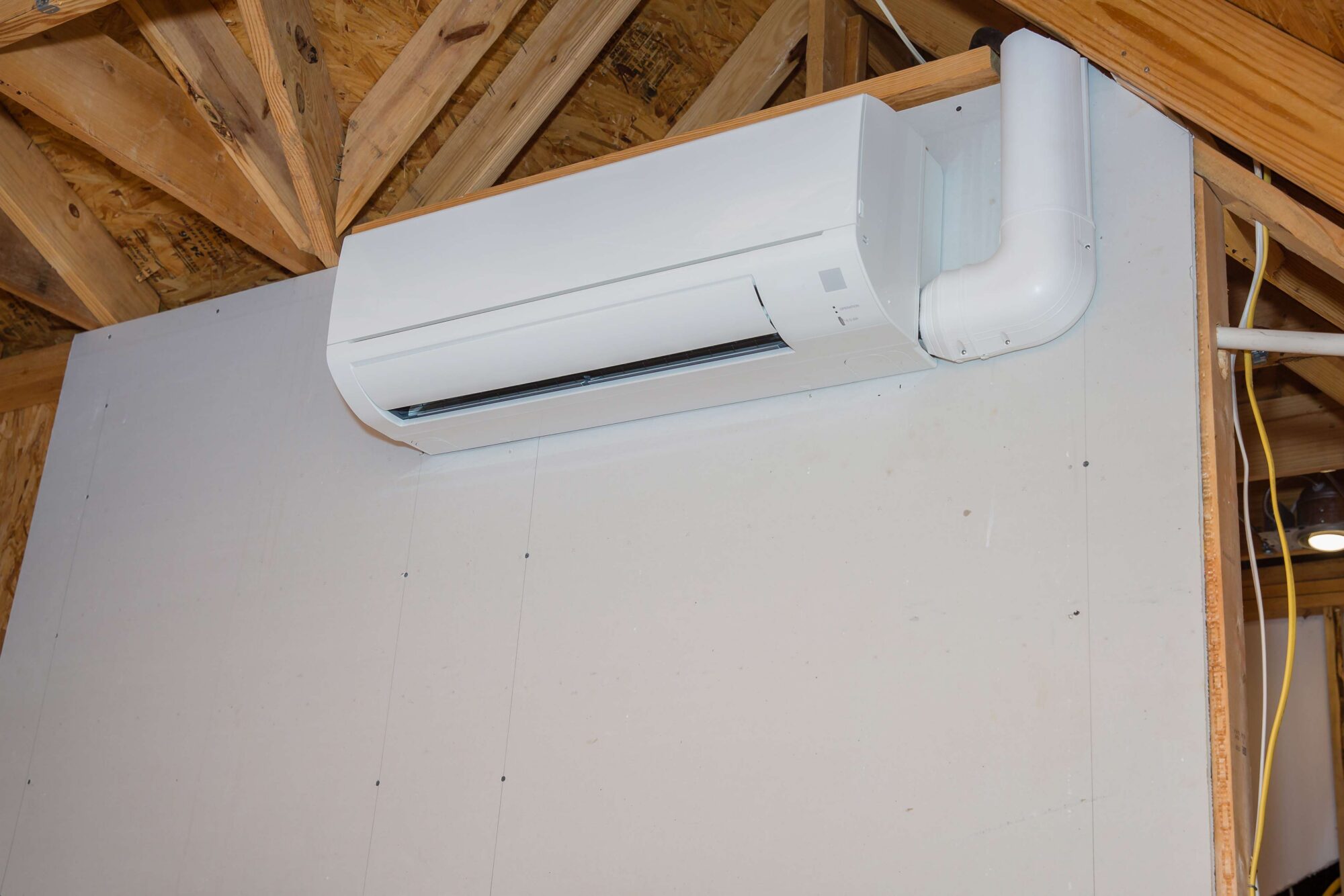
About System Explained. There are three indoor unit types. Some attach to the wall, while others fit into ceilings. These models distribute the chilled or warmed air directly into the room, providing immediate and uniform relief. Air blows straight into the living space without first passing through ducts.
It’s important to select the indoor unit size correctly. For example, a small room might require only a single wall-mounted unit, whereas a large open plan area could benefit from a ceiling cassette. Certain models feature remote controls and programmable timers, allowing you to conveniently adjust settings for varying schedules or preferences.
3. Conduit Line
The conduit line connects the outdoor and indoor units. It holds refrigerant, electrical cables, and even a drain for condensation. The conduit is flexible and tiny, frequently requiring a mere 7-centimeter hole through the wall. This configuration allows for relatively easy installation, as opposed to massive ductwork.
Without ducts, they sidestep the energy losses that plague central air. Less energy waste means lower utility bills and more sustained performance.
4. Operational Cycle
The system utilizes a refrigeration cycle to transfer heat in or out depending on the mode. When cooling, the compressor drives refrigerant to suck heat inside and blow it outside. For heating, it reverses, pulling heat from outside in. The compressor controls refrigerant circulation to maintain optimum and consistent temperatures.
It automatically switches between heating and cooling depending on the set temperature. This cycle helps the system maintain comfort levels with lower energy consumption.
5. Zoning Power
Ductless systems provide zoning, allowing individuals to adjust the temperature in each room or area. Each indoor unit has its own controls, so you can keep one room cool and another warm. This is perfect for houses with different comfort requirements, such as a sunroom and a bedroom.
Multiple zones mean you only heat or cool rooms that you’re using, which saves energy. Combined with smart thermostats, they let users adjust comfort on a room-by-room basis, avoiding the waste of heating empty rooms.
Key Advantages
Ductless mini-splits provide a contemporary solution for indoor climate control. They’re differentiated by energy savings, flexible installation, improved air quality, and the opportunity to personalize comfort in each room.
The following points highlight the main reasons people choose ductless mini-split systems:
- Energy efficiency ratings as high as 28.5 SEER2 for cooling and 18 HSPF2 for heating.
- Easy installation with minimal disruption and no large ducts.
- Personal comfort, with the ability to have different room temperatures.
- Better air quality with HEPA filters and no ductwork to accumulate dust.
- Quiet operation from variable speed fans even on low.
- Perfect for room additions, converted attics or spaces that are ductless.
- Space-saving design with compact indoor and outdoor units.
- Lower monthly utility bills and a reduced carbon footprint.
Energy Efficiency
| System Type | Cooling Efficiency (SEER2) | Heating Efficiency (HSPF2) |
|---|---|---|
| Ductless mini-split | Up to 28.5 | Up to 18 |
| Central Ducted HVAC | 13 to 18 | 7 to 10 |
| Window AC Unit | 10 to 15 | N/A |
Ductless mini-split systems use inverter-driven compressors and don’t distribute cooled air through long duct runs, which means that less energy is lost before it reaches your living space.
In conventional ducted homes, as much as 30% of that energy can leak out of leaks or gaps in the insulation. This increased efficiency means lower energy bills every month.
Ductless systems sidestep the wasteful nature of full-home systems by heating or cooling only the spaces in use. Those who invest in highly efficient ductless systems typically experience long-term savings that more than make up for the upfront price.
Flexible Installation
Mini-split units can be installed on walls, ceilings or even the floor, providing additional flexibility during installation. The system requires just a tiny hole in the wall to join the indoor and outdoor units, keeping the building envelope largely intact.
Since big ducts aren’t required, it’s a great fit for older homes, apartments, or spaces where installing new ducts would be difficult or expensive. These systems are ideal for room additions and attic conversions where extending ductwork is not feasible.
Many installers can deploy ductless systems in just a day or two. This rapid method reduces mess and daily life upheaval compared to conventional HVAC installs.
Zoned Comfort
- Each zone or room can have its preferred temperature.
- No need to heat or cool unused spaces.
- Each user can adjust comfort as needed.
- Reduces family or housemate disagreements about thermostat settings.
It’s this ability to offer zoned control that mini-split systems solve the problem of hot or cold spots in homes. Each indoor unit operates independently, so one room can be left cool and another warm.
Smart thermostats bring more control, allowing users to customize comfort via their phones or program schedules for individual zones.
Air Quality
They employ HEPA filters to capture dust, pollen, and fine particles. Others eliminate surplus humidity, reducing mold and mildew.
No ductwork signifies fewer areas where dust or allergens might accumulate and swirl about. Both rooms receive clean filtered air.
Regular filter changes are simple and critical for optimal performance. This circulates fresh air and promotes a healthy environment.
Potential Downsides
Ductless mini splits have a lot going for them. They’re certainly not perfect. These systems can be a clever match for lots of rooms, but it’s crucial to consider a few typical negatives prior to taking the plunge.
Upfront Cost
A ductless mini split tends to have a higher upfront cost than a traditional central unit. Installation costs tend to be roughly 30% above central air, particularly if you require multiple indoor units for big houses. The scale of your system, how many rooms you wish to heat or cool, and if you require more than one compressor can all increase the cost.
If you are installing units in several rooms or open spaces, costs could add up quickly. For most, this higher upfront cost is still hard to justify even though the system can save money in the long run by reducing energy consumption. The cost savings come from improved efficiency and heating or cooling only the rooms you use.
You need to factor not only the cost to install but also a margin for annual servicing and filter changes.
Aesthetics
Some homeowners don’t like the appearance of the indoor units. These units are wall or ceiling-mounted and ever-present; they may not gel with your decor. Manufacturers now provide stylish, contemporary indoor units that integrate more effectively with the majority of spaces, but they may still conflict with traditional or minimalistic aesthetics.
You can disguise indoor units behind built-in cabinets or decorative covers, but this tends to increase cost and lower efficiency. If room style is a big consideration, plan carefully the location of your indoor units and whether their design suits your space.
Maintenance Needs
Ductless mini splits require less maintenance than their ducted counterparts. They still demand attention. Regular filter cleaning keeps your air fresh and reduces mold risk.
- Clean the air filters once a month to promote smooth operation and prevent the growth of mold.
- Inspect and remove dust and grime from the unit to maintain clean air.
- We recommend having a licensed HVAC tech inspect the system once a year to detect leaks, check refrigerant, and ensure controls operate properly.
- Be on the lookout for water drips or strange noises, which can warn of larger issues.
Professional service makes the system last longer.
Cold Climate Performance
Mini-splits can lose heat output below freezing temperatures. A handful of newer models utilize hyper-heat technology to help them run better in colder weather. Even these may have difficulty when it gets very cold at night.
A backup heat source, such as a furnace, could come into play. Well insulated and sealed, these systems perform at their best in cold climates. If you live somewhere with brutal winters, it’s smart to discuss your options with an HVAC expert to select the ideal model and account for supplemental heat if necessary.
Is It Right?
Going ductless mini-split is not a yes or no. It really comes down to the layout of your home, your local climate, and how much you want to invest upfront and over time. Mini-splits are energy efficient, offer precise temperature control, and can serve multiple rooms. They frequently work well in ductless homes or as an alternative to conventional central air!
Your Home
The size and shape of your home really matter. Ductless mini-splits perform well in homes where running ducts is impractical, such as older houses, cabins, or those constructed with thick walls. These systems can condition a single room or multiple rooms based on the number of indoor units you install.
Open-concept homes or multi-story layouts are typically imbalanced when it comes to heating and cooling temperatures. Mini-splits make it possible to control the climate in every room, so you can heat or cool just the rooms you use the most. This exact control prevents burning energy in empty air.
If you own a duct-free home, mini-splits rescue you from costly remodels. They’re a clever solution if you’re looking to bring coziness to new additions, basements, or converted garages. Look at the room sizes and how each was used before deciding. Bedrooms, offices, and living rooms all have different requirements.
Your Climate
Climate plays a big role in mini-split efficiency. In milder climates, the ductless units usually handle heating and cooling all year. In hot and cold climates, you must select those manufactured for those climates. Some mini-splits heat in winter by running the cooling process in reverse, while others are more cooling only.
It’s important that you examine your local weather throughout the year. If your region is extremely cold, choose a model designed for colder temps. For locations with consistent moisture, a simple system might suffice.
Your Budget
- Certain countries and states provide rebates for energy-efficient improvements.
- Many manufacturers have financing plans for mini-split systems.
- Lower energy bills over time help offset upfront costs.
- Long-term maintenance costs are typically lower compared to centralized systems.
Is it right? Mini-splits can use up to 40% less energy than many traditional systems and approximately 40% less than window units. They don’t lose cooling energy through ductwork, which can squander more than 30%. With proper maintenance, a mini-split will easily last 20 years or why bother with the investment?
Modern Innovations
Ductless mini splits have come a long way, with new options such as smart features, improved efficiency and cleaner air. These updates answer the increasing call for convenient, adaptable, and silent comfort. As cities and homes across the globe seek more optimal methods to heat and cool spaces, modern mini splits shine.
With high SEER2 ratings, they harness less energy to keep you comfortable and help reduce bills and slash waste. Noise is less of an issue because new outdoor units can operate as quietly as a normal conversation at around 46 decibels. These mini-split systems now suit many needs, from single rooms to entire homes, and can save up to 40 percent on energy when compared to traditional systems.
Smart Controls
Smart thermostat now you can control wherever you are. Adjust the temperature or set a schedule from your phone with our easy-to-use app. Most systems integrate with smart home ecosystems, so it is simple to connect with other devices.
You can activate using your voice or configure routines tailored to your day. Innovations like programmable settings help save energy by only running when needed. Adaptive learning senses your patterns and adapts for comfort and savings.
With remote access from mobile devices, you do not have to be home to make changes — a great convenience for busy lives.
Hyper-Heat Tech
Hyper-heat technology allows ductless mini splits to perform effectively even in extreme cold. Unlike older heat pumps, these systems maintain their efficiency in sub-zero temperatures. This counts for houses in areas with brutal winters, where staying toasty is a battle.
These improvements ensure the unit doesn’t lose efficiency or become more expensive to operate when temperatures plunge. Opting for a hyper-heat model is essential if you live in an area with extended freezing winters.
As heat pump technology improves, these systems are increasingly a dependable option for colder environments, where traditional systems fall short.
Advanced Filtration
| Feature | Benefit |
|---|---|
| Multi-stage filters | Capture pollen, fine dust, and allergens |
| Activated carbon layer | Reduces odors and certain gases |
| Washable filter design | Cuts down on waste, easier to maintain |
| Antimicrobial treatments | Limits germ and mold growth |
Multi-stage filters can capture microscopic particles such as dust and pollen, purifying indoor air. Simple updates, like washing or changing filters, keep the system running and the air fresh.
Fresher, purer air has fewer health hazards, especially for allergy sufferers and asthmatics. Advanced filtration keeps spaces healthier for all.
The Unseen Value
A ductless mini split offers more than just heating or cooling to a space. My caveat was that it might cost more to install one than a ducted system, but the payoff lies in energy savings and flexibility. These systems frequently trim energy losses since they use no ductwork, which can account for over 30 percent of energy in conventional forced air AC.
Some say these upgrades can even increase home value because energy-efficient houses are more sought after in the current market. With controllable comfort in every room and extended system life when maintained, this value follows you long after the first few years.
Beyond The Thermostat
Ductless is defining the way folks live in their homes. It’s not simply a matter of adjusting a thermostat, it’s about being at ease in every room. Mini splits provide for zone control climate, so one family member can have their bedroom cool while another likes it warmer in the living room.
This versatility is particularly beneficial for households where occupants have varying comfort preferences. Room-by-room control aids in optimizing air circulation and can assist with more even humidity management, which is important for comfort and health.
Clean indoor air is a benefit. Most mini splits include filters that catch dust, pollen, and other particulates. For those who are air quality conscious or are allergy sufferers, this can make a huge difference.
Humidity control built into some mini splits can keep mold and dampness at bay. After all, it’s these little touches that add up to a room that seems cleaner and more inviting.
Systems like this suit modern life. Their indoor units can be positioned pretty much anywhere. Some models even permit up to 15 meters between indoor and outdoor units.
They operate in various floorplans, remodels, and even older homes where ducts would be a challenge to install. Trusted warmth, customized for every room, injects a level of simplicity to the daily grind.
Long-Term Ownership
Ductless minisplits really do pay off over time. Owners remark on lower maintenance requirements than older HVAC systems, with no ducts to wash or fix. Regular maintenance, such as filter replacements and system inspections, is essential for achieving the higher end of the 12-15 year typical lifespan, and the required effort is typically lighter.
Skipping maintenance can translate into a system life far shorter, sometimes less than three years. The actual advantage demonstrates in severe conditions. They don’t have to battle with hot or cold spots.

They just enjoy steady comfort throughout the year. This dependable performance is part of why so many believe it’s worth paying more up front.
Environmental Footprint
They’re one of the potentially underappreciated ways that ductless mini split systems can reduce a home’s impact on the planet. They consume less energy to cool and heat the same air because they eliminate ducted losses.
This means less power lost, which results in fewer carbon emissions per household. Going for energy-efficient alternatives is an easy way to support macro sustainability objectives.
Mini splits serve the emerging market of homeowners who want comfort without the guilt of a larger carbon footprint. For cities or regions where energy is an issue, these systems are logical.
Conclusion
Ductless mini split systems cool and heat rooms fast, without massive ducts or tons of hassle. They provide consistent comfort, use less energy, and allow you to select which rooms you want to control the air. These systems suit residences, workspaces, and retail of all varieties and dimensions. Upgrades such as smart controls and clean filters keep your everyday life smooth and safe. Some might have to consider upfront cost or aesthetics, but the configuration typically rewards you with low bills and simple maintenance. If you are looking for a system that fits your life, check with a local expert or go with a trusted brand. Take the leap, receive answers for your space, and discover how ductless mini splits deliver steady comfort all year long.
Frequently Asked Questions
What is a ductless mini split system?
Here’s what a ductless mini split system is. It incorporates an outdoor compressor along with one or more indoor air handlers to manage temperature on a per-room basis.
How does a ductless mini split system work?
A ductless mini split system moves heat between the indoor and outdoor units via refrigerant lines. Each indoor unit is independently controllable, allowing targeted comfort for each space.
What are the main benefits of ductless mini split systems?
Major advantages are energy efficiency, installation flexibility, and zoning capability. They’re quieter than a lot of traditional systems.
Are ductless mini splits suitable for all homes?
Ductless mini splits are great in homes without ductwork, new additions, or rooms that require additional heating or cooling. They might not be the best choice for larger buildings requiring whole house coverage.
What maintenance do ductless mini split systems require?
Routine maintenance involves cleaning the filters and clearing debris outside. A professional servicing once a year keeps efficiency humming and your system reliable.
Do ductless mini splits use a lot of energy?
No, ductless mini splits are typically energy efficient. They have a variable speed compressor, and you control each room, so it can lower overall energy use.
Can a ductless mini split provide both heating and cooling?
Heck yeah, most ductless mini splits can heat and cool your space, which creates a perfectly comfortable situation year-round.